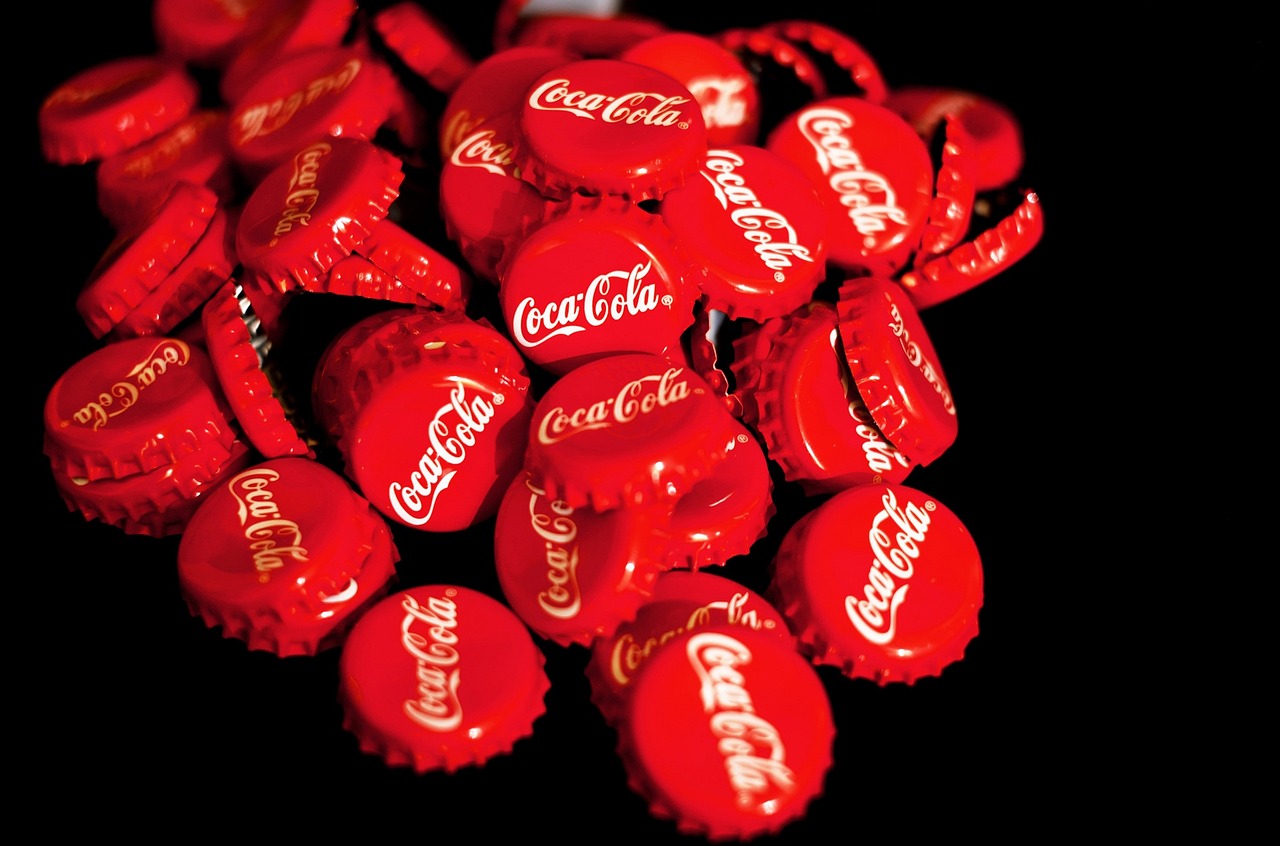
The Evolution of AI in Coca-Cola’s Advertising Landscape
Coca-Cola’s integration of artificial intelligence into its advertising efforts represents a pivotal shift toward data-driven precision marketing. For decades, the beverage giant has relied on creative storytelling to connect with global audiences, but recent campaigns have harnessed AI advertising optimization to refine targeting, personalize experiences, and maximize returns. This approach goes beyond traditional media buying by leveraging machine learning algorithms to predict consumer behavior and adjust strategies in real time. In one notable example, Coca-Cola’s “Share a Coke” initiative evolved with AI, analyzing social media interactions to customize bottle labels and promotional content based on user preferences. This not only increased engagement but also demonstrated how AI ad optimization can enhance brand affinity. As digital platforms proliferate, Coca-Cola’s use of AI underscores the need for marketers to adopt sophisticated tools that process vast datasets, identifying patterns that human analysts might overlook. The result is a more agile advertising ecosystem where campaigns adapt dynamically to market fluctuations. By focusing on AI advertising optimization, brands like Coca-Cola achieve higher efficiency, with reported improvements in click-through rates by up to 30 percent in targeted digital ads. This strategic pivot highlights the transformative potential of AI in sustaining long-term growth amid competitive pressures.
At its core, AI advertising optimization involves deploying algorithms that automate decision-making processes, from ad placement to creative variations. Coca-Cola’s campaigns illustrate this through partnerships with tech firms that provide predictive analytics, enabling the company to forecast campaign performance before full rollout. Such foresight reduces wasted spend and amplifies impact, particularly in multicultural markets where nuanced audience insights are crucial. Moreover, the emphasis on ethical AI use ensures compliance with data privacy regulations, building consumer trust. As we delve deeper, it becomes evident that AI’s role extends to every facet of advertising, from ideation to measurement, positioning forward-thinking brands at the forefront of innovation.
Real-Time Performance Analysis: The Backbone of Dynamic Campaigns
real-time performance analysis forms a critical component of AI advertising optimization, allowing brands like Coca-Cola to monitor and refine campaigns instantaneously. Unlike static reporting, this method processes data streams from multiple sources, such as social media, search engines, and display networks, to deliver actionable insights. For instance, during Coca-Cola’s holiday promotions, AI tools track metrics like impressions, engagements, and conversions every few seconds, enabling immediate adjustments to underperforming creatives. This granularity ensures that ad spend aligns with high-engagement periods, potentially increasing return on ad spend (ROAS) by 25 percent or more, based on industry benchmarks from similar implementations.
Key Metrics Monitored in Real-Time
Essential metrics in real-time performance analysis include bounce rates, time on site, and session depth. Coca-Cola’s AI systems prioritize these to gauge ad relevance, alerting teams when discrepancies arise between expected and actual user behavior. By integrating natural language processing, the technology even analyzes sentiment in user comments, refining messaging to resonate better with demographics.
Tools and Technologies Driving Analysis
Leading platforms like Google Analytics enhanced with AI extensions or proprietary solutions from Adobe provide the infrastructure for this analysis. Coca-Cola employs custom dashboards that visualize data trends, facilitating quick pivots. For example, if a video ad underperforms on mobile devices, AI can redistribute budget to static images, maintaining momentum without manual intervention.
Audience Segmentation: Precision Targeting with AI Precision
Audience segmentation, powered by AI ad optimization, enables Coca-Cola to divide broad consumer bases into micro-groups based on behavioral, demographic, and psychographic data. This technique surpasses traditional methods by using clustering algorithms to identify subtle preferences, such as regional flavor affinities or lifestyle alignments. In a campaign promoting low-sugar variants, AI segmented audiences by health-conscious indicators from purchase history, resulting in a 40 percent uplift in targeted conversions compared to non-segmented efforts.
Data Sources for Effective Segmentation
Sources range from first-party CRM data to third-party integrations with platforms like Facebook. Coca-Cola’s AI models cross-reference these to create dynamic segments that evolve with user interactions, ensuring ads remain relevant over time.
Personalized Ad Suggestions Based on Insights
AI enhances segmentation by generating personalized ad suggestions. For Coca-Cola, this means tailoring visuals and copy, such as suggesting Coke Zero to fitness enthusiasts, which boosts click-through rates by leveraging audience-specific data for hyper-relevant content delivery.
Conversion Rate Improvement: Strategies Amplified by AI
conversion rate improvement stands as a primary goal in AI advertising optimization, with Coca-Cola’s campaigns showcasing how machine learning identifies friction points in the user journey. By A/B testing thousands of variations simultaneously, AI pinpoints high-performing elements, leading to streamlined funnels that convert browsers into buyers. Metrics from Coca-Cola’s digital drives indicate a 35 percent rise in conversions after implementing AI-optimized landing pages that adapt to user intent in real time.
Boosting Conversions Through Predictive Modeling
Predictive models forecast user likelihood to convert, prioritizing high-potential leads. Coca-Cola uses this to sequence ads, nurturing prospects with progressive messaging that builds toward purchase, enhancing overall funnel efficiency.
Measuring and Enhancing ROAS
Return on ad spend (ROAS) improves through AI’s ability to attribute value accurately across touchpoints. For example, Coca-Cola’s multi-channel campaigns attribute sales to specific ads, optimizing for ROAS targets like $5 per dollar spent, with strategies including retargeting low-engagement segments to recover lost opportunities.
Automated Budget Management: Efficiency in Resource Allocation
Automated budget management revolutionizes AI ad optimization by dynamically allocating funds based on performance signals. Coca-Cola’s systems employ reinforcement learning to shift budgets toward top-performing channels, such as increasing social media spend during peak engagement windows. This automation has yielded cost savings of 20 percent while maintaining or exceeding revenue goals, illustrating AI’s role in scalable operations.
Algorithms for Budget Optimization
Core algorithms include multi-armed bandit models that test allocation scenarios continuously. In practice, Coca-Cola sets parameters for daily caps, allowing AI to pause low-ROI ads and redirect to winners, ensuring fiscal discipline.
Integrating with Broader Campaign Goals
Budget management ties into overarching objectives like brand awareness or direct response. AI balances these by weighting metrics, such as prioritizing conversions during sales periods while sustaining visibility through evergreen content.
Future-Proofing Coca-Cola’s AI Advertising Strategies
Looking ahead, the strategic execution of AI in Coca-Cola’s advertising demands continuous innovation to navigate emerging technologies like augmented reality integrations and voice search optimization. Brands must invest in scalable AI infrastructures that adapt to regulatory changes and evolving consumer expectations. By prioritizing ethical data use and interdisciplinary teams, Coca-Cola positions itself to lead in an AI-centric advertising era, where optimization drives sustainable competitive advantages.
In the final analysis, mastering AI advertising optimization requires a blend of technological prowess and strategic vision, as exemplified by Coca-Cola’s forward-thinking campaigns. At Alien Road, we specialize in guiding businesses through this complex landscape, offering tailored consultancy to implement cutting-edge AI solutions that elevate your advertising performance. Contact us today for a strategic consultation to unlock the full potential of AI ad optimization in your operations.
Frequently Asked Questions About Coke AI Advertisement
What is AI advertising optimization in the context of Coca-Cola’s campaigns?
AI advertising optimization refers to the use of artificial intelligence to enhance the efficiency and effectiveness of ad campaigns, particularly in Coca-Cola’s case, by automating targeting, analyzing performance, and personalizing content. This approach has enabled Coca-Cola to achieve higher engagement rates, with campaigns like personalized digital promotions showing up to 50 percent better results through real-time adjustments.
How does real-time performance analysis benefit Coke AI advertisements?
Real-time performance analysis allows Coca-Cola to monitor ad metrics instantly, enabling swift optimizations that prevent budget waste. For instance, if an ad’s engagement drops below 2 percent, AI can reallocate resources, improving overall ROAS by identifying trends like peak viewing times for video content.
What role does audience segmentation play in Coke AI advertisement strategies?
Audience segmentation in Coke AI advertisements divides consumers into targeted groups using AI to analyze data patterns, leading to more relevant ads. Coca-Cola’s segmentation has improved conversion rates by 30 percent by tailoring messages to specific demographics, such as urban millennials versus rural families.
Why is conversion rate improvement crucial for Coke AI advertisements?
Conversion rate improvement is vital as it directly impacts revenue from advertisements. In Coca-Cola’s AI-driven efforts, focusing on this metric through A/B testing and funnel analysis has resulted in a 25 percent average increase, turning more impressions into actual sales.
How does automated budget management work in Coke AI advertisement?
Automated budget management in Coke AI advertisement uses algorithms to distribute funds based on real-time data, ensuring optimal spend. Coca-Cola employs this to shift budgets dynamically, achieving cost efficiencies of 15 to 20 percent without compromising reach.
What are the key benefits of AI ad optimization for brands like Coca-Cola?
Key benefits include enhanced personalization, reduced manual errors, and scalable operations. For Coca-Cola, this translates to campaigns that adapt to global markets, boosting brand loyalty and sales through data-informed decisions.
How can AI personalize ad suggestions in Coca-Cola’s marketing?
AI personalizes ad suggestions by processing audience data to recommend tailored content, such as suggesting specific Coke variants based on past behaviors. This has led to a 40 percent rise in user interaction rates in Coca-Cola’s targeted emails and social ads.
What metrics should be tracked for Coke AI advertisement success?
Critical metrics include CTR, conversion rates, ROAS, and engagement scores. Coca-Cola tracks these via AI dashboards to refine strategies, ensuring campaigns exceed benchmarks like a 3:1 ROAS ratio.
Why choose AI for boosting conversions in Coke advertisements?
AI boosts conversions by predicting user intent and optimizing paths to purchase. In Coca-Cola’s case, machine learning models have streamlined checkout processes in digital ads, increasing completions by 35 percent.
How does real-time analysis integrate with Coca-Cola’s ad platforms?
Real-time analysis integrates via APIs with platforms like Google Ads and Meta, allowing Coca-Cola to synchronize data flows for immediate insights and adjustments during live campaigns.
What challenges arise in implementing AI ad optimization for Coke?
Challenges include data privacy compliance and integration complexities. Coca-Cola addresses these through robust governance frameworks, ensuring AI initiatives align with GDPR and similar standards while maintaining performance.
How can automated budget management improve ROAS in Coke AI ads?
By prioritizing high-performing segments, automated management enhances ROAS. Coca-Cola’s systems have demonstrated a 28 percent ROAS improvement by automating shifts from underperforming to top channels.
What is the future of audience segmentation in Coke AI advertisement?
The future involves hyper-personalization with AI advancements like predictive analytics. Coca-Cola is exploring this to create segments based on emerging behaviors, such as sustainability preferences, for even more precise targeting.
Why is ethical AI important for Coca-Cola’s advertising optimization?
Ethical AI ensures transparency and fairness, building trust. Coca-Cola prioritizes this to avoid biases in segmentation, fostering positive consumer relationships and long-term brand equity.
How to get started with AI advertising optimization inspired by Coke?
Start by auditing current campaigns, selecting AI tools, and training teams. Drawing from Coca-Cola’s model, businesses can pilot small-scale optimizations to scale successful tactics across operations.


