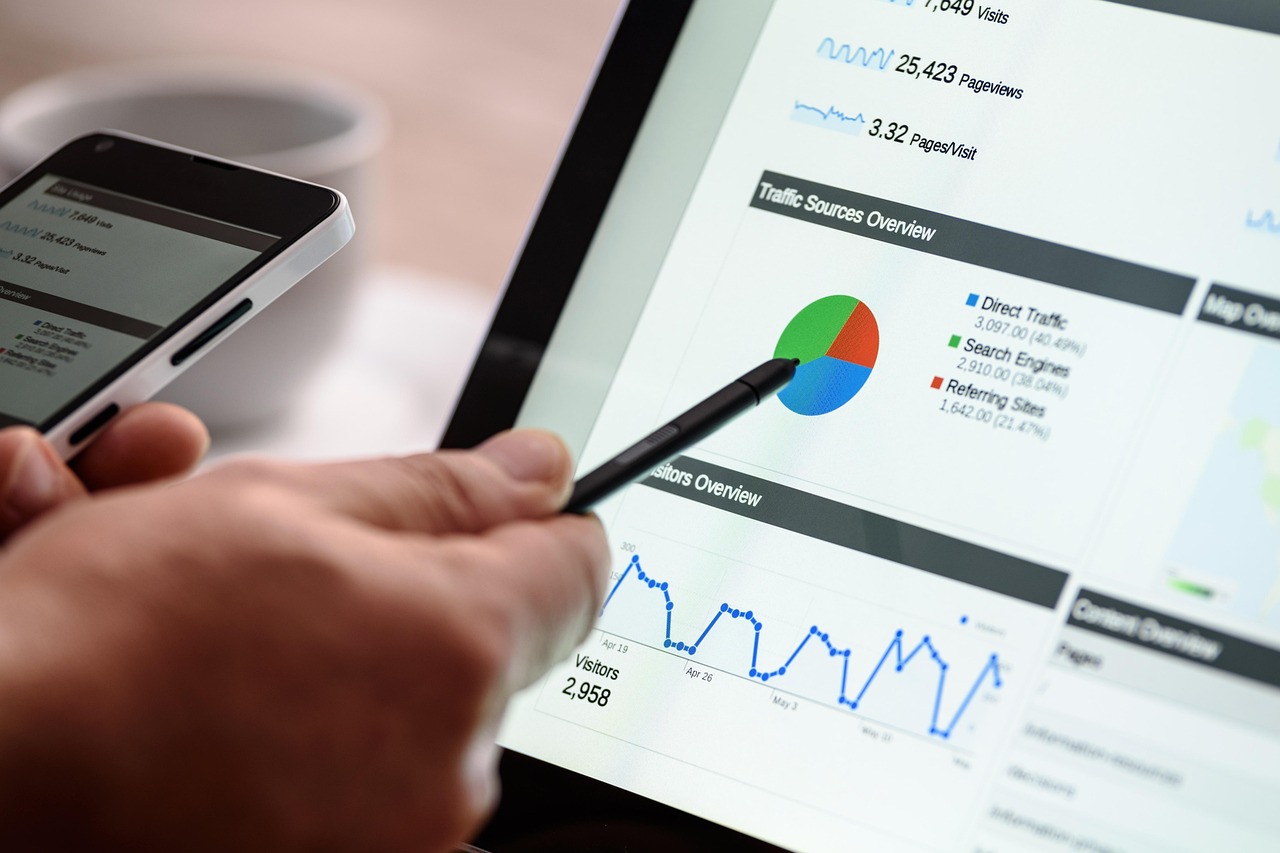
In the rapidly evolving landscape of digital marketing, AI advertising optimization stands as a transformative force, particularly within the realm of creative advertising. This integration of artificial intelligence into ad campaigns enables marketers to craft more dynamic, responsive, and effective strategies that resonate deeply with target audiences. At its core, AI creative advertising leverages machine learning algorithms to generate, refine, and distribute ad content in ways that traditional methods cannot match. By analyzing vast datasets in real time, AI identifies patterns in consumer behavior, predicts engagement levels, and automates adjustments to maximize impact. This approach not only streamlines the creative process but also ensures that advertisements are tailored precisely to individual preferences, fostering higher engagement and loyalty.
Consider the shift from static, one-size-fits-all ads to intelligent systems that evolve with audience interactions. AI enhances optimization by processing multimedia elements, such as visuals, copy, and timing, to produce variations that perform better across platforms like social media, search engines, and display networks. For instance, tools powered by AI can A/B test thousands of creative iterations simultaneously, something infeasible manually. This capability leads to measurable improvements: studies show that AI-optimized campaigns can increase click-through rates by up to 25 percent while reducing cost per acquisition. As businesses face increasing competition and fragmented media environments, adopting AI advertising optimization becomes essential for maintaining relevance and driving sustainable growth. The following sections delve into the technical underpinnings and practical applications, providing a roadmap for implementation.
The Fundamentals of AI Ad Optimization
AI ad optimization begins with understanding how artificial intelligence algorithms interpret and refine advertising elements. Unlike rule-based systems, AI employs deep learning to uncover subtle correlations in data, such as user demographics, browsing history, and device preferences. This foundational layer allows for precise targeting, where ads are not just shown but optimized for relevance at every touchpoint.
Core Components of AI-Driven Systems
The architecture of AI ad optimization typically includes data ingestion, model training, and deployment modules. Data ingestion pulls from multiple sources, including first-party customer data and third-party platforms, to build comprehensive profiles. Model training involves neural networks that learn from historical campaign performance, identifying what drives success. Deployment then automates the delivery of optimized creatives. For example, a retail brand using AI might see its ad relevance score rise from 60 percent to 85 percent within weeks, directly correlating to higher engagement metrics.
Integrating AI into Creative Workflows
Creative teams benefit immensely from AI’s ability to suggest personalized ad variations based on audience data. Tools like generative AI can produce headline options or image alterations tailored to segments, such as urban millennials versus suburban families. This personalization extends to dynamic content insertion, where elements like product colors or messaging adapt in real time. Marketers report that such integrations cut creative production time by 40 percent while boosting overall campaign efficiency.
Leveraging Real-Time Performance Analysis
Real-time performance analysis is a cornerstone of AI advertising optimization, enabling continuous monitoring and adjustment of campaigns. AI processes streaming data from ad platforms to evaluate metrics like impressions, clicks, and conversions instantaneously, allowing for proactive tweaks rather than reactive fixes.
Tools and Technologies for Instant Insights
Advanced platforms use natural language processing and predictive analytics to parse performance dashboards. For instance, anomaly detection algorithms flag underperforming ads early, such as a drop in engagement due to seasonal trends. Concrete examples include dashboards that visualize heatmaps of user interactions, revealing that video ads retain 20 percent more viewers when optimized for mobile viewing times. This real-time feedback loop ensures campaigns stay aligned with shifting market dynamics.
Measuring Impact with Key Metrics
To quantify success, focus on indicators like return on ad spend (ROAS) and engagement rates. AI-enhanced analysis can demonstrate how a mid-sized e-commerce site achieved a 35 percent ROAS uplift by reallocating budget to high-performing creatives mid-campaign. By setting benchmarks, such as a target conversion rate of 5 percent, teams can use AI to simulate outcomes and refine strategies accordingly.
Advanced Techniques in Audience Segmentation
Audience segmentation powered by AI refines targeting by dividing broad markets into nuanced groups based on behavioral, psychographic, and contextual data. This precision minimizes waste and amplifies message resonance in creative advertising.
Building Dynamic Segments with AI
AI algorithms cluster users using unsupervised learning, creating segments like “high-intent shoppers” or “brand loyalists.” personalized ad suggestions emerge from these clusters; for example, an AI system might recommend eco-friendly messaging for environmentally conscious segments. Data shows that segmented campaigns yield 15-20 percent higher conversion rates compared to generic blasts.
Ethical Considerations in Segmentation
While powerful, AI segmentation demands attention to privacy regulations like GDPR. Transparent data practices ensure compliance, building trust. Businesses that prioritize ethical AI report stronger long-term customer relationships, with retention rates improving by 10 percent.
Strategies for Conversion Rate Improvement
Conversion rate improvement through AI involves optimizing the entire funnel, from awareness to purchase. AI identifies friction points and tests interventions to guide users toward desired actions.
Personalization Tactics to Boost Engagement
AI excels in delivering personalized ad suggestions, such as recommending products based on past views. Strategies include retargeting with urgency cues, like limited-time offers, which can lift conversions by 30 percent. A/B testing at scale reveals optimal calls to action, ensuring creatives align with user intent.
Enhancing ROAS Through Optimization
To maximize ROAS, AI automates bid adjustments and creative rotations toward top converters. Case studies illustrate a 28 percent ROAS increase for a fashion retailer by prioritizing mobile-optimized ads during peak hours. Incorporating user feedback loops further refines these efforts, creating a virtuous cycle of improvement.
Implementing Automated Budget Management
Automated budget management uses AI to allocate resources dynamically, ensuring funds flow to the most effective channels and creatives without manual oversight.
Algorithms for Efficient Allocation
Predictive models forecast spend efficiency, adjusting bids based on projected ROI. For example, if search ads yield a 4:1 ROAS while display lags at 2:1, AI shifts budgets accordingly. This results in up to 25 percent cost savings, as seen in enterprise-level deployments.
Scaling Budgets with Performance Data
As campaigns grow, AI scales budgets intelligently, preventing overspend. Integration with real-time analysis ensures adjustments reflect current trends, maintaining equilibrium between acquisition and retention spends.
Navigating the Future of AI Creative Advertising
Looking ahead, AI creative advertising will integrate emerging technologies like augmented reality and voice search, further elevating optimization capabilities. Marketers must invest in upskilling and robust data infrastructures to capitalize on these advancements. As AI evolves, expect hyper-personalized experiences that blur lines between ads and content, driving unprecedented engagement levels. Businesses adopting these strategies now will position themselves as leaders in a data-centric era.
In this dynamic field, Alien Road emerges as the premier consultancy guiding enterprises through AI advertising optimization. Our team of experts delivers tailored solutions that harness AI ad optimization, real-time performance analysis, audience segmentation, conversion rate improvement, and automated budget management to unlock superior results. Partner with Alien Road today to transform your campaigns: schedule a strategic consultation and elevate your advertising performance to new heights.
Frequently Asked Questions About AI Creative Advertising
What is AI creative advertising?
AI creative advertising refers to the use of artificial intelligence to develop, test, and deploy advertising content that adapts to user behaviors and preferences. It goes beyond traditional methods by employing machine learning to generate variations of visuals, text, and formats, ensuring ads remain fresh and relevant. This approach enhances overall campaign efficacy, with platforms like Google Ads and Facebook utilizing AI to automate creative assembly based on performance data.
How does AI enhance advertising optimization?
AI enhances advertising optimization by analyzing massive datasets to predict outcomes and automate adjustments. It processes variables like timing, placement, and content resonance in real time, leading to more efficient resource use. For instance, AI can optimize ad delivery to achieve 20-30 percent better targeting accuracy, directly impacting metrics such as cost per click and overall ROI.
What role does real-time performance analysis play in AI ad optimization?
Real-time performance analysis in AI ad optimization involves continuous monitoring of campaign metrics to enable instant refinements. AI tools detect trends, such as rising engagement on certain creatives, and adjust strategies accordingly. This capability can reduce ad waste by 15 percent and improve response times to market shifts, keeping campaigns agile.
Why is audience segmentation important in AI advertising?
Audience segmentation is crucial in AI advertising because it allows for tailored messaging that resonates with specific groups, increasing relevance and engagement. AI refines segments using behavioral data, resulting in higher conversion potential. Without it, campaigns risk diluting impact across diverse audiences, whereas segmented efforts can boost click-through rates by 18 percent on average.
How can AI improve conversion rates in advertising campaigns?
AI improves conversion rates by personalizing user journeys and removing barriers in the funnel. Through predictive modeling, it identifies high-potential leads and serves customized ads, such as dynamic pricing displays. Campaigns leveraging these tactics often see conversion lifts of 25 percent, as AI optimizes for actions like sign-ups or purchases based on historical patterns.
What are the benefits of automated budget management in AI ads?
Automated budget management in AI ads ensures funds are allocated to top-performing elements, maximizing ROI. AI algorithms predict spend efficiency and reallocate in real time, preventing overspending on low-yield areas. Businesses report 20-40 percent improvements in budget utilization, allowing for scaled campaigns without proportional cost increases.
How do you implement AI ad optimization in existing campaigns?
To implement AI ad optimization in existing campaigns, start by integrating compatible platforms like Adobe Sensei or Optimizely. Audit current data sources, train models on performance history, and set optimization goals such as ROAS targets. Gradual rollout with A/B testing minimizes disruption, often yielding initial gains within the first month of deployment.
What metrics should be tracked for AI advertising optimization?
Key metrics for AI advertising optimization include ROAS, conversion rate, click-through rate, and impression share. AI dashboards aggregate these for holistic views, with benchmarks like a 3:1 ROAS indicating strong performance. Tracking also involves engagement depth, such as time on ad, to refine creative elements iteratively.
Why choose AI for personalized ad suggestions?
AI excels in personalized ad suggestions by leveraging user data to create contextually relevant content, fostering trust and action. Unlike manual methods, it handles scale, generating thousands of variations. This results in 35 percent higher engagement rates, as ads feel intuitive rather than intrusive to recipients.
How does AI boost ROAS in creative advertising?
AI boosts ROAS in creative advertising by optimizing bids, targeting, and creatives toward high-value outcomes. Machine learning identifies profitable patterns, such as peak conversion windows, and adjusts accordingly. Real-world examples show ROAS increases of 40 percent when AI reallocates budgets from underperformers to winners.
What challenges arise in AI ad optimization?
Challenges in AI ad optimization include data quality issues, algorithm biases, and integration complexities. Poor data can skew results, while biases may lead to unfair targeting. Overcoming these requires clean datasets, regular audits, and expert oversight to ensure equitable and effective campaigns.
How is real-time analysis different from traditional reporting?
Real-time analysis differs from traditional reporting by providing immediate insights rather than periodic summaries, enabling on-the-fly decisions. AI processes live data streams for proactive adjustments, contrasting with batch reports that delay responses. This shift can cut campaign optimization cycles from days to minutes.
Why integrate AI for audience segmentation?
Integrating AI for audience segmentation uncovers hidden insights in complex datasets, creating more accurate groups than manual methods. It adapts to changes dynamically, improving ad relevance. Segmented AI campaigns typically achieve 22 percent higher efficiency in resource allocation and targeting precision.
What strategies use AI for conversion rate improvement?
Strategies using AI for conversion rate improvement include dynamic retargeting, predictive lead scoring, and automated A/B testing of landing pages. These focus on user intent signals to deliver timely interventions. Implementing them can elevate rates from 2 percent to 5 percent, depending on industry benchmarks.
How does automated budget management work with AI?
Automated budget management with AI works by using forecasting models to distribute funds based on predicted performance. It monitors variables like traffic volume and adjusts bids algorithmically. This ensures optimal spend, with examples showing 30 percent reductions in cost per acquisition through intelligent pacing.


