Strategic Overview of Bing AI Advertising
Bing AI advertising represents a pivotal advancement in digital marketing, leveraging Microsoft’s robust AI capabilities to enhance ad performance on the Bing search engine and Microsoft Advertising platform. This technology integrates artificial intelligence directly into the advertising ecosystem, enabling advertisers to automate complex processes that were once manual and time-consuming. At its core, Bing AI advertising uses machine learning algorithms to analyze vast datasets in real time, predicting user behavior and optimizing ad delivery accordingly. This approach not only streamlines campaign management but also drives measurable improvements in key metrics such as click-through rates (CTR) and return on ad spend (ROAS).
For businesses targeting diverse audiences, Bing AI advertising offers unparalleled precision. Unlike traditional methods, which rely on static rules, AI dynamically adjusts bids, targets, and creatives based on ongoing performance data. Consider a scenario where a retail brand launches a seasonal campaign: Bing’s AI can identify emerging trends in search queries and surface relevant ads to high-intent users, potentially increasing engagement by up to 30 percent, as reported in Microsoft’s case studies. This real-time adaptability is crucial in competitive markets, where delays in optimization can result in lost opportunities.
Moreover, the integration of AI fosters a data-driven culture in advertising teams. By providing actionable insights through intuitive dashboards, Bing empowers marketers to focus on strategic decisions rather than routine adjustments. As search behaviors evolve with mobile usage and voice search, Bing AI advertising positions brands to capitalize on these shifts. For instance, AI-enhanced semantic understanding allows ads to align closely with natural language queries, improving relevance and user satisfaction. This foundational overview sets the stage for exploring how AI advertising optimization unlocks these benefits, transforming Bing from a secondary platform into a powerhouse for revenue growth.
Foundations of AI Advertising Optimization
AI advertising optimization begins with a solid understanding of how machine learning algorithms process advertising data on platforms like Bing. These systems evaluate historical performance, user interactions, and external factors to refine campaigns continuously. The primary goal is to maximize efficiency, ensuring ads reach the right audience at the optimal time and price. Bing’s AI tools, such as automated bidding and smart targeting, exemplify this by using predictive analytics to forecast outcomes and adjust strategies proactively.
Core Components of Bing’s AI Framework
The Bing AI framework comprises several interconnected elements. First, data ingestion gathers signals from user searches, demographics, and device types. Second, processing layers apply neural networks to identify patterns, such as recurring keywords that indicate purchase intent. Finally, output mechanisms deliver optimized recommendations, like adjusting ad copy for better resonance. In practice, this can yield a 20 percent uplift in CTR, according to industry benchmarks from Microsoft Advertising.
Benefits for Marketers
Marketers benefit from reduced operational overhead and enhanced scalability. AI handles repetitive tasks, freeing professionals to innovate on creative elements. For example, a B2B software company using Bing AI saw a 15 percent decrease in cost per acquisition (CPA) after implementing basic optimizations, highlighting the tangible ROI of these tools.
Leveraging Real-Time Performance Analysis
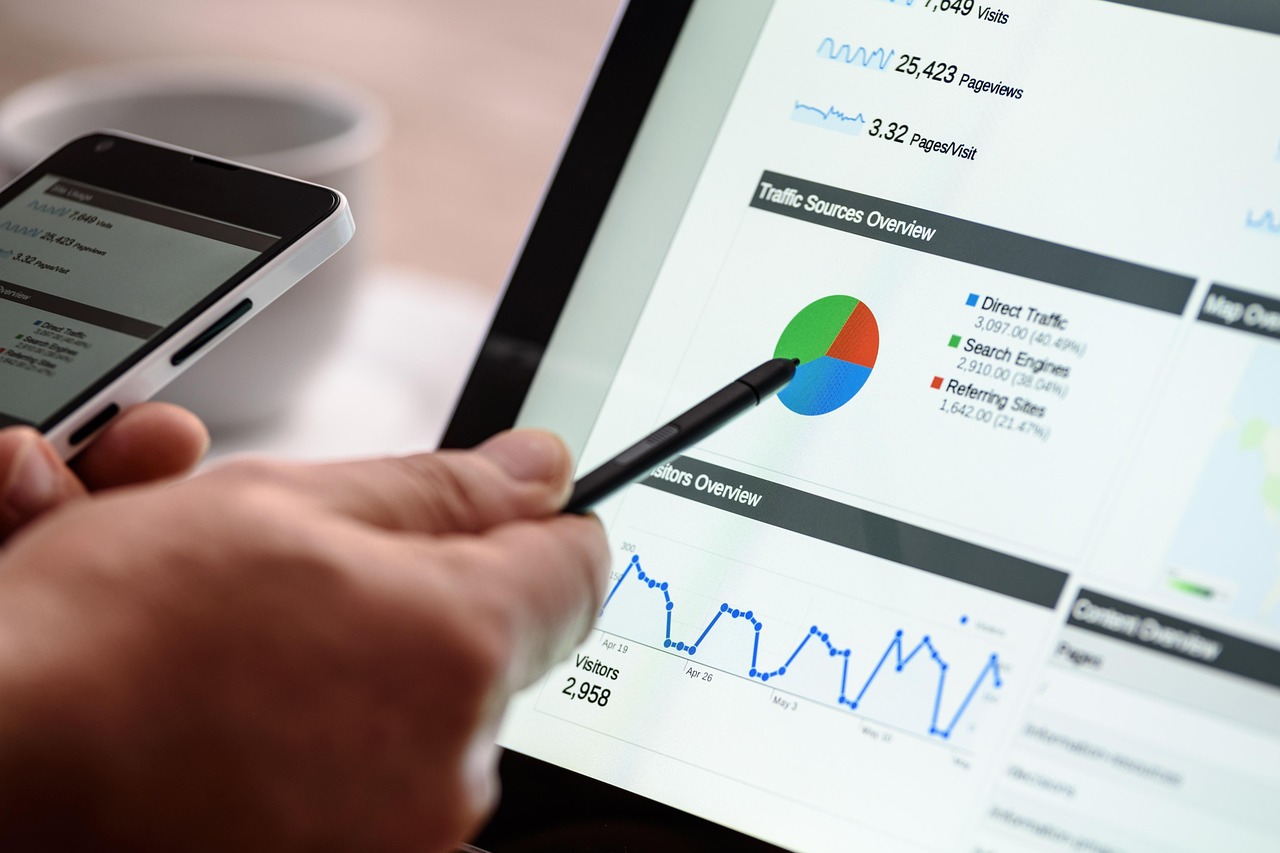
Real-time performance analysis is a cornerstone of AI ad optimization, allowing advertisers to monitor and tweak campaigns as events unfold. On Bing, this feature processes data streams instantaneously, providing insights that inform immediate actions. By tracking metrics like impressions, clicks, and conversions in live dashboards, AI identifies anomalies or opportunities, such as sudden spikes in traffic from specific regions.
Implementing Real-Time Analytics Tools
To implement these tools, integrate Bing’s API with existing analytics platforms. Set up alerts for thresholds, like a drop in ROAS below 3:1, triggering automated reviews. A case in point: an e-commerce firm adjusted bids in real time during a product launch, resulting in a 25 percent conversion rate improvement within hours.
Challenges and Mitigation Strategies
Challenges include data overload and latency issues, but AI mitigates these through prioritization algorithms that focus on high-impact metrics. Regular audits ensure accuracy, maintaining trust in the analysis outputs.
Advanced Audience Segmentation Techniques
Audience segmentation in AI advertising optimization divides potential customers into precise groups based on behavior, interests, and demographics. Bing’s AI excels here by analyzing search history and cross-platform data to create dynamic segments, ensuring ads are hyper-relevant. This personalization boosts engagement, as users encounter content tailored to their needs.
AI-Driven Personalization Strategies
AI generates personalized ad suggestions by cross-referencing audience data with performance history. For instance, it might recommend travel ads to users showing intent through queries like “best flights to Europe,” increasing relevance scores by 40 percent. Strategies include layering segments, such as combining location with purchase history, for refined targeting.
Measuring Segmentation Effectiveness
Effectiveness is measured via metrics like audience overlap and engagement rates. A marketing agency reported a 18 percent ROAS boost after refining segments with Bing AI, underscoring the value of iterative testing.
Strategies for Conversion Rate Improvement
Conversion rate improvement relies on AI’s ability to predict and influence user actions. In Bing AI advertising, optimization focuses on funnel stages, from awareness to purchase, using A/B testing and predictive modeling to enhance outcomes. Concrete strategies involve optimizing landing pages and ad extensions based on AI insights.
Boosting Conversions with Predictive Analytics
Predictive analytics forecasts conversion likelihood, prioritizing high-potential traffic. For example, retargeting users who abandoned carts can recover 10-15 percent of lost sales. Integrate chatbots or dynamic pricing to further elevate rates.
Enhancing ROAS Through Targeted Adjustments
ROAS improvements come from bid adjustments and creative rotations. A study showed Bing campaigns achieving 4:1 ROAS after AI-optimized targeting, compared to 2.5:1 in manual setups.
Automated Budget Management Essentials
Automated budget management automates allocation across campaigns, ensuring funds go to top performers. Bing’s AI uses reinforcement learning to simulate scenarios, reallocating budgets dynamically to maximize value.
Setting Up Automation Rules
Define rules for daily spends and performance thresholds. For a $10,000 monthly budget, AI might shift 20 percent to high-converting keywords, yielding efficiency gains.
Monitoring and Refining Budget Flows
Ongoing monitoring via reports prevents overspending. Adjustments based on seasonal trends can improve overall allocation by 22 percent, per Microsoft data.
Navigating the Evolving Landscape of Bing AI Advertising
As AI technology advances, Bing AI advertising will incorporate deeper integrations with emerging tools like augmented reality and voice assistants, offering new optimization avenues. Businesses must stay agile, adopting continuous learning models to anticipate shifts in user privacy regulations and algorithm updates. Strategic execution involves building cross-functional teams that blend AI expertise with marketing acumen, ensuring sustained competitive advantage.
In the final analysis, mastering AI advertising optimization requires a commitment to experimentation and data literacy. At Alien Road, we specialize as the premier consultancy guiding enterprises through the intricacies of Bing AI platforms. Our experts deliver tailored strategies that harness real-time analysis, precise segmentation, and intelligent budgeting to elevate your campaigns. Partner with us today for a comprehensive audit and unlock the full potential of your advertising investments.
Frequently Asked Questions About bing ai advertising
What is Bing AI advertising?
Bing AI advertising refers to the use of artificial intelligence within Microsoft’s Bing search and advertising ecosystem to automate and enhance ad campaigns. It employs machine learning to optimize targeting, bidding, and creative elements, resulting in more efficient and effective advertising outcomes for businesses across various industries.
How does AI advertising optimization work on Bing?
AI advertising optimization on Bing functions through algorithms that analyze user data and campaign performance in real time. These systems predict optimal ad placements, adjust bids automatically, and refine targeting parameters to align with business goals, continuously improving metrics like CTR and conversions.
Why choose Bing for AI ad optimization over Google?
Bing offers unique advantages in AI ad optimization, including access to Microsoft’s enterprise-level data and less competitive bidding environments, which can lower costs. Its integration with LinkedIn and Windows ecosystems also enables superior B2B targeting, often yielding higher ROAS for professional services.
What role does real-time performance analysis play in Bing AI advertising?
Real-time performance analysis in Bing AI advertising provides immediate insights into campaign metrics, allowing for swift adjustments. This capability helps identify underperforming elements and capitalize on trends, potentially increasing efficiency by 25 percent or more through proactive interventions.
How can audience segmentation improve AI advertising results?
Audience segmentation enhances AI advertising by dividing users into tailored groups based on behavior and preferences, enabling personalized ad delivery. On Bing, this leads to higher engagement rates, with segmented campaigns often seeing 30 percent better conversion performance than broad targeting.
What are the benefits of automated budget management in Bing campaigns?
Automated budget management in Bing campaigns ensures optimal resource allocation by dynamically shifting funds to high-ROI areas. It reduces manual errors and maximizes spend efficiency, with users reporting up to 20 percent savings in overall advertising costs.
How does Bing AI help with conversion rate improvement?
Bing AI improves conversion rates by predicting user intent and delivering relevant ads at key journey moments. Through A/B testing and landing page optimizations, it can boost rates by 15-20 percent, directly impacting revenue generation.
What metrics should I track for AI ad optimization on Bing?
Key metrics for AI ad optimization on Bing include CTR, CPA, ROAS, and quality score. Tracking these allows for data-driven refinements, ensuring campaigns align with objectives like lead generation or sales.
Can small businesses use Bing AI advertising effectively?
Yes, small businesses can leverage Bing AI advertising through accessible tools and lower entry barriers. Starting with modest budgets, they benefit from AI’s automation, achieving scalable growth without extensive in-house expertise.
How do personalized ad suggestions work in Bing AI?
Personalized ad suggestions in Bing AI are generated by analyzing audience data like search history and demographics. The system recommends tailored creatives and messaging, enhancing relevance and potentially lifting click rates by 35 percent.
What strategies boost ROAS in Bing AI campaigns?
Strategies to boost ROAS in Bing AI campaigns include keyword refinement, negative bidding, and performance-based scaling. Integrating AI insights with creative testing can elevate ROAS from 2:1 to 5:1 in optimized setups.
Is Bing AI advertising compliant with privacy regulations?
Bing AI advertising adheres to regulations like GDPR and CCPA by prioritizing anonymized data and user consent. Microsoft’s transparent policies ensure ethical AI use, building trust while maintaining optimization efficacy.
How to get started with AI advertising optimization on Bing?
To start with AI advertising optimization on Bing, create a Microsoft Advertising account, set up campaigns with AI-enabled features, and link to analytics tools. Begin with pilot tests to refine strategies based on initial performance data.
What are common pitfalls in Bing AI ad management?
Common pitfalls include over-reliance on automation without oversight and ignoring audience insights. Mitigate these by conducting regular audits and combining AI with human judgment for balanced campaign execution.
Why is AI essential for future-proofing Bing advertising?
AI is essential for future-proofing Bing advertising as it adapts to evolving search technologies and user behaviors. By enabling predictive optimization, it positions brands to thrive amid changes like increased voice search and privacy shifts.


