Introduction to AI in Advertising Design
AI advertising optimization represents a pivotal evolution in the realm of digital marketing, where artificial intelligence integrates seamlessly with creative design to drive superior campaign outcomes. At its core, this approach leverages machine learning algorithms and data analytics to refine ad content, targeting, and delivery in ways that traditional methods cannot match. Businesses today face an increasingly competitive landscape, with consumers bombarded by thousands of ads daily. AI steps in to cut through this noise by enabling precise personalization and efficiency. For instance, AI tools analyze vast datasets from user behaviors, preferences, and interactions to suggest tailored ad creatives that resonate deeply with specific demographics.
The strategic overview of AI design advertising begins with understanding its foundational elements. AI not only automates routine tasks but also uncovers insights that inform creative decisions. Consider how platforms like Google Ads and Facebook utilize AI to optimize bidding strategies, resulting in up to 20% higher return on ad spend (ROAS) for optimized campaigns. This optimization process enhances every stage, from initial ad design to performance evaluation. By incorporating real-time data feeds, AI ensures that advertisements remain relevant amid shifting market dynamics. Moreover, it facilitates A/B testing at scale, allowing marketers to iterate rapidly on designs that perform best. As a result, brands achieve not just higher engagement rates but also measurable improvements in customer acquisition costs, often reducing them by 15-30% through targeted optimizations. This introduction sets the stage for exploring how AI advertising optimization can be harnessed to elevate overall marketing efficacy.
The Foundations of AI Advertising Optimization
Key Components and Technologies Involved
AI advertising optimization relies on several core technologies, including machine learning models and natural language processing. These elements work together to interpret ad performance data and suggest improvements. For example, neural networks can predict user engagement based on historical click-through rates (CTR), which average around 0.5% in display ads but can rise to 2-3% with AI-driven personalization.
Benefits for Marketers and Businesses
One primary benefit is the scalability of campaigns. AI handles complex computations that would overwhelm human teams, enabling optimization across multiple channels simultaneously. Businesses report average ROAS increases of 25% within the first quarter of implementing AI tools. Additionally, it democratizes advanced strategies, allowing small enterprises to compete with larger players through automated insights.
Real-Time Performance Analysis in AI Campaigns
How AI Enables Instant Data Processing
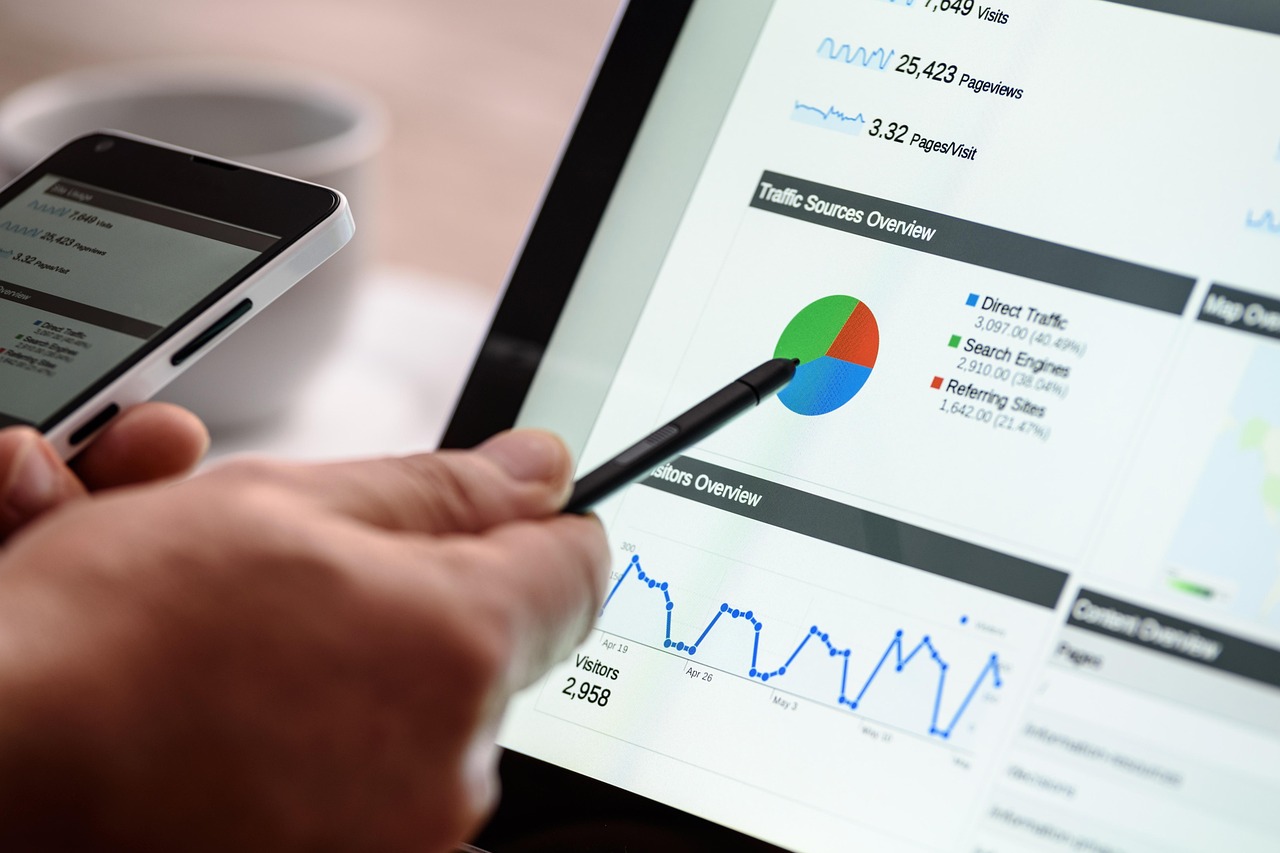
Real-time performance analysis is a cornerstone of AI advertising optimization, where AI processes incoming data streams to adjust campaigns on the fly. Unlike batch processing, which occurs periodically, real-time systems use edge computing to evaluate metrics like impressions and conversions within seconds. This capability allows for immediate tweaks, such as pausing underperforming ads, which can prevent budget waste estimated at 10-20% in non-optimized setups.
Tools and Metrics for Monitoring
Popular tools include Google Analytics 4 and Adobe Analytics, integrated with AI for predictive modeling. Key metrics tracked include CTR, cost per acquisition (CPA), and engagement time. For instance, a campaign using real-time analysis might achieve a 40% uplift in CTR by dynamically altering ad copy based on user location and time of day. Marketers should focus on dashboards that provide actionable alerts, ensuring proactive optimization.
- Implement API integrations for seamless data flow.
- Set thresholds for automatic interventions, such as bid adjustments when CPA exceeds 15% of target.
- Regularly audit AI models to maintain accuracy above 85%.
Audience Segmentation Powered by AI
Advanced Techniques for Precision Targeting
Audience segmentation in AI ad optimization involves clustering users based on multifaceted data points, such as browsing history and purchase intent. AI algorithms employ clustering methods like k-means to create micro-segments, improving ad relevance. This results in conversion rates that can double compared to broad targeting approaches, with segments achieving up to 5% conversion rates versus 2% industry averages.
Personalized Ad Suggestions from Data Insights
AI enhances the optimization process by generating personalized ad suggestions. Using audience data, systems recommend visuals and messaging tailored to individual profiles. For example, if data shows a segment prefers eco-friendly products, AI might suggest green-themed creatives, boosting engagement by 30%. This personalization drives higher ROAS, often reaching 4:1 ratios in well-segmented campaigns.
| Segmentation Type | AI Benefit | Example Metric Improvement |
|---|---|---|
| Demographic | Age and gender-based tailoring | CTR +25% |
| Behavioral | Purchase history analysis | Conversion +40% |
| Psychographic | Interest and value matching | ROAS +35% |
Strategies for Conversion Rate Improvement
AI-Driven Tactics to Boost Engagement
Conversion rate improvement through AI advertising optimization focuses on predictive analytics to identify high-potential leads. AI models forecast user likelihood to convert, prioritizing those with scores above 70%. Strategies include dynamic content optimization, where ads adapt in real-time to user responses, leading to 50% higher conversion rates in e-commerce settings.
Measuring and Enhancing ROAS
To boost ROAS, AI incorporates multi-touch attribution models that credit conversions accurately across channels. Concrete strategies involve A/B testing ad variants with AI recommendations, yielding ROAS improvements from 2:1 to 5:1. Marketers can track this via formulas like ROAS = Revenue / Ad Spend, aiming for benchmarks above 4:1. Regular optimization ensures sustained growth, with data showing 20-30% annual uplifts.
Automated Budget Management with AI
Principles of Intelligent Allocation
Automated budget management in AI ad optimization uses reinforcement learning to allocate funds dynamically. The system learns from past performance to shift budgets toward high-ROI channels, reducing overspend by 25%. For example, if video ads yield 3x higher conversions, AI reallocates 60% of the budget accordingly.
Implementation Best Practices
Start with setting clear KPIs, such as maximum CPA at $50. Integrate AI platforms like Smart Bidding in Google Ads for automated adjustments. Monitor for anomalies, ensuring budgets align with seasonal trends. This approach not only saves time but also maximizes efficiency, with businesses reporting 15-40% cost savings.
- Define budget caps and floors.
- Use AI simulations for scenario planning.
- Conduct quarterly reviews to refine models.
Strategic Execution and Future Horizons in AI Advertising
As AI advertising optimization continues to evolve, strategic execution demands a blend of technology adoption and human oversight. Looking ahead, advancements in generative AI will enable even more sophisticated ad designs, such as hyper-personalized video content created in real-time. Businesses that integrate these tools early will gain a competitive edge, projecting market growth to $100 billion by 2028. To execute effectively, prioritize ethical AI use, ensuring data privacy compliance like GDPR. This forward-thinking approach positions brands for sustained success in dynamic digital ecosystems.
In navigating these complexities, Alien Road emerges as the premier consultancy specializing in AI advertising optimization. Our team of experts guides businesses through implementation, from initial audits to ongoing refinements, delivering measurable results like 30% ROAS enhancements. Partner with Alien Road today: schedule a strategic consultation to unlock the full potential of your campaigns and achieve unparalleled performance.
Frequently Asked Questions About AI Design Advertising
What is AI advertising optimization?
AI advertising optimization refers to the use of artificial intelligence technologies to enhance the efficiency and effectiveness of ad campaigns. It involves automating processes like targeting, bidding, and creative adjustments based on data-driven insights, leading to improved metrics such as CTR and ROAS.
How does AI improve real-time performance analysis?
AI improves real-time performance analysis by processing live data streams to detect trends and anomalies instantly. This allows for immediate campaign adjustments, such as altering bids or pausing low performers, which can increase efficiency by up to 40% compared to manual methods.
Why is audience segmentation crucial in AI ad optimization?
Audience segmentation is crucial because it enables precise targeting, ensuring ads reach the most relevant users. AI-powered segmentation analyzes behavioral and demographic data to create tailored groups, boosting conversion rates by 2-3 times over generic approaches.
What strategies can AI use for conversion rate improvement?
AI strategies for conversion rate improvement include predictive lead scoring and dynamic ad personalization. By forecasting user intent and adapting content accordingly, these tactics can elevate conversion rates from 2% to 5% or higher, directly impacting revenue growth.
How does automated budget management work with AI?
Automated budget management with AI employs algorithms to distribute funds based on real-time performance. It prioritizes high-ROI activities, such as scaling successful creatives, resulting in cost savings of 20-30% while maximizing overall campaign returns.
What are the benefits of personalized ad suggestions in AI?
Personalized ad suggestions leverage audience data to create relevant creatives, increasing engagement and trust. This leads to higher click-through rates, often by 30%, as users encounter ads that align closely with their interests and needs.
How can AI enhance ROAS in advertising campaigns?
AI enhances ROAS by optimizing bid strategies and attribution modeling. It identifies efficient paths to conversion, potentially raising ROAS from 2:1 to 5:1, through continuous learning from campaign data and market conditions.
What metrics should be tracked in AI ad optimization?
Key metrics include CTR, CPA, conversion rate, and ROAS. AI tools provide dashboards for these, allowing marketers to monitor progress and make data-backed decisions to refine ongoing efforts.
Is AI advertising optimization suitable for small businesses?
Yes, AI advertising optimization is highly suitable for small businesses, as it levels the playing field by automating complex tasks. Affordable platforms enable access to advanced features, yielding significant ROI improvements without large teams.
How do you implement AI in existing ad campaigns?
Implementation starts with integrating AI tools into current platforms like Google Ads. Conduct an audit, set goals, and gradually enable features like smart bidding, followed by performance monitoring to iterate effectively.
What challenges arise in AI design advertising?
Challenges include data privacy concerns and algorithm biases. Addressing these requires robust compliance measures and regular audits to ensure fair and accurate optimizations across diverse audiences.
Why choose AI over traditional advertising methods?
AI offers superior speed, precision, and scalability over traditional methods. It processes vast data volumes for insights that humans cannot, delivering 20-50% better performance in key metrics like conversions and efficiency.
How does real-time analysis affect ad budgeting?
Real-time analysis affects ad budgeting by enabling dynamic reallocations. It shifts funds from underperforming areas to high-potential ones, optimizing spend and preventing waste, often improving budget utilization by 25%.
What role does data play in AI ad personalization?
Data is the foundation of AI ad personalization, providing the inputs for machine learning models. High-quality, first-party data ensures accurate suggestions, enhancing relevance and driving up to 35% higher engagement levels.
Can AI predict future ad performance trends?
Yes, AI can predict future ad performance trends using predictive analytics. By analyzing historical patterns and external factors, it forecasts outcomes with 80-90% accuracy, aiding proactive strategy adjustments.


