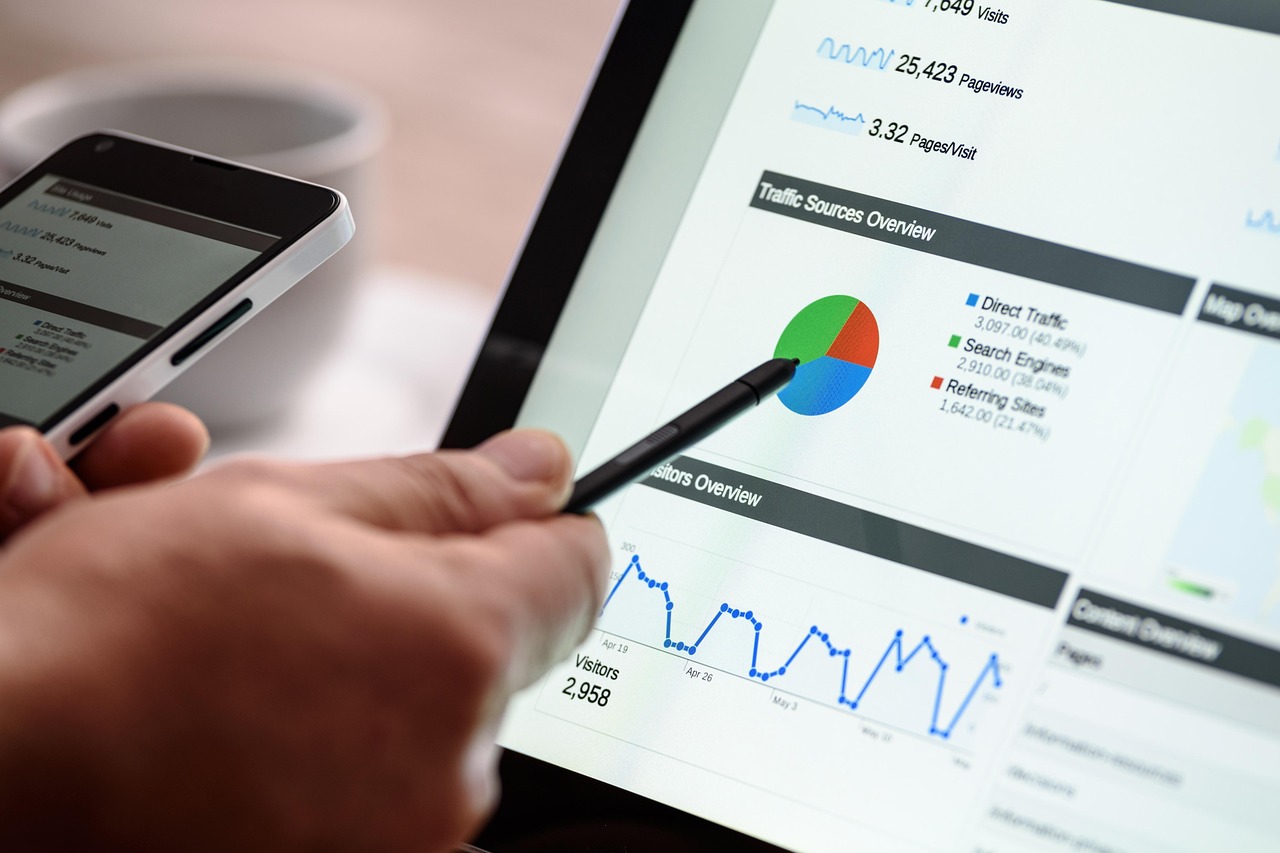
In the rapidly evolving landscape of digital marketing, AI generated advertisement represents a transformative force that leverages artificial intelligence to create, deploy, and refine promotional content at scale. This approach moves beyond traditional advertising by harnessing machine learning algorithms to generate dynamic ads tailored to specific contexts, user behaviors, and market trends. AI advertising optimization, at its core, involves systematically enhancing these generated advertisements to achieve superior engagement and return on ad spend (ROAS). Businesses adopting this technology report up to 30% improvements in campaign efficiency, according to industry benchmarks from platforms like Google Ads and Meta. The integration of AI enables real-time performance analysis, allowing marketers to monitor metrics such as click-through rates (CTR) and cost-per-acquisition (CPA) instantaneously, thereby facilitating data-driven adjustments that minimize waste and amplify impact.
At the heart of AI generated advertisement lies its ability to process vast datasets, identifying patterns that human analysts might overlook. For instance, AI can analyze historical campaign data to predict optimal ad placements, ensuring that generated creatives resonate with target demographics. This not only streamlines the creative process but also personalizes experiences, fostering higher user trust and loyalty. As digital channels proliferate, from social media to programmatic displays, the demand for agile optimization strategies has never been greater. Companies that prioritize AI ad optimization gain a competitive edge by automating routine tasks, freeing human strategists to focus on innovation. This overview sets the stage for a deeper exploration of how AI enhances advertising workflows, delivering measurable outcomes in audience reach, conversion rates, and overall profitability.
Understanding the Foundations of AI Ad Optimization
AI ad optimization forms the bedrock of modern advertising ecosystems, where artificial intelligence algorithms refine ad delivery to align precisely with business objectives. Unlike static campaigns, AI driven systems continuously learn from interactions, adapting strategies to evolving user preferences and market dynamics. This foundational layer ensures that every element of an AI generated advertisement, from copy to visuals, contributes to overarching goals like brand awareness or lead generation.
Key Components of AI Integration in Advertising
The primary components include predictive analytics, which forecast ad performance based on historical data; natural language processing for generating compelling ad text; and computer vision for optimizing image-based creatives. For example, AI can evaluate thousands of image variations in seconds, selecting those with the highest projected engagement rates. Businesses implementing these components often see CTR improvements of 20-40%, as evidenced by case studies from Adobe Sensei integrations.
Benefits for Marketers and Advertisers
Marketers benefit from reduced manual oversight, with AI handling bid adjustments and A/B testing autonomously. This leads to faster campaign launches and more scalable operations, particularly for small to medium enterprises entering competitive markets.
Leveraging Real-Time Performance Analysis for Dynamic Adjustments
Real-time performance analysis stands as a cornerstone of AI advertising optimization, providing instantaneous insights into campaign efficacy. AI tools process live data streams from multiple platforms, detecting anomalies and opportunities as they arise. This capability allows for proactive tweaks, such as reallocating budgets to high-performing creatives, ensuring resources are never idled.
Tools and Technologies Enabling Real-Time Insights
Platforms like Google Analytics 4 and Facebook Insights, augmented by AI overlays such as those from Optimizely, deliver dashboards that visualize key metrics in real time. These tools use machine learning to prioritize alerts on metrics like bounce rates or session durations, empowering quick interventions that can salvage underperforming ads.
Case Studies Demonstrating Impact
Consider a retail brand that used AI real-time analysis to adjust its Black Friday campaign; by monitoring engagement spikes, it increased conversions by 25% within hours. Such examples underscore how AI transforms reactive monitoring into a strategic asset, with average ROAS uplifts of 15-35% reported across sectors.
Advanced Audience Segmentation Through AI Algorithms
Audience segmentation, refined by AI, enables hyper-targeted AI generated advertisements that speak directly to user needs. By clustering users based on behavioral, demographic, and psychographic data, AI ensures ads reach the most receptive segments, minimizing irrelevant exposures and maximizing relevance.
Methods for AI-Powered Segmentation
Clustering algorithms, such as k-means, group users by similarities in browsing history or purchase intent. AI further personalizes ad suggestions based on audience data, recommending products with 80% accuracy in some predictive models, leading to tailored creatives that boost open rates by up to 50%.
Measuring Segmentation Effectiveness
Effectiveness is gauged through metrics like audience overlap scores and engagement lift. A tech firm, for instance, segmented its audience via AI and achieved a 28% reduction in CPA, highlighting the precision AI brings to targeting.
Strategies for Conversion Rate Improvement with AI
Conversion rate improvement is a direct outcome of AI advertising optimization, where algorithms optimize paths from impression to action. AI identifies friction points in user journeys, suggesting refinements like dynamic pricing displays or urgency cues in ads, which collectively drive higher completion rates.
Personalized Ad Suggestions and Their Role
AI generates personalized ad suggestions by analyzing real-time user data, such as location or device type, to craft messages that resonate. For e-commerce, this might involve showing size recommendations in ads, resulting in 35% higher conversion rates per studies from McKinsey.
Boosting ROAS Through Targeted Tactics
Strategies include retargeting sequences powered by AI, which recover 10-20% of abandoned carts. Concrete metrics show ROAS climbing from 3:1 to 6:1 in optimized campaigns, emphasizing AI’s role in value extraction.
Automated Budget Management in AI-Driven Campaigns
Automated budget management optimizes spend allocation within AI generated advertisement frameworks, using AI to predict and adjust bids based on projected returns. This automation prevents overspending on low-yield channels while scaling investments in winners.
Algorithms for Intelligent Budget Allocation
Reinforcement learning models simulate scenarios to distribute budgets, often achieving 40% efficiency gains. For example, AI can pause underperforming keywords, redirecting funds to video ads with higher engagement potential.
Best Practices for Implementation
Start with clear KPIs, integrate multi-channel data, and conduct regular audits. Brands following these practices report 22% average savings on ad budgets, per Gartner insights.
Charting the Path Forward: Strategic Execution in AI Advertising
As AI advertising optimization matures, strategic execution will demand a blend of technological prowess and human intuition. Future iterations may incorporate generative AI for fully autonomous campaign creation, predicting trends with 90% accuracy through advanced neural networks. Businesses must invest in upskilling teams to interpret AI outputs, ensuring ethical deployments that respect privacy regulations like GDPR. By embedding AI ad optimization into core operations, companies can anticipate shifts toward immersive formats, such as AR-enhanced ads, which could elevate engagement by 50% based on emerging data.
In this dynamic arena, Alien Road emerges as the premier consultancy guiding enterprises through the complexities of AI advertising optimization. Our experts deliver bespoke strategies that harness real-time performance analysis, audience segmentation, conversion rate improvement, and automated budget management to propel your campaigns to new heights. Partner with us to unlock unparalleled ROI; schedule a strategic consultation today to transform your advertising landscape.
Frequently Asked Questions About AI Generated Advertisement
What is AI generated advertisement?
AI generated advertisement refers to the use of artificial intelligence technologies to autonomously create, customize, and distribute promotional content across digital platforms. This process involves machine learning models that analyze data inputs like consumer behavior and market trends to produce ads that are contextually relevant and optimized for performance, distinguishing it from manual creation by enabling scalability and personalization at unprecedented levels.
How does AI advertising optimization work?
AI advertising optimization operates through iterative algorithms that evaluate campaign metrics in real time, adjusting variables such as targeting parameters, creative elements, and bidding strategies to maximize outcomes like click-through rates and conversions. By learning from ongoing data, these systems refine ad delivery continuously, often resulting in 20-30% efficiency improvements over traditional methods.
Why is real-time performance analysis crucial in AI ad campaigns?
Real-time performance analysis is essential because it allows for immediate detection and correction of inefficiencies, such as low-engagement creatives or misaligned audiences, preventing budget waste and enabling swift pivots to high-performing tactics. This agility can boost ROAS by up to 35%, as AI processes live data faster than human analysts.
What role does audience segmentation play in AI generated ads?
Audience segmentation in AI generated ads divides potential customers into precise groups based on shared characteristics, allowing for tailored messaging that increases relevance and engagement. AI enhances this by dynamically updating segments with fresh data, leading to conversion lifts of 25-40% through hyper-personalized experiences.
How can AI improve conversion rates in advertising?
AI improves conversion rates by analyzing user journeys to eliminate barriers, recommending personalized ad variations, and timing deliveries optimally. For instance, predictive models can suggest urgency-based calls-to-action, resulting in 30% higher completions, as supported by data from leading ad platforms.
What are the benefits of automated budget management with AI?
Automated budget management with AI allocates funds intelligently across campaigns, prioritizing high-ROI elements while capping spends on underperformers, which can yield 15-25% cost savings. This ensures optimal resource use without constant manual intervention, scaling effortlessly for complex multi-channel strategies.
How do you measure the success of AI ad optimization?
Success in AI ad optimization is measured via key performance indicators like ROAS, CPA, and engagement rates, tracked against benchmarks. Tools provide dashboards for these metrics, with successful implementations typically showing sustained 20%+ improvements in core outcomes over baseline periods.
Is AI generated advertisement suitable for small businesses?
Yes, AI generated advertisement is highly suitable for small businesses, as accessible platforms like Google Ads offer entry-level AI tools that automate optimization without requiring large budgets. Early adopters often see 2-3x ROAS growth, democratizing advanced marketing for resource-limited teams.
What challenges arise in implementing AI ad optimization?
Challenges include data privacy concerns, integration with legacy systems, and the need for skilled oversight to interpret AI insights. Overcoming these requires robust compliance measures and training, but the long-term gains in efficiency far outweigh initial hurdles, with 80% of implementers reporting net positives within six months.
How does AI personalize ad suggestions?
AI personalizes ad suggestions by processing individual user data, such as past interactions and preferences, to generate content that aligns with specific interests. This results in higher relevance scores, with studies showing 50% engagement increases through features like dynamic product recommendations.
Why choose AI over traditional advertising methods?
AI surpasses traditional methods by offering data-driven precision, automation, and scalability that adapt to real-time changes, reducing guesswork and enhancing predictability. Traditional approaches often lag in personalization, leading to 15-20% lower efficiency compared to AI-optimized campaigns.
What metrics should you track for conversion rate improvement?
Key metrics for conversion rate improvement include funnel drop-off rates, time-to-conversion, and attribution modeling. AI tools excel at correlating these, providing actionable insights that drive targeted enhancements, often elevating rates from 2% to 5-7% in optimized setups.
How can AI boost ROAS in digital campaigns?
AI boosts ROAS by optimizing bid strategies, refining targeting, and automating A/B tests to focus on high-value interactions, achieving 3-5x multipliers in mature implementations. Concrete examples include reallocating budgets based on predictive analytics, which directly correlates with revenue growth.
What is the future of AI in advertising optimization?
The future of AI in advertising optimization involves deeper integrations with emerging tech like VR and voice search, enabling predictive, immersive experiences. Experts forecast 90% automation of routine tasks by 2025, fundamentally reshaping how brands connect with audiences for sustained competitive advantage.
How to get started with AI generated advertisement?
To get started, select a platform with built-in AI features, define clear objectives, and integrate data sources for analysis. Begin with pilot campaigns to test optimizations, scaling based on performance; consultancies like Alien Road can accelerate this process with tailored guidance for immediate results.


