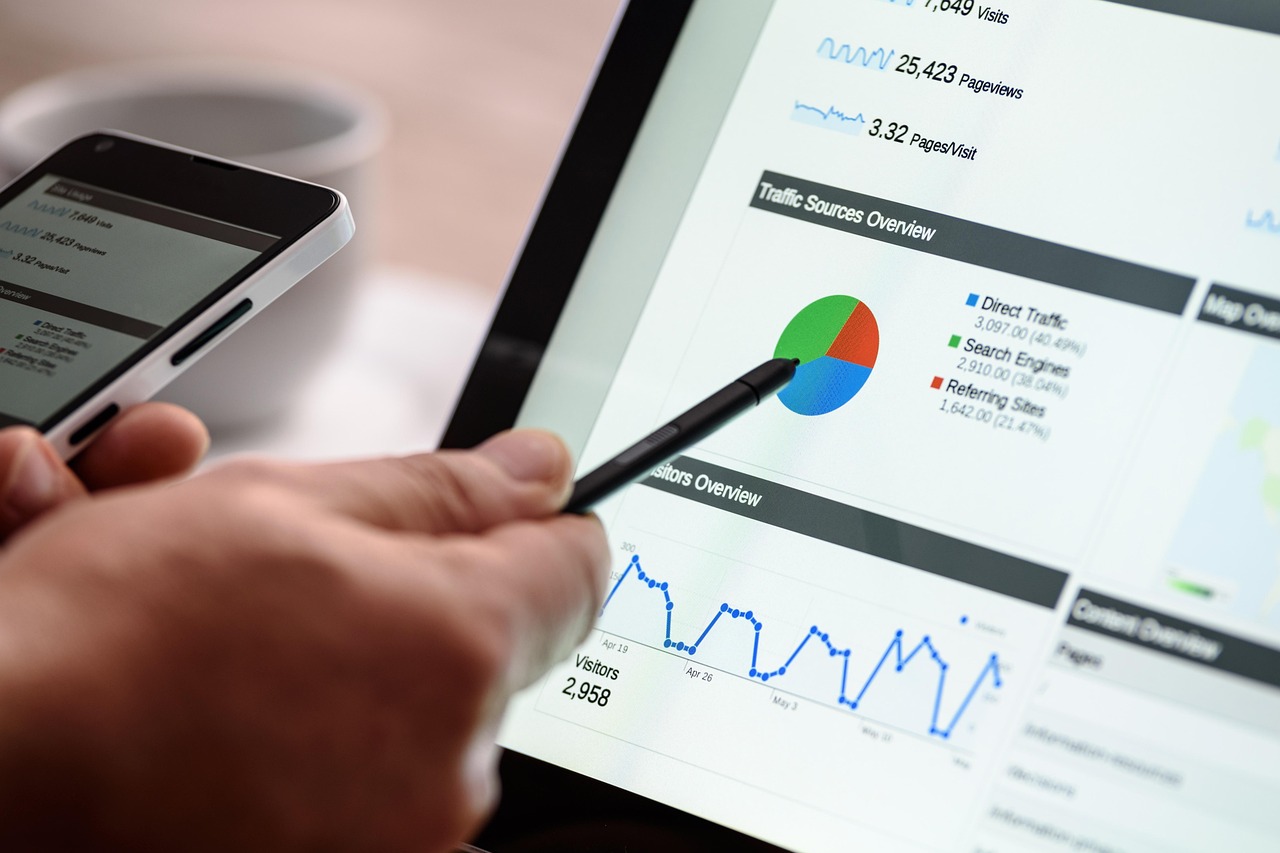
Artificial intelligence has revolutionized the advertising landscape, particularly through AI advertising optimization, which enables businesses to refine their campaigns with unprecedented precision and efficiency. For e-commerce businesses, performance marketers, advertising agencies, and growing small to medium-sized enterprises (SMEs), as well as digital marketing managers, understanding how AI is used in advertising is essential for staying competitive. This technology leverages machine learning algorithms to analyze vast datasets, predict user behavior, and automate adjustments that maximize return on ad spend (ROAS). Unlike traditional methods that rely on manual tweaks and broad assumptions, AI advertising optimization processes data in real time, identifying patterns that humans might overlook. For instance, it can dissect consumer interactions across platforms like Google Ads, Facebook, and programmatic networks to allocate resources where they yield the highest engagement. This strategic integration not only reduces waste but also enhances personalization, ensuring ads resonate deeply with target audiences. As advertising budgets tighten and consumer expectations rise, adopting AI-driven approaches becomes a non-negotiable for sustainable growth. In the following sections, we delve into the mechanics of real-time performance analysis, audience segmentation, conversion rate improvement, and automated budget management, providing actionable insights tailored to your operational needs.
The Foundations of AI Advertising Optimization
At its core, AI advertising optimization involves deploying intelligent systems to enhance the effectiveness of ad campaigns continuously. This process begins with defining clear objectives, such as increasing click-through rates or driving sales, and then allowing AI to iterate based on performance data. For performance marketers in e-commerce, this means shifting from static ad sets to dynamic models that evolve with market conditions.
Core Algorithms Driving Optimization
Machine learning models, including neural networks and decision trees, form the backbone of AI ad optimization. These algorithms process historical data to forecast outcomes, such as which creative elements perform best under specific demographics. A practical example is Google’s Performance Max campaigns, where AI tests variations and scales winners automatically, often resulting in a 15 to 20 percent uplift in conversions for SMEs adopting the tool.
Integration with Existing Platforms
Seamless integration with ad platforms like Meta’s Advantage+ or Adobe Advertising Cloud ensures that AI advertising optimization enhances rather than disrupts workflows. Digital marketing managers can set parameters for ethical data usage, complying with regulations like GDPR, while the system handles the heavy lifting of bid adjustments and creative rotations.
Real-Time Performance Analysis in AI-Driven Advertising
Real-time performance analysis stands as a cornerstone of how AI is used in advertising, allowing for immediate insights that inform tactical shifts. This capability empowers advertising agencies to monitor key performance indicators (KPIs) such as impressions, clicks, and engagement rates as they unfold, preventing underperforming ads from draining budgets.
Key Metrics and Monitoring Tools
AI tools track metrics like cost per acquisition (CPA) and ROAS in milliseconds, using dashboards from platforms like Google Analytics 4 integrated with AI enhancements. For e-commerce businesses, this means spotting a sudden drop in mobile conversions and rerouting traffic instantly, potentially saving thousands in wasted spend.
Predictive Analytics for Proactive Adjustments
Beyond observation, AI employs predictive analytics to anticipate trends. By analyzing external factors like seasonal demand or competitor activity, it forecasts campaign trajectories. Studies from McKinsey indicate that companies using AI for real-time analysis achieve up to 30 percent higher efficiency in ad delivery, a boon for growing SMEs navigating volatile markets.
Audience Segmentation Through AI Precision
Audience segmentation benefits immensely from AI advertising optimization, enabling hyper-targeted campaigns that speak directly to user preferences. This technique divides broad audiences into nuanced groups based on behavior, interests, and demographics, fostering relevance that traditional segmentation cannot match.
Data-Driven Targeting Strategies
AI sifts through first-party data, browsing history, and purchase patterns to create segments. For performance marketers, this translates to tailoring ads for high-value customers, such as repeat buyers in e-commerce, resulting in engagement rates that can double compared to generic targeting.
Personalized Ad Suggestions Based on Insights
Building on segmentation, AI generates personalized ad suggestions, recommending products or messaging aligned with individual data. An example is Amazon’s sponsored products, where AI matches ads to search intent, boosting click-through rates by 25 percent on average and enhancing overall user experience.
Conversion Rate Improvement with AI Strategies
Conversion rate improvement is a primary goal of AI ad optimization, focusing on guiding users from impression to purchase with minimal friction. This involves optimizing landing pages, ad copy, and timing to capitalize on user readiness.
Techniques for Boosting Conversions
AI tests A/B variations in real time, prioritizing elements that drive actions. For digital marketing managers in advertising agencies, strategies include dynamic pricing adjustments in ads, which have been shown to increase conversions by 18 percent in e-commerce pilots conducted by Forrester Research.
Measuring ROAS Enhancements
To quantify success, AI tracks ROAS meticulously, often integrating with CRM systems for holistic views. Concrete metrics reveal that optimized campaigns can improve ROAS from 3:1 to 5:1, providing growing SMEs with tangible proof of investment value and scalable growth opportunities.
Automated Budget Management for Efficient Scaling
Automated budget management leverages AI to distribute funds dynamically, ensuring every dollar contributes to objectives. This eliminates guesswork, allowing businesses to scale campaigns without proportional increases in oversight.
Optimization Algorithms in Action
AI algorithms adjust bids based on predicted value, favoring high-conversion opportunities. In programmatic advertising, this can reduce CPA by 22 percent, as per Gartner reports, benefiting e-commerce platforms during peak seasons like Black Friday.
Balancing Risk and Reward
While automating, AI incorporates risk assessments to avoid overbidding on low-yield segments. Performance marketers appreciate this balance, as it supports steady ROAS growth without manual intervention, freeing time for creative strategy.
Strategizing the Evolution of AI Advertising Optimization
Looking ahead, the future of AI advertising optimization lies in deeper integrations with emerging technologies like augmented reality and voice search, promising even more immersive experiences. E-commerce businesses and advertising agencies must prepare by investing in AI literacy and robust data infrastructures to harness these advancements. As AI evolves, it will continue to democratize high-level optimization for growing SMEs, making sophisticated tactics accessible without elite resources. To execute these strategies effectively, consider partnering with experts who can audit your current setup and implement tailored AI solutions. At Alien Road, we specialize in guiding performance marketers and digital marketing managers through AI advertising optimization, delivering customized roadmaps that enhance conversions and ROAS. Contact us today for a strategic consultation to elevate your campaigns.
Frequently Asked Questions About How AI Is Used in Advertising
What is AI advertising optimization?
AI advertising optimization refers to the use of artificial intelligence technologies to enhance the performance of advertising campaigns by automating and refining processes such as targeting, bidding, and creative selection. For e-commerce businesses, this means achieving higher efficiency in ad spend, with AI analyzing data to prioritize high-impact placements and reduce inefficiencies.
How does AI improve audience segmentation in advertising?
AI improves audience segmentation by processing large datasets to identify subtle patterns in user behavior and preferences, creating more granular groups than manual methods allow. This results in ads that are highly relevant, increasing engagement for performance marketers and helping advertising agencies deliver better ROI for clients.
What role does real-time performance analysis play in AI ad optimization?
Real-time performance analysis in AI ad optimization involves continuous monitoring and adjustment of campaigns based on live data, enabling quick responses to trends. Digital marketing managers benefit from this by minimizing losses from underperforming ads and maximizing opportunities, often seeing ROAS improvements of 20 percent or more.
Why is conversion rate improvement crucial for e-commerce using AI?
Conversion rate improvement is crucial for e-commerce because AI identifies friction points in the user journey and suggests optimizations that guide visitors toward purchases. This directly boosts revenue, with studies showing AI-enhanced funnels can lift conversion rates by 15 to 30 percent for growing SMEs.
How does automated budget management work with AI in advertising?
Automated budget management with AI dynamically allocates funds to the most promising ad opportunities based on predictive models, adjusting in real time to market changes. This ensures optimal use of resources, reducing waste and supporting scalable growth for advertising agencies managing multiple client portfolios.
What are the benefits of personalized ad suggestions powered by AI?
Personalized ad suggestions powered by AI tailor content to individual user data, enhancing relevance and trust. For performance marketers, this leads to higher click-through rates and conversions, with examples from platforms like Facebook showing up to 25 percent better performance in personalized campaigns.
How can AI advertising optimization boost ROAS for SMEs?
AI advertising optimization boosts ROAS for SMEs by focusing ad spend on high-value actions through data-driven decisions, eliminating trial-and-error inefficiencies. Concrete metrics indicate potential ROAS increases from 2:1 to 4:1, providing measurable growth without requiring large budgets.
What metrics should digital marketing managers track in AI-optimized campaigns?
Digital marketing managers should track metrics like CPA, ROAS, CTR, and conversion rates in AI-optimized campaigns to evaluate effectiveness. AI tools provide dashboards that highlight these in context, allowing for informed adjustments that sustain long-term performance.
Why integrate AI with existing ad platforms for optimization?
Integrating AI with existing ad platforms streamlines optimization by leveraging platform-specific data for more accurate predictions and automations. This approach minimizes disruption for e-commerce businesses, enabling seamless enhancements that align with current workflows.
How does AI handle predictive analytics in advertising?
AI handles predictive analytics in advertising by using historical and real-time data to forecast user actions, such as likelihood of purchase. This proactive stance helps advertising agencies anticipate needs, optimizing campaigns to capitalize on predicted behaviors ahead of time.
What challenges arise when implementing AI ad optimization?
Challenges in implementing AI ad optimization include data privacy concerns and the need for quality inputs, which can affect accuracy. Growing SMEs can overcome these by starting with compliant tools and gradual scaling, ensuring benefits outweigh initial hurdles.
How is AI used for dynamic bidding in advertising?
AI is used for dynamic bidding in advertising by adjusting bids in auctions based on the estimated value of each impression, prioritizing high-conversion potential. Performance marketers see CPA reductions of up to 20 percent through this method, optimizing spend across competitive landscapes.
Why should advertising agencies adopt AI for client campaigns?
Advertising agencies should adopt AI for client campaigns to deliver superior results through precise targeting and efficiency, setting them apart in a crowded market. Clients experience faster ROI, with AI enabling agencies to manage complex campaigns with fewer resources.
What future trends in AI advertising optimization should businesses watch?
Future trends in AI advertising optimization include multimodal AI combining text, image, and video analysis for richer personalization, alongside ethical AI focusing on transparency. E-commerce businesses watching these can position themselves for innovative, user-centric advertising evolutions.
How can businesses measure the success of AI in their advertising?
Businesses can measure the success of AI in advertising by comparing pre- and post-implementation KPIs like ROAS and conversion rates, using A/B tests for validation. This data-driven evaluation ensures ongoing refinements, maximizing the technology’s impact on performance.


