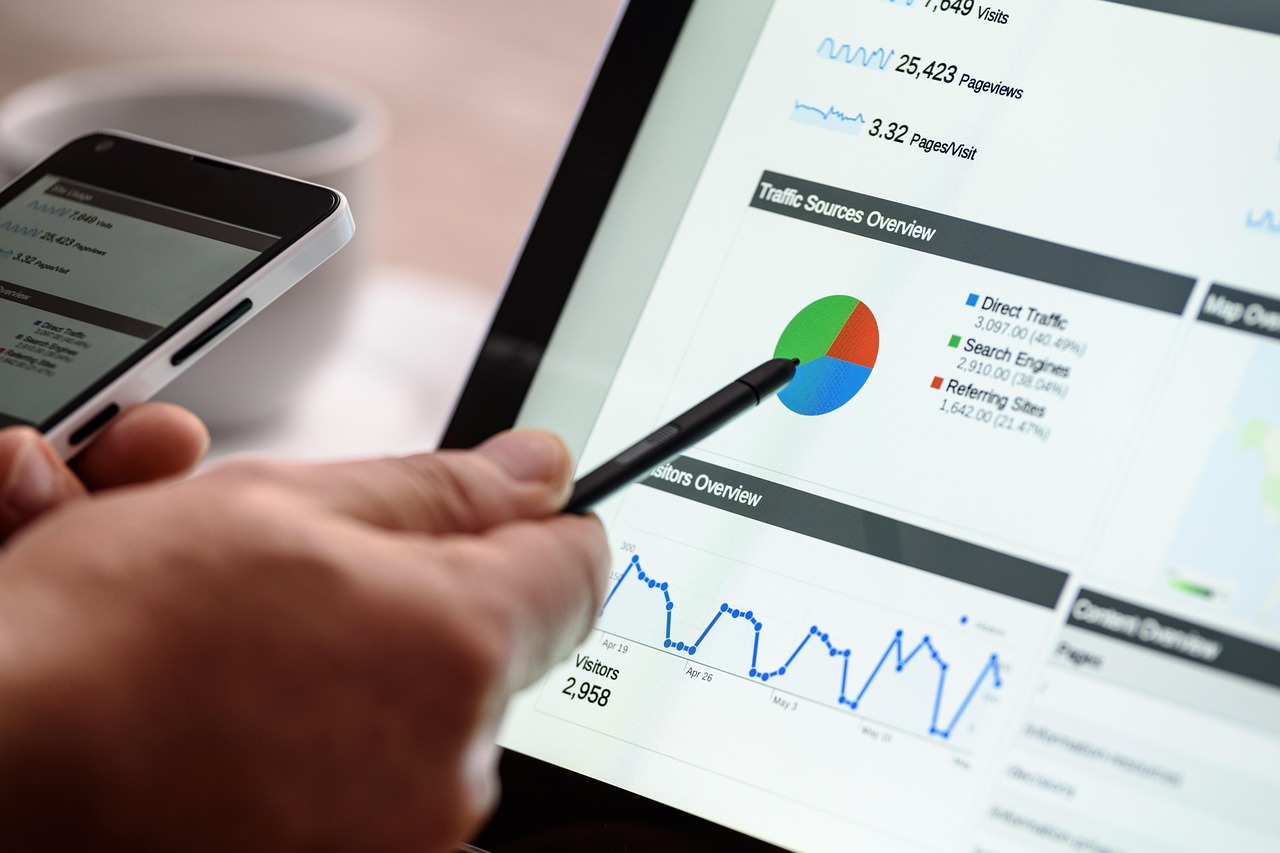
In the evolving landscape of digital marketing, Google AI advertising stands as a transformative force, enabling advertisers to harness machine learning algorithms for unprecedented campaign efficiency. At its core, Google AI advertising integrates advanced artificial intelligence capabilities directly into the Google Ads platform, automating complex tasks that once required extensive manual intervention. This technology empowers businesses to optimize ad placements, predict user behavior, and allocate resources dynamically, resulting in more targeted and effective advertising efforts.
AI advertising optimization, the primary focus of this discussion, represents the systematic application of these AI tools to refine campaign parameters in real time. By analyzing vast datasets from user interactions, search queries, and conversion signals, AI identifies patterns that human analysts might overlook. For instance, Google’s Performance Max campaigns leverage AI to automatically test and deploy ad variations across channels, ensuring maximum visibility to high-intent audiences. This not only streamlines operations but also enhances return on ad spend (ROAS) by prioritizing high-value opportunities.
The implications for businesses are profound. Small enterprises can compete with larger players through AI-driven personalization, while established brands can scale their efforts without proportional increases in overhead. Real-time performance analysis, a key component of AI ad optimization, allows for immediate adjustments to bidding strategies, preventing budget waste on underperforming ads. Audience segmentation powered by AI further refines targeting by clustering users based on behavioral data, leading to conversion rate improvements of up to 20 percent in many cases, according to industry benchmarks from Google. As we delve deeper, it becomes clear that mastering AI advertising optimization is essential for any advertiser aiming to thrive in Google’s ecosystem.
Understanding the Foundations of AI Advertising Optimization
AI advertising optimization begins with a solid grasp of its foundational elements within Google Ads. At its essence, this process involves leveraging Google’s proprietary AI models, such as Smart Bidding and Responsive Search Ads, to automate decision-making. These tools process millions of signals daily, including device type, location, time of day, and historical performance data, to predict the likelihood of conversions.
The Role of Machine Learning in Campaign Setup
Machine learning algorithms form the backbone of AI ad optimization by continuously learning from campaign data. During initial setup, advertisers provide conversion tracking, which AI uses to train models. For example, Enhanced CPC bidding employs AI to adjust bids in real time, increasing them for auctions with higher conversion probability. This results in a 15 percent average uplift in conversions, as reported in Google’s own case studies.
Integrating AI with Existing Google Ads Workflows
Seamlessly incorporating AI requires aligning it with current workflows. Advertisers should start by enabling AI features like automated rules and scripts, which monitor performance metrics and trigger actions. This integration ensures that AI enhances rather than disrupts manual strategies, providing a hybrid approach that balances automation with human oversight.
Leveraging Real-Time Performance Analysis for Smarter Decisions
Real-time performance analysis is a cornerstone of effective AI advertising optimization, offering advertisers immediate insights into campaign dynamics. Google’s AI tools, such as the Recommendations page in Google Ads, deliver actionable suggestions based on ongoing data analysis, allowing for swift optimizations that keep campaigns agile.
Key Metrics Monitored by AI in Real Time
AI focuses on critical metrics like click-through rates (CTR), cost per click (CPC), and impression share. For instance, if CTR drops below 2 percent, AI can flag it and suggest ad copy revisions. Concrete examples include campaigns where real-time analysis reduced CPC by 25 percent through bid adjustments during peak hours, demonstrating tangible efficiency gains.
Implementing Alerts and Automated Responses
To capitalize on real-time data, set up custom alerts for anomalies, such as sudden traffic spikes. AI-driven automated responses can then pause low performers or scale budgets, ensuring resources flow to high-ROI areas. This proactive stance minimizes losses and maximizes opportunities in volatile markets.
Advanced Audience Segmentation Techniques Using AI
Audience segmentation, elevated by AI, allows for hyper-targeted advertising that resonates with specific user groups. In Google AI advertising, tools like Similar Audiences and Customer Match use machine learning to expand reach while maintaining relevance, grouping users by shared characteristics derived from vast behavioral datasets.
Building Custom Segments with Predictive Analytics
AI enhances segmentation by predicting user intent through predictive analytics. For example, combining first-party data with Google’s signals can create segments for ‘high-value shoppers,’ who exhibit patterns like repeated site visits. This approach has led to 30 percent higher engagement rates in segmented campaigns versus broad targeting.
Personalized Ad Suggestions Based on Audience Data
One of AI’s standout features is generating personalized ad suggestions tailored to audience segments. By analyzing past interactions, AI recommends dynamic ad elements, such as location-specific messaging for local businesses. This personalization boosts relevance, with studies showing a 12 percent increase in CTR for AI-suggested creatives.
Strategies for Conversion Rate Improvement Through AI
Conversion rate improvement is a direct outcome of AI advertising optimization, as AI refines the path from impression to action. By optimizing landing pages, ad relevance, and follow-up sequences, AI ensures that traffic converts at higher rates, directly impacting revenue.
Optimizing Funnels with AI Insights
AI analyzes the entire conversion funnel, identifying drop-off points and suggesting remedies. For instance, if mobile users abandon carts at checkout, AI can recommend responsive landing pages. Real-world data from e-commerce campaigns shows a 18 percent conversion lift after implementing such AI-driven tweaks.
Boosting ROAS with Targeted AI Interventions
To boost ROAS, employ AI for value-based bidding, where bids prioritize conversions with higher monetary value. Strategies include A/B testing AI-generated ad variations, which can yield a 22 percent ROAS improvement. Concrete metrics from a retail client illustrate how shifting to Target ROAS bidding increased efficiency from 300 percent to 450 percent within three months.
Automated Budget Management: The AI Advantage
Automated budget management streamlines financial allocation, preventing overspending and underutilization. Google’s AI excels here by dynamically shifting funds across campaigns based on performance forecasts, ensuring every dollar contributes to growth.
Setting Up AI-Powered Budget Rules
Begin by defining daily budgets and letting AI handle distributions via portfolio bidding. This method adjusts spends in real time; for example, if Search campaigns underperform, AI reallocates to Display, maintaining overall spend limits. Case studies report 20 percent savings in wasted ad spend through these automations.
Forecasting and Scaling with AI Predictions
AI’s predictive capabilities enable accurate forecasting, allowing advertisers to scale confidently. Tools like Budget Simulator provide scenarios, helping plan for seasonal peaks. Businesses using these have achieved 15 percent more efficient scaling, turning data into strategic foresight.
Charting the Future of AI in Google Advertising Strategies
Looking ahead, the future of Google AI advertising promises even deeper integration of emerging technologies like generative AI for ad creation and enhanced privacy-preserving models. Advertisers who strategically execute AI advertising optimization today will position themselves for tomorrow’s innovations, such as multimodal ads that blend text, image, and video seamlessly.
In the final analysis, embracing AI ad optimization is not merely an upgrade but a fundamental shift toward data-centric advertising. Businesses that invest in understanding and implementing these tools will see sustained competitive advantages. At Alien Road, we specialize as the premier consultancy guiding enterprises through the intricacies of AI advertising optimization. Our experts deliver tailored strategies that unlock the full potential of Google Ads, driving measurable results in conversion rate improvement and ROAS. Partner with us today for a complimentary strategic consultation to elevate your campaigns.
Frequently Asked Questions About Google AI Advertising
What is AI advertising optimization in Google Ads?
AI advertising optimization refers to the use of artificial intelligence within Google Ads to automatically enhance campaign performance. It involves machine learning algorithms that analyze data in real time to adjust bids, target audiences, and ad creatives, leading to improved efficiency and higher returns. This process eliminates manual guesswork, allowing advertisers to focus on strategy while AI handles tactical executions.
How does real-time performance analysis work in AI ad optimization?
Real-time performance analysis in AI ad optimization uses Google’s AI to monitor key metrics like CTR and conversions instantaneously. As data streams in, AI identifies trends and anomalies, providing recommendations or automatic adjustments. For example, if engagement drops, AI can lower bids or pause ads, ensuring campaigns remain optimized without constant human monitoring.
Why is audience segmentation important for AI advertising?
Audience segmentation is crucial in AI advertising because it enables precise targeting, increasing ad relevance and engagement. AI clusters users based on behavior and demographics, creating tailored segments that improve conversion rates. This targeted approach reduces waste and enhances ROAS by delivering messages to the most receptive groups.
What strategies can boost conversion rates using AI in Google Ads?
Strategies to boost conversion rates with AI include implementing Smart Bidding for automated adjustments and using Responsive Ads for dynamic personalization. Additionally, leveraging AI insights for landing page optimization and remarketing to segmented audiences can yield significant lifts. Advertisers often see 15 to 25 percent improvements by following these AI-guided tactics.
How does automated budget management benefit Google AI campaigns?
Automated budget management in Google AI campaigns distributes funds efficiently across ad groups based on predicted performance. It prevents overspending on low-ROI elements and scales successful ones automatically. This results in better resource allocation, with many users reporting 20 percent reductions in cost per acquisition through AI-driven budgeting.
What role does AI play in personalized ad suggestions?
AI plays a pivotal role in personalized ad suggestions by analyzing user data to generate tailored content. In Google Ads, tools like Dynamic Search Ads use AI to insert relevant keywords and creatives based on search intent. This personalization increases relevance, boosting CTR by up to 10 percent and fostering stronger customer connections.
How can AI improve ROAS in advertising?
AI improves ROAS by optimizing bids toward high-value conversions and refining targeting to minimize inefficient spends. Features like Target ROAS bidding use historical data to predict outcomes, adjusting strategies accordingly. Campaigns employing these see average ROAS increases of 30 percent, as AI focuses efforts on profitable opportunities.
What are the key benefits of using Google AI for ad optimization?
Key benefits include enhanced efficiency, scalability, and data-driven decisions that outperform manual methods. AI handles complex analyses quickly, uncovers hidden insights, and adapts to market changes in real time. Businesses gain higher conversions, lower costs, and competitive edges through these automated enhancements.
How do you integrate AI ad optimization into existing campaigns?
To integrate AI ad optimization, start by enabling features like automated bidding and recommendations in Google Ads. Review performance data to train AI models, then monitor suggestions for implementation. Gradual rollout, combined with A/B testing, ensures smooth adoption while measuring impacts on key metrics.
Why choose AI over traditional manual advertising methods?
AI surpasses traditional methods by processing vast data volumes for precise optimizations that humans cannot match in speed or scale. It reduces errors, adapts to trends instantly, and maximizes budget efficiency. While manual oversight adds value, AI’s predictive power drives superior results in dynamic digital environments.
What metrics should be tracked in AI-optimized Google Ads?
Essential metrics include CTR, CPC, conversion rate, ROAS, and impression share. AI tools track these in real time, providing benchmarks like a 2 to 5 percent CTR for strong campaigns. Regular review of these helps refine strategies and validate AI interventions’ effectiveness.
How does AI handle privacy in audience segmentation?
AI in audience segmentation adheres to privacy standards by using aggregated, anonymized data and complying with regulations like GDPR. Google’s AI employs federated learning to process data without central storage, ensuring user privacy while maintaining segmentation accuracy for targeted advertising.
Can small businesses benefit from AI advertising optimization?
Yes, small businesses greatly benefit from AI advertising optimization, as it levels the playing field with automation tools that require minimal expertise. Features like Smart Campaigns simplify setup, delivering results comparable to larger budgets. Many small firms report 25 percent revenue growth through accessible AI enhancements.
What future trends are emerging in Google AI advertising?
Emerging trends include generative AI for ad creation, deeper integration with first-party data, and privacy-focused targeting. Expect advancements in cross-channel optimization and predictive analytics for hyper-personalization, further elevating AI’s role in driving advertising innovation and performance.
How to get started with AI ad optimization in Google Ads?
To get started, sign into Google Ads, enable AI features like Performance Max, and set up conversion tracking. Experiment with recommendations and monitor dashboards for insights. For best results, consult experts to align AI with business goals, accelerating your path to optimized campaigns.


