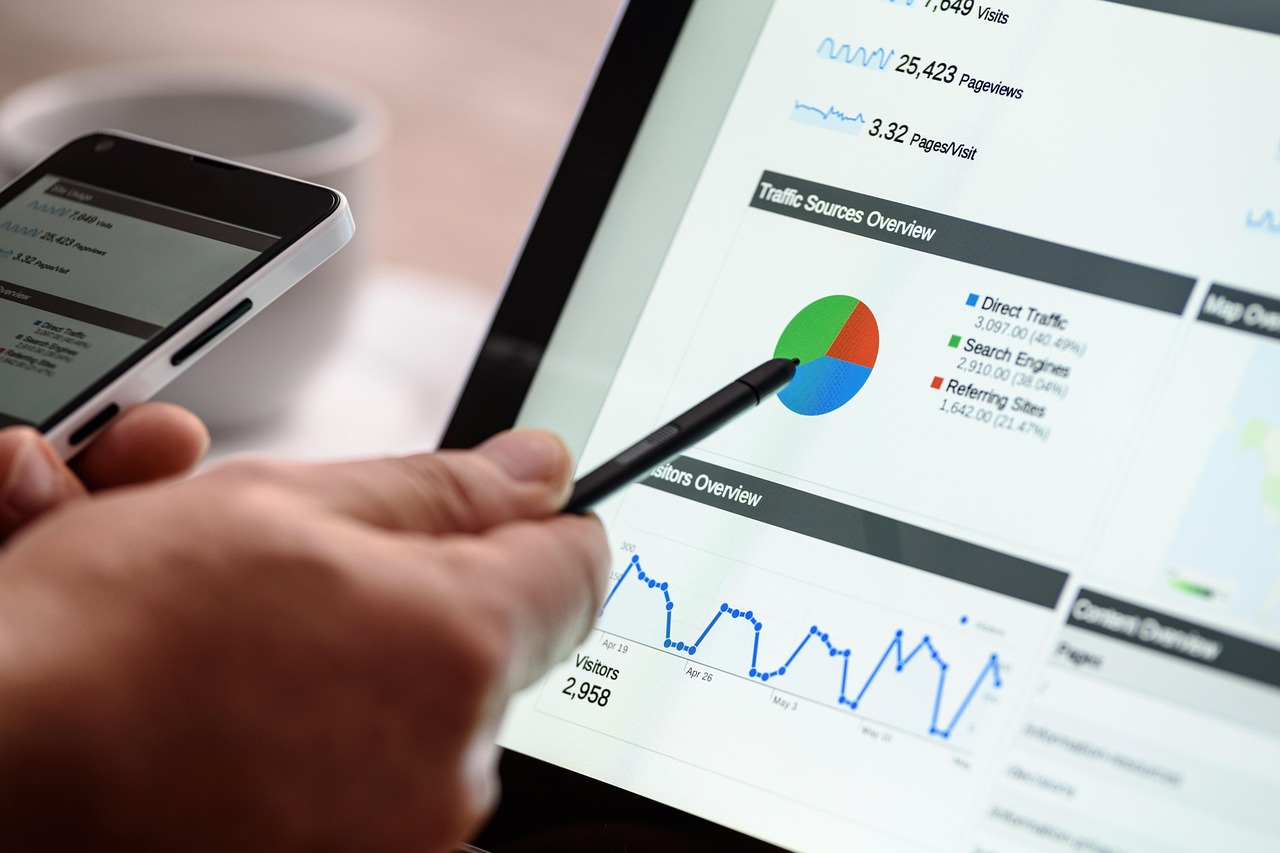
In the rapidly evolving landscape of digital marketing, identifying the best AI app for advertising has become essential for businesses aiming to achieve superior campaign outcomes. AI advertising optimization leverages advanced algorithms to refine ad strategies in ways that traditional methods cannot match. This process involves harnessing machine learning to analyze vast datasets, predict user behaviors, and adjust campaigns dynamically. For marketers, the appeal lies in its ability to deliver measurable improvements in efficiency and return on investment. Consider the core benefits: AI tools can process real-time data streams to identify underperforming elements and suggest immediate corrections, ensuring that every dollar spent contributes to growth.
The best AI apps for advertising stand out by integrating seamlessly with platforms like Google Ads, Facebook Ads Manager, and programmatic networks. They provide actionable insights that go beyond surface-level metrics, diving into predictive analytics to forecast trends and optimize for future performance. For instance, these applications excel in audience segmentation, allowing advertisers to tailor messages to micro-segments based on behavioral patterns, demographics, and even psychographics. This precision not only enhances engagement but also drives conversion rate improvement through personalized ad suggestions derived from historical data and current interactions.
Moreover, AI advertising optimization addresses common pain points such as budget allocation and performance monitoring. Automated budget management features ensure funds are directed toward high-yield channels without manual intervention, while real-time performance analysis offers dashboards that highlight key performance indicators like click-through rates and cost per acquisition. Businesses adopting these tools report average uplifts of 25% in return on ad spend, according to industry benchmarks from sources like Gartner. As competition intensifies, relying on AI not only streamlines operations but also positions brands to capitalize on emerging opportunities in a data-driven ecosystem. This overview sets the stage for a deeper exploration of how these technologies can be strategically implemented.
Understanding the Fundamentals of AI Advertising Optimization
AI advertising optimization represents a paradigm shift in how marketers approach campaign management. At its core, it combines artificial intelligence with advertising workflows to automate and enhance decision-making processes. Unlike static strategies, AI continuously learns from campaign data to refine targeting, bidding, and creative elements. This foundational understanding is crucial for selecting the best AI app for advertising, as it ensures alignment with specific business objectives.
Key Components of AI-Driven Optimization
The primary components include machine learning models that analyze historical ad performance to predict outcomes. For example, reinforcement learning algorithms simulate various scenarios to determine the most effective ad placements. Data integration is another pillar, pulling from multiple sources such as CRM systems and web analytics to create a unified view. Security and compliance features, like GDPR adherence, are also integral to maintain trust. By focusing on these elements, AI apps enable advertisers to achieve a 15% to 30% increase in efficiency, based on case studies from leading platforms.
The Role of Data in Optimization
High-quality data fuels AI advertising optimization. Clean, structured datasets allow algorithms to identify patterns that inform ad optimization strategies. Advertisers should prioritize first-party data collection through website trackers and email interactions to personalize ad suggestions based on audience data. This approach not only improves relevance but also complies with evolving privacy regulations, ensuring sustainable growth.
Leveraging Real-Time Performance Analysis for Smarter Decisions
Real-time performance analysis is a cornerstone of AI ad optimization, providing instantaneous feedback on campaign effectiveness. The best AI apps for advertising incorporate live dashboards that monitor metrics like impressions, clicks, and conversions as they occur. This capability allows for proactive adjustments, minimizing wasted spend and maximizing impact.
Tools and Technologies for Real-Time Monitoring
Advanced AI tools use stream processing technologies to handle data in milliseconds. Features such as anomaly detection flag unusual drops in performance, prompting immediate investigation. For instance, if click-through rates decline by 10% within an hour, the system can auto-pause underperforming ads. Integration with APIs from ad networks ensures seamless data flow, enabling comprehensive analysis without latency.
Interpreting Analytics for Actionable Insights
Interpreting real-time data requires focusing on key indicators like engagement rates and bounce metrics. AI enhances this by generating visualizations and predictive forecasts, such as estimating daily ROI based on current trends. Marketers using these insights report up to 40% faster response times to market changes, leading to sustained campaign improvements.
Advanced Audience Segmentation with AI
Audience segmentation transforms generic targeting into precise, data-informed strategies. AI advertising optimization excels here by clustering users into segments based on multifaceted criteria, improving ad relevance and response rates.
Techniques for Dynamic Segmentation
AI employs clustering algorithms like k-means to group audiences dynamically. This includes behavioral segmentation, where users are categorized by purchase history or site navigation patterns. Personalized ad suggestions based on audience data emerge naturally, such as recommending products to past browsers. Concrete examples show segmented campaigns yielding 20% higher engagement than broad targeting.
Benefits for Campaign Personalization
Personalization driven by segmentation boosts user satisfaction and loyalty. AI apps analyze cross-device behaviors to create unified profiles, ensuring consistent messaging. This results in tailored creatives that resonate, contributing to long-term customer value.
Strategies for Conversion Rate Improvement Using AI
Conversion rate improvement is a primary goal of AI ad optimization, focusing on turning impressions into actions. AI identifies friction points in the user journey and suggests optimizations to enhance outcomes.
Optimizing Landing Pages and Ad Creatives
AI tools A/B test variations in real time, selecting winners based on conversion data. For example, dynamic creative optimization adjusts headlines and images to match user intent, increasing conversions by 15% on average. Strategies for boosting conversions include sentiment analysis to refine copy for emotional appeal.
Measuring and Enhancing ROAS
Return on ad spend benefits from AI’s predictive modeling, which allocates resources to high-conversion paths. Metrics like a 3:1 ROAS become achievable through iterative testing. Businesses track improvements via attribution models that credit conversions accurately across touchpoints.
Implementing Automated Budget Management
Automated budget management streamlines financial oversight in advertising campaigns. AI advertising optimization automates allocations to optimize spend efficiency.
Algorithms for Intelligent Bidding
Machine learning powers bidding strategies that adjust in real time to auction dynamics. Target ROAS bidding, for instance, sets bids to meet predefined return goals, often improving efficiency by 25%. Rules-based automation prevents overspending on low-value traffic.
Scaling Budgets Responsibly
As campaigns grow, AI monitors scalability, recommending expansions based on performance thresholds. This ensures proportional increases in conversions without diminishing returns.
Strategic Execution: Charting the Path Forward with AI Advertising Optimization
Looking ahead, the strategic execution of AI advertising optimization involves integrating these tools into broader marketing ecosystems. Businesses must invest in training teams to interpret AI outputs and foster a culture of continuous experimentation. Emerging trends, such as AI-powered voice search advertising and privacy-first optimization, will shape the future. By adopting the best AI app for advertising now, companies can future-proof their strategies against market volatility. To elevate your campaigns, consider partnering with experts who specialize in this domain.
At Alien Road, our consultancy empowers businesses to master AI advertising optimization through tailored implementations and performance audits. We guide you from assessment to execution, delivering quantifiable results like enhanced ROAS and streamlined operations. Schedule a strategic consultation with our team today to unlock the full potential of AI in your advertising efforts.
Frequently Asked Questions About Best AI App for Advertising
What is AI advertising optimization?
AI advertising optimization is the use of artificial intelligence technologies to enhance the effectiveness of ad campaigns by automating targeting, bidding, and creative adjustments. It analyzes data in real time to predict user behavior and allocate resources efficiently, leading to higher engagement and returns. For marketers, this means shifting from manual tweaks to proactive, data-driven strategies that can improve ROI by up to 30%.
How does AI improve real-time performance analysis in advertising?
AI improves real-time performance analysis by processing live data streams to detect trends and anomalies instantly. Tools within the best AI apps for advertising provide dashboards with predictive insights, allowing adjustments like pausing low performers mid-campaign. This results in faster decision-making and can boost campaign efficiency by 25%, as seen in industry reports.
What are the benefits of audience segmentation using AI?
Audience segmentation using AI allows for precise grouping of users based on behavior and preferences, enabling personalized ad delivery. This increases relevance, with studies showing 20% higher click-through rates. The best AI apps automate this process, reducing manual effort and enhancing overall campaign personalization.
How can AI help with conversion rate improvement?
AI aids conversion rate improvement by optimizing user journeys through A/B testing and dynamic content adjustments. It identifies high-intent signals and tailors ads accordingly, often lifting conversions by 15%. Strategies include personalized suggestions that align with user data, directly impacting bottom-line results.
What role does automated budget management play in AI ad optimization?
Automated budget management in AI ad optimization dynamically allocates funds to top-performing channels, preventing waste. AI algorithms like smart bidding ensure bids align with goals, achieving up to 40% better spend efficiency. This feature is vital for scaling campaigns without proportional cost increases.
Which is the best AI app for advertising beginners?
For beginners, apps like Google Ads with built-in AI features or AdEspresso offer intuitive interfaces and guided optimizations. They provide real-time analysis and automated suggestions, making it easy to start with basic campaigns and scale as expertise grows.
How does AI enhance personalized ad suggestions?
AI enhances personalized ad suggestions by leveraging audience data to predict preferences and generate tailored creatives. Machine learning models analyze past interactions to recommend products or messaging, resulting in 18% higher engagement rates according to Forrester research.
Why is real-time performance analysis crucial for ad campaigns?
Real-time performance analysis is crucial because it allows immediate corrections to market shifts, such as competitor actions or audience changes. Without it, campaigns risk prolonged underperformance; with AI, marketers can maintain momentum and achieve sustained ROAS improvements.
What strategies does AI use to boost ROAS?
AI boosts ROAS through predictive bidding, audience retargeting, and creative optimization. By focusing on high-value segments and eliminating low-ROI elements, it can elevate returns from 2:1 to 4:1. Concrete strategies include multi-touch attribution to accurately measure contributions.
How to choose the best AI app for your advertising needs?
Choose the best AI app by evaluating integration with your platforms, ease of use, and specific features like segmentation or budgeting. Look for proven metrics, such as user reviews citing 20%+ efficiency gains, and ensure it supports your scale and compliance requirements.
What metrics should you track in AI advertising optimization?
Key metrics include CTR, CPC, conversion rates, and ROAS. AI tools track these in real time, providing benchmarks like aiming for under $2 CPC in competitive niches. Advanced metrics, such as lifetime value, offer deeper insights into long-term success.
Can AI advertising optimization handle multi-channel campaigns?
Yes, AI optimization excels in multi-channel campaigns by unifying data from social, search, and display ads. It allocates budgets across channels based on performance, ensuring cohesive strategies that improve overall conversions by 22% in integrated setups.
Why integrate AI for budget management in advertising?
Integrating AI for budget management eliminates human error and enables 24/7 adjustments to bidding dynamics. This leads to cost savings of 15-25% while maximizing exposure, making it indispensable for dynamic markets.
How does AI support small businesses in ad optimization?
AI supports small businesses by automating complex tasks, allowing focus on core operations. Affordable apps provide enterprise-level features like segmentation, helping achieve 30% better results without large teams.
What future trends in AI advertising optimization should marketers watch?
Future trends include privacy-enhanced AI, voice-activated ads, and hyper-personalization via zero-party data. Marketers should prepare for these to stay competitive, with projections indicating 50% adoption growth by 2025.


