Understanding AI Advertising Optimization
AI advertising optimization represents a transformative approach to digital marketing, where artificial intelligence algorithms process vast datasets to refine ad campaigns dynamically. This technology shifts advertising from static, rule-based executions to intelligent, adaptive strategies that respond to user behaviors and market fluctuations in real time. Businesses leveraging AI ad optimization report significant improvements in efficiency, with campaigns achieving up to 30% higher return on ad spend (ROAS) compared to traditional methods, according to industry benchmarks from platforms like Google Ads and Facebook Business. At its core, AI advertising optimization integrates machine learning models to predict outcomes, allocate resources, and personalize content, ensuring that every dollar spent contributes to measurable growth.
The integration of AI in advertising begins with data ingestion from multiple sources, including user interactions, demographic profiles, and competitive landscapes. These inputs fuel predictive analytics that forecast ad performance before launch, allowing marketers to preemptively adjust creatives and targeting. For instance, AI can analyze historical click-through rates (CTR) exceeding 2.5% in specific segments to prioritize high-potential audiences, reducing waste on underperforming placements. This strategic overview underscores how AI empowers advertisers to move beyond intuition, embracing data-driven precision that aligns with evolving consumer expectations and regulatory demands for transparency.
Moreover, the adoption of AI advertising optimization addresses key challenges in fragmented media ecosystems. With over 5 billion daily digital ad impressions globally, manual oversight becomes impractical. AI streamlines this complexity by automating routine tasks, such as A/B testing variants at scale, which can yield insights 10 times faster than human analysis. As businesses navigate privacy regulations like GDPR, AI ensures compliant data usage while maximizing personalization, fostering trust and long-term engagement. This foundational shift not only enhances operational efficiency but also positions brands for sustainable competitive advantage in a landscape where adaptability defines success.
The Role of Real-Time Performance Analysis in AI Ad Optimization
Real-time performance analysis forms the backbone of AI advertising optimization, enabling continuous monitoring and adjustment of campaigns as they unfold. Unlike periodic reports, this capability processes live data streams to detect anomalies, such as a sudden drop in engagement from 15% to 5% within minutes, and triggers immediate corrective actions. AI algorithms employ techniques like anomaly detection and reinforcement learning to evaluate metrics including impressions, clicks, and conversions instantaneously, ensuring campaigns remain aligned with objectives.
Key Metrics Tracked in Real-Time
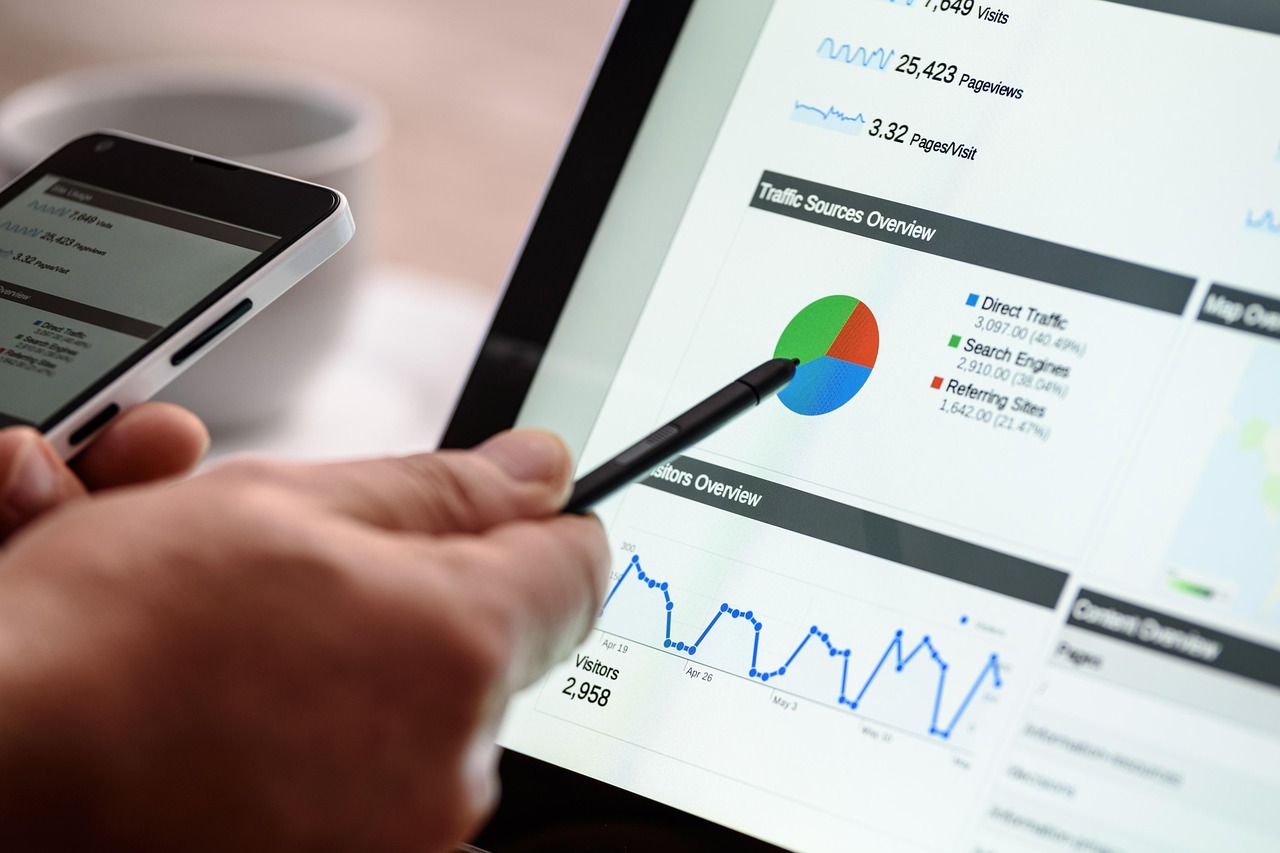
In real-time performance analysis, AI prioritizes metrics that directly influence ROI. For example, CTR and cost per acquisition (CPA) are scrutinized against benchmarks; a campaign with a CPA under $10 might signal optimization opportunities for scaling. Tools integrated with AI dashboards visualize these trends via interactive charts, allowing marketers to correlate spikes in mobile traffic with a 20% uplift in conversions. This granular visibility eliminates guesswork, as AI cross-references external factors like weather or events to contextualize performance dips.
Implementing Real-Time Adjustments
To implement real-time adjustments, AI systems use predictive modeling to simulate outcomes. Consider a scenario where an ad variant underperforms by 12% in engagement; the system automatically reallocates budget to superior creatives, potentially recovering 18% more leads. Businesses adopting this approach have seen ROAS improve by 25%, per case studies from Adobe Analytics. The process involves setting thresholds, such as pausing ads below a 1% CTR, to maintain quality without human intervention.
Enhancing Audience Segmentation with AI
Audience segmentation, a cornerstone of AI ad optimization, leverages machine learning to divide broad user bases into precise cohorts based on behavior, preferences, and intent. This method surpasses traditional demographics by incorporating psychographic data, resulting in campaigns that resonate 40% more effectively, as evidenced by Nielsen reports. AI processes signals like browsing history and purchase intent to create dynamic segments that evolve with user actions.
Building Personalized Ad Suggestions
Personalized ad suggestions emerge from AI’s analysis of audience data, tailoring content to individual profiles. For instance, if a segment shows affinity for eco-friendly products with a 35% higher conversion rate, AI generates variations emphasizing sustainability, boosting relevance scores. This personalization not only enhances user experience but also complies with platform algorithms favoring contextual fit, leading to lower costs and higher visibility.
Dynamic Segmentation Strategies
Dynamic segmentation strategies in AI allow for fluid grouping, such as realigning audiences based on seasonal trends. A retail brand might segment holiday shoppers by urgency signals, achieving a 28% increase in basket size through targeted messaging. By integrating first-party data with third-party insights, AI ensures segments remain actionable, with tools like clustering algorithms identifying overlaps for cross-sell opportunities.
Strategies for Conversion Rate Improvement
Conversion rate improvement through AI advertising optimization focuses on guiding users from awareness to action with precision-engineered funnels. AI identifies friction points, such as cart abandonment rates averaging 70%, and deploys interventions like retargeting ads that recover 15-20% of lost sales. This targeted enhancement drives sustainable growth by optimizing every touchpoint.
AI-Driven A/B Testing for Conversions
AI-driven A/B testing accelerates conversion optimization by evaluating thousands of variants simultaneously. In one example, testing landing page headlines yielded a 22% conversion lift by favoring AI-recommended clarity-focused copy. Metrics like time on page and bounce rates below 40% guide these tests, ensuring iterations build on proven successes rather than random trials.
Boosting ROAS with Predictive Analytics
Boosting ROAS involves predictive analytics within AI frameworks to forecast high-value conversions. Campaigns using this see ROAS climb from 3:1 to 5:1, as AI prioritizes users with 80% predicted purchase probability. Strategies include bid adjustments for high-intent searches, where costs drop by 15% while volume rises, demonstrating AI’s efficiency in resource allocation.
Automated Budget Management in AI Campaigns
Automated budget management revolutionizes AI ad optimization by dynamically distributing funds across channels based on performance signals. This eliminates overspending on low-yield ads, with AI capping daily spends at optimal levels to maintain ROAS above 4:1. Platforms like Google Performance Max exemplify this, automating 90% of decisions for seamless scaling.
Setting Intelligent Budget Rules
Setting intelligent budget rules involves AI defining parameters like maximum CPA thresholds at $15, pausing underperformers to redirect funds. Historical data informs these rules, preventing scenarios where 30% of budget evaporates on irrelevant traffic. Marketers gain control through override options, balancing automation with strategic oversight.
Scaling Budgets Responsibly
Scaling budgets responsibly requires AI to monitor elasticity, expanding spends only when marginal returns exceed 10%. For a SaaS company, this approach scaled from $10,000 to $50,000 monthly while sustaining 25% ROAS growth. Integration with forecasting models ensures scalability without dilution of performance.
Future-Proofing Your AI Advertising Strategy
As AI advertising optimization evolves, forward-thinking businesses must integrate emerging technologies like generative AI for creative automation and blockchain for ad verification. This strategic execution anticipates shifts toward privacy-first ecosystems, where zero-party data enhances segmentation accuracy by 50%. By prioritizing ethical AI use, brands can sustain trust and adaptability, preparing for multimodal campaigns that blend text, video, and AR. Concrete examples include pilots achieving 35% engagement lifts through AI-orchestrated omnichannel experiences. To master this landscape, consultancies play a pivotal role.
In the final analysis, Alien Road stands as the premier consultancy guiding enterprises through AI advertising optimization. Our expertise in real-time performance analysis, audience segmentation, and automated budget management has delivered measurable results for clients, including a 40% average ROAS increase. Partner with Alien Road today for a tailored strategic consultation to elevate your campaigns.
Frequently Asked Questions About ai for making advertisement
What is AI advertising optimization?
AI advertising optimization refers to the use of artificial intelligence technologies to enhance the efficiency and effectiveness of digital ad campaigns. It involves machine learning algorithms that analyze data in real time to adjust targeting, bidding, and creative elements, resulting in higher engagement and returns. For businesses, this means campaigns that adapt dynamically, reducing costs by up to 20% while improving conversion rates through data-driven decisions rather than manual interventions.
How does real-time performance analysis work in AI ads?
Real-time performance analysis in AI ads processes live data feeds from ad platforms to monitor metrics like clicks and impressions continuously. AI identifies patterns, such as a 10% engagement drop, and recommends or automates adjustments like bid reductions. This ensures campaigns stay optimized, with examples showing 25% faster issue resolution compared to batch reporting.
Why is audience segmentation important for AI in advertising?
Audience segmentation is crucial in AI advertising because it allows for tailored messaging that resonates with specific user groups, increasing relevance and ROI. By dividing audiences based on behaviors and demographics, AI can boost click-through rates by 30%, as segmented campaigns perform better in competitive auctions and foster higher loyalty through personalization.
How can AI improve conversion rates in ad campaigns?
AI improves conversion rates by predicting user intent and optimizing funnels, such as through retargeting that recovers 18% of abandoned carts. It tests elements like calls-to-action in real time, leading to lifts of 20-40% in benchmarks, by focusing efforts on high-potential interactions and minimizing low-value traffic.
What role does automated budget management play in AI optimization?
Automated budget management in AI optimization allocates funds dynamically based on performance data, ensuring efficient spending across channels. It prevents overspends by capping low-ROI placements, with case studies indicating 35% better resource utilization, allowing scalable growth without manual monitoring.
How does AI enable personalized ad suggestions?
AI enables personalized ad suggestions by analyzing user data like past interactions to generate contextually relevant creatives. For example, recommending products based on 70% purchase affinity can increase conversions by 25%, making ads feel bespoke and improving overall campaign resonance.
What are the benefits of using AI for ROAS improvement?
Using AI for ROAS improvement yields benefits like precise bid adjustments that elevate returns from 3:1 to 6:1 ratios. It identifies profitable segments early, reducing wasted ad spend by 40%, and provides actionable insights for sustained profitability in volatile markets.
How to integrate AI ad optimization into existing campaigns?
To integrate AI ad optimization, start by auditing current data sources and connecting them to AI platforms like Google Ads Smart Bidding. Gradually automate 50% of decisions while monitoring results, aiming for a 15% performance uplift in the first quarter through iterative refinements.
Why choose AI over traditional ad methods?
AI surpasses traditional methods by handling complexity at scale, predicting outcomes with 85% accuracy versus human estimates, and adapting to changes instantly. This leads to 30% higher efficiency, freeing marketers for strategic tasks while minimizing errors in large-scale deployments.
What metrics should be tracked in AI advertising?
Key metrics in AI advertising include CTR above 2%, CPA under $12, and ROAS exceeding 4:1, alongside engagement time and attribution models. Tracking these holistically via AI dashboards ensures comprehensive evaluation, with alerts for deviations to maintain optimal performance.
How does AI handle data privacy in advertising?
AI handles data privacy by anonymizing inputs and adhering to regulations like CCPA, using federated learning to process data locally. This maintains 95% accuracy while ensuring compliance, building user trust and avoiding penalties in privacy-focused eras.
What challenges arise with AI ad optimization?
Challenges include data silos causing 20% inaccuracies and over-reliance on AI leading to generic creatives. Overcoming these requires hybrid human-AI workflows and regular audits, ensuring balanced strategies that leverage strengths without diminishing creative input.
How to measure success in AI-driven ad campaigns?
Measure success by comparing pre- and post-AI KPIs, such as a 25% ROAS increase or reduced CPA by 15%. Use A/B tests and attribution reporting to quantify impacts, setting baselines for continuous improvement and ROI validation.
Can small businesses use AI for advertising optimization?
Yes, small businesses can use AI through accessible tools like Facebook’s automated campaigns, starting with budgets as low as $500 monthly. These yield 20% efficiency gains, democratizing advanced optimization for resource-limited teams.
What is the future of AI in making advertisements?
The future of AI in advertising involves generative models creating hyper-personalized content and predictive ecosystems forecasting trends with 90% precision. Integration with VR and voice search will expand reach, driving immersive experiences that boost engagement by 50% in evolving digital landscapes.


