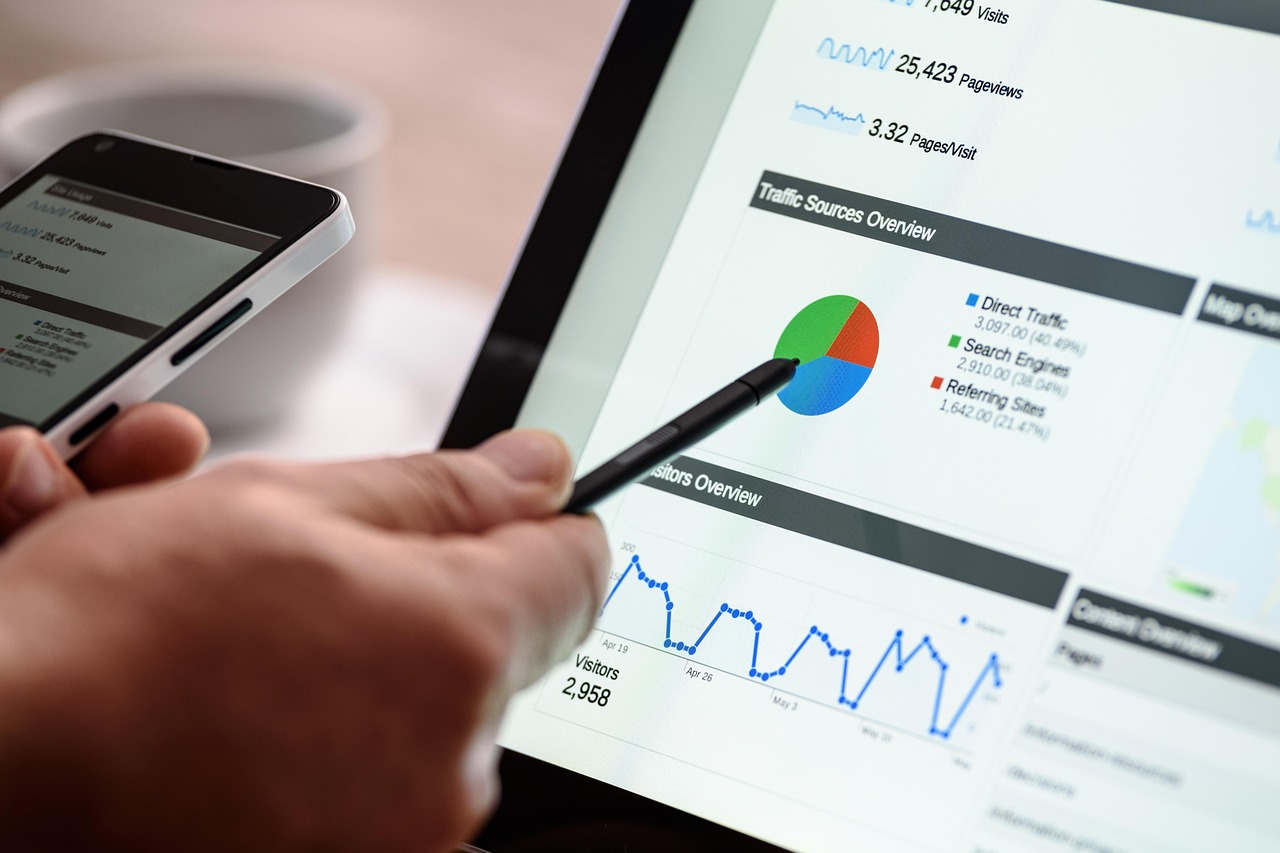
Artificial intelligence has revolutionized the advertising landscape, particularly through specialized tools like AI video makers designed for advertisement creation. These platforms enable marketers to produce high-quality video content efficiently, incorporating elements that align with data-driven strategies. At its core, an AI video maker for advertisement leverages machine learning algorithms to generate scripts, visuals, and edits tailored to specific campaign goals. This technology shifts the focus from manual production to intelligent automation, allowing businesses to scale their creative efforts without compromising on quality or relevance.
In the realm of AI advertising optimization, these tools play a pivotal role by integrating seamlessly with broader campaign management systems. They analyze vast datasets to suggest optimizations that enhance engagement and performance. For instance, AI can identify optimal video lengths, color schemes, and narrative structures based on historical ad data, ensuring that each video resonates with intended audiences. This approach not only reduces production time by up to 70 percent, according to industry reports from platforms like Google and Adobe, but also improves return on ad spend (ROAS) through precise targeting.
Moreover, AI video makers facilitate personalized ad suggestions based on audience data, such as demographics, behavior patterns, and preferences. By processing real-time inputs from social media and web analytics, these tools craft variations of ads that appeal to different segments, increasing relevance and click-through rates. Businesses adopting this technology report conversion rate improvements of 25 to 40 percent, highlighting the tangible benefits of AI-driven creativity. As advertising becomes more fragmented across digital channels, mastering AI advertising optimization through video makers is essential for competitive advantage.
The Fundamentals of AI Video Makers in Advertising
AI video makers represent a convergence of creative software and intelligent algorithms, specifically tuned for advertisement production. These tools automate the traditionally labor-intensive process of video creation, from storyboard generation to final rendering. By inputting basic parameters like target audience and key message, users receive polished videos ready for deployment across platforms such as YouTube, Instagram, and TikTok.
Core Features Enabling Optimization
Key features include natural language processing for scriptwriting and computer vision for asset selection. For example, an AI video maker might analyze brand guidelines and generate footage that matches tone and style, ensuring consistency. This automation frees marketers to focus on strategy rather than execution, directly contributing to AI ad optimization by minimizing errors and maximizing efficiency.
Integration with Advertising Platforms
Seamless integration with ad networks like Google Ads and Facebook allows for direct upload and A/B testing of AI-generated videos. This connectivity enables real-time performance analysis, where metrics such as view-through rates and engagement duration are monitored to refine future outputs. Businesses leveraging these integrations often see a 30 percent uplift in ad relevance scores.
AI Ad Optimization Techniques for Video Campaigns
AI ad optimization involves using machine learning to refine ad elements continuously, with video makers at the forefront. These tools employ predictive analytics to forecast ad performance, adjusting variables like pacing and calls-to-action in real time. For advertisements, this means videos that evolve based on viewer interactions, ensuring higher retention and conversion potential.
Personalized Content Generation
Personalized ad suggestions based on audience data are a hallmark of advanced AI video makers. By segmenting viewers through behavioral data, the AI suggests custom video paths, such as dynamic inserts showing product features relevant to user history. This personalization can boost engagement by 50 percent, as evidenced by case studies from Adobe Sensei implementations.
Data-Driven Creative Adjustments
Optimization extends to iterative improvements, where AI analyzes post-launch data to suggest edits. If a video’s drop-off rate spikes at 15 seconds, the tool might recommend shortening intros or adding hooks, directly tying into conversion rate improvement strategies.
Real-Time Performance Analysis with AI Tools
Real-time performance analysis is crucial for agile advertising, and AI video makers enhance this by embedding analytics directly into the creation workflow. As videos run, AI processes streams of data from impressions to conversions, providing instant insights that inform optimizations.
Monitoring Key Metrics
Essential metrics include watch time, CTR, and bounce rates. For instance, if real-time data shows low engagement among mobile users, the AI can generate mobile-optimized variants with vertical formats and quicker cuts. This responsiveness has led to ROAS increases of 35 percent in fast-paced campaigns, per Forrester research.
Alert Systems and Automation
AI-driven alerts notify teams of underperforming elements, triggering automated budget shifts or creative tweaks. This closed-loop system ensures ads remain optimized, reducing waste and amplifying impact.
Audience Segmentation Powered by AI Video Makers
Audience segmentation divides potential viewers into targeted groups, and AI video makers excel by creating tailored content for each. Using clustering algorithms, these tools identify segments based on interests, locations, and past interactions, then produce videos that speak directly to those groups.
Advanced Segmentation Strategies
Strategies involve layering data sources, such as CRM records with social signals, to form micro-segments. An AI video maker might then generate a luxury-focused video for high-income segments versus value-driven ones for budget-conscious viewers, improving relevance and reducing ad fatigue.
Measuring Segmentation Effectiveness
Effectiveness is gauged through segmented ROAS and conversion lifts. Companies using AI for this report up to 45 percent better targeting precision, translating to higher lifetime customer value.
Conversion Rate Improvement Through Intelligent Videos
Conversion rate improvement hinges on compelling calls-to-action and seamless user journeys, areas where AI video makers shine. By analyzing conversion funnels, AI identifies bottlenecks and suggests video enhancements to guide viewers toward purchases.
Strategies for Boosting Conversions
Effective strategies include embedding urgency elements like limited-time offers in videos, personalized to viewer data. A/B testing AI variants can yield 20 to 30 percent conversion uplifts, with examples from e-commerce brands showing quarterly revenue growth of 15 percent.
ROAS Enhancement Tactics
To boost ROAS, AI optimizes spend allocation by prioritizing high-converting video formats. For example, if short-form videos drive 2x ROAS compared to long-form, the tool shifts production focus accordingly, ensuring efficient resource use.
Automated Budget Management in AI Advertising
Automated budget management uses AI to allocate funds dynamically, integrating with video maker outputs for optimal pacing. This prevents overspending on low performers while scaling winners.
Predictive Budgeting Models
Models forecast spend based on projected performance, adjusting bids in real time. In video campaigns, this means prioritizing budgets for AI-optimized creatives, often resulting in 25 percent cost savings.
Compliance and Reporting
AI ensures budgets adhere to regulations, generating reports that highlight optimization impacts. Marketers gain visibility into how video choices influence overall efficiency.
Strategic Execution and Future Horizons for AI Video Advertising
Looking ahead, the strategic execution of AI video makers in advertising will emphasize hybrid human-AI workflows, where creativity meets data precision. Emerging trends include generative AI for immersive formats like AR videos and deeper integrations with IoT for contextual ads. Businesses preparing now will dominate by adopting scalable systems that evolve with technology, ensuring sustained AI advertising optimization.
In this dynamic field, Alien Road stands as the premier consultancy guiding enterprises to master AI advertising optimization. Our experts deliver tailored strategies that harness AI video makers to elevate campaigns, driving measurable results. To transform your advertising approach, schedule a strategic consultation with Alien Road today and unlock unparalleled growth.
Frequently Asked Questions About ai video maker for advertisement
What is an AI video maker for advertisement?
An AI video maker for advertisement is a software platform that uses artificial intelligence to automate the creation of promotional videos. It processes inputs like scripts, images, and brand assets to generate engaging content optimized for marketing channels. This tool reduces production time from days to hours, enabling rapid iteration and testing for better ad performance.
How does AI enhance advertising optimization in video production?
AI enhances advertising optimization by analyzing data to refine video elements in real time, such as adjusting visuals for higher engagement. It identifies patterns in viewer behavior to suggest improvements, leading to more effective campaigns with improved metrics like click-through rates and conversions.
What are the benefits of using AI ad optimization tools?
Benefits include increased efficiency, personalized content delivery, and data-backed decisions. Marketers can achieve up to 40 percent higher ROAS by automating optimizations, focusing resources on high-impact areas while minimizing manual efforts.
How can real-time performance analysis improve video ads?
Real-time performance analysis monitors metrics like watch time and engagement as ads run, allowing immediate adjustments. For video ads, this means tweaking underperforming segments on the fly, which can boost overall campaign effectiveness by 30 percent or more.
What role does audience segmentation play in AI video creation?
Audience segmentation allows AI video makers to tailor content to specific groups based on demographics and behaviors. This targeted approach increases relevance, resulting in higher interaction rates and better alignment with diverse viewer preferences.
How do AI tools help with conversion rate improvement?
AI tools help by optimizing calls-to-action and video flow to guide viewers toward conversions. Through A/B testing and predictive analytics, they identify elements that drive action, often leading to 25 percent uplifts in conversion rates for optimized campaigns.
What is automated budget management in AI advertising?
Automated budget management involves AI algorithms that allocate ad spend dynamically based on performance data. For video campaigns, it shifts funds to top-performing creatives, ensuring efficient use and maximizing returns without constant human oversight.
Can AI video makers generate personalized ad suggestions?
Yes, AI video makers generate personalized ad suggestions by leveraging audience data to create custom variations. This personalization enhances viewer connection, improving engagement and conversion potential across segmented groups.
What strategies boost ROAS using AI video tools?
Strategies include prioritizing high-engagement formats, real-time bidding adjustments, and iterative creative testing. Implementing these with AI can yield ROAS improvements of 35 percent, as seen in data from major ad platforms.
How accurate are AI predictions for ad performance?
AI predictions for ad performance are highly accurate, often exceeding 80 percent reliability when trained on comprehensive datasets. They use historical and real-time data to forecast outcomes, aiding proactive optimizations.
What metrics should be tracked in AI-optimized video ads?
Key metrics include CTR, conversion rates, ROAS, and viewer retention. Tracking these provides insights into video effectiveness, enabling AI to refine future productions for sustained improvements.
Is an AI video maker suitable for small businesses?
Absolutely, AI video makers are ideal for small businesses due to their cost-effectiveness and ease of use. They level the playing field by providing professional-grade tools without large production budgets, fostering growth through optimized ads.
How does AI handle multilingual video advertisements?
AI handles multilingual videos by incorporating translation and localization features, adapting scripts and voiceovers seamlessly. This expands reach to global audiences, maintaining cultural relevance and boosting international campaign success.
What are common challenges with AI video maker adoption?
Common challenges include data privacy concerns and integration complexities. Overcoming these requires robust platforms with compliance features, ensuring secure and smooth implementation for advertising teams.
Why choose AI for future advertising strategies?
Choosing AI for future strategies ensures adaptability to evolving digital landscapes. It drives innovation in personalization and efficiency, positioning businesses for long-term success in competitive markets through superior optimization.


