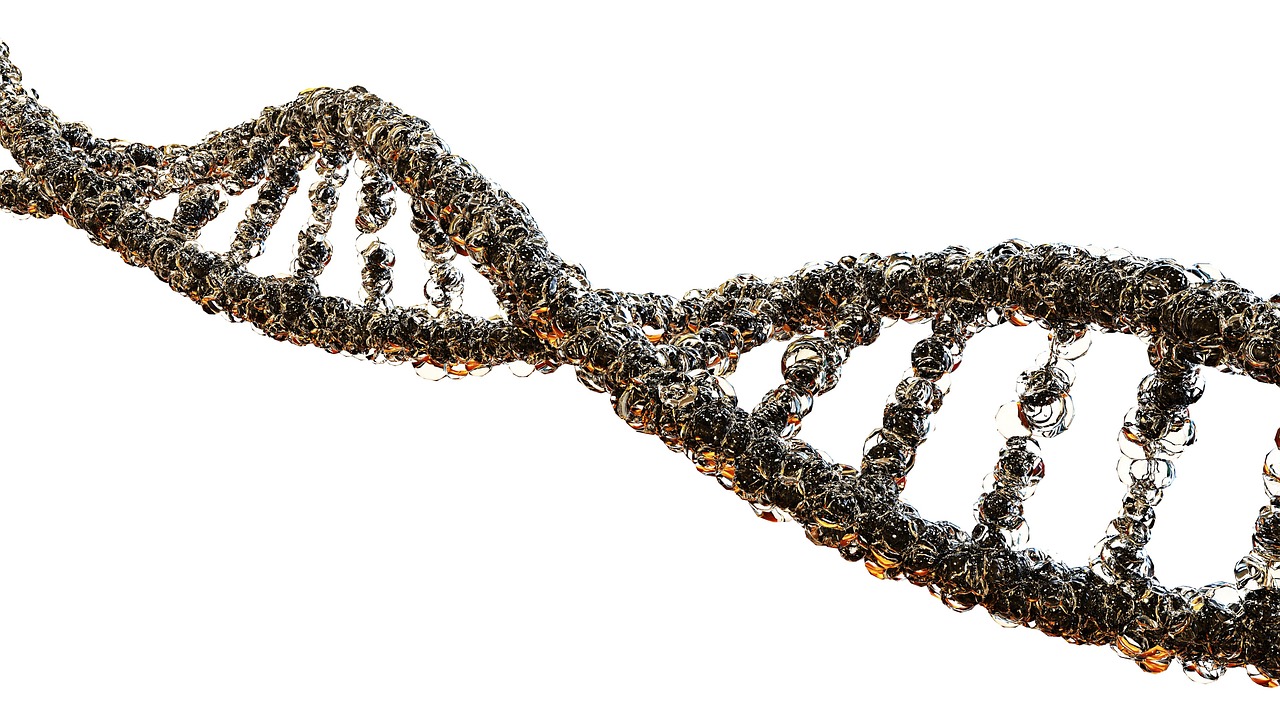
Strategic Overview of AI Optimization in 2027 Gene Editing
In the evolving landscape of biotechnology, AI optimization emerges as a pivotal force shaping the future of genetic engineering. By 2027, projections indicate that AI-driven systems will revolutionize gate gene editing through molecular optimization and recombinase technologies. This integration promises unprecedented precision in manipulating genetic structures, allowing researchers to target specific genes with minimal off-target effects. Gate gene editing refers to controlled mechanisms that act as molecular switches, enabling or disabling gene expression at precise intervals. Recombinase enzymes, which facilitate DNA recombination, play a central role in this process, offering tools to rearrange genetic material efficiently.
For digital marketers and business owners, these advancements in AI optimization parallel the precision required in modern marketing strategies. Just as recombinase ensures accurate genetic cuts, AI marketing platforms demand exact data segmentation to deliver personalized campaigns. The synergy between AI automation and molecular optimization highlights a broader trend: leveraging computational intelligence to streamline complex processes. In 2027, expect AI systems to predict optimal editing sites, simulating millions of scenarios in seconds, much like how AI automation optimizes customer journeys in real-time. This overview sets the stage for understanding how such technologies not only advance biotech but also inform marketing AI trends, empowering agencies to achieve measurable ROI through data-driven decisions. As businesses navigate an increasingly competitive digital space, mastering AI optimization becomes essential for sustainable growth.
Foundations of Gate Gene Editing Technologies
Core Principles and Mechanisms
Gate gene editing operates on the principle of conditional gene activation, where molecular gates control access to genetic information. These gates, often protein-based structures, respond to specific signals such as light, chemicals, or temperature changes. In 2027, AI optimization will enhance these mechanisms by analyzing vast genomic datasets to design bespoke gates tailored to therapeutic needs. For instance, in cancer research, gates could activate tumor-suppressing genes only in diseased cells, minimizing systemic side effects.
Integration with AI Automation
AI automation streamlines the design phase of gate gene editing by automating iterative testing. Algorithms process structural biology data to predict gate stability and functionality, reducing development time from months to days. Digital marketing agencies can draw parallels here: AI automation in platforms like HubSpot or Marketo similarly automates lead scoring, ensuring marketing efforts target high-value prospects efficiently. This cross-domain application underscores how AI optimization fosters efficiency across sectors.
The Role of Recombinase in Molecular Optimization
Biochemical Functions of Recombinase Enzymes
Recombinase enzymes catalyze site-specific recombination events, enabling the precise insertion, deletion, or inversion of DNA segments. In molecular optimization, these enzymes are engineered for enhanced specificity, guided by AI models that optimize binding affinities. By 2027, advancements will allow recombinases to operate in multiplex formats, handling multiple edits simultaneously without compromising accuracy.
AI-Driven Enhancements for Precision
AI optimization refines recombinase performance through machine learning models trained on protein folding simulations. These models identify mutations that boost enzyme efficiency, akin to how marketing AI trends use predictive analytics to refine ad targeting. Business owners in digital marketing can apply similar optimization logic to A/B testing campaigns, where AI iteratively improves conversion rates based on user behavior data.
AI Optimization Techniques Projected for 2027
Machine Learning Algorithms in Genetic Design
Machine learning will dominate AI optimization in gene editing, with deep neural networks analyzing sequence data to forecast editing outcomes. Techniques like reinforcement learning will simulate evolutionary pressures, evolving recombinase variants for optimal performance. This mirrors AI marketing platforms that employ similar algorithms to personalize content, driving engagement in dynamic markets.
Quantum Computing’s Influence on Simulations
By 2027, quantum computing integrations will accelerate AI optimization, handling complex molecular dynamics unattainable by classical systems. This will enable real-time optimization of gate gene constructs, revolutionizing drug discovery timelines. For digital marketers, this parallels emerging marketing AI trends where quantum-inspired algorithms optimize large-scale personalization at speeds that outpace human capabilities.
Applications Across Biotech and Marketing Synergies
Therapeutic Innovations Enabled by AI Optimization
In therapeutics, AI-optimized recombinase systems will target genetic disorders with curative precision, such as editing out mutations in sickle cell anemia. The scalability of these tools, powered by AI automation, will lower costs, making advanced treatments accessible. Digital marketing agencies can leverage these insights to automate compliance in personalized advertising, ensuring ethical data use.
Business Implications for Digital Strategies
The precision of molecular optimization informs marketing AI trends, where AI platforms segment audiences with genetic-like accuracy. Business owners adopting these tools will see enhanced campaign ROI, as AI automation predicts consumer responses much like it forecasts gene interactions. This convergence positions AI optimization as a unifying strategy for innovation in both fields.
Challenges and Ethical Considerations in Implementation
Technical Hurdles in AI-Guided Editing
Despite promises, challenges like algorithmic bias in AI optimization could lead to unintended genetic alterations. Robust validation protocols, integrated with AI automation, will be crucial to mitigate risks. In marketing, similar biases in AI platforms can skew targeting; thus, ethical frameworks drawn from biotech will guide fair AI deployment.
Regulatory Landscapes by 2027
Regulatory bodies will evolve to oversee AI-optimized gene editing, emphasizing transparency in recombinase applications. For digital marketers, parallel regulations on AI in advertising will demand auditable automation processes. Navigating these will require strategic foresight, blending technical expertise with compliance knowledge.
Strategic Execution of AI Optimization for Future Biotech and Marketing Integration
As 2027 approaches, strategic execution of AI optimization in gate gene editing demands a holistic approach, combining recombinase innovations with robust AI frameworks. Businesses must invest in cross-disciplinary teams to translate molecular insights into actionable strategies, fostering synergies between biotech and digital marketing. At Alien Road, we specialize in guiding enterprises through this integration, helping digital marketers and agencies harness AI automation to mirror the precision of gene optimization in their campaigns. Our expertise in AI marketing platforms ensures clients stay ahead of marketing AI trends, driving unparalleled efficiency and growth. To elevate your AI optimization strategies, schedule a strategic consultation with our team today and unlock the full potential of 2027 technologies.
Frequently Asked Questions About 2027 AI Editing Gate Gene Molecular Optimization Recombinase
What is AI optimization in the context of gate gene editing?
AI optimization in gate gene editing involves using artificial intelligence algorithms to enhance the precision and efficiency of molecular processes, particularly through recombinase-mediated techniques. By 2027, these optimizations will predict optimal gene targets, simulate editing outcomes, and automate design iterations, reducing errors and accelerating therapeutic development for applications ranging from disease treatment to agricultural improvements.
How does recombinase contribute to molecular optimization?
Recombinase enzymes facilitate targeted DNA recombination, allowing for the precise rearrangement of genetic material. In molecular optimization, AI guides the engineering of these enzymes for higher specificity and activity, enabling complex edits that traditional methods cannot achieve efficiently, which is projected to transform biotech workflows by 2027.
Why is 2027 a significant year for AI in gene editing?
2027 marks a projected milestone where AI integration with gate gene technologies reaches maturity, driven by advancements in computing power and data analytics. This convergence will enable scalable, real-time optimizations, making advanced gene editing accessible to broader research and commercial applications.
What role do AI marketing platforms play in understanding gene optimization?
AI marketing platforms demonstrate parallel optimization techniques, such as data segmentation and predictive modeling, which mirror the AI processes used in gate gene editing. Digital marketers can study these platforms to grasp how AI refines molecular strategies, applying similar principles to enhance campaign targeting and ROI.
How can AI automation streamline recombinase-based editing?
AI automation handles repetitive tasks like sequence analysis and variant screening in recombinase applications, allowing researchers to focus on high-level design. By 2027, this will cut development timelines significantly, much like automation in marketing tools streamlines customer engagement processes.
What are the key marketing AI trends influenced by gene editing tech?
Marketing AI trends, such as hyper-personalization and predictive analytics, draw from the precision of gene editing optimizations. These trends enable businesses to tailor strategies with molecular-like accuracy, forecasting user behaviors and adapting in real-time to market dynamics.
Why choose AI optimization over traditional gene editing methods?
AI optimization offers superior speed, accuracy, and scalability compared to manual methods, minimizing errors in gate gene manipulations. For business owners, this translates to faster innovation cycles, akin to quicker market adaptations in digital strategies.
How do digital marketing agencies benefit from understanding recombinase tech?
Digital marketing agencies gain insights into precision optimization from recombinase technologies, applying them to AI-driven tools for refined audience targeting and content delivery, ultimately boosting campaign effectiveness and client satisfaction.
What challenges arise in implementing AI-optimized gate gene editing?
Challenges include data privacy, algorithmic reliability, and integration with existing biotech infrastructure. By 2027, solutions will involve hybrid AI-human oversight, similar to ethical AI governance in marketing platforms.
How will quantum computing impact AI optimization in 2027?
Quantum computing will enable complex simulations of molecular interactions, supercharging AI optimization for recombinase designs. This will parallel advancements in marketing AI, where quantum tech enhances large-scale data processing for trend prediction.
Why is ethical AI use critical in molecular optimization?
Ethical AI ensures unbiased optimizations in gene editing, preventing harmful mutations. In marketing, it upholds fair practices, building trust and compliance, essential for long-term business success in AI-driven fields.
What practical steps can businesses take for AI optimization adoption?
Businesses should audit current AI tools, invest in training, and partner with experts like Alien Road. For gene editing parallels, start with pilot projects integrating AI automation to test optimization efficacy.
How does gate gene editing differ from CRISPR?
Gate gene editing uses conditional switches for reversible control, unlike CRISPR’s permanent cuts. AI optimization enhances this reversibility, offering finer control projected for 2027 applications.
Why integrate marketing AI trends with biotech optimizations?
Integration reveals transferable skills, such as data optimization, allowing digital marketers to innovate using biotech-inspired AI strategies for competitive advantages in personalization and automation.
What future applications await 2027 AI-optimized recombinase?
Future applications include personalized medicine, synthetic biology, and environmental gene therapies. For marketers, these inspire advanced AI platforms that optimize global campaigns with similar precision and adaptability.


