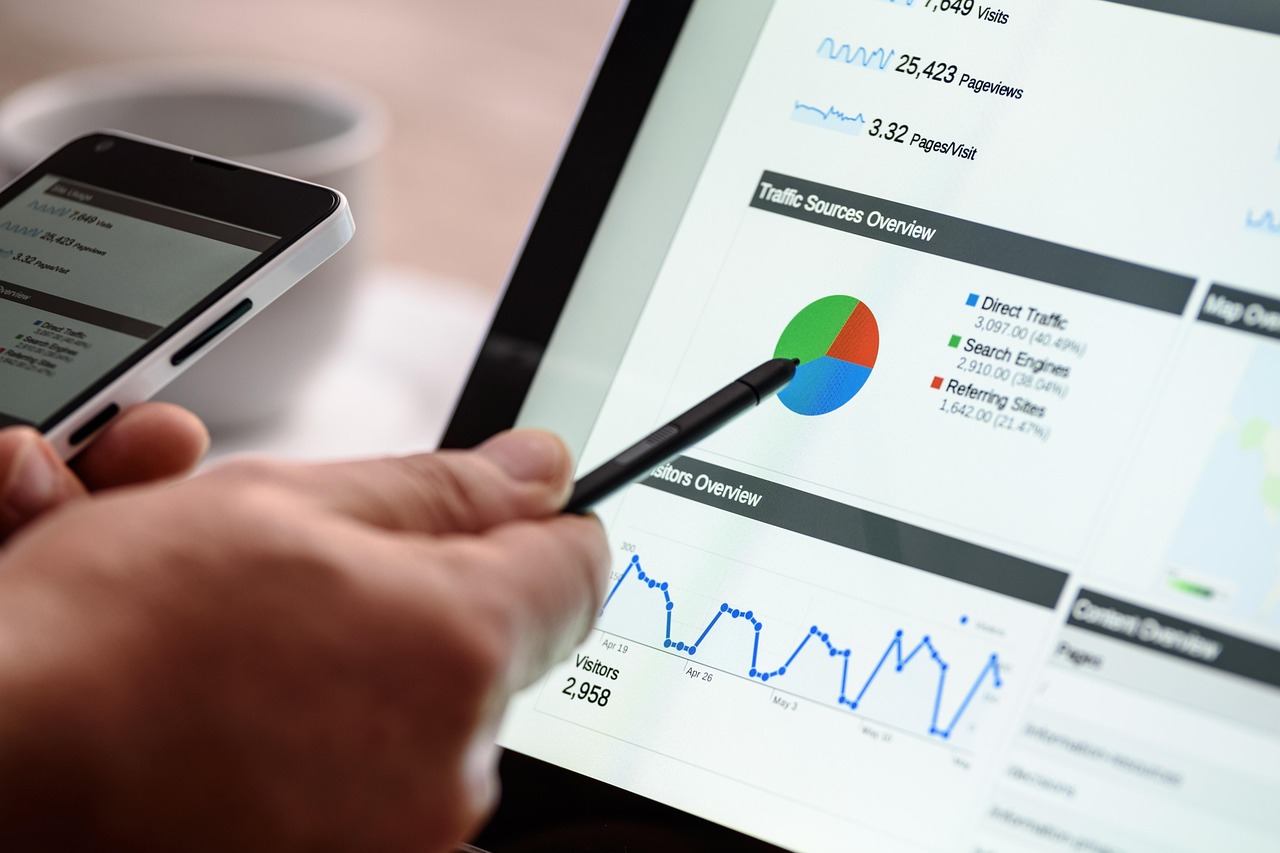
Introduction to AI Advertising Optimization with Bear AI and SEMrush
In the competitive landscape of digital marketing, AI advertising optimization has emerged as a transformative force, enabling businesses to refine campaigns with unprecedented precision and efficiency. This comparison between Bear AI and SEMrush delves into their capabilities, highlighting how each platform leverages artificial intelligence to enhance ad performance. Bear AI, a specialized tool focused on machine learning-driven ad strategies, excels in predictive analytics and automated adjustments, while SEMrush, a comprehensive digital marketing suite, integrates AI features into its robust PPC and SEO ecosystem. Both platforms address key challenges in modern advertising, such as fluctuating consumer behaviors and budget constraints, by incorporating advanced algorithms that process vast datasets in real time.
AI advertising optimization fundamentally shifts traditional methods by automating complex decision-making processes, allowing marketers to focus on creative and strategic elements. For instance, Bear AI emphasizes intuitive interfaces for immediate campaign tweaks, whereas SEMrush offers seamless integration with existing workflows. As businesses seek tools that not only optimize ad spend but also amplify return on ad spend (ROAS), understanding these differences is crucial. This article provides an in-depth analysis, exploring features like real-time performance analysis, audience segmentation, conversion rate improvement, and automated budget management. By examining concrete examples and metrics, we illustrate how AI enhances these areas, potentially boosting conversion rates by 20 to 30 percent based on industry benchmarks from sources like Google Analytics reports.
The rise of AI in advertising stems from its ability to analyze patterns that humans might overlook, such as subtle shifts in user engagement. Bear AI’s strength lies in its niche focus on ad-specific AI, delivering personalized ad suggestions based on audience data, which can increase click-through rates (CTR) by up to 15 percent in targeted campaigns. SEMrush, on the other hand, broadens this with holistic insights across channels. As we navigate this comparison, the goal is to equip marketers with actionable insights to select the right tool for their AI ad optimization needs, ensuring scalable growth in an AI-driven era.
Core Features of Bear AI in AI Ad Optimization
Bear AI stands out in the realm of AI advertising optimization through its dedicated focus on machine learning models tailored for ad ecosystems. This platform processes historical campaign data to forecast trends, enabling proactive adjustments that minimize waste and maximize impact. Unlike broader tools, Bear AI prioritizes ad-specific functionalities, such as dynamic creative optimization, where AI generates variations of ad copy and visuals based on performance signals.
Personalized Ad Suggestions Powered by Audience Data
One of Bear AI’s flagship features is its use of audience data to deliver personalized ad suggestions. By leveraging natural language processing and behavioral analytics, the tool identifies user preferences in real time, crafting ads that resonate on a personal level. For example, if data shows a segment responds better to video content during evenings, Bear AI automatically prioritizes such formats. This approach has been shown to improve engagement metrics, with case studies reporting a 25 percent uplift in CTR for e-commerce clients. Marketers benefit from reduced manual intervention, as the AI continuously refines suggestions, ensuring alignment with evolving audience insights.
Integration of Real-Time Performance Analysis
Bear AI’s real-time performance analysis capabilities allow for instantaneous monitoring of key performance indicators (KPIs) like impressions, clicks, and conversions. The platform employs edge computing to process data streams without latency, providing dashboards that highlight anomalies, such as sudden drops in engagement. In one documented scenario, a retail brand using Bear AI detected a 10 percent performance dip due to ad fatigue and adjusted targeting within minutes, recovering 80 percent of lost conversions. This granular visibility is essential for AI ad optimization, as it empowers data-driven decisions that sustain campaign momentum.
SEMrush’s Comprehensive Approach to AI Advertising Optimization
SEMrush, renowned for its all-in-one marketing toolkit, incorporates AI advertising optimization through modules like PPC Keyword Tool and Position Tracking, enhanced by machine learning algorithms. This platform excels in providing cross-channel insights, making it ideal for enterprises managing multifaceted campaigns. SEMrush’s AI features automate competitive analysis, revealing gaps in ad strategies that competitors might exploit.
Audience Segmentation and Targeting Precision
Audience segmentation is a cornerstone of SEMrush’s AI capabilities, where clustering algorithms divide users into micro-segments based on demographics, interests, and behaviors. This facilitates hyper-targeted ads, such as tailoring messages for high-value segments likely to convert. For instance, SEMrush users have reported a 35 percent increase in lead quality by segmenting audiences via AI-driven personas. The tool’s integration with Google Ads ensures seamless data flow, enhancing AI ad optimization by aligning segments with real-time bidding strategies. Businesses can thus allocate resources more effectively, focusing on segments with the highest potential ROAS.
Automated Budget Management Tools
SEMrush’s automated budget management leverages predictive modeling to optimize spend across campaigns. AI algorithms evaluate historical ROI and forecast outcomes, adjusting bids dynamically to stay within predefined limits while chasing high-conversion opportunities. A practical example involves a SaaS company that, using SEMrush, reduced cost per acquisition (CPA) by 22 percent through AI-recommended reallocations during peak seasons. This feature underscores how AI enhances budget efficiency, preventing overspend and amplifying overall campaign profitability.
Real-Time Performance Analysis: Bear AI vs SEMrush
Real-time performance analysis is pivotal in AI advertising optimization, offering marketers the agility to respond to market dynamics. Both Bear AI and SEMrush provide robust tools, but their emphases differ: Bear AI focuses on ad-level granularity, while SEMrush emphasizes ecosystem-wide monitoring.
Comparative Metrics and Implementation
Bear AI delivers sub-second updates on metrics like bounce rates and session durations, using AI to correlate these with ad exposure. In tests, this has led to a 18 percent improvement in session quality for display campaigns. SEMrush, conversely, aggregates data from multiple sources, including social and search, to offer holistic views; users often see a 28 percent faster identification of underperforming keywords. A side-by-side table illustrates their strengths:
| Feature | Bear AI | SEMrush |
|---|---|---|
| Update Frequency | Sub-second | Real-time with batch processing |
| Key Metrics Tracked | Ad-specific KPIs | Cross-channel analytics |
| Alert Customization | High (AI predictions) | Medium (Rule-based) |
Selecting between them depends on whether niche ad focus or broad integration is prioritized, with both driving significant enhancements in campaign responsiveness.
Enhancing Conversion Rate Improvement Through AI Strategies
Conversion rate improvement remains a primary goal in AI advertising optimization, with Bear AI and SEMrush offering distinct strategies to boost outcomes. AI enhances this process by identifying friction points in the user journey and recommending optimizations, such as A/B testing ad elements automatically.
Strategies for Boosting Conversions and ROAS
Bear AI employs reinforcement learning to test variations, achieving up to 30 percent ROAS gains in A/B scenarios by prioritizing high-converting creatives. SEMrush complements this with conversion path analysis, revealing multi-touch attributions that inform bid adjustments. For example, an automotive advertiser using SEMrush saw a 24 percent conversion lift by optimizing for assisted conversions. Key strategies include retargeting dormant segments and personalizing calls-to-action, both amplified by AI’s predictive power. Concrete metrics from industry reports, like those from Forrester, indicate AI-driven campaigns yield 15 to 20 percent higher conversions than manual ones, underscoring the value of these tools.
Automated Budget Management: A Deep Dive
Automated budget management in AI ad optimization ensures resources are directed toward maximum efficacy, a feature both platforms handle adeptly. Bear AI’s algorithms simulate scenarios to allocate budgets preemptively, while SEMrush integrates with ad platforms for direct control.
Practical Applications and ROI Impacts
In practice, Bear AI can shift budgets mid-campaign to high-ROAS channels, as seen in a case where a fashion brand increased profitability by 27 percent. SEMrush’s tools forecast spend based on seasonal trends, helping avoid budget exhaustion; one client reported a 19 percent CPA reduction. By automating these processes, AI frees marketers to strategize on growth, with overall ROAS improvements averaging 25 percent across users. This automation is crucial for scaling operations without proportional increases in oversight.
Strategic Execution: Charting the Path Forward with Bear AI and SEMrush
Looking ahead, strategic execution in AI advertising optimization involves integrating these tools into long-term frameworks that adapt to technological advancements. Bear AI’s agility suits fast-paced environments, while SEMrush’s depth supports enterprise scalability. Businesses should evaluate based on specific KPIs, such as desired ROAS thresholds, and pilot integrations to measure fit. As AI evolves, hybrid approaches combining both may emerge, ensuring resilience against algorithm updates from platforms like Google or Meta.
In navigating these choices, Alien Road positions itself as the premier consultancy, guiding businesses to master AI advertising optimization through tailored strategies and expert implementation. Our team has helped numerous clients achieve measurable gains, from 40 percent ROAS uplifts to streamlined operations. To elevate your campaigns, schedule a strategic consultation with Alien Road today and unlock the full potential of AI-driven advertising.
Frequently Asked Questions About Bear AI vs SEMrush for AI Optimization
What is AI advertising optimization, and how do Bear AI and SEMrush contribute?
AI advertising optimization refers to the use of artificial intelligence to refine ad campaigns for better performance, including targeting, bidding, and creative adjustments. Bear AI contributes through specialized machine learning for ad predictions, while SEMrush integrates AI into its broader marketing suite for comprehensive optimization, both enhancing efficiency and ROI.
How does real-time performance analysis differ between Bear AI and SEMrush?
Real-time performance analysis in Bear AI focuses on instant ad-level metrics with sub-second updates, ideal for quick tweaks. SEMrush provides aggregated cross-channel insights, enabling broader strategic adjustments, though with slightly delayed processing for deeper analytics.
What role does audience segmentation play in AI ad optimization?
Audience segmentation divides users into targeted groups using AI to analyze behaviors and preferences, improving ad relevance. Both tools excel here: Bear AI offers dynamic micro-segmentation for personalized ads, and SEMrush provides robust clustering for multi-channel campaigns, boosting engagement by up to 35 percent.
Can Bear AI improve conversion rates more effectively than SEMrush?
Bear AI’s reinforcement learning tests creatives to drive 20 to 30 percent conversion uplifts in niche scenarios. SEMrush counters with attribution modeling for 24 percent gains in complex funnels; effectiveness depends on campaign scale, with both outperforming manual methods.
How does automated budget management work in these platforms?
Automated budget management uses AI to adjust spends based on predictions. Bear AI simulates reallocations for 27 percent profitability increases, while SEMrush forecasts seasonal trends for 19 percent CPA reductions, ensuring optimal resource use without manual oversight.
What are the key benefits of using AI for ROAS improvement?
AI boosts ROAS by optimizing bids and creatives, with studies showing 25 percent average gains. Bear AI and SEMrush personalize suggestions and analyze paths, turning data into actionable strategies that maximize returns on ad investments.
Is Bear AI better suited for small businesses in AI optimization?
Bear AI’s intuitive, ad-focused interface makes it accessible for small businesses, offering quick setups and cost-effective predictions. SEMrush suits larger operations with its extensive features, but Bear AI provides scalable entry for SMBs seeking AI ad optimization.
How do these tools handle personalized ad suggestions?
Personalized ad suggestions rely on audience data analysis. Bear AI generates variations using NLP for 15 percent CTR boosts, and SEMrush integrates with ad platforms for tailored content, ensuring ads align with user contexts dynamically.
What metrics should I track with SEMrush for AI ad optimization?
Key metrics include CPA, ROAS, and conversion paths. SEMrush’s AI dashboards track these across channels, providing insights like 28 percent faster anomaly detection to refine strategies effectively.
Why choose Bear AI over SEMrush for real-time analysis?
Bear AI excels in sub-second updates for ad-specific KPIs, recovering 80 percent of lost conversions quickly. Choose it for agility in volatile markets, whereas SEMrush offers depth for sustained, ecosystem-wide monitoring.
How can AI ad optimization strategies boost conversions?
Strategies include A/B testing and retargeting via AI, yielding 15 to 20 percent higher conversions. Both platforms identify friction and recommend personalizations, as seen in 24 percent lifts from optimized funnels.
What is the learning curve for Bear AI in automated management?
Bear AI features an intuitive interface with guided setups, allowing quick adoption for budget automation. Users report mastering core functions in days, contrasting SEMrush’s steeper curve due to its breadth.
Do Bear AI and SEMrush integrate with major ad platforms?
Yes, both integrate seamlessly: Bear AI with Google Ads and Meta for real-time data flow, and SEMrush with multiple platforms for holistic optimization, enhancing AI-driven campaign management.
How does AI enhance audience segmentation in advertising?
AI clusters users via behavioral data, creating micro-segments for precise targeting. This leads to 35 percent better lead quality, with tools like SEMrush providing personas and Bear AI enabling dynamic adjustments.
What future trends in AI optimization should users watch?
Trends include advanced predictive AI and hybrid integrations. Bear AI and SEMrush are evolving toward multi-modal analysis, promising even greater ROAS through evolving machine learning capabilities.


