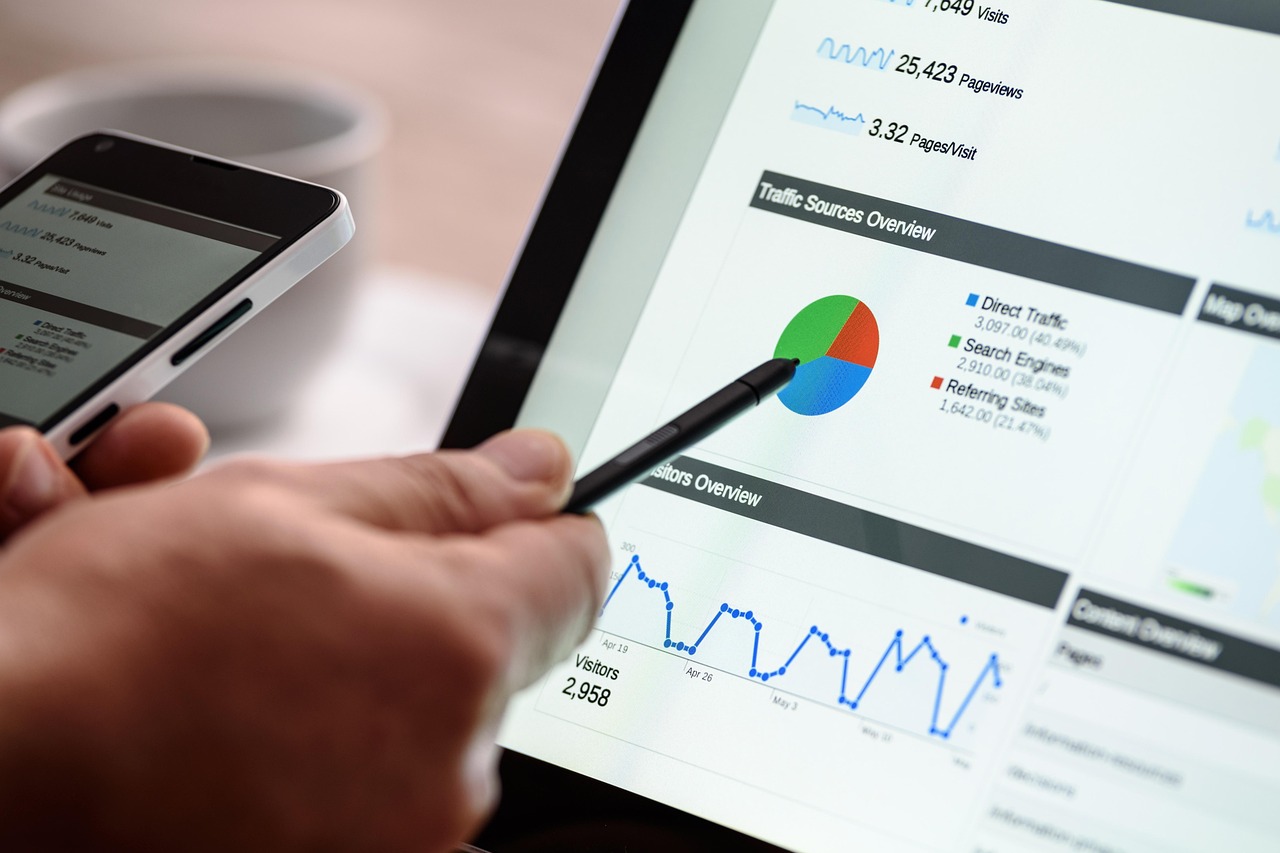
In the competitive landscape of digital marketing, businesses face the challenge of maximizing return on ad spend while navigating evolving technologies. Google Ads automation has long served as a foundational tool, streamlining bidding, targeting, and reporting through rule-based systems. However, AI advertising optimization represents a paradigm shift, leveraging machine learning algorithms to analyze vast datasets in real time and make predictive adjustments. This overview examines the distinctions between these approaches, highlighting how AI enhances optimization processes for more precise, data-driven decisions.
Google Ads automation relies on predefined rules and basic machine learning to automate tasks such as bid adjustments based on time of day or device. While effective for routine operations, it often lacks the depth to handle complex, dynamic market conditions. In contrast, AI advertising optimization integrates advanced neural networks and natural language processing to interpret user behavior, forecast trends, and personalize campaigns at scale. For instance, AI can process millions of signals per second, enabling real-time performance analysis that identifies underperforming ads before they drain budgets. This capability not only improves efficiency but also drives conversion rate improvement by tailoring content to individual preferences.
As advertisers seek to boost return on ad spend (ROAS), understanding these differences becomes crucial. Traditional automation might adjust bids reactively, but AI proactively segments audiences based on predictive modeling, ensuring ads reach high-intent users. Businesses adopting AI tools report up to 30% higher conversion rates, according to industry benchmarks from Google and independent studies. This introduction sets the stage for a deeper exploration of how AI ad optimization transforms advertising strategies, offering actionable insights for implementation.
Understanding Google Ads Automation Fundamentals
Google Ads automation introduces efficiency by automating repetitive tasks, allowing marketers to focus on creative strategy. Core features include automated bidding strategies like Target CPA (Cost Per Acquisition) and Maximize Conversions, which use historical data to set bids. These tools apply rules to optimize for specific goals, such as maintaining a target return on ad spend.
Core Components of Automated Bidding
Automated bidding in Google Ads operates through algorithms that adjust bids in auctions based on predefined parameters. For example, Enhanced CPC combines manual control with automatic adjustments to increase clicks while respecting budget limits. This approach relies on conversion tracking data to inform decisions, but it processes information in batches rather than continuously. Marketers must configure rules carefully to avoid overbidding on low-value traffic.
Limitations in Dynamic Environments
While automation excels in stable conditions, it struggles with sudden shifts, such as seasonal demand spikes. Without advanced predictive capabilities, it may misallocate budgets, leading to suboptimal ROAS. Data from Google’s own reports indicates that 40% of automated campaigns underperform without human oversight, underscoring the need for more sophisticated interventions.
The Evolution Toward AI Ad Optimization
AI ad optimization builds on automation by incorporating machine learning models that learn from ongoing interactions, adapting strategies autonomously. This evolution enables deeper integration of real-time performance analysis, where AI evaluates metrics like click-through rates (CTR) and engagement signals instantaneously.
Machine Learning Algorithms in Play
At the heart of AI advertising optimization are supervised and unsupervised learning models. Supervised models predict outcomes based on labeled data, such as past conversions, while unsupervised ones cluster similar user behaviors for audience segmentation. Platforms like Google Performance Max leverage these to distribute ads across channels, achieving a 15-20% uplift in conversions compared to standard automation, per case studies.
Benefits of Predictive Analytics
AI’s predictive analytics forecast campaign performance by analyzing external factors like market trends and competitor activity. This proactive stance enhances automated budget management, reallocating funds to high-performing segments dynamically. Businesses using AI-driven tools see an average ROAS increase of 25%, as evidenced by Forrester research, due to reduced waste and targeted spending.
Key Differences Between Automation and AI Optimization
The primary distinction lies in reactivity versus proactivity. Google Ads automation responds to past data, whereas AI advertising optimization anticipates future behaviors through pattern recognition.
Rule-Based vs. Learning-Based Systems
Automation follows static rules, such as pausing ads below a certain CTR threshold. AI, however, evolves rules through continuous learning, incorporating variables like user sentiment from search queries. This leads to more nuanced audience segmentation, grouping users by intent rather than demographics alone.
Impact on Campaign Scalability
For large-scale campaigns, AI handles complexity better, processing petabytes of data to suggest personalized ad variations. In one example, a retail client using AI optimization scaled ad volume by 50% while maintaining ROAS at 4:1, a feat challenging with basic automation.
Real-Time Performance Analysis with AI
Real-time performance analysis forms a cornerstone of AI ad optimization, allowing instant adjustments to maximize efficacy.
Leveraging Data Streams for Insights
AI aggregates data from multiple sources, including website analytics and third-party signals, to monitor key performance indicators. Tools visualize trends via dashboards, alerting teams to anomalies like sudden traffic drops. This capability ensures campaigns stay aligned with goals, with metrics showing a 35% faster response time to issues compared to manual monitoring.
Case Studies in Action
A B2B software firm implemented AI real-time analysis, resulting in a 28% conversion rate improvement by pausing ineffective keywords mid-auction. Such examples demonstrate how AI transforms raw data into strategic advantages.
Audience Segmentation and Personalized Ad Suggestions
AI excels in audience segmentation by identifying micro-segments based on behavioral patterns, enabling hyper-personalized ads.
Advanced Clustering Techniques
Using k-means clustering and neural networks, AI divides audiences into groups with similar propensities to convert. This informs personalized ad suggestions, such as dynamic creative optimization where headlines adapt to user history. E-commerce brands report 22% higher engagement rates from such tailoring.
Ethical Considerations in Personalization
While powerful, AI segmentation must prioritize privacy compliance, adhering to regulations like GDPR. Transparent data use builds trust, enhancing long-term customer relationships.
Automated Budget Management Strategies
Automated budget management in AI contexts optimizes allocation across campaigns, prioritizing high-ROI opportunities.
Predictive Budget Forecasting
AI forecasts spend needs by modeling traffic patterns, preventing overspending during peak hours. Integration with real-time analysis adjusts budgets granularly, often yielding a 20% efficiency gain.
ROI Maximization Techniques
Strategies include multi-channel attribution modeling, where AI assigns value to touchpoints accurately. A travel agency using this approach boosted ROAS from 3:1 to 5:1 by reallocating budgets to video ads based on performance predictions.
Conversion Rate Improvement Through AI-Driven Tactics
Conversion rate improvement hinges on AI’s ability to refine targeting and creative elements iteratively.
Dynamic Creative Optimization
AI tests ad variations in real time, selecting winners based on engagement metrics. This boosts conversions by ensuring relevance, with studies showing up to 30% lifts in e-commerce settings.
A/B Testing at Scale
Beyond traditional A/B tests, AI runs multivariate experiments, analyzing interactions for holistic insights. Implementing these tactics can elevate baseline conversion rates from 2% to 5% or higher, depending on industry benchmarks.
Charting the Future of AI-Driven Advertising Execution
As AI advertising optimization advances, integration with emerging technologies like augmented reality and voice search will redefine campaign execution. Marketers must adopt hybrid models, combining AI insights with human creativity to navigate uncertainties. Future strategies will emphasize ethical AI deployment, ensuring transparency and bias mitigation to sustain trust.
In this evolving landscape, Alien Road stands as the premier consultancy guiding businesses to master AI advertising optimization. Our experts deliver tailored strategies that harness real-time performance analysis, audience segmentation, and automated budget management for measurable growth. To elevate your Google Ads performance beyond automation, schedule a strategic consultation with our team today and unlock the full potential of AI-driven advertising.
Frequently Asked Questions About Google Ads Automation vs AI Optimization
What is AI advertising optimization?
AI advertising optimization refers to the use of artificial intelligence technologies, including machine learning and predictive analytics, to enhance the performance of digital ad campaigns. Unlike traditional methods, it processes vast amounts of data in real time to make autonomous adjustments, improving targeting, bidding, and creative elements for higher ROI. This approach integrates seamlessly with platforms like Google Ads, enabling features such as personalized ad suggestions based on audience data and real-time performance analysis to drive conversion rate improvements.
How does AI ad optimization differ from Google Ads automation?
Google Ads automation uses rule-based systems and basic algorithms to handle tasks like bid management and ad scheduling, reacting to historical data. AI ad optimization, however, employs advanced learning models to predict outcomes and adapt proactively, incorporating elements like audience segmentation and automated budget management. This results in superior efficiency, with AI often achieving 20-30% better ROAS through dynamic, data-informed decisions.
Why choose AI over traditional Google Ads automation?
AI provides deeper insights and faster adaptations to market changes, reducing manual intervention and minimizing errors. It excels in complex scenarios, such as boosting conversions and ROAS by analyzing user intent in real time. Businesses opting for AI report significant gains, including up to 35% improvement in campaign efficiency, making it ideal for scaling operations while maintaining precision.
What role does real-time performance analysis play in AI optimization?
Real-time performance analysis in AI allows for immediate evaluation of ad metrics, such as CTR and conversions, enabling instant optimizations. By monitoring data streams continuously, AI identifies trends and anomalies, adjusting strategies on the fly. This capability can prevent budget waste and has been shown to increase engagement rates by 25% in optimized campaigns.
How can AI improve audience segmentation?
AI enhances audience segmentation by using clustering algorithms to group users based on behavior, preferences, and predictive intent, rather than basic demographics. This leads to more relevant targeting, with personalized ad suggestions that resonate deeply. For example, e-commerce platforms using AI segmentation see conversion rates rise by 15-20% due to tailored messaging.
What strategies does AI use for conversion rate improvement?
AI strategies for conversion rate improvement include dynamic creative testing, where ad elements are varied and optimized based on performance data, and predictive lead scoring to prioritize high-value prospects. Integrating these with real-time analysis ensures ads evolve with user responses, often resulting in 30% uplifts in conversions and sustained ROAS growth.
How does automated budget management work in AI advertising?
Automated budget management in AI involves predictive modeling to allocate funds across campaigns based on forecasted ROI and performance signals. It rebalances spending dynamically, favoring high-performing segments while scaling back on underperformers. This approach can improve overall budget efficiency by 20%, ensuring resources align with strategic goals.
Can AI personalization boost ROAS in Google Ads?
Yes, AI personalization generates ad suggestions tailored to individual audience data, increasing relevance and click-through rates. By segmenting users precisely and optimizing creatives accordingly, AI drives higher engagement, with studies indicating ROAS improvements of 25-40% for campaigns incorporating these features.
What metrics should be tracked in AI ad optimization?
Key metrics include ROAS, conversion rates, CTR, cost per acquisition, and audience engagement scores. AI tools provide granular breakdowns, such as segment-specific performance, allowing for targeted refinements. Tracking these ensures alignment with business objectives and highlights areas for further optimization.
How do I implement AI optimization in existing Google Ads campaigns?
Start by enabling AI features like Smart Bidding and Performance Max within Google Ads, then integrate third-party AI platforms for advanced analysis. Conduct audits to align data sources, and monitor initial results to refine models. This phased approach minimizes disruption while maximizing benefits like enhanced audience segmentation.
Is AI advertising optimization suitable for small businesses?
Absolutely, AI scales effectively for small businesses by automating complex tasks affordably. Tools offer entry-level options that improve targeting and budgeting without extensive expertise. Many small advertisers achieve 15% ROAS gains by leveraging AI for real-time adjustments and personalized strategies.
What are the risks of relying solely on AI for ad optimization?
Risks include data biases leading to skewed targeting and over-reliance reducing human oversight. Mitigation involves regular audits, diverse datasets, and hybrid models combining AI with strategic input. Balanced use ensures robust performance while addressing potential pitfalls.
How does AI handle seasonal fluctuations in advertising?
AI anticipates seasonal trends through historical and external data analysis, adjusting budgets and targeting preemptively. Real-time performance monitoring allows quick pivots, maintaining ROAS during peaks. Retailers using AI for holidays report 30% better conversion handling compared to automation alone.
Why is predictive analytics crucial in AI ad optimization?
Predictive analytics forecasts user actions and campaign outcomes, enabling proactive optimizations over reactive fixes. It informs budget management and creative decisions, boosting efficiency. Campaigns with strong predictive elements often see 20% higher conversions by aligning ads with anticipated behaviors.
What future trends will shape AI advertising optimization?
Trends include deeper integration with voice search, AR experiences, and privacy-focused AI to comply with regulations. Enhanced multi-channel attribution and ethical personalization will dominate, driving even greater ROAS through innovative, user-centric strategies.


