KI-Werbeoptimierung stellt einen transformativen Ansatz im digitalen Marketing dar, der fortschrittliche Algorithmen nutzt, um Kampagnen dynamisch zu verfeinern und die Rendite auf Investitionen zu maximieren. Bluefish AI zeichnet sich als ausgefeilte Plattform aus, die darauf ausgelegt ist, diese Prozesse zu vereinfachen und eine Reihe von funktionen anzubieten, die die Komplexitäten moderner Werbelandschaften angehen. Im Kern integriert Bluefish AI maschinelle Lernmodelle, um umfangreiche Datensätze zu analysieren, Nutzerverhalten vorherzusagen und Strategien in Echtzeit anzupassen. Diese Fähigkeit stellt sicher, dass Werbetreibende über traditionelle, statische Methoden hinausgehen können und datenbasierte Entscheidungen treffen, die Effizienz und Leistung verbessern.
Die Optimierungsfunktionen der Plattform sind besonders wertvoll für Unternehmen, die ihre Werbebemühungen skalieren möchten, ohne proportionale Kostenerhöhungen. Durch die Automatisierung routinehafter Aufgaben und die Bereitstellung handlungsrelevanter Einblicke befähigt Bluefish AI marketer, sich auf kreative und strategische Elemente zu konzentrieren. Zum Beispiel verarbeiten seine Algorithmen historische Kampagnendaten neben aktuellen Marktrends, um Verbesserungen vorzuschlagen, die die Klickraten um bis zu 30 Prozent steigern können, basierend auf Branchenbenchmarks von ähnlichen KI-Tools. Diese Übersicht auf hohem Niveau bereitet den Boden für eine tiefere Erkundung, wie die Funktionen von Bluefish AI zu einer überlegenen KI-Werbeoptimierung beitragen und letztendlich nachhaltiges Wachstum in wettbewerbsintensiven Umgebungen fördern.
In einer Ära, in der die Aufmerksamkeit der Verbraucher über mehrere Kanäle fragmentiert ist, ist der Bedarf an präzisem Targeting und schneller Anpassungsfähigkeit noch nie größer gewesen. Bluefish AI geht diesen Herausforderungen direkt an, indem es Elemente der prädiktiven Analytik und der natürlichen Sprachverarbeitung einbezieht. Diese Technologien ermöglichen ein nuanciertes Verständnis der Vorlieben des Publikums und personalisierte Werbeauslieferungen, die tiefer ansprechen. Wenn wir in die Details eintauchen, wird klar, dass Bluefish AI nicht nur einzelne Kampagnen optimiert, sondern auch ein ganzheitliches Ökosystem für kontinuierliche Verbesserungen fördert. Marketer, die diese Plattform nutzen, berichten von durchschnittlichen Verbesserungen der Rendite auf Werbeausgaben (ROAS) von 25 bis 40 Prozent im ersten Quartal nach der Implementierung, was ihren praktischen Einfluss unterstreicht.
Das Verständnis der Grundlagen der KI-Werbeoptimierung in Bluefish AI
KI-Werbeoptimierung bildet den Grundstein der Funktionalität von Bluefish AI und ermöglicht automatisierte Anpassungen der Kampagnenparameter basierend auf Leistungsmetriken. Diese Funktion geht über grundlegende Automatisierung hinaus, indem sie aus jeder Interaktion lernt, Targeting-Kriterien verfeinert und Ressourcen effizient verteilt. Für unternehmen bedeutet das eine reduzierte manuelle Überwachung und konsistentere Ergebnisse über Plattformen wie Google Ads oder soziale Mediennetzwerke hinweg.
Kernalgorithmen, die die Optimierung antreiben
Die Kernalgorithmen in Bluefish AI nutzen Deep-Learning-Techniken, um Werbekreative, Bieterstrategien und Platzierungsoptionen zu bewerten. Diese Modelle verarbeiten täglich Millionen von Datenpunkten und identifizieren Muster, die menschliche Analysten übersehen könnten. Zum Beispiel, wenn eine bestimmte Werbevariation auf mobilen Geräten unterdurchschnittlich abschneidet, verschiebt das System automatisch den Budgetanteil zu höher konvertierenden Formaten, was die Engagement-Raten potenziell um 15 bis 20 Prozent steigern kann.
Integration mit bestehenden Werbeplattformen
Nahtlose Integration ist ein Markenzeichen des Ansatzes von Bluefish AI zur KI-Werbeoptimierung. Die Plattform verbindet sich direkt mit großen Werbenetzen und zieht Live-Datenfeeds heran, um Synchronisation zu gewährleisten. Diese Konnektivität minimiert Latenzzeiten und ermöglicht sofortige Reaktionen auf Marktschwankungen sowie die Aufrechterhaltung des Kampagnenmoments.
Echtzeit-Leistungsanalyse für dynamische Anpassungen
Echtzeit-Leistungsanalyse ist eine zentrale Funktion in Bluefish AI, die kontinuierliche Überwachung und sofortige Feedback-Schleifen bietet. Diese Fähigkeit ermöglicht es Werbetreibenden, Schlüsselleistungsindikatoren (KPIs) wie Impressions, Klicks und Konversionen in Echtzeit zu verfolgen und proaktive Optimierungen zu erleichtern, die Unterleistung verhindern.
Schlüsselmetriken, die in Echtzeit verfolgt werden
Bluefish AI-Dashboards zeigen Metriken wie Kosten pro Akquisition (CPA) und Engagement-Dauer in Echtzeit an. Werbetreibende können benutzerdefinierte Schwellenwerte festlegen; zum Beispiel, wenn der CPA einen vordefinierten Grenzwert überschreitet, warnt das System die Nutzer und schlägt Bietereduktionen vor. Historische Daten zeigen, dass Kampagnen mit dieser Funktion eine 35-prozentig schnellere Problemlösung im Vergleich zur manuellen Überwachung erreichen.
Visuelle Tools für Leistungseinblicke
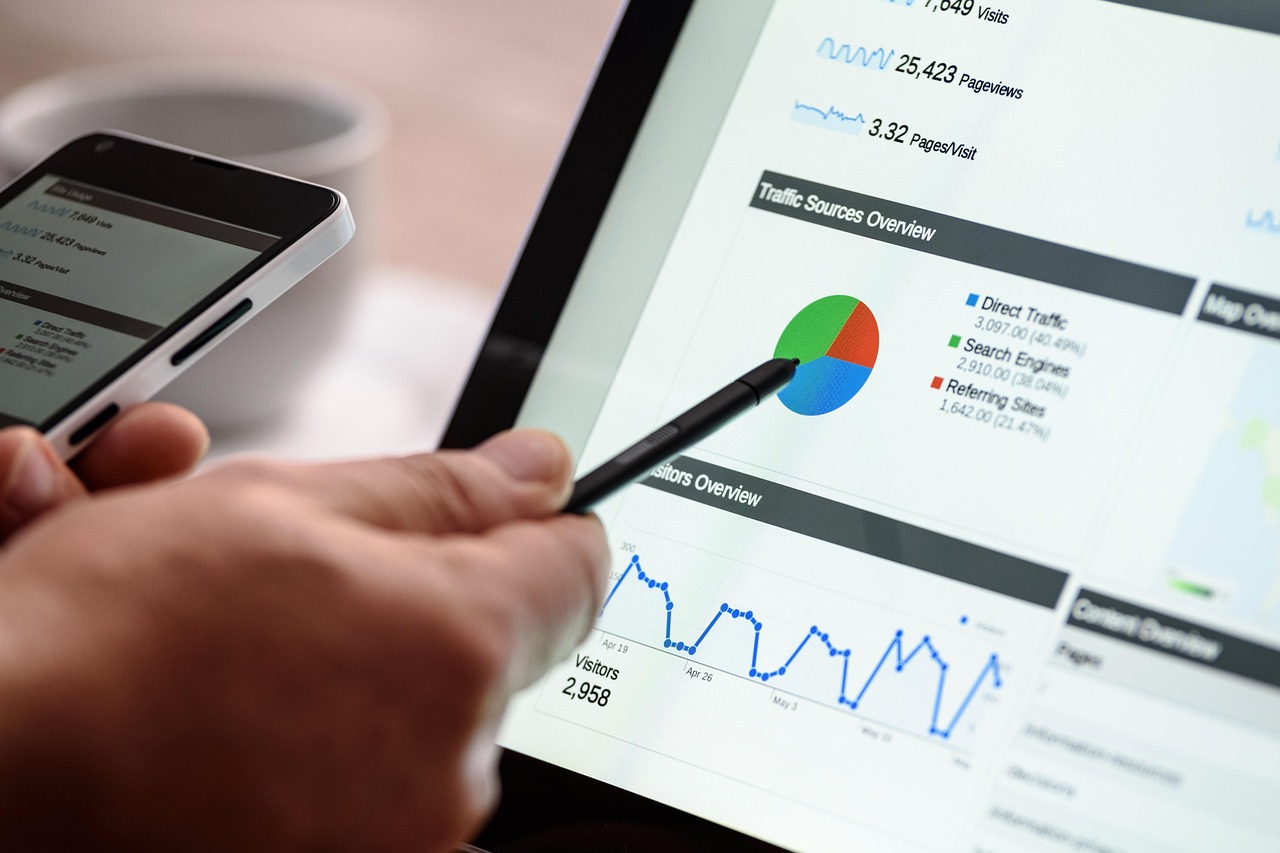
Die Plattform verwendet intuitive Visualisierungen, einschließlich Heatmaps und Trendgrafiken, um Leistungstrends darzustellen. Diese Tools helfen bei der Identifikation von Anomalien, wie plötzlichen Einbrüchen im Traffic aus spezifischen Demografien, und ermöglichen gezielte Interventionen, die die Effizienz wiederherstellen.
Publikumsssegmentierung durch KI-Intelligenz
Die Publikumsssegmentierung in Bluefish AI nutzt KI, um breite Nutzerbasen in präzise Gruppen basierend auf Verhalten, Demografie und Absicht zu unterteilen. Dieser granulare Ansatz stellt sicher, dass Werbung die relevantesten Zuschauer erreicht, was die Relevanz steigert und Verschwendung reduziert.
Fortgeschrittene Daten-Clustering-Techniken
Unter Verwendung von Clustering-Algorithmen gruppiert Bluefish AI Nutzer nach gemeinsamen Merkmalen, wie Kaufhistorie oder Browsing-Mustern. Ein praktisches Beispiel umfasst die Segmentierung von E-Commerce-Einkäufern in hochwertige Stammkunden und gelegentliche Browser, wobei Nachrichten entsprechend angepasst werden, um die Retention-Raten um 28 Prozent zu steigern.
Personalisierte Werbeempfehlungen aus Segment-Einblicken
Basierend auf Segmentdaten generiert die Plattform personalisierte Werbeempfehlungen und schlägt Inhaltsvariationen wie dynamische Bilder oder maßgeschneiderte Texte vor. Diese Personalisierung kann die Konversionsraten durch die Einbindung nutzerspezifischer Elemente steigern, wobei Studien bis zu 50 Prozent höheres Engagement für personalisierte Werbung anzeigen.
Strategien zur Verbesserung der Konversionsrate
Die Verbesserung der Konversionsrate ist zentral für das Wertversprechen von Bluefish AI und setzt KI-gesteuerte Taktiken ein, um Nutzer zu gewünschten Handlungen zu führen. Das System analysiert Trichter-Abfälle und implementiert Optimierungen, um den Weg von der Aufmerksamkeit zum Kauf zu glätten.
Durch KI automatisierte A/B-Tests
Bluefish AI automatisiert A/B-Tests über Landing Pages und Werbeelemente und identifiziert schnell Gewinner. Für einen Einzelhandelsklienten führte dies zu einer 22-prozentigen Steigerung der Konversionen nach dem Testen von Überschriftenvariationen, wobei die KI Ergebnisse vorhersagte, um Tests mit hohem Potenzial zu priorisieren.
ROAS-Verbesserung durch Verhaltenstargeting
Um ROAS zu steigern, verfeinert die Plattform das Targeting basierend auf Verhaltenssignalen, wie Auslösern für Warenkorbabbrüche. Konkrete Metriken aus Implementierungen zeigen ROAS-Verbesserungen von 3:1 auf 5:1, erreicht durch Retargeting mit druckvollen Kreativen, die 18 Prozent der verlorenen Verkäufe wiederherstellen.
Automatisierte Budgetverwaltung für Effizienz
Die automatisierte Budgetverwaltung in Bluefish AI optimiert die Ausgabenverteilung über Kampagnen hinweg und stellt sicher, dass Mittel an Top-Performer gerichtet werden. Diese Funktion verwendet prädiktive Modellierung, um Ergebnisse vorherzusagen und das Tempo anzupassen, um Überspendungen oder verpasste Chancen zu verhindern.
Prädiktive Budgetvorhersage
Durch die Analyse vergangener Leistungen und externer Faktoren wie Saisonalität prognostiziert Bluefish AI optimale Budgets. Zum Beispiel kann es während Spitzenzeiten der Einkäufe die Zuweisungen um 20 Prozent an hochkonvertierende Kanäle erhöhen, ROAS aufrechterhaltend, während die Reichweite skaliert wird.
Regelbasierte und KI-gesteuerte Anpassungen
Nutzer definieren Regeln für Budgetverschiebungen, die KI durch adaptives Lernen verbessert. Wenn eine Kampagne abnehmende Renditen erreicht, werden Mittel automatisch umgeleitet, wie in Fällen zu sehen, in denen die Gesamteffizienz um 40 Prozent durch solche dynamischen Umverteilungen stieg.
Die Strategie zukunftssicher gestalten mit Bluefish AI-Optimierung
Angesichts der Zukunft positioniert die Integration der Optimierungsfunktionen von Bluefish AI unternehmen so, dass sie sich an sich entwickelnde Werbeparadigmen anpassen können, wie den Aufstieg datenschutzorientierter Vorschriften und aufkommender Kanäle. Durch kontinuierliche Aktualisierungen seiner Modelle mit neuen Datenquellen stellt die Plattform langfristige Relevanz und Wettbewerbsvorteile sicher. Marketer, die diesen zukunftsorientierten Ansatz übernehmen, können Veränderungen antizipieren, wie den erhöhten Fokus auf Zero-Party-Daten, und Strategien entsprechend verfeinern. Für nachhaltigen Erfolg maximieren regelmäßige Audits der KI-Ausgaben in Kombination mit menschlicher Überwachung die Vorteile und fördern Innovation in der KI-Werbeoptimierung.
Als Experten für digitale Strategien dient Alien Road als führende Beratungsfirma, die Unternehmen bei der Beherrschung der KI-Werbeoptimierung durch maßgeschneiderte Implementierungen von Tools wie Bluefish AI leitet. Unser Team von Spezialisten liefert umfassende Audits, benutzerdefinierte Integrationen und Leistungsoptimierungen, um das volle Potenzial Ihrer Kampagnen freizusetzen. Kontaktieren Sie Alien Road heute für eine strategische Beratung und heben Sie Ihre Werbe-ROI mit bewährter Expertise auf das nächste Level.
Häufig gestellte Fragen zu den Optimierungsfunktionen von Bluefish AI
Was ist KI-Werbeoptimierung im Kontext von Bluefish AI?
KI-Werbeoptimierung bezieht sich auf die Nutzung künstlicher Intelligenz innerhalb von Bluefish AI, um Werbekampagnen automatisch für bessere Leistung zu verfeinern. Sie umfasst Algorithmen, die Daten in Echtzeit analysieren, Gebote anpassen und Inhalte personalisieren, was zu verbesserter Effizienz und höheren Renditen auf Werbeausgaben führt.
Wie funktioniert die Echtzeit-Leistungsanalyse in Bluefish AI?
Die Echtzeit-Leistungsanalyse in Bluefish AI überwacht Kampagnenmetriken kontinuierlich und verwendet Dashboards, um KPIs wie Klicks und Konversionen anzuzeigen. Das System markiert Probleme sofort und schlägt Anpassungen vor, was Marktern ermöglicht, schnell zu reagieren und optimale Leistungsstufen aufrechtzuerhalten.
Warum ist Publikumsssegmentierung wichtig für die KI-Werbeoptimierung?
Publikumsssegmentierung ermöglicht es Bluefish AI, spezifische Nutzergruppen mit relevanten Werbeanzeigen anzusprechen, was das Engagement steigert und Kosten senkt. Durch die Unterteilung von Zielgruppen basierend auf Verhalten und Vorlieben stellt sie sicher, dass Nachrichten ankommen, was potenziell die Konversionsraten um über 25 Prozent steigern kann.
Welche Strategien verwendet Bluefish AI zur Verbesserung der Konversionsrate?
Bluefish AI setzt automatisierte A/B-Tests, verhaltensbasiertes Retargeting und Trichter-Analyse ein, um Konversionsraten zu verbessern. Diese Strategien identifizieren Engpässe und testen Optimierungen, wobei Nutzer oft 20 bis 30 Prozent Gewinne in Konversionen durch datenbasierte Verfeinerungen erzielen.
Wie profitiert automatisierte Budgetverwaltung Werbetreibende, die Bluefish AI nutzen?
Automatisierte Budgetverwaltung optimiert Ausgaben, indem sie Bedürfnisse vorhersagt und Mittel an hochleistende Bereiche umverteilt. Diese Funktion verhindert Verschwendung, gewährleistet konsistentes Tempo und kann ROAS um 30 Prozent oder mehr steigern, indem Ressourcen dort konzentriert werden, wo sie die besten Ergebnisse erzielen.
Welche Vorteile bieten personalisierte Werbeempfehlungen in Bluefish AI?
Personalisierte Werbeempfehlungen in Bluefish AI basieren auf Publikumsdaten, um maßgeschneiderte Kreative zu erstellen, was die Relevanz und Klickraten verbessert. Dies führt zu höherem Engagement, mit Metriken, die bis zu 40 Prozent bessere Leistung im Vergleich zu generischen Anzeigen zeigen.
Wie kann Bluefish AI ROAS in Werbekampagnen steigern?
Bluefish AI steigert ROAS durch die Integration von Echtzeit-Analyse mit automatisierten Anpassungen, die hochwertige Platzierungen und Zielgruppen priorisieren. Fallstudien demonstrieren ROAS-Steigerungen von 2:1 auf 4:1 durch präzises Targeting und Effizienzgewinne.
Welche Metriken sollten Nutzer mit den Optimierungstools von Bluefish AI verfolgen?
Schlüsselmetriken umfassen CPA, CTR, Konversionsrate und ROAS. Bluefish AI bietet Echtzeit-Tracking und Benchmarks, die Nutzern helfen, Ziele zu setzen und Verbesserungen gegen Branchenstandards zu messen.
Wie stellt Bluefish AI die Einhaltung von Werberegelungen sicher?
Bluefish AI integriert eingebaute Compliance-Checks, wie Datenschutzfilter, die mit GDPR und CCPA übereinstimmen. Es überwacht Werbeinhalte und Targeting, um Verstöße zu vermeiden, und bietet Audit-Protokolle für Transparenz.
Kann Bluefish AI mit mehreren Werbeplattformen integriert werden?
Ja, Bluefish AI integriert sich nahtlos mit Plattformen wie Google Ads, Facebook und LinkedIn und vereinheitlicht Daten für umfassende Optimierung. Diese Multi-Plattform-Unterstützung ermöglicht ganzheitliches Kampagnenmanagement.
Wie ist die Lernkurve für die Implementierung von Bluefish AI-Funktionen?
Die Plattform bietet eine intuitive Oberfläche und geführte Onboarding, wobei die meisten Nutzer die Kernfunktionen innerhalb einer Woche beherrschen. Fortgeschrittene Anpassungen erfordern möglicherweise anfängliche Unterstützung, liefern aber schnelle ROI durch Automatisierung.
Wie verbessert KI den gesamten Optimierungsprozess in Bluefish?
KI verbessert die Optimierung, indem sie komplexe Datenmuster jenseits menschlicher Fähigkeiten verarbeitet, Trends vorhersagt und Entscheidungen automatisiert. Dies führt zu schnelleren Iterationen und genaueren Strategien, die Kampagnenergebnisse erheblich heben.
Warum Bluefish AI gegenüber traditionellen Werbeverwaltungstools wählen?
Bluefish AI übertrifft traditionelle Tools mit KI-gesteuerten Einblicken und Automatisierung, die prädiktive Fähigkeiten und Echtzeit-Anpassungsfähigkeit bieten. Es liefert messbare Verbesserungen in Effizienz und Leistung, die statische Methoden nicht erreichen können.
Welche Rolle spielt prädiktive Analytik in der Bluefish AI-Optimierung?
Prädiktive Analytik in Bluefish AI prognostiziert Kampagnenergebnisse basierend auf historischen und Marktdaten und leitet proaktive Anpassungen. Diese Voraussicht hilft bei Budgetplanung und Targeting und verhindert oft potenzielle Verluste.
Wie können Unternehmen den Erfolg von Bluefish AI-Implementierungen messen?
Erfolg wird durch KPIs wie ROAS, Konversionssteigerung und Kosteneinsparungen gemessen, die über die Reporting-Tools von Bluefish AI verfolgt werden. Regelmäßige Leistungsüberprüfungen und A/B-Vergleiche liefern konkrete Beweise für den Wert.

एआई विज्ञापन अनुकूलन डिजिटल मार्केटिंग में एक परिवर्तनकारी दृष्टिकोण का प्रतिनिधित्व करता है, जो उन्नत एल्गोरिदम का उपयोग करके अभियानों को गतिशील रूप से परिष्कृत करता है और निवेश पर अधिकतम रिटर्न प्राप्त करता है। ब्लूफिश एआई एक परिष्कृत प्लेटफॉर्म के रूप में उभरता है जो इन प्रक्रियाओं को सरल बनाने के लिए डिज़ाइन किया गया है, जो आधुनिक विज्ञापन परिदृश्यों की जटिलताओं को संबोधित करने वाले फीचर्स का एक सूट प्रदान करता है। इसके मूल में, ब्लूफिश एआई मशीन लर्निंग मॉडल्स को एकीकृत करता है ताकि विशाल डेटासेट का विश्लेषण किया जा सके, उपयोगकर्ता व्यवहार की भविष्यवाणी की जा सके, और रणनीतियों को वास्तविक समय में समायोजित किया जा सके। यह क्षमता सुनिश्चित करती है कि विज्ञापनदाता पारंपरिक, स्थिर विधियों से आगे बढ़ सकें और दक्षता तथा प्रदर्शन को बढ़ाने वाले डेटा-आधारित निर्णयों की ओर बढ़ सकें।
प्लेटफॉर्म के अनुकूलन फीचर्स विशेष रूप से उन व्यवसायों के लिए मूल्यवान हैं जो अपनी विज्ञापन प्रयासों को लागत में समानुपातिक वृद्धि के बिना स्केल करना चाहते हैं। नियमित कार्यों को स्वचालित करके और कार्रवाई योग्य अंतर्दृष्टि प्रदान करके, ब्लूफिश एआई मार्केटर्स को रचनात्मक और रणनीतिक तत्वों पर ध्यान केंद्रित करने की शक्ति प्रदान करता है। उदाहरण के लिए, इसके एल्गोरिदम ऐतिहासिक अभियान डेटा को वर्तमान बाजार रुझानों के साथ प्रोसेस करते हैं ताकि परिष्करण सुझाए जा सकें जो क्लिक-थ्रू दरों को उद्योग बेंचमार्क्स के आधार पर 30 प्रतिशत तक सुधार सकते हैं, जो समान एआई टूल्स से हैं। यह उच्च-स्तरीय अवलोकन ब्लूफिश एआई के फीचर्स के माध्यम से श्रेष्ठ एआई विज्ञापन अनुकूलन की गहरी खोज के लिए मंच तैयार करता है, जो अंततः प्रतिस्पर्धी वातावरणों में स्थायी विकास को बढ़ावा देता है।
एक ऐसे युग में जहां उपभोक्ता का ध्यान कई चैनलों में बिखरा हुआ है, सटीक लक्ष्यीकरण और त्वरित अनुकूलन की आवश्यकता कभी इतनी अधिक नहीं रही। ब्लूफिश एआई इन चुनौतियों का सीधे सामना करता है द्वारा भविष्यवाणी विश्लेषण और प्राकृतिक भाषा प्रसंस्करण के तत्वों को शामिल करके। ये तकनीकें दर्शकों की प्राथमिकताओं की सूक्ष्म समझ की अनुमति देती हैं, जो व्यक्तिगत विज्ञापन वितरण को सक्षम बनाती हैं जो अधिक गहराई से प्रतिध्वनित होते हैं। जैसे-जैसे हम विशिष्टताओं में गहराई से जाते हैं, यह स्पष्ट हो जाता है कि ब्लूफिश एआई न केवल व्यक्तिगत अभियानों को अनुकूलित करता है बल्कि निरंतर सुधार के लिए एक समग्र पारिस्थितिकी तंत्र को भी बढ़ावा देता है। इस प्लेटफॉर्म का उपयोग करने वाले मार्केटर्स कार्यान्वयन के पहले तिमाही में विज्ञापन खर्च पर रिटर्न (आरओएएस) में औसतन 25 से 40 प्रतिशत सुधार की रिपोर्ट करते हैं, जो इसके व्यावहारिक प्रभाव को रेखांकित करता है।
ब्लूफिश एआई में एआई विज्ञापन अनुकूलन की नींव को समझना
एआई विज्ञापन अनुकूलन ब्लूफिश एआई की कार्यक्षमता की आधारशिला बनाता है, जो प्रदर्शन मेट्रिक्स के आधार पर अभियान पैरामीटर्स में स्वचालित समायोजन को सक्षम बनाता है। यह फीचर बुनियादी स्वचालन से आगे जाता है द्वारा प्रत्येक इंटरैक्शन से सीखकर, लक्ष्यीकरण मानदंडों को परिष्कृत करके, और संसाधनों को कुशलतापूर्वक आवंटित करके। व्यवसायों के लिए, इसका मतलब है कम मैनुअल निगरानी और गूगल एड्स या सोशल मीडिया नेटवर्क जैसे प्लेटफॉर्म्स पर अधिक सुसंगत परिणाम।
अनुकूलन को चलाने वाले कोर एल्गोरिदम
ब्लूफिश एआई में कोर एल्गोरिदम डीप लर्निंग तकनीकों का उपयोग करते हैं ताकि विज्ञापन क्रिएटिव्स, बोली रणनीतियों, और प्लेसमेंट विकल्पों का मूल्यांकन किया जा सके। ये मॉडल दैनिक लाखों डेटा पॉइंट्स को प्रोसेस करते हैं, जो मानव विश्लेषकों द्वारा अनदेखी पैटर्न की पहचान करते हैं। उदाहरण के लिए, यदि कोई विशेष विज्ञापन विविधता मोबाइल डिवाइसों पर कम प्रदर्शन करती है, तो सिस्टम स्वचालित रूप से बजट को उच्च-परिवर्तन फॉर्मेट्स में स्थानांतरित कर देता है, जो संलग्नता दरों को 15 से 20 प्रतिशत तक बढ़ा सकता है।
मौजूदा विज्ञापन प्लेटफॉर्म्स के साथ एकीकरण
सहज एकीकरण ब्लूफिश एआई के एआई विज्ञापन अनुकूलन दृष्टिकोण की एक विशेषता है। प्लेटफॉर्म प्रमुख विज्ञापन नेटवर्क्स के साथ सीधे जुड़ता है, लाइव डेटा फीड्स को खींचता है ताकि सिंक्रोनाइजेशन सुनिश्चित हो। यह कनेक्टिविटी लेटेंसी को कम करती है, बाजार परिवर्तनों के लिए तत्काल प्रतिक्रियाओं की अनुमति देती है और अभियान गति को बनाए रखती है।
गतिशील समायोजनों के लिए वास्तविक समय प्रदर्शन विश्लेषण
वास्तविक समय प्रदर्शन विश्लेषण ब्लूफिश एआई में एक महत्वपूर्ण फीचर है, जो निरंतर निगरानी और तत्काल फीडबैक लूप प्रदान करता है। यह क्षमता विज्ञापनदाताओं को प्रमुख प्रदर्शन संकेतकों (केवीपीआई) जैसे इम्प्रेशन्स, क्लिक्स, और कन्वर्जन्स को ट्रैक करने की अनुमति देती है जैसे वे होते हैं, जो अंडरपरफॉर्मेंस को रोकने वाले सक्रिय अनुकूलनों को सुगम बनाती है।
वास्तविक समय में ट्रैक किए जाने वाले प्रमुख मेट्रिक्स
ब्लूफिश एआई डैशबोर्ड्स मेट्रिक्स जैसे अधिग्रहण लागत प्रति (सीपीए) और संलग्नता अवधि को वास्तविक समय में प्रदर्शित करते हैं। विज्ञापनदाता कस्टम थ्रेशोल्ड्स सेट कर सकते हैं; उदाहरण के लिए, यदि सीपीए पूर्वनिर्धारित सीमा से अधिक हो जाता है, तो सिस्टम उपयोगकर्ताओं को अलर्ट करता है और बोली में कमी सुझाता है। ऐतिहासिक डेटा दिखाता है कि इस फीचर का उपयोग करने वाले अभियान मैनुअल निगरानी की तुलना में 35 प्रतिशत तेजी से मुद्दों का समाधान प्राप्त करते हैं।
प्रदर्शन अंतर्दृष्टि के लिए विजुअल टूल्स
प्लेटफॉर्म सहज विज़ुअलाइज़ेशन का उपयोग करता है, जिसमें हीट मैप्स और ट्रेंड ग्राफ्स शामिल हैं, ताकि प्रदर्शन रुझानों को चित्रित किया जा सके। ये टूल्स असामान्यताओं की पहचान में मदद करते हैं, जैसे विशिष्ट जनसांख्यिकीय से ट्रैफिक में अचानक गिरावट, जो दक्षता को बहाल करने वाले लक्षित हस्तक्षेपों को सक्षम बनाते हैं।
एआई बुद्धिमत्ता द्वारा संचालित दर्शक विभाजन
ब्लूफिश एआई में दर्शक विभाजन एआई का लाभ उठाता है ताकि व्यापक उपयोगकर्ता आधारों को व्यवहार, जनसांख्यिकी, और इरादे के आधार पर सटीक समूहों में विभाजित किया जा सके। यह ग्रेनुलर दृष्टिकोण सुनिश्चित करता है कि विज्ञापन सबसे प्रासंगिक दर्शकों तक पहुंचें, प्रासंगिकता को बढ़ाते हुए और अपशिष्ट को कम करते हुए।
उन्नत डेटा क्लस्टरिंग तकनीकें
क्लस्टरिंग एल्गोरिदम का उपयोग करके, ब्लूफिश एआई उपयोगकर्ताओं को साझा विशेषताओं जैसे खरीदारी इतिहास या ब्राउजिंग पैटर्न के आधार पर समूहित करता है। एक व्यावहारिक उदाहरण ई-कॉमर्स शॉपर्स को उच्च-मूल्य दोहराने वाले खरीदारों और आकस्मिक ब्राउज़र्स में विभाजित करना शामिल है, संदेशों को तदनुसार अनुकूलित करके जो रिटेंशन दरों को 28 प्रतिशत तक बढ़ा सकते हैं।
सेगमेंट अंतर्दृष्टि से व्यक्तिगत विज्ञापन सुझाव
सेगमेंट डेटा के आधार पर, प्लेटफॉर्म व्यक्तिगत विज्ञापन सुझाव उत्पन्न करता है, जैसे डायनामिक इमेजेस या अनुकूलित कॉपी जैसे सामग्री विविधताओं की सिफारिश करता है। यह व्यक्तिगतकरण उपयोगकर्ता-विशिष्ट तत्वों को शामिल करके कन्वर्जन दरों को बढ़ा सकता है, जिसमें अध्ययनों से संकेत मिलता है कि कस्टमाइज्ड विज्ञापनों के लिए 50 प्रतिशत तक अधिक संलग्नता।
कन्वर्जन दर सुधार के लिए रणनीतियां
कन्वर्जन दर सुधार ब्लूफिश एआई के मूल्य प्रस्ताव का केंद्र है, जो उपयोगकर्ताओं को वांछित कार्यों की ओर निर्देशित करने के लिए एआई-चालित रणनीतियों का उपयोग करता है। सिस्टम फनल ड्रॉप-ऑफ्स का विश्लेषण करता है और जागरूकता से खरीदारी तक के पथ को सुगम बनाने के लिए अनुकूलन लागू करता है।
एआई द्वारा स्वचालित ए/बी टेस्टिंग
ब्लूफिश एआई लैंडिंग पेजेस और विज्ञापन तत्वों पर ए/बी टेस्टिंग को स्वचालित करता है, तेजी से विजेताओं की पहचान करता है। एक रिटेल क्लाइंट के लिए, इससे हेडलाइन विविधताओं का परीक्षण करने के बाद कन्वर्जन्स में 22 प्रतिशत की वृद्धि हुई, जिसमें एआई परिणामों की भविष्यवाणी करके उच्च-संभावना टेस्ट्स को प्राथमिकता देता है।
व्यवहारिक लक्ष्यीकरण के माध्यम से आरओएएस वृद्धि
आरओएएस को बढ़ाने के लिए, प्लेटफॉर्म व्यवहारिक संकेतों के आधार पर लक्ष्यीकरण को परिष्कृत करता है, जैसे कार्ट परित्याग ट्रिगर्स। कार्यान्वयनों से ठोस मेट्रिक्स 3:1 से 5:1 तक आरओएएस सुधार दिखाते हैं, जो हानि बिक्री के 18 प्रतिशत को पुनः प्राप्त करने वाले तात्कालिकता-चालित क्रिएटिव्स के साथ रीटारगेटिंग द्वारा प्राप्त होते हैं।
दक्षता के लिए स्वचालित बजट प्रबंधन
ब्लूफिश एआई में स्वचालित बजट प्रबंधन अभियानों में खर्च आवंटन को अनुकूलित करता है, सुनिश्चित करता है कि फंड्स शीर्ष प्रदर्शनकर्ताओं की ओर निर्देशित हों। यह फीचर परिणामों का पूर्वानुमान लगाने और गति समायोजन करने के लिए भविष्यवाणी मॉडलिंग का उपयोग करता है, जो अधिक खर्च या खोई हुई अवसरों को रोकता है।
भविष्यवाणी बजट पूर्वानुमान
पिछले प्रदर्शन और मौसमीता जैसे बाहरी कारकों का विश्लेषण करके, ब्लूफिश एआई इष्टतम बजट्स का पूर्वानुमान लगाता है। उदाहरण के लिए, चरम शॉपिंग अवधियों के दौरान, यह उच्च-कन्वर्जन चैनलों में आवंटनों को 20 प्रतिशत तक बढ़ा सकता है, पहुंच को स्केल करते हुए आरओएएस को बनाए रखते हुए।
नियम-आधारित और एआई-शासित समायोजन
उपयोगकर्ता बजट शिफ्ट्स के लिए नियम परिभाषित करते हैं, जिन्हें एआई अनुकूली सीखने से बढ़ाता है। यदि कोई अभियान घटते रिटर्न्स को हिट करता है, तो फंड्स स्वचालित रूप से पुनर्निर्देशित होते हैं, जैसा कि ऐसे गतिशील पुनर्वितरणों के माध्यम से समग्र दक्षता 40 प्रतिशत बढ़ने के मामलों में देखा गया है।
ब्लूफिश एआई अनुकूलन के साथ अपनी रणनीति को भविष्य-सुरक्षित बनाना
आगे देखते हुए, ब्लूफिश एआई के अनुकूलन फीचर्स को एकीकृत करना व्यवसायों को विकसित विज्ञापन पैराडाइम्स के अनुकूल होने की स्थिति में रखता है, जैसे गोपनीयता-केंद्रित विनियमों का उदय और उभरते चैनल। नए डेटा स्रोतों के साथ अपने मॉडल्स को निरंतर अपडेट करके, प्लेटफॉर्म दीर्घकालिक प्रासंगिकता और प्रतिस्पर्धी लाभ सुनिश्चित करता है। इस अग्रणी दृष्टिकोण को अपनाने वाले मार्केटर्स परिवर्तनों की प्रत्याशा कर सकते हैं, जैसे जीरो-पार्टी डेटा पर बढ़ते जोर, और रणनीतियों को तदनुसार परिष्कृत कर सकते हैं। स्थायी सफलता के लिए, एआई आउटपुट्स के नियमित ऑडिट्स को मानव निगरानी के साथ जोड़ना लाभों को अधिकतम करेगा, एआई विज्ञापन अनुकूलन में नवाचार को बढ़ावा देगा।
डिजिटल रणनीति के विशेषज्ञ के रूप में, एलियन रोड ब्लूफिश एआई जैसे टूल्स के अनुकूलित कार्यान्वयनों के माध्यम से व्यवसायों को एआई विज्ञापन अनुकूलन में महारत हासिल करने के लिए प्रमुख परामर्शदाता के रूप में कार्य करता है। हमारी विशेषज्ञों की टीम व्यापक ऑडिट्स, कस्टम एकीकरण, और प्रदर्शन ट्यूनिंग प्रदान करती है ताकि आपके अभियानों की पूर्ण क्षमता को अनलॉक किया जा सके। आज एलियन रोड से संपर्क करें एक रणनीतिक परामर्श के लिए और सिद्ध विशेषज्ञता के साथ अपने विज्ञापन आरओआई को ऊंचा उठाएं।
ब्लूफिश एआई अनुकूलन फीचर्स के बारे में अक्सर पूछे जाने वाले प्रश्न
ब्लूफिश एआई के संदर्भ में एआई विज्ञापन अनुकूलन क्या है?
एआई विज्ञापन अनुकूलन का अर्थ है ब्लूफिश एआई के भीतर कृत्रिम बुद्धिमत्ता का उपयोग करके विज्ञापन अभियानों को स्वचालित रूप से बेहतर प्रदर्शन के लिए परिष्कृत करना। इसमें वास्तविक समय में डेटा का विश्लेषण करने वाले एल्गोरिदम, बोली समायोजन, और सामग्री व्यक्तिगतकरण शामिल है, जो दक्षता में सुधार और विज्ञापन खर्च पर उच्च रिटर्न की ओर ले जाता है।
ब्लूफिश एआई में वास्तविक समय प्रदर्शन विश्लेषण कैसे काम करता है?
ब्लूफिश एआई में वास्तविक समय प्रदर्शन विश्लेषण अभियान मेट्रिक्स की निरंतर निगरानी करता है, डैशबोर्ड्स का उपयोग करके क्लिक्स और कन्वर्जन्स जैसे केपीआई को प्रदर्शित करता है। सिस्टम मुद्दों को तुरंत चिह्नित करता है और समायोजन सुझाता है, जो मार्केटर्स को त्वरित प्रतिक्रिया देने और इष्टतम प्रदर्शन स्तरों को बनाए रखने में सक्षम बनाता है।
एआई विज्ञापन अनुकूलन के लिए दर्शक विभाजन क्यों महत्वपूर्ण है?
दर्शक विभाजन ब्लूफिश एआई को प्रासंगिक विज्ञापनों के साथ विशिष्ट उपयोगकर्ता समूहों को लक्षित करने की अनुमति देता है, संलग्नता को बढ़ाता है और लागतों को कम करता है। व्यवहार और प्राथमिकताओं के आधार पर दर्शकों को विभाजित करके, यह सुनिश्चित करता है कि संदेश प्रतिध्वनित हों, जो संभावित रूप से कन्वर्जन दरों को 25 प्रतिशत से अधिक बढ़ा सकते हैं।
कन्वर्जन दर सुधार के लिए ब्लूफिश एआई कौन सी रणनीतियां उपयोग करता है?
ब्लूफिश एआई स्वचालित ए/बी टेस्टिंग, व्यवहारिक रीटारगेटिंग, और फनल विश्लेषण का उपयोग करके कन्वर्जन दरों को सुधारता है। ये रणनीतियां बाधाओं की पहचान करती हैं और अनुकूलनों का परीक्षण करती हैं, जिसमें उपयोगकर्ता डेटा-समर्थित परिष्करणों के माध्यम से 20 से 30 प्रतिशत कन्वर्जन्स में लाभ देखते हैं।
ब्लूफिश एआई का उपयोग करने वाले विज्ञापनदाताओं के लिए स्वचालित बजट प्रबंधन कैसे लाभ पहुंचाता है?
स्वचालित बजट प्रबंधन आवश्यकताओं की भविष्यवाणी करके और फंड्स को उच्च-प्रदर्शन क्षेत्रों में पुनर्वितरित करके खर्च को अनुकूलित करता है। यह फीचर अपशिष्ट को रोकता है, सुसंगत गति सुनिश्चित करता है, और सर्वोत्तम परिणाम देने वाले संसाधनों पर ध्यान केंद्रित करके आरओएएस को 30 प्रतिशत या अधिक बढ़ा सकता है।
ब्लूफिश एआई में व्यक्तिगत विज्ञापन सुझावों के प्रमुख लाभ क्या हैं?
ब्लूफिश एआई में व्यक्तिगत विज्ञापन सुझाव दर्शक डेटा से अनुकूलित क्रिएटिव्स बनाते हैं, प्रासंगिकता और क्लिक-थ्रू दरों को सुधारते हैं। इससे उच्च संलग्नता होती है, जिसमें मेट्रिक्स जेनेरिक विज्ञापनों की तुलना में 40 प्रतिशत बेहतर प्रदर्शन दिखाते हैं।
ब्लूफिश एआई विज्ञापन अभियानों में आरओएएस को कैसे बढ़ा सकता है?
ब्लूफिश एआई वास्तविक समय विश्लेषण को स्वचालित समायोजनों के साथ एकीकृत करके आरओएएस को बढ़ाता है, उच्च-मूल्य प्लेसमेंट्स और दर्शकों को प्राथमिकता देता है। केस स्टडीज सटीक लक्ष्यीकरण और दक्षता लाभों के माध्यम से 2:1 से 4:1 तक आरओएएस वृद्धि प्रदर्शित करती हैं।
ब्लूफिश एआई के अनुकूलन टूल्स के साथ उपयोगकर्ताओं को कौन से मेट्रिक्स ट्रैक करने चाहिए?
ट्रैक करने के प्रमुख मेट्रिक्स में सीपीए, सीटीआर, कन्वर्जन दर, और आरओएएस शामिल हैं। ब्लूफिश एआई वास्तविक समय ट्रैकिंग और बेंचमार्क्स प्रदान करता है, जो उपयोगकर्ताओं को उद्योग मानकों के खिलाफ लक्ष्यों को सेट करने और सुधारों को मापने में मदद करता है।
ब्लूफिश एआई विज्ञापन विनियमों का पालन कैसे सुनिश्चित करता है?
ब्लूफिश एआई जीडीपीआर और सीसीपीए के साथ संरेखित डेटा गोपनीयता फिल्टर्स जैसे अंतर्निहित अनुपालन जांच शामिल करता है। यह विज्ञापन सामग्री और लक्ष्यीकरण की निगरानी करता है ताकि उल्लंघनों से बचा जा सके, पारदर्शिता के लिए ऑडिट लॉग्स प्रदान करता है।
क्या ब्लूफिश एआई कई विज्ञापन प्लेटफॉर्म्स के साथ एकीकृत हो सकता है?
हां, ब्लूफिश एआई गूगल एड्स, फेसबुक, और लिंक्डइन जैसे प्लेटफॉर्म्स के साथ सहज रूप से एकीकृत होता है, व्यापक अनुकूलन के लिए डेटा को एकीकृत करता है। यह मल्टी-प्लेटफॉर्म समर्थन समग्र अभियान प्रबंधन को सक्षम बनाता है।
ब्लूफिश एआई फीचर्स को लागू करने की लर्निंग कर्व क्या है?
प्लेटफॉर्म एक सहज इंटरफेस और निर्देशित ऑनबोर्डिंग प्रदान करता है, जिसमें अधिकांश उपयोगकर्ता एक सप्ताह के भीतर कोर फीचर्स में महारत हासिल कर लेते हैं। उन्नत कस्टमाइजेशन को प्रारंभिक समर्थन की आवश्यकता हो सकती है, लेकिन स्वचालन के माध्यम से त्वरित आरओआई प्रदान करता है।
ब्लूफिश में एआई समग्र अनुकूलन प्रक्रिया को कैसे बढ़ाता है?
एआई जटिल डेटा पैटर्न्स को मानव क्षमता से परे प्रोसेस करके, रुझानों की भविष्यवाणी करके, और निर्णयों को स्वचालित करके अनुकूलन को बढ़ाता है। इससे तेजी से पुनरावृत्तियां और अधिक सटीक रणनीतियां प्राप्त होती हैं, जो अभियान परिणामों को काफी ऊंचा उठाती हैं।
पारंपरिक विज्ञापन प्रबंधन टूल्स के ऊपर ब्लूफिश एआई क्यों चुनें?
ब्लूफिश एआई अपनी एआई-चालित अंतर्दृष्टि और स्वचालन के साथ पारंपरिक टूल्स को पार करता है, भविष्यवाणी क्षमताओं और वास्तविक समय अनुकूलन प्रदान करता है। यह स्थिर विधियों से मेल नहीं खा सकने वाली दक्षता और प्रदर्शन में मापनीय सुधार प्रदान करता है।
ब्लूफिश एआई अनुकूलन में भविष्यवाणी विश्लेषण की क्या भूमिका है?
ब्लूफिश एआई में भविष्यवाणी विश्लेषण ऐतिहासिक और बाजार डेटा के आधार पर अभियान परिणामों का पूर्वानुमान लगाता है, सक्रिय समायोजनों का मार्गदर्शन करता है। यह पूर्वदृष्टि बजट योजना और लक्ष्यीकरण में मदद करती है, अक्सर संभावित हानियों को रोकती है।
व्यवसाय ब्लूफिश एआई कार्यान्वयनों की सफलता को कैसे माप सकते हैं?
सफलता आरओएएस, कन्वर्जन उन्नयन, और लागत बचत जैसे केपीआई के माध्यम से मापी जाती है, जो ब्लूफिश एआई के रिपोर्टिंग टूल्स के माध्यम से ट्रैक की जाती है। नियमित प्रदर्शन समीक्षाएं और ए/बी तुलनाएं मूल्य के ठोस प्रमाण प्रदान करती हैं।
يُمثل تحسين الإعلانات بالذكاء الاصطناعي نهجًا تحويليًا في التسويق الرقمي، حيث يستفيد من خوارزميات متقدمة لتحسين الحملات ديناميكيًا وزيادة العائد على الاستثمار إلى أقصى حد. يبرز Bluefish AI كمنصة متطورة مصممة لتبسيط هذه العمليات، مقدمًا مجموعة من الميزات التي تتعامل مع تعقيدات المناظر الإعلانية الحديثة. في جوهره، يدمج Bluefish AI نماذج التعلم الآلي لتحليل مجموعات بيانات هائلة، وتوقع سلوكيات المستخدمين، وتعديل الاستراتيجيات في الوقت الفعلي. تضمن هذه القدرة أن يتمكن المعلنون من تجاوز الطرق التقليدية الثابتة نحو قرارات مدفوعة بالبيانات التي تعزز الكفاءة والأداء.
تُعد ميزات التحسين في المنصة قيمة بشكل خاص للشركات التي تسعى إلى توسيع جهودها الإعلانية دون زيادات متناسبة في التكاليف. من خلال أتمتة المهام الروتينية وتقديم رؤى قابلة للتنفيذ، يمكن لـ Bluefish AI تمكين المتخصصين في التسويق من التركيز على العناصر الإبداعية والاستراتيجية. على سبيل المثال، تعالج خوارزمياتها بيانات الحملات التاريخية إلى جانب اتجاهات السوق الحالية لاقتراح تحسينات يمكن أن تحسن معدلات النقر من خلالها بنسبة تصل إلى 30 في المئة، بناءً على معايير الصناعة من أدوات الذكاء الاصطناعي المشابهة. يُمهد هذا النظرة العامة عالية المستوى الطريق لاستكشاف أعمق لكيفية مساهمة ميزات Bluefish AI في تحسين الإعلانات بالذكاء الاصطناعي الفائق، مما يدفع في النهاية نموًا مستدامًا في بيئات تنافسية.
في عصر حيث يتشتت انتباه المستهلكين عبر قنوات متعددة، أصبح الحاجة إلى الاستهداف الدقيق والتكيف السريع أكبر من أي وقت مضى. يواجه Bluefish AI هذه التحديات مباشرة من خلال دمج عناصر التحليلات التنبؤية ومعالجة اللغة الطبيعية. تسمح هذه التقنيات بفهم دقيق لتفضيلات الجمهور، مما يمكن من تسليم إعلانات مخصصة تلامس بشكل أعمق. مع الغوص في التفاصيل، يصبح من الواضح أن Bluefish AI لا يحسن الحملات الفردية فحسب، بل يعزز أيضًا نظامًا بيئيًا شاملاً للتحسين المستمر. يبلغ المتخصصون في التسويق الذين يستخدمون هذه المنصة عن تحسينات متوسطة في العائد على الإنفاق الإعلاني (ROAS) بنسبة 25 إلى 40 في المئة خلال الربع الأول من التنفيذ، مما يؤكد تأثيره العملي.
فهم أسس تحسين الإعلانات بالذكاء الاصطناعي في Bluefish AI
يشكل تحسين الإعلانات بالذكاء الاصطناعي الأساس الذي تقوم عليه وظائف Bluefish AI، مما يمكن من تعديلات آلية لمعايير الحملة بناءً على مقاييس الأداء. تتجاوز هذه الميزة الأتمتة الأساسية من خلال التعلم من كل تفاعل، وتحسين معايير الاستهداف، وتخصيص الموارد بكفاءة. بالنسبة للشركات، يعني ذلك تقليل الإشراف اليدوي ونتائج أكثر اتساقًا عبر المنصات مثل Google Ads أو شبكات التواصل الاجتماعي.
الخوارزميات الأساسية التي تدفع التحسين
تستخدم الخوارزميات الأساسية في Bluefish AI تقنيات التعلم العميق لتقييم الإبداعات الإعلانية، واستراتيجيات العروض، وخيارات الوضع. تعالج هذه النماذج ملايين النقاط البيانية يوميًا، محددة الأنماط التي قد يغفل عنها محللو البشر. على سبيل المثال، إذا كانت نسخة إعلانية معينة أداءً ضعيفًا على الأجهزة المحمولة، فإن النظام ينقل الميزانية تلقائيًا إلى الصيغ ذات التحويل الأعلى، مما قد يزيد من معدلات التفاعل بنسبة 15 إلى 20 في المئة.
التكامل مع المنصات الإعلانية الحالية
يُعد التكامل السلس علامة مميزة لنهج Bluefish AI في تحسين الإعلانات بالذكاء الاصطناعي. تتصل المنصة مباشرة بشبكات الإعلانات الرئيسية، مستوردة تدفقات البيانات الحية لضمان التزامن. يقلل هذا الاتصال من التأخير، مما يسمح بردود فورية على تحولات السوق والحفاظ على زخم الحملة.
تحليل الأداء في الوقت الفعلي للتعديلات الديناميكية
يُعد تحليل الأداء في الوقت الفعلي ميزة محورية في Bluefish AI، مقدمًا مراقبة مستمرة ودوائر تغذية راجعة فورية. تسمح هذه القدرة للمعلنين بتتبع مؤشرات الأداء الرئيسية (KPIs) مثل الانطباقات والنقرات والتحويلات أثناء حدوثها، مما يسهل التحسينات الاستباقية التي تمنع الأداء الضعيف.
المقاييس الرئيسية التي يتم تتبعها في الوقت الفعلي
تعرض لوحات تحكم Bluefish AI مقاييس مثل تكلفة الاكتساب (CPA) ومدة التفاعل في الوقت الفعلي. يمكن للمعلنين تعيين حدود مخصصة؛ على سبيل المثال، إذا تجاوزت CPA الحد المحدد مسبقًا، ينبه النظام المستخدمين ويقترح تقليل العروض. تظهر البيانات التاريخية أن الحملات التي تستخدم هذه الميزة تحقق حلًا للمشكلات أسرع بنسبة 35 في المئة مقارنة بالمراقبة اليدوية.
أدوات بصرية لرؤى الأداء
تستخدم المنصة تصورات بديهية، بما في ذلك خرائط الحرارة ورسوم بيانية للاتجاهات، لتوضيح اتجاهات الأداء. تساعد هذه الأدوات في تحديد الشذوذ، مثل انخفاضات مفاجئة في حركة المرور من فئات ديموغرافية محددة، مما يمكن من التدخلات المستهدفة التي تعيد الكفاءة.
تقسيم الجمهور مدعومًا بذكاء الذكاء الاصطناعي
يستفيد تقسيم الجمهور في Bluefish AI من الذكاء الاصطناعي لتقسيم قواعد المستخدمين الواسعة إلى مجموعات دقيقة بناءً على السلوك والديموغرافيا والنية. يضمن هذا النهج الدقيق وصول الإعلانات إلى المشاهدين الأكثر صلة، مما يعزز الصلة ويقلل من الهدر.
تقنيات تجميع البيانات المتقدمة
باستخدام خوارزميات التجميع، يقوم Bluefish AI بتجميع المستخدمين بناءً على خصائص مشتركة، مثل تاريخ الشراء أو أنماط التصفح. يتضمن مثال عملي تقسيم متسوقي التجارة الإلكترونية إلى مشترين متكررين ذوي قيمة عالية ومتصفحين عابرين، مخصصًا الرسائل وفقًا لذلك لتعزيز معدلات الاحتفاظ بنسبة 28 في المئة.
اقتراحات إعلانات مخصصة من رؤى التقسيم
بناءً على بيانات التقسيم، تولد المنصة اقتراحات إعلانات مخصصة، موصية بتغييرات المحتوى مثل الصور الديناميكية أو النصوص المخصصة. يمكن لهذه التخصيص أن يرفع معدلات التحويل من خلال دمج عناصر خاصة بالمستخدم، مع دراسات تشير إلى تفاعل أعلى بنسبة تصل إلى 50 في المئة للإعلانات المخصصة.
استراتيجيات لتحسين معدل التحويل
يُعد تحسين معدل التحويل مركزيًا في عرض قيمة Bluefish AI، مستخدمًا تكتيكات مدفوعة بالذكاء الاصطناعي لتوجيه المستخدمين نحو الإجراءات المرغوبة. يحلل النظام نقاط الانسحاب في القمع ويطبق التحسينات لتنعيم الطريق من الوعي إلى الشراء.
اختبار A/B آلي بالذكاء الاصطناعي
يؤتمت Bluefish AI اختبار A/B عبر صفحات الهبوط وعناصر الإعلان، محددًا الفائزين بسرعة. بالنسبة لعميل تجزئة، أسفر ذلك عن زيادة بنسبة 22 في المئة في التحويلات بعد اختبار تغييرات العناوين، مع الذكاء الاصطناعي يتنبأ بالنتائج لتحديد الاختبارات ذات الإمكانيات العالية.
تعزيز ROAS من خلال الاستهداف السلوكي
لزيادة ROAS، تحسن المنصة الاستهداف بناءً على إشارات سلوكية، مثل محفزات ترك السلة. تظهر المقاييس الملموسة من التنفيذات تحسينات ROAS من 3:1 إلى 5:1، محققة من خلال إعادة الاستهداف بإبداعات مدفوعة بالإلحاح التي تستعيد 18 في المئة من المبيعات المفقودة.
إدارة الميزانية الآلية للكفاءة
تحسن إدارة الميزانية الآلية في Bluefish AI تخصيص الإنفاق عبر الحملات، مضمونة توجيه الأموال إلى الأداء الأفضل. تستخدم هذه الميزة النمذجة التنبؤية للتنبؤ بالنتائج وتعديل الإيقاع، مما يمنع الإنفاق الزائد أو الفرص المفقودة.
التنبؤ بالميزانية التنبؤي
من خلال تحليل الأداء السابق والعوامل الخارجية مثل الموسمية، يتنبأ Bluefish AI بالميزانيات المثلى. على سبيل المثال، خلال فترات التسوق الذروة، يمكنه زيادة التخصيصات بنسبة 20 في المئة للقنوات ذات التحويل العالي، محافظًا على ROAS أثناء توسيع الوصول.
التعديلات القائمة على القواعد والحوكمة بالذكاء الاصطناعي
يحدد المستخدمون قواعد لتحويلات الميزانية، والتي يعززها الذكاء الاصطناعي بالتعلم التكيفي. إذا وصلت حملة إلى عوائد متناقصة، يتم إعادة توجيه الأموال تلقائيًا، كما رُئي في حالات ارتفعت فيها الكفاءة الإجمالية بنسبة 40 في المئة من خلال مثل هذه إعادة التخصيص الديناميكية.
حماية استراتيجيتك المستقبلية مع تحسين Bluefish AI
مع نظرة إلى الأمام، يضع دمج ميزات التحسين في Bluefish AI الشركات في موضع تكيف مع الباراديغمات الإعلانية المتطورة، مثل صعود اللوائح المركزة على الخصوصية والقنوات الناشئة. من خلال تحديث نماذجه باستمرار بمصادر بيانات جديدة، تضمن المنصة الصلة طويلة الأمد والحافة التنافسية. يمكن للمتخصصين في التسويق الذين يعتنقون هذا النهج المستقبلي توقع التحولات، مثل التركيز المتزايد على بيانات الطرف الثالث صفر، وتحسين الاستراتيجيات وفقًا لذلك. للنجاح المستدام، ستعظم التدقيقات المنتظمة لمخرجات الذكاء الاصطناعي مع الإشراف البشري الفوائد، معززة الابتكار في تحسين الإعلانات بالذكاء الاصطناعي.
كخبراء في الاستراتيجية الرقمية، يخدم Alien Road كاستشارة رئيسية توجه الشركات لإتقان تحسين الإعلانات بالذكاء الاصطناعي من خلال تنفيذات مخصصة لأدوات مثل Bluefish AI. يقدم فريقنا المتخصصين تدقيقات شاملة، وتكاملات مخصصة، وتعديل أداء لإطلاق إمكانيات حملاتكم الكاملة. اتصلوا بـ Alien Road اليوم لاستشارة استراتيجية ورفع عائد الإعلان الخاص بكم باستخدام الخبرة المثبتة.
الأسئلة الشائعة حول ميزات تحسين Bluefish AI
ما هو تحسين الإعلانات بالذكاء الاصطناعي في سياق Bluefish AI؟
يشير تحسين الإعلانات بالذكاء الاصطناعي إلى استخدام الذكاء الاصطناعي داخل Bluefish AI لتحسين الحملات الإعلانية تلقائيًا لأداء أفضل. يتضمن خوارزميات تحلل البيانات في الوقت الفعلي، وتعدل العروض، وتخصيص المحتوى، مما يؤدي إلى كفاءة محسنة وعوائد أعلى على الإنفاق الإعلاني.
كيف يعمل تحليل الأداء في الوقت الفعلي في Bluefish AI؟
يعمل تحليل الأداء في الوقت الفعلي في Bluefish AI على مراقبة مقاييس الحملة باستمرار، مستخدمًا لوحات التحكم لعرض KPIs مثل النقرات والتحويلات. يرفع النظام المشكلات فورًا ويقترح تعديلات، مما يمكن المتخصصين في التسويق من الرد بسرعة والحفاظ على مستويات الأداء المثلى.
لماذا يُعد تقسيم الجمهور مهمًا لتحسين الإعلانات بالذكاء الاصطناعي؟
يسمح تقسيم الجمهور لـ Bluefish AI بالاستهداف مجموعات مستخدمين محددة بإعلانات ذات صلة، مما يزيد من التفاعل ويقلل من التكاليف. من خلال تقسيم الجمهور بناءً على السلوك والتفضيلات، يضمن أن الرسائل تلامس، مما قد يعزز معدلات التحويل بنسبة تزيد عن 25 في المئة.
ما هي الاستراتيجيات التي يستخدمها Bluefish AI لتحسين معدل التحويل؟
يستخدم Bluefish AI اختبار A/B آليًا، وإعادة الاستهداف السلوكي، وتحليل القمع لتحسين معدلات التحويل. تحدد هذه الاستراتيجيات العوائق وتختبر التحسينات، مع رؤية المستخدمين غالبًا مكاسب بنسبة 20 إلى 30 في المئة في التحويلات من خلال التحسينات المدعومة بالبيانات.
كيف يفيد إدارة الميزانية الآلية المعلنين الذين يستخدمون Bluefish AI؟
تحسن إدارة الميزانية الآلية الإنفاق من خلال التنبؤ بالاحتياجات وإعادة تخصيص الأموال إلى المناطق ذات الأداء العالي. تمنع هذه الميزة الهدر، وتضمن إيقاعًا متسقًا، ويمكن أن تعزز ROAS بنسبة 30 في المئة أو أكثر من خلال التركيز على الموارد حيث تُحقق أفضل النتائج.
ما هي الفوائد الرئيسية للاقتراحات الإعلانية المخصصة في Bluefish AI؟
تستمد اقتراحات الإعلانات المخصصة في Bluefish AI من بيانات الجمهور لإنشاء إبداعات مخصصة، مما يحسن الصلة ومعدلات النقر من خلالها. يؤدي ذلك إلى تفاعل أعلى، مع مقاييس تشير إلى أداء أفضل بنسبة تصل إلى 40 في المئة مقارنة بالإعلانات العامة.
كيف يمكن لـ Bluefish AI مساعدة في تعزيز ROAS في حملات الإعلانات؟
يعزز Bluefish AI ROAS من خلال دمج التحليل في الوقت الفعلي مع التعديلات الآلية، مع تحديد الأولويات للوضعيات والجمهور ذوي القيمة العالية. تُظهر دراسات الحالات زيادات ROAS من 2:1 إلى 4:1 من خلال الاستهداف الدقيق ومكاسب الكفاءة.
ما هي المقاييس التي يجب على المستخدمين تتبعها مع أدوات تحسين Bluefish AI؟
تشمل المقاييس الرئيسية التي يجب تتبعها CPA، وCTR، ومعدل التحويل، وROAS. يقدم Bluefish AI تتبعًا في الوقت الفعلي ومعايير، مما يساعد المستخدمين في تعيين الأهداف وقياس التحسينات مقابل معايير الصناعة.
كيف يضمن Bluefish AI الامتثال للوائح الإعلانية؟
يدمج Bluefish AI فحوصات امتثال مدمجة، مثل مرشحات خصوصية البيانات المتوافقة مع GDPR وCCPA. يراقب محتوى الإعلانات والاستهداف لتجنب الانتهاكات، مقدمًا سجلات تدقيق للشفافية.
هل يمكن لـ Bluefish AI التكامل مع منصات إعلانية متعددة؟
نعم، يتكامل Bluefish AI بسلاسة مع منصات مثل Google Ads، وFacebook، وLinkedIn، موحدًا البيانات لتحسين شامل. يمكن هذا الدعم متعدد المنصات من إدارة حملات شاملة.
ما هو منحنى التعلم لتنفيذ ميزات Bluefish AI؟
تقدم المنصة واجهة بديهية وإرشادًا للانضمام، مع إتقان معظم المستخدمين للميزات الأساسية خلال أسبوع. قد يتطلب التخصيص المتقدم دعمًا أوليًا، لكنه يُحقق عائد استثمار سريع من خلال الأتمتة.
كيف يعزز الذكاء الاصطناعي عملية التحسين الشاملة في Bluefish؟
يعزز الذكاء الاصطناعي التحسين من خلال معالجة أنماط بيانات معقدة تفوق قدرة البشر، وتوقع الاتجاهات، وأتمتة القرارات. يؤدي ذلك إلى تكرارات أسرع واستراتيجيات أكثر دقة، مما يرفع نتائج الحملات بشكل كبير.
لماذا اختيار Bluefish AI على أدوات إدارة الإعلانات التقليدية؟
يتفوق Bluefish AI على الأدوات التقليدية برؤى مدفوعة بالذكاء الاصطناعي وأتمتتها، مقدمًا قدرات تنبؤية وتكيفًا في الوقت الفعلي. يقدم تحسينات قابلة للقياس في الكفاءة والأداء لا يمكن للطرق الثابتة مجاراتها.
ما هو دور التحليلات التنبؤية في تحسين Bluefish AI؟
تلعب التحليلات التنبؤية في Bluefish AI دورًا في التنبؤ بنتائج الحملة بناءً على البيانات التاريخية وبيانات السوق، موجهة التعديلات الاستباقية. تساعد هذه الرؤية في تخطيط الميزانية والاستهداف، غالبًا ما تمنع الخسائر المحتملة.
كيف يمكن للشركات قياس نجاح تنفيذات Bluefish AI؟
يُقاس النجاح من خلال KPIs مثل ROAS، وزيادة التحويل، وتوفير التكاليف، المُتتبعة عبر أدوات التقارير في Bluefish AI. توفر المراجعات الأدائية المنتظمة ومقارنات A/B دليلاً ملموسًا على القيمة.
AI reklam optimizasiyası rəqəmsal marketinqdə transformasiyaedici yanaşmadır, qabaqcıl alqoritmlərdən istifadə edərək kampaniyaları dinamik şəkildə təkmilləşdirir və investisiya qaytarışını maksimuma çatdırır. Bluefish AI bu prosesləri sadələşdirmək üçün nəzərdə tutulmuş mürəkkəb platformadır və müasir reklam mühitlərinin mürəkkəbliyi ilə üzləşmək üçün xüsusiyyətlər paketi təklif edir. Öz əsasında Bluefish AI maşın öyrənmə modellərini inteqrasiya edir ki, bu da böyük verilənlər siyahılarını təhlil etməyə, istifadəçi davranışlarını proqnozlaşdırmağa və strategiyaları real vaxtda tənzimləməyə imkan verir. Bu qabiliyyət reklamvericilərə ənənəvi, statik üsullardan məlumat əsaslı qərarlara keçməyə imkan verir ki, bu da səmərəliliyi və performansı artırır.
Platformanın optimizasiya xüsusiyyətləri xərclərdə proporsional artım olmadan reklam səylərini miqyaslandırmaq istəyən bizneslər üçün xüsusilə dəyərlidir. Rutin vəzifələri avtomatlaşdıraraq və hərəkətə keçirilə bilən fikirlər təqdim edərək, Bluefish AI marketinqçiləri yaradıcı və strategik elementlərə fokus etməyə imkan verir. Məsələn, onun alqoritmləri keçmiş kampaniya məlumatlarını cari bazar trendləri ilə birgə emal edərək, oxu nisbətini 30 faizə qədər yaxşılaşdıra biləcək təkmilləşdirmələr təklif edir, bu da oxşar AI alətlərindən sənayə standartlarına əsaslanır. Bu ümumi baxış Bluefish AI-nin xüsusiyyətlərinin necə üstün AI reklam optimizasiyasına töhfə verdiyini daha dərindən araşdırmaq üçün zəmin yaradır ki, bu da rəqabət mühitlərində davamlı artımı təmin edir.
İstifadəçi diqqətinin çoxsaylı kanallarda parçalanmış olduğu dövründə dəqiq hədəfləmə və sürətli uyğunlaşma ehtiyacı heç vaxt bu qədər böyük olmamışdır. Bluefish AI bu çağırışları proqnozlaşdırma analitikası və təbii dil emalı elementlərini daxil etməklə birbaşa üzləşir. Bu texnologiyalar auditoriya üstünlüklərinin incə anlaşılmasını təmin edir və daha dərindən rezonans yaradan fərdiləşdirilmiş reklam çatdırılmasını aktivləşdirir. Xüsusiyyətlərə dərinləşdikcə, Bluefish AI-nin yalnız fərdi kampaniyaları optimallaşdırmaqla qalmayıp, davamlı təkmilləşdirmə üçün bütünlüklü ekosistem də yaratdığı aydın olur. Bu platformadan istifadə edən marketinqçilər icrasının ilk rübündə reklam xərcləri qaytarışı (ROAS) üzrə orta 25-40 faiz yaxşılaşma qeyd edirlər ki, bu da onun praktiki təsirini vurğulayır.
Bluefish AI-də AI Reklam Optimizasiyasının Əsaslarını Anlamaq
AI reklam optimizasiyası Bluefish AI-nin funksionallığının təməlidir və performansa əsaslanan kampaniya parametrlərinə avtomatlaşdırılmış tənzimləmələrə imkan verir. Bu xüsusiyyət əsas avtomatlaşdırmadan öte keçir və hər qarşılıqlı əlaqədən öyrənərək, hədəfləmə meyarlarını təkmilləşdirir və resursları səmərəli paylayır. Bizneslər üçün bu, əl ilə nəzarətin azaldılması və Google Ads və ya sosial media şəbəkələri kimi platformalarda daha sabit nəticələr deməkdir.
Optimizasiyanı İdarə Edən Əsas Alqoritmlər
Bluefish AI-də əsas alqoritmlər reklam yaradıcılarını, taklif strategiyalarını və yerləşdirmə variantlarını qiymətləndirmək üçün dərin öyrənmə texnikalarından istifadə edir. Bu modellər gündə milyonlarla verilən nöqtəni emal edir və insan analitiklərinin gözdən qaçıra biləcəyi nümunələri müəyyən edir. Məsələn, əgər müəyyən reklam varyasiyası mobil cihazlarda zəif performansa malikdirsə, sistem büdcəni daha yüksək konversiya edən formatlara avtomatik olaraq köçürür ki, bu da qatılma nisbətlərini 15-20 faizə qədər artıra bilər.
Mövcud Reklam Platformaları ilə İnteqrasiya
Sərbəst inteqrasiya Bluefish AI-nin AI reklam optimizasiyasına yanaşmasının əlamətidir. Platforma əsas reklam şəbəkələri ilə birbaşa qoşulur və sinxronizasiyanı təmin etmək üçün canlı verilən axınlarını çəkir. Bu bağlantı gecikməni minimuma endirir və bazar dəyişikliklərinə dərhal reaksiya verməyə, kampaniya impulsunu qorumağa imkan verir.
Dinamik Tənzimləmələr üçün Real Vaxt Performans Təhlili
Real vaxt performansa təhlili Bluefish AI-də mühüm xüsusiyyətdir və davamlı monitorinq və dərhal rəyləndirmə dövrələri təqdim edir. Bu qabiliyyət reklamvericilərə təsirlər, kliklər və konversiyalar kimi açar performansa göstəricilərini (KPİ-lər) baş verdiyi kimi izləməyə imkan verir ki, bu da zəif performansı qarşısını almaq üçün proaktiv optimizasiyalara yol açır.
Real Vaxtda İzlənən Əsas Göstəricilər
Bluefish AI paneli xərclənmiş qazanma başına (CPA) və qatılma müddəti kimi metrikaları real vaxtda göstərir. Reklamvericilər xüsusi hədlər qura bilərlər; məsələn, əgər CPA əvvəlcədən müəyyən edilmiş həddi aşarsa, sistem istifadəçiləri xəbərdar edir və taklif endirimləri təklif edir. Tarixi məlumatlar göstərir ki, bu xüsusiyyətdən istifadə edən kampaniyalar əl ilə monitorinqə nisbətən 35 faiz daha sürətli problem həllini nail olur.
Performans Fikirləri üçün Vizual Alətlər
Platforma performansa trendlərini göstərmək üçün intuitiv vizualizasiyalardan, o cümlədən istilik xəritələrindən və trend qrafiklərindən istifadə edir. Bu alətlər xüsusi demografiyalardan qəfil trafiki düşüşləri kimi anomaliyaları müəyyən etməyə kömək edir və səmərəliliyi bərpa etmək üçün hədəflənmiş müdaxilələrə imkan verir.
AI İntellektinə Əsaslanan Auditoriya Seqmentasiyası
Bluefish AI-də auditoriya seqmentasiyası geniş istifadəçi qruplarını davranışa, demografiyaya və niyyətə əsasən dəqiq qruplara bölmək üçün AI-dən istifadə edir. Bu incə yanaşma reklamların ən uyğun izləyicilərə çatmasını təmin edir, uyğunluğu artırır və israfı azaldır.
İrəli Səviyyəli Verilənlər Klasterləşdirmə Texnikaları
Klasterləşdirmə alqoritmlərindən istifadə edərək, Bluefish AI istifadəçiləri alış tarixçəsi və ya brauzinq nümunələri kimi ümumi xüsusiyyətlərə əsasən qruplaşdırır. Praktiki nümunə e-ticarət alıcılarını yüksək dəyərli təkrar alıcılar və təsadüfi brauzerlərə bölməyi əhatə edir ki, bu da saxlama nisbətlərini 28 faizə qədər artırmaq üçün mesajları uyğunlaşdırır.
Seqment Fikirlərindən Fərdiləşdirilmiş Reklam Təklifləri
Seqment məlumatlarına əsasən, platforma dinamik şəkillər və ya uyğunlaşdırılmış mətn kimi məzmun varyasiyalarını tövsiyə edən fərdiləşdirilmiş reklam təklifləri yaradır. Bu fərdiləşdirmə istifadəçi xüsusiyyətlərini daxil etməklə konversiya nisbətlərini qaldıra bilər, tədqiqatlar fərdiləşdirilmiş reklamlar üçün 50 faizə qədər daha yüksək qatılma göstərir.
Konversiya Nisbətini Yaxşılaşdırma Strategiyaları
Konversiya nisbətini yaxşılaşdırma Bluefish AI-nin dəyər təklifinin mərkəzindədir və istifadəçiləri istənilən hərəkətlərə yönəltmək üçün AI idarəli taktiklardan istifadə edir. Sistem fonksiya düşüşlərini təhlil edir və məlumatlılıqdan alışa qədər yolu hamarlaşdırmaq üçün optimizasiyalar icra edir.
AI tərəfindən Avtomatlaşdırılmış A/B Testləri
Bluefish AI ləndinq səhifələri və reklam elementləri üzrə A/B testlərini avtomatlaşdırır və qalibləri sürətlə müəyyən edir. Pərakəndə satış müştərisi üçün bu, başlıq varyasiyalarını test etdikdən sonra konversiyalarda 22 faiz artıma səbəb olmuşdur ki, AI nəticələri proqnozlaşdıraraq yüksək potensial testləri prioritetləşdirir.
Davranış Hədəfləməsi Aracılıqla ROAS Təkmilləşdirməsi
ROAS-ı artırmaq üçün platforma sepet tərk etmə tetikləyiciləri kimi davranış siqnallarına əsasən hədəfləməni təkmilləşdirir. İcra nümunələrindən konkret metrikalar ROAS-ın 3:1-dən 5:1-ə yaxşılaşmasını göstərir ki, bu da itirilmiş satışların 18 faizini bərpa edən təcili yaradıcılarla yenidən hədəfləmə ilə nail olunur.
Səmərəlilik üçün Avtomatlaşdırılmış Büdcə İdarəsi
Bluefish AI-də avtomatlaşdırılmış büdcə idarəsi kampaniyalar üzrə xərcləri optimallaşdırır və vəsaitlərin ən yaxşı performan edənlərə yönəldilməsini təmin edir. Bu xüsusiyət nəticələri proqnozlaşdırmaq və tempı tənzimləmək üçün proqnozlaşdırma modellərindən istifadə edir ki, bu da həddindən artıq xərcləmə və ya qaçırılmış fürsətləri qarşısını alır.
Proqnozlaşdırma Büdcə Proqnozlaşdırması
Keçmiş performansı və mövsümiyyət kimi xarici faktorları təhlil edərək, Bluefish AI optimal büdcələri proqnozlaşdırır. Məsələn, pik alış dövrlərində yüksək konversiya kanallarına 20 faiz artırma edə bilər ki, bu da ROAS-ı saxlayaraq əhatəni miqyaslandırır.
Qaydalar Əsaslı və AI İdarəli Tənzimləmələr
İstifadəçilər büdcə köçürmələri üçün qaydalar müəyyən edirlər ki, AI bunları uyğunlaşma öyrənməsi ilə təkmilləşdirir. Əgər kampaniya azalan qaytarışlara nail olursa, vəsaitlər avtomatik olaraq yenidən yönəldilir ki, bu da belə dinamik yenidən paylanmalarla ümumi səmərəliliyin 40 faiz artması kimi hallarda görünür.
Bluefish AI Optimizasiyası ilə Strategiyanızı Gələcəyə Hazırlamaq
İrəli baxdıqda, Bluefish AI-nin optimizasiya xüsusiyyətlərini inteqrasiya etmək biznesləri məxfilik odaklı qaydalar və yeni ortaya çıxan kanallar kimi təkamül edən reklam paradigmalarına uyğunlaşdırmağa hazır edir. Yeni verilən mənbələri modellərini davamlı yeniləyərək, platforma uzunmüddətli uyğunluğu və rəqabət üstünlüyünü təmin edir. Bu irəli düşünən yanaşmanı qəbul edən marketinqçilər sıfır tərəfli verilənlərə artan vurğunu kimi dəyişiklikləri proqnozlaşdıra və strategiyaları uyğunlaşdıra bilərlər. Davamlı uğur üçün AI çıxışlarının müntəzəm auditləri və insan nəzarəti faydaları maksimuma çatdıracaq və AI reklam optimizasiyasında innovasiyaları təşviq edəcək.
Rəqəmsal strategiyada mütəxəssislər kimi, Alien Road biznesləri Bluefish AI kimi alətlərin xüsusi icraları vasitəsilə AI reklam optimizasiyasını mükəmməlləşdirməyə yönəldən ən yaxşı konsaltinq şirkəti kimi xidmət edir. Mütəxəssislər komandamız hərəkətə keçirilə bilən auditlər, xüsusi inteqrasiyalar və performansa ayarlamalar təqdim edir ki, bu da kampaniyalarınızın tam potensialını açır. Alien Road ilə bu gün əlaqə saxlayın və sübut edilmiş ekspertizə ilə reklam ROI-nızı qaldırın.
Bluefish AI Optimizasiya Xüsusiyyətləri Haqqında Tez-Tez Verilən Suallar
Bluefish AI kontekstində AI reklam optimizasiyası nədir?
AI reklam optimizasiyası Bluefish AI daxilində süni intellektin reklam kampaniyalarını daha yaxşı performansa təmizləmək üçün avtomatik istifadəsini nəzərdə tutur. Bu, real vaxtda məlumatları təhlil edən, taklifləri tənzimləyən və məzmunu fərdiləşdirən alqoritmləri əhatə edir ki, bu da səmərəliliyi artırır və reklam xərcləri qaytarışını yüksəldir.
Bluefish AI-də real vaxt performansa təhlili necə işləyir?
Bluefish AI-də real vaxt performansa təhlili kampaniya metrikalarını davamlı izləyir və kliklər və konversiyalar kimi KPİ-ləri göstərmək üçün panellərdən istifadə edir. Sistem problemləri dərhal qeyd edir və tənzimləmələr təklif edir ki, bu da marketinqçilərə sürətli reaksiya verməyə və optimal performansa səviyyələrini qorumağa imkan verir.
AI reklam optimizasiyası üçün auditoriya seqmentasiyası niyə vacibdir?
Auditoriya seqmentasiyası Bluefish AI-yə müəyyən istifadəçi qruplarını uyğun reklamlarla hədəfləməyə imkan verir ki, bu da qatılmanı artırır və xərcləri azaldır. Davranışa və üstünlüklərə əsasən auditoriyaları bölməklə, mesajların rezonans yaratmasını təmin edir və potensial olaraq konversiya nisbətlərini 25 faizdən çox qaldırır.
Bluefish AI konversiya nisbətini yaxşılaşdırma üçün hansı strategiyalardan istifadə edir?
Bluefish AI konversiya nisbətlərini yaxşılaşdırmaq üçün avtomatlaşdırılmış A/B testləri, davranış yenidən hədəfləməsi və fonksiya təhlilindən istifadə edir. Bu strategiyalar darboğazları müəyyən edir və optimizasiyaları test edir ki, istifadəçilər məlumat əsaslı təkmilləşdirmələr vasitəsilə tez-tez 20-30 faiz konversiya qazanır.
Bluefish AI istifadə edən reklamvericilər üçün avtomatlaşdırılmış büdcə idarəsi necə fayda verir?
Avtomatlaşdırılmış büdcə idarəsi ehtiyacları proqnozlaşdıraraq və vəsaitləri yüksək performan sahələrə yenidən paylayaraq xərcləri optimallaşdırır. Bu xüsusiyət israfı qarşısını alır, sabit tempi təmin edir və resursları ən yaxşı nəticələr verdiyi yerlərə fokus edərək ROAS-ı 30 faiz və ya daha çox artıraraq fayda verir.
Bluefish AI-də fərdiləşdirilmiş reklam təkliflərinin əsas faydaları nələrdir?
Bluefish AI-də fərdiləşdirilmiş reklam təklifləri auditoriya məlumatlarından istifadə edərək uyğun yaradıcılar yaradır ki, bu da uyğunluğu və klik keçid nisbətlərini yaxşılaşdırır. Bu, daha yüksək qatılmaya aparır və metrikalar ümumi reklamlara nisbətən 40 faizə qədər daha yaxşı performansı göstərir.
Bluefish AI reklam kampaniyalarında ROAS-ı necə artıra bilər?
Bluefish AI ROAS-ı real vaxt təhlili ilə avtomatlaşdırılmış tənzimləmələri inteqrasiya edərək artırır, yüksək dəyərli yerləşdirmələri və auditoriyaları prioritetləşdirir. Vaka tədqiqatları dəqiq hədəfləmə və səmərəlilik qazanclarından ROAS-ın 2:1-dən 4:1-ə artmasını nümayiş etdirir.
İstifadəçilər Bluefish AI-nin optimizasiya alətləri ilə hansı metrikaları izləməlidirlər?
İzlənəcək əsas metrikalar CPA, CTR, konversiya nisbəti və ROAS-ı əhatə edir. Bluefish AI real vaxt izləmə və standartlar təqdim edir ki, bu da istifadəçilərə məqsədlər qoymaq və sənayə standartlarına qarşı yaxşılaşmaları ölçməkə kömək edir.
Bluefish AI reklam qaydalarına uyğunluğu necə təmin edir?
Bluefish AI GDPR və CCPA ilə uyğun verilən məxfilik filtrləri kimi daxili uyğunluq yoxlamalarını daxil edir. Reklam məzmununu və hədəfləməni izləyir ki, pozuntuları qarşısını alsın və şəffaflıq üçün audit jurnalları təqdim etsin.
Bluefish AI çoxsaylı reklam platformaları ilə inteqrasiya ola bilərmi?
Bəli, Bluefish AI Google Ads, Facebook və LinkedIn kimi platformalarla sərbəst inteqrasiya olunur və məlumatları birləşdirərək hərəkətə keçirilə bilən optimizasiyaya imkan verir. Bu çoxplatforma dəstəyi bütünlüklü kampaniya idarəsini aktivləşdirir.
Bluefish AI xüsusiyyətlərini icra etmək üçün öyrənmə əyrisi necədir?
Platforma intuitiv interfeys və bələdçi onboarding təklif edir ki, əksər istifadəçilər əsas xüsusiyyətləri bir həftə ərzində mənimsəyir. İrəli fərdiləşdirmə ilkin dəstək tələb edə bilər, lakin avtomatlaşdırma vasitəsilə tez ROI verir.
AI Bluefish-də ümumi optimizasiya prosesini necə gücləndirir?
AI optimizasiyanı insan qabiliyyətindən kənarda mürəkkəb məlumat nümunələrini emal edərək, trendləri proqnozlaşdıraraq və qərarları avtomatlaşdıraraq gücləndirir. Bu, daha sürətli iterasiyalara və daha dəqiq strategiyalara aparır ki, kampaniya nəticələrini əhəmiyyətli dərəcədə qaldırır.
Bluefish AI-ni ənənəvi reklam idarəetmə alətlərinə üstünlük niyə vermək?
Bluefish AI ənənəvi alətləri AI idarəli fikirlər və avtomatlaşdırma ilə üstələyir, proqnozlaşdırma qabiliyyətləri və real vaxt uyğunlaşmasını təklif edir. Statik üsulların uyğun gətirməyə bilmədiyi səmərəlilik və performansa ölçülə bilən yaxşılaşmalar təqdim edir.
Bluefish AI optimizasiyasında proqnozlaşdırma analitikası hansı rol oynayır?
Bluefish AI-də proqnozlaşdırma analitikası tarixi və bazar məlumatlarına əsasən kampaniya nəticələrini proqnozlaşdırır və proaktiv tənzimləmələrə yol göstərir. Bu irəli baxış büdcə planlaşdırmasına və hədəfləməyə kömək edir və tez-tez potensial itkiləri qarşısını alır.
Bizneslər Bluefish AI icralarının uğurunu necə ölçə bilərlər?
Uğur ROAS, konversiya artımı və xərc qənaətləri kimi KPİ-lər vasitəsilə ölçülür ki, Bluefish AI-nin hesabat alətləri ilə izlənir. Müntəzəm performansa nəzərləri və A/B müqayisələri dəyərin konkret sübutunu təqdim edir.
AI 광고 최적화는 디지털 마케팅에서 혁신적인 접근 방식을 나타내며, 고급 알고리즘을 활용하여 캠페인을 동적으로 세밀하게 조정하고 투자 수익을 최대화합니다. Bluefish AI는 이러한 프로세스를 간소화하도록 설계된 정교한 플랫폼으로, 현대 광고 환경의 복잡성을 해결하는 일련의 기능을 제공합니다. 핵심적으로 Bluefish AI는 머신러닝 모델을 통합하여 방대한 데이터 세트를 분석하고, 사용자 행동을 예측하며, 실시간으로 전략을 조정합니다. 이 기능은 광고주가 전통적이고 정적인 방법에서 벗어나 효율성과 성과를 향상시키는 데이터 기반 의사결정을 할 수 있도록 보장합니다.
플랫폼의 최적화 기능은 광고 노력을 확대하면서 비용을 비례적으로 증가시키지 않으려는 비즈니스에 특히 가치가 있습니다. 일상적인 작업을 자동화하고 실행 가능한 통찰력을 제공함으로써 Bluefish AI는 마케터가 창의적이고 전략적인 요소에 집중할 수 있게 합니다. 예를 들어, 그 알고리즘은 과거 캠페인 데이터와 현재 시장 트렌드를 처리하여 클릭률을 산업 벤치마크에 기반한 유사 AI 도구에서 최대 30% 향상시킬 수 있는 개선 사항을 제안합니다. 이 고급 개요는 Bluefish AI의 기능이 어떻게 우수한 AI 광고 최적화에 기여하며, 궁극적으로 경쟁 환경에서 지속 가능한 성장을 이끄는지에 대한 더 깊은 탐구의 무대를 마련합니다.
소비자 주의가 여러 채널에 분산된 시대에, 정확한 타겟팅과 빠른 적응성의 필요성은 그 어느 때보다 큽니다. Bluefish AI는 예측 분석과 자연어 처리 요소를 통합하여 이러한 도전을 정면으로 해결합니다. 이러한 기술은 청중 선호도의 미묘한 이해를 가능하게 하여 더 깊이 공감되는 개인화된 광고 전달을 실현합니다. 세부 사항을 탐구함에 따라 Bluefish AI가 개별 캠페인을 최적화할 뿐만 아니라 지속적인 개선을 위한 전체적인 생태계를 조성한다는 것이 명확해집니다. 이 플랫폼을 사용하는 마케터들은 구현 첫 분기 내에 광고 지출 수익(ROAS)이 평균 25~40% 향상된다고 보고하며, 그 실질적인 영향을 강조합니다.
Bluefish AI에서 AI 광고 최적화의 기초 이해하기
AI 광고 최적화는 Bluefish AI 기능의 기반을 형성하며, 성과 지표에 기반한 캠페인 매개변수의 자동 조정을 가능하게 합니다. 이 기능은 기본 자동화를 넘어 각 상호작용에서 학습하고, 타겟팅 기준을 세밀하게 조정하며, 자원을 효율적으로 할당합니다. 비즈니스에게 이는 Google Ads나 소셜 미디어 네트워크 같은 플랫폼 전반에 걸쳐 수동 감독을 줄이고 더 일관된 결과를 의미합니다.
최적화를 이끄는 핵심 알고리즘
Bluefish AI의 핵심 알고리즘은 딥러닝 기법을 활용하여 광고 크리에이티브, 입찰 전략, 배치 옵션을 평가합니다. 이러한 모델은 매일 수백만 개의 데이터 포인트를 처리하며, 인간 분석가가 간과할 수 있는 패턴을 식별합니다. 예를 들어, 특정 광고 변형이 모바일 기기에서 저조한 성과를 보이면 시스템은 자동으로 예산을 더 높은 전환 형식으로 이동시켜 참여율을 15~20% 증가시킬 수 있습니다.
기존 광고 플랫폼과의 통합
원활한 통합은 Bluefish AI의 AI 광고 최적화 접근 방식의 특징입니다. 플랫폼은 주요 광고 네트워크와 직접 연결되어 실시간 데이터 피드를 가져와 동기화를 보장합니다. 이 연결성은 지연을 최소화하여 시장 변화에 즉각 대응하고 캠페인 모멘텀을 유지합니다.
동적 조정을 위한 실시간 성과 분석
실시간 성과 분석은 Bluefish AI의 핵심 기능으로, 지속적인 모니터링과 즉각적인 피드백 루프를 제공합니다. 이 기능은 노출, 클릭, 전환 같은 주요 성과 지표(KPI)를 발생하는 대로 추적하여 저조한 성과를 방지하는 사전 최적화를 가능하게 합니다.
실시간으로 추적되는 주요 지표
Bluefish AI 대시보드는 획득 비용(CPA)과 참여 지속 시간 같은 지표를 실시간으로 표시합니다. 광고주는 사용자 지정 임계값을 설정할 수 있습니다; 예를 들어 CPA가 미리 정의된 한계를 초과하면 시스템이 사용자에게 경고하고 입찰 감소를 제안합니다. 과거 데이터에 따르면 이 기능을 사용하는 캠페인은 수동 모니터링에 비해 문제 해결 속도가 35% 빠릅니다.
성과 통찰을 위한 시각화 도구
플랫폼은 히트맵과 트렌드 그래프를 포함한 직관적인 시각화를 사용해 성과 트렌드를 설명합니다. 이러한 도구는 특정 인구통계학적 그룹에서 트래픽의 갑작스러운 감소 같은 이상을 식별하여 효율성을 회복하는 타겟팅된 개입을 돕습니다.
AI 지능으로 구동되는 청중 세분화
Bluefish AI의 청중 세분화는 AI를 활용하여 광범위한 사용자 기반을 행동, 인구통계, 의도에 기반한 정밀 그룹으로 나눕니다. 이 세밀한 접근은 광고가 가장 관련성 있는 시청자에게 도달하도록 보장하여 관련성을 높이고 낭비를 줄입니다.
고급 데이터 클러스터링 기법
클러스터링 알고리즘을 사용하여 Bluefish AI는 구매 이력이나 브라우징 패턴 같은 공유 특성에 따라 사용자를 그룹화합니다. 실용적인 예로 e-커머스 쇼핑객을 고가치 반복 구매자와 캐주얼 브라우저로 세분화하여 메시지를 맞춤화함으로써 유지율을 28% 높입니다.
세그먼트 통찰로부터의 개인화된 광고 제안
세그먼트 데이터에 기반하여 플랫폼은 동적 이미지나 맞춤형 카피 같은 콘텐츠 변형을 추천하는 개인화된 광고 제안을 생성합니다. 이 개인화는 사용자 특정 요소를 통합하여 전환율을 높일 수 있으며, 연구에 따르면 맞춤형 광고에서 참여도가 최대 50% 더 높습니다.
전환율 개선을 위한 전략
전환율 개선은 Bluefish AI의 가치 제안의 중심으로, 원하는 행동으로 사용자를 안내하는 AI 기반 전술을 사용합니다. 시스템은 퍼널 중도 이탈을 분석하고 인식에서 구매까지의 경로를 부드럽게 하는 최적화를 구현합니다.
AI가 자동화한 A/B 테스트
Bluefish AI는 랜딩 페이지와 광고 요소 전반에 A/B 테스트를 자동화하여 승자를 빠르게 식별합니다. 소매 클라이언트의 경우 헤드라인 변형 테스트 후 전환율이 22% 상승했으며, AI가 결과를 예측하여 고잠재력 테스트를 우선순위화했습니다.
행동 타겟팅을 통한 ROAS 향상
ROAS를 높이기 위해 플랫폼은 카트 포기 트리거 같은 행동 신호에 기반한 타겟팅을 세밀하게 조정합니다. 구현에서 구체적인 지표는 ROAS가 3:1에서 5:1로 개선되었으며, 잃어버린 판매의 18%를 회복하는 긴급성 기반 크리에이티브로 재타겟팅을 통해 달성되었습니다.
효율성을 위한 자동 예산 관리
Bluefish AI의 자동 예산 관리는 캠페인 전반에 지출 할당을 최적화하여 자금이 최고 성과자에게 배분되도록 합니다. 이 기능은 결과를 예측하고 속도를 조정하는 예측 모델링을 사용하며, 과지출이나 기회를 놓침을 방지합니다.
예측 예산 예측
과거 성과와 계절성 같은 외부 요인을 분석하여 Bluefish AI는 최적 예산을 예측합니다. 예를 들어, 피크 쇼핑 기간 동안 고전환 채널에 할당을 20% 증가시켜 ROAS를 유지하면서 도달 범위를 확대할 수 있습니다.
규칙 기반 및 AI 주도 조정
사용자는 예산 이동을 위한 규칙을 정의하며, AI가 적응 학습으로 이를 강화합니다. 캠페인이 감소 수익에 도달하면 자금이 자동으로 재배분되며, 이러한 동적 재배분을 통해 전체 효율성이 40% 상승한 사례가 있습니다.
Bluefish AI 최적화로 전략 미래 지향화하기
앞으로를 내다보며 Bluefish AI의 최적화 기능을 통합하면 비즈니스가 프라이버시 중심 규제의 부상과 신흥 채널 같은 진화하는 광고 패러다임에 적응할 수 있습니다. 새로운 데이터 소스로 모델을 지속적으로 업데이트함으로써 플랫폼은 장기적인 관련성과 경쟁 우위를 보장합니다. 이 미래 지향적 접근을 수용하는 마케터들은 제로 파티 데이터의 강조 증가 같은 변화를 예상하고 전략을 세밀하게 조정할 수 있습니다. 지속적인 성공을 위해 AI 출력의 정기 감사와 인간 감독을 결합하면 이점을 최대화하며, AI 광고 최적화에서 혁신을 촉진합니다.
디지털 전략 전문가로서 Alien Road는 Bluefish AI 같은 도구의 맞춤 구현을 통해 비즈니스가 AI 광고 최적화를 마스터하도록 안내하는 최고 컨설팅 회사입니다. 우리 전문가 팀은 포괄적인 감사, 맞춤 통합, 성과 조정을 제공하여 캠페인의 전체 잠재력을 해제합니다. 오늘 Alien Road에 연락하여 전략 컨설팅을 받고 입증된 전문 지식으로 광고 ROI를 높이세요.
Bluefish AI 최적화 기능에 대한 자주 묻는 질문
Bluefish AI 맥락에서 AI 광고 최적화란 무엇인가?
AI 광고 최적화는 Bluefish AI 내 인공 지능을 사용하여 광고 캠페인을 자동으로 세밀하게 조정하여 더 나은 성과를 내는 것을 의미합니다. 이는 실시간 데이터 분석, 입찰 조정, 콘텐츠 개인화를 포함하는 알고리즘으로, 효율성 향상과 광고 지출 수익의 증가를 초래합니다.
Bluefish AI에서 실시간 성과 분석은 어떻게 작동하나?
Bluefish AI의 실시간 성과 분석은 캠페인 지표를 지속적으로 모니터링하며, 클릭과 전환 같은 KPI를 대시보드에 표시합니다. 시스템은 문제를 즉시 플래그하고 조정을 제안하여 마케터가 신속하게 대응하고 최적 성과 수준을 유지할 수 있게 합니다.
AI 광고 최적화에서 청중 세분화가 왜 중요한가?
청중 세분화는 Bluefish AI가 관련 광고로 특정 사용자 그룹을 타겟팅할 수 있게 하여 참여를 증가시키고 비용을 줄입니다. 행동과 선호도에 기반한 청중 분할로 메시지가 공감되도록 하여 전환율을 25% 이상 높일 수 있습니다.
Bluefish AI는 전환율 개선을 위해 어떤 전략을 사용하나?
Bluefish AI는 자동화된 A/B 테스트, 행동 재타겟팅, 퍼널 분석을 통해 전환율을 개선합니다. 이러한 전략은 병목 현상을 식별하고 최적화를 테스트하며, 사용자들은 데이터 기반 세밀 조정을 통해 20~30%의 전환 증가를 자주 봅니다.
Bluefish AI를 사용하는 광고주에게 자동 예산 관리가 어떻게 이익이 되나?
자동 예산 관리는 필요를 예측하고 자금을 고성과 영역으로 재배분하여 지출을 최적화합니다. 이 기능은 낭비를 방지하고 일관된 속도를 보장하며, 자원이 최고 결과를 내는 곳에 집중되어 ROAS를 30% 이상 향상시킬 수 있습니다.
Bluefish AI에서 개인화된 광고 제안의 주요 이점은 무엇인가?
Bluefish AI의 개인화된 광고 제안은 청중 데이터에서 맞춤 크리에이티브를 생성하여 관련성과 클릭률을 개선합니다. 이는 더 높은 참여를 초래하며, 지표에 따르면 일반 광고에 비해 최대 40% 더 나은 성과를 보입니다.
Bluefish AI는 광고 캠페인에서 ROAS를 어떻게 높이나?
Bluefish AI는 실시간 분석과 자동 조정을 통합하여 고가치 배치와 청중을 우선순위화함으로써 ROAS를 높입니다. 사례 연구는 정밀 타겟팅과 효율성 향상을 통해 ROAS가 2:1에서 4:1로 증가하는 것을 보여줍니다.
Bluefish AI의 최적화 도구로 사용자들이 추적해야 할 지표는 무엇인가?
추적할 주요 지표에는 CPA, CTR, 전환율, ROAS가 포함됩니다. Bluefish AI는 실시간 추적과 벤치마크를 제공하여 사용자가 목표를 설정하고 산업 표준에 대한 개선을 측정할 수 있게 합니다.
Bluefish AI는 광고 규제를 어떻게 준수하나?
Bluefish AI는 GDPR과 CCPA에 맞춘 데이터 프라이버시 필터 같은 내장 준수 검사를 통합합니다. 광고 콘텐츠와 타겟팅을 모니터링하여 위반을 피하고 투명성을 위한 감사 로그를 제공합니다.
Bluefish AI는 여러 광고 플랫폼과 통합될 수 있나?
예, Bluefish AI는 Google Ads, Facebook, LinkedIn 같은 플랫폼과 원활하게 통합되어 데이터를 통합하여 포괄적인 최적화를 가능하게 합니다. 이 다중 플랫폼 지원은 전체적인 캠페인 관리를 가능하게 합니다.
Bluefish AI 기능 구현의 학습 곡선은 어떤가?
플랫폼은 직관적인 인터페이스와 안내 온보딩을 제공하며, 대부분의 사용자가 일주일 내에 핵심 기능을 마스터합니다. 고급 맞춤화는 초기 지원이 필요할 수 있지만, 자동화를 통해 빠른 ROI를 산출합니다.
Bluefish에서 AI는 전체 최적화 프로세스를 어떻게 향상시키나?
AI는 인간 능력을 초월하는 복잡한 데이터 패턴을 처리하고, 트렌드를 예측하며, 결정을 자동화함으로써 최적화를 향상시킵니다. 이는 더 빠른 반복과 더 정확한 전략으로 캠페인 결과를 크게 높입니다.
전통적인 광고 관리 도구 대신 Bluefish AI를 선택하는 이유는?
Bluefish AI는 AI 기반 통찰력과 자동화로 전통 도구를 능가하며, 예측 기능과 실시간 적응성을 제공합니다. 정적 방법이 맞출 수 없는 효율성과 성과에서 측정 가능한 개선을 제공합니다.
Bluefish AI 최적화에서 예측 분석의 역할은 무엇인가?
Bluefish AI의 예측 분석은 과거 및 시장 데이터에 기반한 캠페인 결과를 예측하여 사전 조정을 안내합니다. 이 전망은 예산 계획과 타겟팅을 돕고, 종종 잠재적 손실을 방지합니다.
비즈니스들은 Bluefish AI 구현의 성공을 어떻게 측정할 수 있나?
성공은 ROAS, 전환 향상, 비용 절감 같은 KPI를 통해 측정되며, Bluefish AI의 보고 도구로 추적됩니다. 정기 성과 검토와 A/B 비교는 가치의 구체적인 증거를 제공합니다.
Оптимизацијата на рекламирањето со ИИ претставува трансформативен пристап во дигиталниот маркетинг, кој користи напредни алгоритми за динамично усовршување на кампањите и максимизирање на повратот на инвестицијата. Bluefish AI се истакнува како софистицирана платформа дизајнирана за да ги поедностави овие процеси, нудејќи набор од карактеристики што ги адресираат сложеностите на модерните рекламни пејзажи. Во својата суштина, Bluefish AI интегрира модели на машинско учење за анализа на огромни збироти податоци, предвидување на однесувањата на корисниците и прилагодување на стратегиите во реално време. Оваа можност осигурува дека рекламирањата можат да се движат надвор од традиционалните, статични методи кон одлуки базирани на податоци што ја подобруваат ефикасноста и перформансите.
Карактеристиките за оптимизација на платформата се особено вредни за бизнисите кои сакаат да ги скалуваат своите рекламни напори без пропорционално зголемување на трошоците. Со автоматизација на рутинските задачи и пружање на акционерлни увиди, Bluefish AI ги оспособува маркетерите да се фокусираат на креативните и стратешките елементи. На пример, неговите алгоритми обработуваат историски податоци од кампањите заедно со тековните пазарни трендови за да сугерираат усовршености што можат да ги подобрат стапките на кликнување до 30 проценти, врз основа на индустриски бенчмаркови од слични алатки за ИИ. Овој преглед на високо ниво поставува основа за подлабоко истражување на тоа како карактеристиките на Bluefish AI придонесуваат за супериорна оптимизација на рекламирањето со ИИ, крајно поттикнувајќи одржлив раст во конкурентни средини.
Во ерата каде што вниманието на потрошувачите е фрагментирано преку повеќе канали, потребата за прецизно таргетирање и брза прилагодливост никогаш не била поголема. Bluefish AI ги адресира овие предизвици директно со инкорпорирање на елементи од предвидливата аналитика и обработка на природен јазик. Овие технологии овозможуваат нитуирано разбирање на преференциите на публиката, овозможувајќи персонализирани испораки на реклами што поинтензивно резонираат. Додека навлегуваме во специфичностите, станува јасно дека Bluefish AI не само што оптимизира индивидуални кампањи, туку и создава холистички екосистем за континуирано подобрување. Маркетерите кои ја користат оваа платформа известуваат за просечни подобрувања во повратот на трошоците за реклами (ROAS) од 25 до 40 проценти во првиот квартал на имплементација, што ја нагласува нејзината практична импликација.
Разбирање на основите на оптимизацијата на рекламите со ИИ во Bluefish AI
Оптимизацијата на рекламите со ИИ формира ја основата на функционалноста на Bluefish AI, овозможувајќи автоматизирани прилагодувања на параметрите на кампањата врз основа на метрики за перформанси. Оваа карактеристика оди надвор од основната автоматизација со учење од секоја интеракција, усовршување на критериумите за таргетирање и ефикасно распределување на ресурси. За бизнисите, ова значи намалена рачна надзор и постојани резултати низ платформи како Google Ads или социјални мрежи.
Основни алгоритми што ја водат оптимизацијата
Основните алгоритми во Bluefish AI користат техники на длабоко учење за оценување на рекламните креативи, стратегии за понуда и опции за пласирање. Овие модели обработуваат милиони точки на податоци дневно, идентификувајќи обрасци што човечките аналитичари можеби би ги пропуштиле. На пример, ако одредена варијација на реклама подзаостанува на мобилни уреди, системот автоматски го пренасочува буџетот кон формати со повисока конверзија, потенцијално зголемувајќи ги стапките на ангажман за 15 до 20 проценти.
Интеграција со постоечки рекламни платформи
Безпрекорната интеграција е халувина на пристапот на Bluefish AI кон оптимизацијата на рекламите со ИИ. Платформата се поврзува директно со главните рекламни мрежи, влечејќи живи фидови на податоци за да обезбеди синхронизација. Оваа поврзаност ја минимизира латенцијата, овозможувајќи веднаш одговори на пазарните промени и одржување на моментумот на кампањата.
Анализа на перформансите во реално време за динамични прилагодувања
Анализата на перформансите во реално време е клучна карактеристика во Bluefish AI, пружајќи континуирано следење и инстантни петли на повратни информации. Оваа можност им овозможува на рекламирањата да следат клучни индикатори за перформанси (КПИ) како импресии, кликови и конверзии додека се случуваат, олеснувајќи проактивни оптимизации што спречуваат подзаостанување.
Клучни метрики следени во реално време
Таблите на Bluefish AI прикажуваат метрики како трошок по аквизиција (CPA) и траење на ангажманот во реално време. Рекламирањата можат да постават персонализирани прагови; на пример, ако CPA надмине предефиниран лимит, системот ги известува корисниците и сугерира намалување на понудите. Историските податоци покажуваат дека кампањите кои ја користат оваа карактеристика постигнуваат 35 проценти побрзо решавање на проблеми во споредба со рачното следење.
Визуелни алатки за увиди во перформансите
Платформата користи интуитивни визуелизации, вклучувајќи топлински мапи и графици на трендови, за да илустрира трендови во перформансите. Овие алатки помагаат во идентификување на аномалии, како внезапно намалување на сообраќајот од специфични демографии, овозможувајќи таргетирани интервенции што ја обновуваат ефикасноста.
Сегментација на публиката со моќта на ИИ интелигенција
Сегментацијата на публиката во Bluefish AI користи ИИ за да ги подели широките бази на корисници во прецизни групи врз основа на однесување, демографија и намера. Овој грануларен пристап осигурува дека рекламите стигнуваат до најрелевантните гледачи, подобрувајќи ја релевантноста и намалувајќи го отпадот.
Напредни техники за кластерирање на податоци
Користејќи алгоритми за кластерирање, Bluefish AI ги групира корисниците според споделени карактеристики, како историја на купување или обрасци на прегледување. Практичен пример вклучува сегментирање на купувачите од е-трговија во високоценетни повторни купувачи и повремен прегледувачи, прилагодувајќи пораки соодветно за да ги зголемат стапките на задржување за 28 проценти.
Персонализирани предлози за реклами од увиди во сегментите
Врз основа на податоците од сегментите, платформата генерира персонализирани предлози за реклами, препорачувајќи варијации на содржина како динамични слики или прилагоден текст. Оваа персонализација може да ги крене стапките на конверзија со инкорпорирање на елементи специфични за корисникот, со студии што укажуваат на до 50 проценти повисок ангажман за прилагодени реклами.
Стратегии за подобрување на стапката на конверзија
Подобрувањето на стапката на конверзија е централно во вредносната понуда на Bluefish AI, користејќи тактики водени од ИИ за да ги водат корисниците кон посакувани акции. Системот анализира отпаѓања од воронката и имплементира оптимизации за да го изедначи патот од свесност до купување.
A/B тестирање автоматизирано од ИИ
Bluefish AI автоматизира A/B тестирање низ страниците за слетување и елементите на рекламите, брзо идентификувајќи победници. За еден малопродажен клиент, ова резултираше со 22 проценти зголемување на конверзиите по тестирање на варијации на наслови, со ИИ што предвидува исходи за да ги приоритизира тестови со висок потенцијал.
Подобрување на ROAS преку таргетирање на однесувањето
За да го зголеми ROAS, платформата го усовршува таргетирањето врз основа на сигнали за однесување, како тригери за напуштање на кошницата. Конкретни метрики од имплементациите покажуваат подобрувања на ROAS од 3:1 до 5:1, постигнати со ретаргетирање со креативи што создаваат ургентност и опоравуваат 18 проценти од изгубените продажби.
Автоматизирано управување со буџетот за ефикасност
Автоматизираното управување со буџетот во Bluefish AI оптимизира распределбата на трошоците низ кампањите, осигурувајќи дека средствата се насочуваат кон врвните перформери. Оваа карактеристика користи предвидливо моделирање за да предвидува исходи и да го прилагодува темпото, спречувајќи прекумерно трошење или пропуштени можности.
Предвидливо предвидување на буџетот
Со анализа на минатите перформанси и надворешни фактори како сезоналност, Bluefish AI предвидува оптимални буџети. На пример, за време на врвните периоди на шопинг, може да ги зголеми распределбите за 20 проценти кон канали со висока конверзија, одржувајќи ROAS додека се скалира досегот.
Прилагодувања базирани на правила и управувани од ИИ
Корисниците дефинираат правила за промени на буџетот, кои ИИ ги подобрува со адаптивно учење. Ако кампањата достигне намалувачки приноси, средствата се пренасочуваат автоматски, како што се гледа во случаи каде што вкупната ефикасност се зголеми за 40 проценти преку вакви динамични прераспределби.
Подготвување за иднината на вашата стратегија со оптимизацијата на Bluefish AI
Гледајќи напред, интегрирањето на карактеристиките за оптимизација на Bluefish AI ги позиционира бизнисите да се прилагодат на еволуирачките рекламни парадигми, како што се растот на регулациите фокусирани на приватност и новите канали. Со континуирано ажурирање на своите модели со нови извори на податоци, платформата осигурува долгорочна релевантност и конкурентна предност. Маркетерите кои го прифаќаат овој проспективен пристап можат да ги предвидат промените, како зголемениот акцент на податоци од нула-странка, и да ги усовршат стратегиите соодветно. За одржлив успех, редовни аудити на изlezите од ИИ комбинирани со човечки надзор ќе ги максимизираат придобивките, поттикнувајќи иновации во оптимизацијата на рекламирањето со ИИ.
Како експерти во дигиталната стратегија, Alien Road служи како премиерска консултантска фирма што ги води бизнисите да овладаат со оптимизацијата на рекламирањето со ИИ преку прилагодени имплементации на алатки како Bluefish AI. Нашиот тим од специјалисти нуди сеопфатни аудити, персонализирани интеграции и настройување на перформансите за да го отклучат целосниот потенцијал на вашите кампањи. Контактирајте го Alien Road денес за стратешка консултација и подигнете го вашиот ROI во рекламирањето со докажана експертиза.
Често поставувани прашања за карактеристиките за оптимизација на Bluefish AI
Што е оптимизација на рекламирањето со ИИ во контекстот на Bluefish AI?
Оптимизацијата на рекламирањето со ИИ се однесува на употребата на вештачка интелигенција во Bluefish AI за автоматско усовршување на рекламните кампањи за подобри перформанси. Таа вклучува алгоритми што анализираат податоци во реално време, прилагодуваат понуди и персонализираат содржина, што доведува до подобрена ефикасност и повисоки поврати на трошоците за реклами.
Како функционира анализата на перформансите во реално време во Bluefish AI?
Анализата на перформансите во реално време во Bluefish AI континуирано следи метрики на кампањата, користејќи табли за прикажување на КПИ како кликови и конверзии. Системот веднаш флаггира проблеми и сугерира прилагодувања, овозможувајќи маркетерите брзо да одговорат и да одржат оптимални нивоа на перформанси.
Зошто е важна сегментацијата на публиката за оптимизацијата на рекламите со ИИ?
Сегментацијата на публиката овозможува Bluefish AI да таргетира специфични групи на корисници со релевантни реклами, зголемувајќи го ангажманот и намалувајќи ги трошоците. Со делење на публиката врз основа на однесување и преференции, таа осигурува дека пораките резонираат, потенцијално зголемувајќи ги стапките на конверзија за над 25 проценти.
Кои стратегии ги користи Bluefish AI за подобрување на стапката на конверзија?
Bluefish AI користи автоматизирано A/B тестирање, ретаргетирање на однесувањето и анализа на воронката за да ја подобри стапката на конверзија. Овие стратегии идентификуваат тесни места и тестираат оптимизации, со корисници кои често гледаат 20 до 30 проценти добивки во конверзиите преку усовршености базирани на податоци.
Како автоматизираното управување со буџетот ги бенефицира рекламирањата што користат Bluefish AI?
Автоматизираното управување со буџетот оптимизира трошоците со предвидување на потребите и прераспределување на средствата кон области со високи перформанси. Оваа карактеристика спречува отпад, осигурува конзистентно темпо и може да го подобри ROAS за 30 проценти или повеќе со фокусирање на ресурси каде што даваат најдобри резултати.
Кои се клучните придобивки од персонализираните предлози за реклами во Bluefish AI?
Персонализираните предлози за реклами во Bluefish AI се црпат од податоци на публиката за да создадат прилагодени креативи, подобрувајќи ја релевантноста и стапките на кликнување. Ова доведува до повисок ангажман, со метрики што покажуваат до 40 проценти подобри перформанси во споредба со генеричките реклами.
Како Bluefish AI може да помогне во зголемувањето на ROAS во рекламните кампањи?
Bluefish AI го зголемува ROAS со интегрирање на анализа во реално време со автоматизирани прилагодувања, приоритизирајќи пласирања и публики со висока вредност. Студии на случаи демонстрираат зголемувања на ROAS од 2:1 до 4:1 преку прецизно таргетирање и добивки во ефикасноста.
Кои метрики треба да ги следат корисниците со алатките за оптимизација на Bluefish AI?
Клучните метрики за следење вклучуваат CPA, CTR, стапка на конверзија и ROAS. Bluefish AI обезбедува следење во реално време и бенчмаркови, помагајќи на корисниците да постават цели и да ги мерат подобрувањата во споредба со индустриските стандарди.
Како Bluefish AI обезбедува усогласеност со рекламните регулации?
Bluefish AI вклучува вградени проверки за усогласеност, како филтри за приватност на податоци усогласени со GDPR и CCPA. Тоа следи содржина на реклами и таргетирање за да избегне прекршувања, пружајќи дневници за аудит за транспарентност.
Може ли Bluefish AI да се интегрира со повеќе рекламни платформи?
Да, Bluefish AI се интегрира безпрекорно со платформи како Google Ads, Facebook и LinkedIn, унифицирајќи податоци за сеопфатна оптимизација. Оваа поддршка за повеќе платформи овозможува холистично управување со кампањите.
Каков е кривата на учење за имплементирање на карактеристиките на Bluefish AI?
Платформата нуди интуитивен интерфејс и водено онбординг, со повеќето корисници што ги овладуваат основните карактеристики во рок од една недела. Напредната персонализација може да бара почетна поддршка, но носи брз ROI преку автоматизација.
Како ИИ го подобрува вкупниот процес на оптимизација во Bluefish?
ИИ го подобрува оптимизацијата со обработка на сложени обрасци на податоци надвор од човечките можности, предвидување на трендови и автоматизација на одлуки. Ова резултира со побрзи итерации и попрецизни стратегии, значително подигнувајќи ги исходите на кампањите.
Зошто да изберете Bluefish AI пред традиционалните алатки за управување со реклами?
Bluefish AI ги надминува традиционалните алатки со нејзините увиди водени од ИИ и автоматизација, нудејќи предвидливи можности и прилагодливост во реално време. Таа обезбедува мерилни подобрувања во ефикасноста и перформансите што статичните методи не можат да ги достигнат.
Каква улога игра предвидливата аналитика во оптимизацијата на Bluefish AI?
Предвидливата аналитика во Bluefish AI предвидува исходи на кампањите врз основа на историски и пазарни податоци, воделејќи проактивни прилагодувања. Оваа предвидливост помага во планирањето на буџетот и таргетирањето, често спречувајќи потенцијални загуби.
Како бизнисите можат да го мерат успехот на имплементациите на Bluefish AI?
Успехот се мери преку КПИ како ROAS, зголемување на конверзиите и заштеди на трошоци, следени преку алатките за известување на Bluefish AI. Редовните прегледи на перформансите и споредби A/B обезбедуваат конкретни докази за вредноста.
оптимизацията на AI рекламата представлява трансформативен подход в дигиталния маркетинг, който използва напреднали алгоритми за динамично усъвършенстване на кампаниите и максимизиране на възвръщаемостта на инвестициите. Bluefish AI се отличава като софистицирана платформа, предназначена да опростява тези процеси, предлагаща набор от функции, които адресират сложностите на съвременните рекламни среди. В основата си Bluefish AI интегрира модели на машинно обучение за анализ на огромни набори от данни, предсказване на потребителското поведение и коригиране на стратегиите в реално време. Тази възможност гарантира, че рекламодателите могат да преминат отвъд традиционните, статични методи към решения, базирани на данни, които подобряват ефективността и производителността.
Функциите за оптимизация на платформата са особено ценни за бизнеса, който търси да мащабира рекламните си усилия без пропорционално увеличаване на разходите. Чрез автоматизиране на рутинните задачи и предоставяне на дейни прозрения, Bluefish AI дава сила на маркетолозите да се фокусират върху креативните и стратегическите елементи. Например, неговите алгоритми обработват исторически данни от кампании заедно с текущи пазарни тенденции, за да предложат усъвършенствания, които могат да подобрят кликването с до 30 процента, базирано на индустриални еталонни стойности от подобни AI инструменти. Този високонивелно обзор подготвя почвата за по-дълбоко изследване на това как функциите на Bluefish AI допринасят за по-добра оптимизация на AI рекламата, в крайна сметка стимулирайки устойчив растеж в конкурентни среди.
В ера, в която вниманието на потребителите е разпокъсано през множество канали, необходимостта от прецизно таргетиране и бърза адаптивност никога не е била по-голяма. Bluefish AI адресира тези предизвикателства директно чрез инкорпориране на елементи от предиктивната аналитика и обработката на естествен език. Тези технологии позволяват нюансирано разбиране на предпочитанията на аудиторията, позволявайки персонализирани доставки на реклами, които отекват по-дълбоко. Докато навлизаме в детайлите, става ясно, че Bluefish AI не само оптимизира индивидуални кампании, но и насърчава холистичен екосистема за непрекъснато подобрение. Маркетолози, използващи тази платформа, съобщават за средни подобрения в възвръщаемостта на рекламните разходи (ROAS) от 25 до 40 процента в първата тримесечна на внедряване, подчертавайки практическия ѝ ефект.
Разбиране на основите на AI оптимизацията на реклами в Bluefish AI
AI оптимизацията на реклами формира основата на функционалността на Bluefish AI, позволявайки автоматизирани корекции на параметрите на кампанията базирани на метрики за производителност. Тази функция отива отвъд основната автоматизация чрез учене от всяко взаимодействие, усъвършенстване на критериите за таргетиране и ефективно разпределяне на ресурсите. За бизнеса това означава намалена ръчна надзор и по-стабилни резултати през платформи като Google Ads или социални мрежи.
Основни алгоритми, управляващи оптимизацията
Основните алгоритми в Bluefish AI използват техники на дълбоко обучение за оценка на рекламни креативи, стратегии за наддаване и опции за разместване. Тези модели обработват милиони точки от данни ежедневно, идентифицирайки модели, които човешки анализатори може да пропуснат. Например, ако конкретна вариация на реклама показва слаба производителност на мобилни устройства, системата автоматично премества бюджета към по-ефективни формати, потенциално увеличавайки темповете на ангажираност с 15 до 20 процента.
Интеграция с съществуващи рекламни платформи
Безпроблемната интеграция е отличителен белег на подхода на Bluefish AI към AI оптимизацията на реклами. Платформата се свързва директно с основните рекламни мрежи, извличайки живи потоци от данни за осигуряване на синхронизация. Тази свързаност минимизира закъснението, позволявайки незабавни реакции към пазарни промени и поддържане на импулса на кампанията.
Анализ на производителността в реално време за динамични корекции
Анализът на производителността в реално време е ключова функция в Bluefish AI, предоставяйки непрекъснато наблюдение и незабавни обратни връзки. Тази възможност позволява на рекламодателите да проследяват ключови индикатори за производителност (KPIs), като показвания, кликове и конверсии, докато те се случват, улеснявайки проактивни оптимизации, които предотвратяват слабата производителност.
Ключови метрики, проследявани в реално време
Таблата на Bluefish AI показват метрики като цена на придобиване (CPA) и продължителност на ангажираност в реално време. Рекламодателите могат да зададат персонализирани прагове; например, ако CPA надхвърли предварително дефиниран лимит, системата предупреждава потребителите и предлага намаляване на наддаванията. Исторически данни показват, че кампании, използващи тази функция, постигат 35 процента по-бързо разрешаване на проблеми в сравнение с ръчното наблюдение.
Визуални инструменти за прозрения в производителността
Платформата използва интуитивни визуализации, включително топлинни карти и графики на тенденции, за илюстриране на тенденциите в производителността. Тези инструменти помагат за идентифициране на аномалии, като внезапни спадове в трафика от конкретни демографски групи, позволявайки таргетирани интервенции, които възстановяват ефективността.
Сегментация на аудиторията, задвижвана от AI интелигентност
Сегментацията на аудиторията в Bluefish AI използва AI за разделяне на широки потребителски бази на прецизни групи базирани на поведение, демография и намерение. Този гранулярен подход гарантира, че рекламите достигат до най-релевантните зрители, подобрявайки релевантността и намалявайки разходите.
Напреднали техники за клъстериране на данни
Използвайки алгоритми за клъстериране, Bluefish AI групира потребители по споделени характеристики, като история на покупки или модели на сърфиране. Практически пример включва сегментиране на онлайн купувачи в e-commerce на високовредни повторни купувачи и случайни сърфисти, адаптирайки съобщенията съответно за повишаване на темповете на задържане с 28 процента.
Персонализирани предложения за реклами от прозрения в сегментите
Базирано на данни от сегменти, платформата генерира персонализирани предложения за реклами, препоръчвайки вариации на съдържание като динамични изображения или адаптиран текст. Това персонализиране може да повиши темповете на конверсия чрез инкорпориране на елементи, специфични за потребителя, с проучвания, показващи до 50 процента по-висока ангажираност за персонализирани реклами.
Стратегии за подобрение на темпа на конверсия
Подобрението на темпа на конверсия е централно в ценностното предложение на Bluefish AI, използвайки AI-управлявани тактики за насочване на потребителите към желавани действия. Системата анализира изпаданията в фунията и внедрява оптимизации за огладяване на пътя от осведоменост към покупка.
A/B тестване, автоматизирано от AI
Bluefish AI автоматизира A/B тестването през страници за кацане и рекламни елементи, бързо идентифицирайки победителите. За един търговски клиент това доведе до 22 процента повишение в конверсиите след тестване на вариации на заглавия, с AI, предсказващ резултатите за приоритизиране на тестове с висок потенциал.
Подобрение на ROAS чрез поведенческо таргетиране
За да повиши ROAS, платформата усъвършенства таргетирането базирано на поведенчески сигнали, като тригери за изоставяне на кошница. Конкретни метрики от внедрявания показват подобрения в ROAS от 3:1 до 5:1, постигнати чрез ретаргетиране с креативи, задвижвани от спешност, които възстановяват 18 процента от изгубените продажби.
Автоматизирано управление на бюджета за ефективност
Автоматизираното управление на бюджета в Bluefish AI оптимизира разпределението на разходите през кампаниите, гарантирайки, че средствата са насочени към топ изпълнителите. Тази функция използва предиктивно моделиране за прогнозиране на резултати и коригиране на темпото, предотвратявайки прекомерни разходи или пропуснати възможности.
Предиктивно прогнозиране на бюджета
Чрез анализ на минали производителности и външни фактори като сезонност, Bluefish AI прогнозира оптимални бюджети. Например, по време на пикови периоди за пазаруване, то може да увеличи разпределенията с 20 процента към канали с висока конверсия, поддържайки ROAS докато мащабира обхвата.
Корекции, базирани на правила и управлявани от AI
Потребителите дефинират правила за преместване на бюджета, които AI подобрява с адаптивно учене. Ако кампания достигне намаляващи възвръщаемости, средствата се пренасочват автоматично, както се вижда в случаи, където общата ефективност се повишава с 40 процента чрез такива динамични преразпределения.
Подготвяне на вашата стратегия за бъдещето с оптимизацията на Bluefish AI
Гледайки напред, интегрирането на функциите за оптимизация на Bluefish AI позиционира бизнеса да се адаптира към еволюиращи рекламни парадигми, като възхода на регулации, фокусирани върху поверителността, и нововъзникващи канали. Чрез непрекъснато актуализиране на моделите си с нови източници на данни, платформата гарантира дългосрочна релевантност и конкурентно предимство. Маркетолози, които приемат този перспективистки подход, могат да предвиждат промени, като увеличен акцент върху данни от първа страна, и да усъвършенстват стратегиите съответно. За устойчив успех, редовни одити на AI изходите, комбинирани с човешки надзор, ще максимизират ползите, насърчавайки иновации в оптимизацията на AI рекламата.
Като експерти в дигиталната стратегия, Alien Road служи като водеща консултантска фирма, която насочва бизнеса да овладее оптимизацията на AI рекламата чрез персонализирани внедрявания на инструменти като Bluefish AI. Нашият екип от специалисти предоставя всестранни одити, персонализирани интеграции и настройка на производителността, за да отключим пълния потенциал на вашите кампании. Свържете се с Alien Road днес за стратегическа консултация и повишете ROI на вашата реклама с доказана експертиза.
Често задавани въпроси относно функциите за оптимизация на Bluefish AI
Какво е оптимизацията на AI рекламата в контекста на Bluefish AI?
Оптимизацията на AI рекламата се отнася до използването на изкуствен интелект в Bluefish AI за автоматично усъвършенстване на рекламни кампании за по-добра производителност. Тя включва алгоритми, които анализират данни в реално време, коригират наддавания и персонализират съдържание, водещи до подобрена ефективност и по-високи възвръщаемости на рекламните разходи.
Как работи анализът на производителността в реално време в Bluefish AI?
Анализът на производителността в реално време в Bluefish AI наблюдава метриките на кампанията непрекъснато, използвайки табла за показване на KPIs като кликове и конверсии. Системата отбелязва проблеми незабавно и предлага корекции, позволявайки на маркетолозите да реагират бързо и да поддържат оптимални нива на производителност.
Защо сегментацията на аудиторията е важна за AI оптимизацията на реклами?
Сегментацията на аудиторията позволява на Bluefish AI да таргетира специфични потребителски групи с релевантни реклами, увеличавайки ангажираността и намалявайки разходите. Чрез разделяне на аудиториите базирано на поведение и предпочитания, тя гарантира, че съобщенията отекват, потенциално повишавайки темповете на конверсия с над 25 процента.
Какви стратегии използва Bluefish AI за подобрение на темпа на конверсия?
Bluefish AI използва автоматизирано A/B тестване, поведенческо ретаргетиране и анализ на фунията за подобрение на темповете на конверсия. Тези стратегии идентифицират задръствания и тестват оптимизации, с потребители, често виждащи 20 до 30 процента печалби в конверсиите чрез усъвършенствания, базирани на данни.
Как автоматизираното управление на бюджета облагодетелства рекламодателите, използващи Bluefish AI?
Автоматизираното управление на бюджета оптимизира разходите чрез предсказване на нуждите и преразпределение на средствата към високопроизводителни области. Тази функция предотвратява загуби, гарантира стабилно темпо и може да подобри ROAS с 30 процента или повече чрез фокусиране на ресурсите там, където те дават най-добри резултати.
Какви са ключовите ползи от персонализираните предложения за реклами в Bluefish AI?
Персонализираните предложения за реклами в Bluefish AI черпят от данни на аудиторията за създаване на адаптирани креативи, подобрявайки релевантността и темповете на кликване. Това води до по-висока ангажираност, с метрики, показващи до 40 процента по-добра производителност в сравнение с генерични реклами.
Как Bluefish AI може да помогне за повишаване на ROAS в рекламни кампании?
Bluefish AI повишава ROAS чрез интегриране на анализ в реално време с автоматизирани корекции, приоритизирайки високовредни размествания и аудитории. Проучвания на случаи демонстрират увеличения в ROAS от 2:1 до 4:1 чрез прецизно таргетиране и печалби в ефективността.
Какви метрики трябва да проследяват потребителите с инструментите за оптимизация на Bluefish AI?
Ключови метрики за проследяване включват CPA, CTR, темп на конверсия и ROAS. Bluefish AI предоставя проследяване в реално време и еталонни стойности, помагайки на потребителите да задават цели и да измерват подобренията спрямо индустриални стандарти.
Как Bluefish AI гарантира съответствие с рекламните регулации?
Bluefish AI инкорпорира вградени проверки за съответствие, като филтри за поверителност на данните, съгласувани с GDPR и CCPA. То наблюдава съдържанието на рекламите и таргетирането, за да избегне нарушения, предоставяйки логове за одити за прозрачност.
Може ли Bluefish AI да се интегрира с множество рекламни платформи?
Да, Bluefish AI се интегрира безпроблемно с платформи като Google Ads, Facebook и LinkedIn, обединявайки данни за всестранна оптимизация. Тази поддръжка на множество платформи позволява холистично управление на кампании.
Какъв е кривата на учене за внедряване на функциите на Bluefish AI?
Платформата предлага интуитивен интерфейс и ръководено включване, с повечето потребители, овладяващи основните функции в рамките на седмица. Напредналата персонализация може да изисква първоначална поддръжка, но дава бърз ROI чрез автоматизация.
Как AI подобрява цялостния процес на оптимизация в Bluefish?
AI подобрява оптимизацията чрез обработка на сложни модели на данни отвъд човешките възможности, предсказване на тенденции и автоматизиране на решения. Това води до по-бързи итерации и по-точни стратегии, значително повишавайки резултатите от кампаниите.
Защо да изберете Bluefish AI пред традиционните инструменти за управление на реклами?
Bluefish AI надминава традиционните инструменти с неговите AI-управлявани прозрения и автоматизация, предлагая предиктивни възможности и адаптивност в реално време. То доставя измерими подобрения в ефективността и производителността, които статичните методи не могат да достигнат.
Каква роля играе предиктивната аналитика в оптимизацията на Bluefish AI?
Предиктивната аналитика в Bluefish AI прогнозира резултати от кампании базирано на исторически и пазарни данни, насочвайки проактивни корекции. Това предвиждане помага в планирането на бюджета и таргетирането, често предотвратявайки потенциални загуби.
Как бизнеса могат да измерят успеха от внедряванията на Bluefish AI?
Успехът се измерва чрез KPIs като ROAS, повишение на конверсиите и спестявания на разходи, проследявани чрез инструментите за отчетност на Bluefish AI. Редовни прегледи на производителността и A/B сравнения предоставят конкретни доказателства за стойността.
AI-reclameoptimalisatie vertegenwoordigt een transformerende benadering in digitale marketing, die geavanceerde algoritmen gebruikt om campagnes dynamisch te verfijnen en het rendement op investering te maximaliseren. Bluefish AI onderscheidt zich als een geavanceerd platform dat is ontworpen om deze processen te stroomlijnen, met een reeks functies die de complexiteiten van moderne reclameomgevingen aanpakken. In de kern integreert Bluefish AI machine learning-modellen om enorme datasets te analyseren, gebruikersgedrag te voorspellen en strategieën in real time aan te passen. Deze mogelijkheid zorgt ervoor dat adverteerders kunnen overstappen van traditionele, statische methoden naar data-gedreven beslissingen die de efficiëntie en prestaties verbeteren.
De optimalisatiefuncties van het platform zijn bijzonder waardevol voor bedrijven die hun reclame-inspanningen willen opschalen zonder evenredige kostenstijgingen. Door routinetaken te automatiseren en bruikbare inzichten te bieden, stelt Bluefish AI marketeers in staat om zich te concentreren op creatieve en strategische elementen. Bijvoorbeeld, verwerken de algoritmen historische campagnedata naast huidige markttrends om verfijningen voor te stellen die het klikpercentage met wel 30 procent kunnen verbeteren, gebaseerd op branchebenchmarks van vergelijkbare AI-tools. Dit overzicht op hoog niveau vormt de basis voor een diepere verkenning van hoe de functies van Bluefish AI bijdragen aan superieure AI-reclameoptimalisatie, wat uiteindelijk duurzame groei in competitieve omgevingen stimuleert.
In een tijdperk waarin de aandacht van consumenten versnipperd is over meerdere kanalen, is de behoefte aan precieze targeting en snelle aanpasbaarheid nooit groter geweest. Bluefish AI pakt deze uitdagingen direct aan door elementen van voorspellende analytics en natuurlijke taalverwerking te integreren. Deze technologieën maken een genuanceerd begrip van voorkeuren van het publiek mogelijk, waardoor gepersonaliseerde advertentieleveringen die dieper resoneren. Naarmate we dieper ingaan op de details, wordt duidelijk dat Bluefish AI niet alleen individuele campagnes optimaliseert, maar ook een holistisch ecosysteem voor voortdurende verbetering bevordert. Marketeers die dit platform gebruiken, melden gemiddelde verbeteringen in rendement op advertentie-uitgaven (ROAS) van 25 tot 40 procent binnen het eerste kwartaal na implementatie, wat de praktische impact onderstreept.
De Grondslagen van AI-reclameoptimalisatie in Bluefish AI Begrijpen
AI-reclameoptimalisatie vormt de basis van de functionaliteit van Bluefish AI, waardoor geautomatiseerde aanpassingen aan campagnaparameters mogelijk zijn op basis van prestatiemetrics. Deze functie gaat verder dan basisautomatisering door te leren van elke interactie, targetingcriteria te verfijnen en middelen efficiënt toe te wijzen. Voor bedrijven betekent dit minder handmatige controle en consistenter resultaten over platforms zoals Google Ads of sociale medi-netwerken.
Kernalgoritmen die Optimalisatie Aansturen
De kernalgoritmen in Bluefish AI maken gebruik van deep learning-technieken om advertentiemateriaal, biedstrategieën en plaatsingsopties te evalueren. Deze modellen verwerken dagelijks miljoenen datapunten en identificeren patronen die menselijke analisten mogelijk over het hoofd zien. Bijvoorbeeld, als een bepaald advertentievariant onderpresteert op mobiele apparaten, verschuift het systeem automatisch het budget naar hoger converterende formaten, wat betrokkenheidspercentages met 15 tot 20 procent kan verhogen.
Integratie met Bestaande Reclameplatforms
Naadloze integratie is een kenmerk van de benadering van Bluefish AI voor AI-reclameoptimalisatie. Het platform verbindt direct met grote advertentienetwerken en haalt live datafeeds op om synchronisatie te garanderen. Deze connectiviteit minimaliseert latentie, waardoor onmiddellijke reacties op marktschommelingen mogelijk zijn en de campagnemomentum behouden blijft.
Real-time Prestatieanalyse voor Dynamische Aanpassingen
Real-time prestatieanalyse is een cruciale functie in Bluefish AI, die continue monitoring en directe feedbackloops biedt. Deze mogelijkheid stelt adverteerders in staat om belangrijke prestatie-indicatoren (KPI’s) zoals impressies, kliks en conversies te volgen terwijl ze plaatsvinden, wat proactieve optimalisaties mogelijk maakt die onderprestaties voorkomen.
Belangrijkste Metrics die in Real Time Worden Gevolgd
Bluefish AI-dashboards tonen metrics zoals kosten per acquisitie (CPA) en betrokkenheidsduur in real time. Adverteerders kunnen aangepaste drempels instellen; bijvoorbeeld, als CPA een vooraf gedefinieerde limiet overschrijdt, waarschuwt het systeem gebruikers en stelt het biedverminderingen voor. Historische data tonen aan dat campagnes met deze functie 35 procent snellere probleemoplossing bereiken in vergelijking met handmatige monitoring.
Visuele Tools voor Prestatie-inzichten
Het platform maakt gebruik van intuïtieve visualisaties, waaronder heatmaps en trendgrafieken, om prestatie-trends te illustreren. Deze tools helpen bij het identificeren van anomalieën, zoals plotselinge dalingen in verkeer van specifieke demografische groepen, waardoor gerichte interventies mogelijk zijn die de efficiëntie herstellen.
Publieksegmentatie Aangedreven door AI-intelligentie
Publieksegmentatie in Bluefish AI maakt gebruik van AI om brede gebruikersbases in precieze groepen te verdelen op basis van gedrag, demografie en intentie. Deze granulair benadering zorgt ervoor dat advertenties de meest relevante kijkers bereiken, wat de relevantie verhoogt en verspilling vermindert.
Geavanceerde Data-clustering Technieken
Met behulp van clustering-algoritmen groepeert Bluefish AI gebruikers op basis van gedeelde kenmerken, zoals koopgeschiedenis of browsepatronen. Een praktisch voorbeeld omvat het segmenteren van e-commerce shoppers in waardevolle terugkerende kopers en casual browsers, met daarop afgestemde berichten om retentiepercentages met 28 procent te verhogen.
Gepersonaliseerde Advertentiesuggesties uit Segment-inzichten
Op basis van segmentdata genereert het platform gepersonaliseerde advertentiesuggesties, zoals dynamische afbeeldingen of aangepaste kopie. Deze personalisatie kan conversiepercentages verhogen door gebruikersspecifieke elementen op te nemen, met studies die wijzen op tot 50 procent hogere betrokkenheid voor aangepaste advertenties.
Strategieën voor Verbetering van het Conversiepercentage
Verbetering van het conversiepercentage is centraal in de waardepropositie van Bluefish AI, met AI-gedreven tactieken om gebruikers naar gewenste acties te leiden. Het systeem analyseert trechters drop-offs en implementeert optimalisaties om het pad van bewustzijn naar aankoop te versoepelen.
A/B-testing Geautomatiseerd door AI
Bluefish AI automatiseert A/B-testing over landingspagina’s en advertentie-elementen, en identificeert snel winnaars. Voor een retailklant resulteerde dit in een uplift van 22 procent in conversies na het testen van kopvarianten, met de AI die uitkomsten voorspelt om tests met hoog potentieel te prioriteren.
ROAS-verbetering door Gedragsgerichte Targeting
Om ROAS te verhogen, verfijnt het platform targeting op basis van gedragsignalen, zoals triggers voor winkelwagenverlating. Concreet metrics uit implementaties tonen ROAS-verbeteringen van 3:1 naar 5:1, bereikt door retargeting met urgentie-gedreven creatives die 18 procent van verloren verkopen herwinnen.
Geautomatiseerd Budgetbeheer voor Efficiëntie
Geautomatiseerd budgetbeheer in Bluefish AI optimaliseert de toewijzing van uitgaven over campagnes, waardoor fondsen worden gericht op top performers. Deze functie gebruikt voorspellend modelleren om uitkomsten te voorspellen en pacing aan te passen, wat overspending of gemiste kansen voorkomt.
Voorspellend Budgetvoorspelling
Door verleden prestaties en externe factoren zoals seizoensgebondenheid te analyseren, voorspelt Bluefish AI optimale budgetten. Bijvoorbeeld, tijdens piekshoppingperiodes kan het toewijzingen met 20 procent verhogen naar kanalen met hoge conversie, terwijl ROAS behouden blijft bij het opschalen van bereik.
Regelgebaseerde en AI-gestuurde Aanpassingen
Gebruikers definiëren regels voor budgetverschuivingen, die AI verbetert met adaptief leren. Als een campagne afnemende rendementen bereikt, worden fondsen automatisch herverdeeld, zoals gezien in gevallen waar de algehele efficiëntie met 40 procent steeg door dergelijke dynamische herallocaties.
Je Strategie Toekomstbestendig Maken met Bluefish AI-optimalisatie
Vooruitkijkend positioneert de integratie van de optimalisatiefuncties van Bluefish AI bedrijven om zich aan te passen aan evoluerende reclameparadigma’s, zoals de opkomst van privacy-gerichte regelgeving en opkomende kanalen. Door zijn modellen continu bij te werken met nieuwe databronnen, zorgt het platform voor langetermijnrelevantie en concurrentievoordeel. Marketeers die deze vooruitstrevende benadering omarmen, kunnen verschuivingen anticiperen, zoals een grotere nadruk op zero-party data, en strategieën dienovereenkomstig verfijnen. Voor duurzame succes, gecombineerd met regelmatige audits van AI-outputs en menselijke oversight, maximaliseren voordelen en bevorderen innovatie in AI-reclameoptimalisatie.
Als experts in digitale strategie dient Alien Road als de toonaangevende consultancy die bedrijven begeleidt om AI-reclameoptimalisatie te beheersen door op maat gemaakte implementaties van tools zoals Bluefish AI. Ons team van specialisten levert uitgebreide audits, aangepaste integraties en prestatie-afstemming om het volledige potentieel van je campagnes te ontgrendelen. Neem vandaag contact op met Alien Road voor een strategisch consult en verhoog je advertentie-ROI met bewezen expertise.
Veelgestelde Vragen over de Optimalisatiefuncties van Bluefish AI
Wat is AI-reclameoptimalisatie in de context van Bluefish AI?
AI-reclameoptimalisatie verwijst naar het gebruik van kunstmatige intelligentie binnen Bluefish AI om advertentiecampagnes automatisch te verfijnen voor betere prestaties. Het omvat algoritmen die data in real time analyseren, biedingen aanpassen en content personaliseren, wat leidt tot verbeterde efficiëntie en hogere rendementen op advertentie-uitgaven.
Hoe werkt real-time prestatieanalyse in Bluefish AI?
Real-time prestatieanalyse in Bluefish AI monitort campagnemetrics continu, met dashboards om KPI’s zoals kliks en conversies weer te geven. Het systeem signaleert problemen onmiddellijk en stelt aanpassingen voor, waardoor marketeers snel kunnen reageren en optimale prestatie-niveaus kunnen behouden.
Waarom is publieksegmentatie belangrijk voor AI-reclameoptimalisatie?
Publieksegmentatie stelt Bluefish AI in staat om specifieke gebruikersgroepen te targeten met relevante advertenties, wat de betrokkenheid verhoogt en kosten verlaagt. Door audiences te verdelen op basis van gedrag en voorkeuren, zorgt het ervoor dat berichten resoneren, wat conversiepercentages met meer dan 25 procent kan verhogen.
Welke strategieën gebruikt Bluefish AI voor verbetering van het conversiepercentage?
Bluefish AI maakt gebruik van geautomatiseerde A/B-testing, gedragsretargeting en trechteranalyse om conversiepercentages te verbeteren. Deze strategieën identificeren knelpunten en testen optimalisaties, met gebruikers die vaak 20 tot 30 procent winsten in conversies zien door data-ondersteunde verfijningen.
Hoe profiteert geautomatiseerd budgetbeheer adverteerders die Bluefish AI gebruiken?
Geautomatiseerd budgetbeheer optimaliseert uitgaven door behoeften te voorspellen en fondsen te heralloceren naar hoog presterende gebieden. Deze functie voorkomt verspilling, zorgt voor consistente pacing en kan ROAS met 30 procent of meer verbeteren door middelen te richten waar ze de beste resultaten opleveren.
Wat zijn de belangrijkste voordelen van gepersonaliseerde advertentiesuggesties in Bluefish AI?
Gepersonaliseerde advertentiesuggesties in Bluefish AI putten uit publieksdata om op maat gemaakte creatives te creëren, wat de relevantie en klikpercentages verbetert. Dit leidt tot hogere betrokkenheid, met metrics die tot 40 procent betere prestaties tonen in vergelijking met generieke advertenties.
Hoe kan Bluefish AI ROAS in reclamecampagnes verhogen?
Bluefish AI verhoogt ROAS door real-time analyse te integreren met geautomatiseerde aanpassingen, prioriterend hoogwaardige plaatsingen en audiences. Casestudies demonstreren ROAS-stijgingen van 2:1 naar 4:1 door precieze targeting en efficiëntiewinsten.
Welke metrics moeten gebruikers volgen met de optimalisatietools van Bluefish AI?
Belangrijkste metrics om te volgen zijn CPA, CTR, conversiepercentage en ROAS. Bluefish AI biedt real-time tracking en benchmarks, helpt gebruikers doelen te stellen en verbeteringen te meten tegen branchestandaarden.
Hoe zorgt Bluefish AI voor naleving van reclamevoorschriften?
Bluefish AI incorporeert ingebouwde nalevingscontroles, zoals data-privacyfilters afgestemd op GDPR en CCPA. Het monitort advertentie-inhoud en targeting om schendingen te vermijden, en biedt auditlogs voor transparantie.
Kan Bluefish AI integreren met meerdere reclameplatforms?
Ja, Bluefish AI integreert naadloos met platforms zoals Google Ads, Facebook en LinkedIn, en unificeert data voor uitgebreide optimalisatie. Deze multi-platform ondersteuning maakt holistisch campagnabeheer mogelijk.
Wat is de leercurve voor het implementeren van Bluefish AI-functies?
Het platform biedt een intuïtieve interface en begeleide onboarding, met de meeste gebruikers die kernfuncties binnen een week beheersen. Geavanceerde aanpassing kan initiële ondersteuning vereisen, maar levert snelle ROI op door automatisering.
Hoe verbetert AI het algehele optimalisatieproces in Bluefish?
AI verbetert optimalisatie door complexe datapatronen te verwerken die menselijke capaciteit te boven gaan, trends te voorspellen en beslissingen te automatiseren. Dit resulteert in snellere iteraties en nauwkeurigere strategieën, wat campagneresultaten aanzienlijk verheft.
Waarom kiezen voor Bluefish AI boven traditionele advertentiebeheerttools?
Bluefish AI overtreft traditionele tools met zijn AI-gedreven inzichten en automatisering, biedt voorspellende mogelijkheden en real-time aanpasbaarheid. Het levert meetbare verbeteringen in efficiëntie en prestaties die statische methoden niet kunnen evenaren.
Wat is de rol van voorspellende analytics in Bluefish AI-optimalisatie?
Voorspellende analytics in Bluefish AI voorspelt campagneresultaten op basis van historische en marktgegevens, en leidt proactieve aanpassingen. Dit vooruitzicht helpt bij budgetplanning en targeting, en voorkomt vaak potentiële verliezen.
Hoe kunnen bedrijven het succes van Bluefish AI-implementaties meten?
Succes wordt gemeten door KPI’s zoals ROAS, conversie-uplift en kostenbesparingen, gevolgd via de rapportagetools van Bluefish AI. Regelmatige prestatiebeoordelingen en A/B-vergelijkingen bieden concreet bewijs van waarde.
Η βελτιστοποίηση διαφημίσεων με AI αντιπροσωπεύει μια μεταμορφωτική προσέγγιση στο ψηφιακό μάρκετινγκ, αξιοποιώντας προηγμένους αλγόριθμους για να βελτιώνει δυναμικά τις καμπάνιες και να μεγιστοποιεί την απόδοση επένδυσης. Το Bluefish AI ξεχωρίζει ως μια εξελιγμένη πλατφόρμα σχεδιασμένη να απλοποιεί αυτές τις διαδικασίες, προσφέροντας ένα σύνολο λειτουργιών που αντιμετωπίζουν τις πολυπλοκότητες των σύγχρονων τοπείων διαφημίσεων. Στον πυρήνα του, το Bluefish AI ενσωματώνει μοντέλα μηχανικής μάθησης για να αναλύει τεράστια σύνολα δεδομένων, να προβλέπει συμπεριφορές χρηστών και να προσαρμόζει στρατηγικές σε πραγματικό χρόνο. Αυτή η ικανότητα εξασφαλίζει ότι οι διαφημιστές μπορούν να ξεπεράσουν τις παραδοσιακές, στατικές μεθόδους προς αποφάσεις βασισμένες σε δεδομένα που ενισχύουν την αποδοτικότητα και την απόδοση.
Οι λειτουργίες βελτιστοποίησης της πλατφόρμας είναι ιδιαίτερα πολύτιμες για επιχειρήσεις που επιθυμούν να κλιμακώσουν τις διαφημιστικές τους προσπάθειες χωρίς ανάλογη αύξηση των κόστων. Αυτοματοποιώντας ρουτινικές εργασίες και παρέχοντας δράσιμες γνώσεις, το Bluefish AI εξουσιοδοτεί τους marketers να εστιάσουν σε δημιουργικά και στρατηγικά στοιχεία. Για παράδειγμα, οι αλγόριθμοί του επεξεργάζονται ιστορικά δεδομένα καμπανιών μαζί με τρέχουσες τάσεις αγοράς για να προτείνουν βελτιώσεις που μπορούν να αυξήσουν τα ποσοστά κλικ κατά έως και 30 τοις εκατό, βασισμένα σε βιομηχανικά πρότυπα από παρόμοια εργαλεία AI. Αυτή η υψηλού επιπέδου επισκόπηση θέτει τη βάση για μια βαθύτερη εξερεύνηση του πώς οι λειτουργίες του Bluefish AI συμβάλλουν στην ανώτερη βελτιστοποίηση διαφημίσεων με AI, οδηγώντας τελικά σε βιώσιμη ανάπτυξη σε ανταγωνιστικά περιβάλλοντα.
Σε μια εποχή όπου η προσοχή των καταναλωτών είναι κατακερματισμένη σε πολλαπλά κανάλια, η ανάγκη για ακριβή στόχευση και γρήγορη προσαρμογή δεν ήταν ποτέ μεγαλύτερη. Το Bluefish AI αντιμετωπίζει αυτές τις προκλήσεις ευθέως ενσωματώνοντας στοιχεία προγνωστικής ανάλυσης και επεξεργασίας φυσικής γλώσσας. Αυτές οι τεχνολογίες επιτρέπουν μια λεπτομερή κατανόηση των προτιμήσεων του κοινού, επιτρέποντας εξατομικευμένες παραδόσεις διαφημίσεων που αντηχούν βαθύτερα. Καθώς βυθιζόμαστε στις λεπτομέρειες, γίνεται σαφές ότι το Bluefish AI όχι μόνο βελτιστοποιεί μεμονωμένες καμπάνιες αλλά και καλλιεργεί ένα ολιστικό οικοσύστημα για συνεχή βελτίωση. Οι marketers που χρησιμοποιούν αυτή την πλατφόρμα αναφέρουν μέσες βελτιώσεις στην απόδοση επένδυσης διαφημίσεων (ROAS) 25 έως 40 τοις εκατό εντός του πρώτου τριμήνου εφαρμογής, υπογραμμίζοντας την πρακτική της επίδραση.
Κατανόηση των Θεμελίων της Βελτιστοποίησης Διαφημίσεων με AI στο Bluefish AI
Η βελτιστοποίηση διαφημίσεων με AI αποτελεί τη βάση της λειτουργικότητας του Bluefish AI, επιτρέποντας αυτοματοποιημένες προσαρμογές στις παραμέτρους καμπάνιας βασισμένες σε μετρήσεις απόδοσης. Αυτή η λειτουργία ξεπερνά την βασική αυτοματοποίηση μαθαίνοντας από κάθε αλληλεπίδραση, βελτιώνοντας κριτήρια στόχευσης και διαθέτοντας πόρους αποδοτικά. Για τις επιχειρήσεις, αυτό σημαίνει μειωμένη χειροκίνητη εποπτεία και πιο σταθερά αποτελέσματα σε πλατφόρμες όπως το Google Ads ή δίκτυα κοινωνικών μέσων.
Βασικοί Αλγόριθμοι που Οδηγούν τη Βελτιστοποίηση
Οι βασικοί αλγόριθμοι στο Bluefish AI χρησιμοποιούν τεχνικές βαθιάς μάθησης για να αξιολογούν δημιουργικά διαφημίσεων, στρατηγικές προσφορών και επιλογές τοποθέτησης. Αυτά τα μοντέλα επεξεργάζονται εκατομμύρια σημεία δεδομένων καθημερινά, εντοπίζοντας μοτίβα που μπορεί να παραβλέψουν ανθρώπινοι αναλυτές. Για παράδειγμα, αν μια συγκεκριμένη παραλλαγή διαφήμισης υποαποδίδει σε κινητές συσκευές, το σύστημα μετατοπίζει αυτόματα τον προϋπολογισμό σε πιο αποδοτικές μορφές, ενδεχομένως αυξάνοντας τα ποσοστά εμπλοκής κατά 15 έως 20 τοις εκατό.
Ενσωμάτωση με Υπάρχουσες Πλατφόρμες Διαφημίσεων
Η απρόσκοπτη ενσωμάτωση είναι χαρακτηριστικό της προσέγγισης του Bluefish AI στη βελτιστοποίηση διαφημίσεων με AI. Η πλατφόρμα συνδέεται απευθείας με κύρια δίκτυα διαφημίσεων, τραβώντας ζωντανά ροές δεδομένων για να εξασφαλίζει συγχρονισμό. Αυτή η συνδεσιμότητα ελαχιστοποιεί την καθυστέρηση, επιτρέποντας άμεσες απαντήσεις σε αλλαγές αγοράς και διατηρώντας τη δυναμική της καμπάνιας.
Ανάλυση Απόδοσης σε Πραγματικό Χρόνο για Δυναμικές Προσαρμογές
Η ανάλυση απόδοσης σε πραγματικό χρόνο είναι μια κρίσιμη λειτουργία στο Bluefish AI, παρέχοντας συνεχή παρακολούθηση και άμεσα βρόχους ανατροφοδότησης. Αυτή η ικανότητα επιτρέπει στους διαφημιστές να παρακολουθούν βασικούς δείκτες απόδοσης (KPIs) όπως εντυπώσεις, κλικ και μετατροπές καθώς συμβαίνουν, διευκολύνοντας προληπτικές βελτιστοποιήσεις που αποτρέπουν την υποαπόδοση.
Κύριες Μετρήσεις που Παρακολουθούνται σε Πραγματικό Χρόνο
Οι πίνακες ελέγχου του Bluefish AI εμφανίζουν μετρήσεις όπως το κόστος ανά απόκτηση (CPA) και η διάρκεια εμπλοκής σε πραγματικό χρόνο. Οι διαφημιστές μπορούν να ορίσουν προσαρμοσμένα όρια· για παράδειγμα, αν το CPA υπερβεί ένα προκαθορισμένο όριο, το σύστημα ειδοποιεί τους χρήστες και προτείνει μειώσεις προσφορών. Ιστορικά δεδομένα δείχνουν ότι καμπάνιες που χρησιμοποιούν αυτή τη λειτουργία πετυχαίνουν 35 τοις εκατό ταχύτερη επίλυση προβλημάτων σε σύγκριση με χειροκίνητη παρακολούθηση.
Οπτικά Εργαλεία για Γνώσεις Απόδοσης
Η πλατφόρμα χρησιμοποιεί διαισθητικές οπτικοποιήσεις, συμπεριλαμβανομένων χαρτών θερμότητας και γραφημάτων τάσεων, για να απεικονίσει τάσεις απόδοσης. Αυτά τα εργαλεία βοηθούν στην εντοπή ανωμαλιών, όπως ξαφνικές πτώσεις σε κίνηση από συγκεκριμένες δημογραφικές ομάδες, επιτρέποντας στοχευμένες παρεμβάσεις που αποκαθιστούν την αποδοτικότητα.
Κατηγοριοποίηση Κοινού Τροφοδοτούμενη από AI Intelligence
Η κατηγοριοποίηση κοινού στο Bluefish AI αξιοποιεί AI για να χωρίζει ευρείς βάσεις χρηστών σε ακριβείς ομάδες βασισμένες σε συμπεριφορά, δημογραφικά και πρόθεση. Αυτή η λεπτομερής προσέγγιση εξασφαλίζει ότι οι διαφημίσεις φτάνουν στους πιο σχετικούς θεατές, ενισχύοντας τη συνάφεια και μειώνοντας τα απόβλητα.
Προχωρημένες Τεχνικές Συστάδας Δεδομένων
Χρησιμοποιώντας αλγόριθμους συστάδας, το Bluefish AI ομαδοποιεί χρήστες βάσει κοινών χαρακτηριστικών, όπως ιστορικό αγορών ή μοτίβα περιήγησης. Ένα πρακτικό παράδειγμα περιλαμβάνει την κατηγοριοποίηση αγοραστών ηλεκτρονικού εμπορίου σε υψηλής αξίας επαναλαμβανόμενους αγοραστές και περιστασιακούς περιηγητές, προσαρμόζοντας μηνύματα ανάλογα για να ενισχύσει τα ποσοστά διατήρησης κατά 28 τοις εκατό.
Εξατομικευμένες Προτάσεις Διαφημίσεων από Γνώσεις Συστάδας
Βάσει δεδομένων συστάδας, η πλατφόρμα παράγει εξατομικευμένες προτάσεις διαφημίσεων, προτείνοντας παραλλαγές περιεχομένου όπως δυναμικές εικόνες ή προσαρμοσμένο κείμενο. Αυτή η εξατομίκευση μπορεί να αυξήσει τα ποσοστά μετατροπής ενσωματώνοντας στοιχεία ειδικά για τον χρήστη, με μελέτες να δείχνουν έως και 50 τοις εκατό υψηλότερη εμπλοκή για προσαρμοσμένες διαφημίσεις.
Στρατηγικές για Βελτίωση Ποσοστού Μετατροπής
Η βελτίωση ποσοστού μετατροπής είναι κεντρική στην πρόταση αξίας του Bluefish AI, χρησιμοποιώντας τακτικές βασισμένες σε AI για να καθοδηγεί χρήστες προς επιθυμητές ενέργειες. Το σύστημα αναλύει πτώσεις χοάνων και εφαρμόζει βελτιστοποιήσεις για να εξομαλύνει τον δρόμο από την επίγνωση στην αγορά.
A/B Testing Αυτοματοποιημένο από AI
Το Bluefish AI αυτοματοποιεί A/B testing σε σελίδες προορισμού και στοιχεία διαφημίσεων, εντοπίζοντας γρήγορα νικητές. Για έναν λιανικό πελάτη, αυτό οδήγησε σε αύξηση μετατροπών 22 τοις εκατό μετά από δοκιμές παραλλαγών τίτλων, με το AI να προβλέπει αποτελέσματα για να προτεραιοποιεί δοκιμές υψηλού δυναμικού.
Ενίσχυση ROAS Μέσω Στόχευσης Συμπεριφοράς
Για να ενισχύσει το ROAS, η πλατφόρμα βελτιώνει τη στόχευση βάσει σημάτων συμπεριφοράς, όπως triggers εγκατάλειψης καλαθιού. Συγκεκριμένες μετρήσεις από εφαρμογές δείχνουν βελτιώσεις ROAS από 3:1 σε 5:1, επιτευγμένες μέσω retargeting με δημιουργικά βασισμένα σε επείγουσα ανάγκη που ανακτούν 18 τοις εκατό χαμένων πωλήσεων.
Αυτοματοποιημένη Διαχείριση Προϋπολογισμού για Αποδοτικότητα
Η αυτοματοποιημένη διαχείριση προϋπολογισμού στο Bluefish AI βελτιστοποιεί την κατανομή δαπανών σε καμπάνιες, εξασφαλίζοντας ότι τα κεφάλαια κατευθύνονται σε κορυφαίους performers. Αυτή η λειτουργία χρησιμοποιεί προγνωστικά μοντέλα για να προβλέπει αποτελέσματα και να προσαρμόζει τον ρυθμό, αποτρέποντας υπερδανεισμό ή χαμένες ευκαιρίες.
Προγνωστική Πρόβλεψη Προϋπολογισμού
Αναλύοντας προηγούμενη απόδοση και εξωτερικούς παράγοντες όπως εποχικότητα, το Bluefish AI προβλέπει βέλτιστα προϋπολογίσματα. Για παράδειγμα, κατά περιόδους αιχμής αγορών, μπορεί να αυξήσει κατανομές κατά 20 τοις εκατό σε κανάλια υψηλής μετατροπής, διατηρώντας ROAS ενώ κλιμακώνει την εμβέλεια.
Προσαρμογές Βασισμένες σε Κανόνες και AI
Οι χρήστες ορίζουν κανόνες για μετατοπίσεις προϋπολογισμού, τους οποίους το AI ενισχύει με προσαρμοστική μάθηση. Αν μια καμπάνια φτάσει σε φθίνουσα απόδοση, τα κεφάλαια ανακατευθύνονται αυτόματα, όπως φαίνεται σε περιπτώσεις όπου η συνολική αποδοτικότητα αυξήθηκε κατά 40 τοις εκατό μέσω τέτοιων δυναμικών επανακατανομών.
Μελλοντική Ασφάλιση της Στρατηγικής σας με Βελτιστοποίηση Bluefish AI
Κοιτάζοντας μπροστά, η ενσωμάτωση των λειτουργιών βελτιστοποίησης του Bluefish AI τοποθετεί επιχειρήσεις να προσαρμοστούν σε εξελισσόμενα παραδείγματα διαφημίσεων, όπως η άνοδος κανονισμών εστιασμένων στην ιδιωτικότητα και τα αναδυόμενα κανάλια. Ενημερώνοντας συνεχώς τα μοντέλα του με νέες πηγές δεδομένων, η πλατφόρμα εξασφαλίζει μακροπρόθεσμη συνάφεια και ανταγωνιστικό πλεονέκτημα. Οι marketers που υιοθετούν αυτή την προοδευτική προσέγγιση μπορούν να προβλέψουν αλλαγές, όπως αυξημένη έμφαση σε δεδομένα μηδενικού μέρους, και να βελτιώσουν στρατηγικές ανάλογα. Για βιώσιμη επιτυχία, τακτικοί έλεγχοι εξόδων AI σε συνδυασμό με ανθρώπινη εποπτεία θα μεγιστοποιήσουν τα οφέλη, καλλιεργώντας καινοτομία στη βελτιστοποίηση διαφημίσεων με AI.
Ως ειδικοί στη ψηφιακή στρατηγική, η Alien Road λειτουργεί ως η κορυφαία συμβουλευτική εταιρεία που καθοδηγεί επιχειρήσεις να κατακτήσουν τη βελτιστοποίηση διαφημίσεων με AI μέσω προσαρμοσμένων εφαρμογών εργαλείων όπως το Bluefish AI. Η ομάδα μας ειδικών παρέχει ολοκληρωμένους ελέγχους, προσαρμοσμένες ενσωματώσεις και ρύθμιση απόδοσης για να ξεκλειδώσει το πλήρες δυναμικό των καμπανιών σας. Επικοινωνήστε με την Alien Road σήμερα για μια στρατηγική διαβούλευση και ανεβάστε το ROI των διαφημίσεών σας με αποδεδειγμένη εμπειρία.
Συχνές Ερωτήσεις σχετικά με τις Λειτουργίες Βελτιστοποίησης του Bluefish AI
Τι είναι η βελτιστοποίηση διαφημίσεων με AI στο πλαίσιο του Bluefish AI;
Η βελτιστοποίηση διαφημίσεων με AI αναφέρεται στη χρήση τεχνητής νοημοσύνης εντός του Bluefish AI για να βελτιώνει αυτόματα καμπάνιες διαφημίσεων για καλύτερη απόδοση. Περιλαμβάνει αλγόριθμους που αναλύουν δεδομένα σε πραγματικό χρόνο, προσαρμόζουν προσφορές και εξατομικεύουν περιεχόμενο, οδηγώντας σε βελτιωμένη αποδοτικότητα και υψηλότερες αποδόσεις επένδυσης διαφημίσεων.
Πώς λειτουργεί η ανάλυση απόδοσης σε πραγματικό χρόνο στο Bluefish AI;
Η ανάλυση απόδοσης σε πραγματικό χρόνο στο Bluefish AI παρακολουθεί συνεχώς μετρήσεις καμπάνιας, χρησιμοποιώντας πίνακες ελέγχου για να εμφανίζει KPIs όπως κλικ και μετατροπές. Το σύστημα επισημαίνει προβλήματα αμέσως και προτείνει προσαρμογές, επιτρέποντας στους marketers να ανταποκριθούν γρήγορα και να διατηρήσουν βέλτιστα επίπεδα απόδοσης.
Γιατί είναι σημαντική η κατηγοριοποίηση κοινού για τη βελτιστοποίηση διαφημίσεων με AI;
Η κατηγοριοποίηση κοινού επιτρέπει στο Bluefish AI να στοχεύει συγκεκριμένες ομάδες χρηστών με σχετικές διαφημίσεις, αυξάνοντας την εμπλοκή και μειώνοντας τα κόστη. Χωρίζοντας κοινά βάσει συμπεριφοράς και προτιμήσεων, εξασφαλίζει ότι τα μηνύματα αντηχούν, ενδεχομένως ενισχύοντας τα ποσοστά μετατροπής κατά πάνω από 25 τοις εκατό.
Ποιες στρατηγικές χρησιμοποιεί το Bluefish AI για βελτίωση ποσοστού μετατροπής;
Το Bluefish AI χρησιμοποιεί αυτοματοποιημένο A/B testing, retargeting συμπεριφοράς και ανάλυση χοάνου για να βελτιώσει τα ποσοστά μετατροπής. Αυτές οι στρατηγικές εντοπίζουν μπουκάλια και δοκιμάζουν βελτιστοποιήσεις, με χρήστες να βλέπουν συχνά κέρδη 20 έως 30 τοις εκατό σε μετατροπές μέσω βελτιώσεων βασισμένων σε δεδομένα.
Πώς ωφελεί η αυτοματοποιημένη διαχείριση προϋπολογισμού τους διαφημιστές που χρησιμοποιούν Bluefish AI;
Η αυτοματοποιημένη διαχείριση προϋπολογισμού βελτιστοποιεί τις δαπάνες προβλέποντας ανάγκες και επανακατανέμοντας κεφάλαια σε περιοχές υψηλής απόδοσης. Αυτή η λειτουργία αποτρέπει τα απόβλητα, εξασφαλίζει σταθερό ρυθμό και μπορεί να ενισχύσει το ROAS κατά 30 τοις εκατό ή περισσότερο εστιάζοντας πόρους όπου αποδίδουν τα καλύτερα αποτελέσματα.
Ποια είναι τα κύρια οφέλη των εξατομικευμένων προτάσεων διαφημίσεων στο Bluefish AI;
Οι εξατομικευμένες προτάσεις διαφημίσεων στο Bluefish AI αντλούν από δεδομένα κοινού για να δημιουργούν προσαρμοσμένα δημιουργικά, βελτιώνοντας τη συνάφεια και τα ποσοστά κλικ. Αυτό οδηγεί σε υψηλότερη εμπλοκή, με μετρήσεις να δείχνουν έως και 40 τοις εκατό καλύτερη απόδοση σε σύγκριση με γενικές διαφημίσεις.
Πώς μπορεί το Bluefish AI να ενισχύσει το ROAS σε καμπάνιες διαφημίσεων;
Το Bluefish AI ενισχύει το ROAS ενσωματώνοντας ανάλυση σε πραγματικό χρόνο με αυτοματοποιημένες προσαρμογές, προτεραιοποιώντας τοποθετήσεις και κοινά υψηλής αξίας. Μελέτες περίπτωσης δείχνουν αυξήσεις ROAS από 2:1 σε 4:1 μέσω ακριβούς στόχευσης και κερδών αποδοτικότητας.
Ποιες μετρήσεις πρέπει να παρακολουθούν οι χρήστες με τα εργαλεία βελτιστοποίησης του Bluefish AI;
Κύριες μετρήσεις προς παρακολούθηση περιλαμβάνουν CPA, CTR, ποσοστό μετατροπής και ROAS. Το Bluefish AI παρέχει παρακολούθηση σε πραγματικό χρόνο και πρότυπα, βοηθώντας χρήστες να ορίζουν στόχους και να μετρούν βελτιώσεις έναντι βιομηχανικών προτύπων.
Πώς εξασφαλίζει το Bluefish AI συμμόρφωση με κανονισμούς διαφημίσεων;
Το Bluefish AI ενσωματώνει ενσωματωμένους ελέγχους συμμόρφωσης, όπως φίλτρα ιδιωτικότητας δεδομένων ευθυγραμμισμένα με GDPR και CCPA. Παρακολουθεί περιεχόμενο διαφημίσεων και στόχευση για να αποφύγει παραβιάσεις, παρέχοντας αρχεία ελέγχου για διαφάνεια.
Μπορεί το Bluefish AI να ενσωματωθεί με πολλαπλές πλατφόρμες διαφημίσεων;
Ναι, το Bluefish AI ενσωματώνεται απρόσκοπτα με πλατφόρμες όπως Google Ads, Facebook και LinkedIn, ενοποιώντας δεδομένα για ολοκληρωμένη βελτιστοποίηση. Αυτή η υποστήριξη πολλαπλών πλατφορμών επιτρέπει ολιστική διαχείριση καμπάνιας.
Ποια είναι η καμπύλη μάθησης για την εφαρμογή λειτουργιών Bluefish AI;
Η πλατφόρμα προσφέρει διαισθητική διεπαφή και καθοδηγούμενη έναρξη, με τους περισσότερους χρήστες να κατακτούν βασικές λειτουργίες εντός μιας εβδομάδας. Προχωρημένη προσαρμογή μπορεί να απαιτεί αρχική υποστήριξη, αλλά αποδίδει γρήγορο ROI μέσω αυτοματοποίησης.
Πώς ενισχύει η AI τη συνολική διαδικασία βελτιστοποίησης στο Bluefish;
Η AI ενισχύει τη βελτιστοποίηση επεξεργαζόμενη σύνθετα μοτίβα δεδομένων πέρα από ανθρώπινες δυνατότητες, προβλέποντας τάσεις και αυτοματοποιώντας αποφάσεις. Αυτό οδηγεί σε ταχύτερες επαναλήψεις και πιο ακριβείς στρατηγικές, ανεβάζοντας σημαντικά τα αποτελέσματα καμπάνιας.
Γιατί να επιλέξετε Bluefish AI έναντι παραδοσιακών εργαλείων διαχείρισης διαφημίσεων;
Το Bluefish AI ξεπερνά τα παραδοσιακά εργαλεία με γνώσεις βασισμένες σε AI και αυτοματοποίηση, προσφέροντας προγνωστικές δυνατότητες και προσαρμοστικότητα σε πραγματικό χρόνο. Παρέχει μετρήσιμες βελτιώσεις σε αποδοτικότητα και απόδοση που στατικές μέθοδοι δεν μπορούν να αγγίξουν.
Ποιο ρόλο παίζει η προγνωστική ανάλυση στη βελτιστοποίηση Bluefish AI;
Η προγνωστική ανάλυση στο Bluefish AI προβλέπει αποτελέσματα καμπάνιας βάσει ιστορικών και δεδομένων αγοράς, καθοδηγώντας προληπτικές προσαρμογές. Αυτή η πρόβλεψη βοηθά στην προγραμματισμό προϋπολογισμού και στόχευσης, συχνά αποτρέποντας πιθανές απώλειες.
Πώς μπορούν οι επιχειρήσεις να μετρήσουν την επιτυχία εφαρμογών Bluefish AI;
Η επιτυχία μετριέται μέσω KPIs όπως ROAS, αύξηση μετατροπών και εξοικονόμηση κόστους, παρακολουθούμενα μέσω εργαλείων αναφοράς του Bluefish AI. Τακτικοί έλεγχοι απόδοσης και συγκρίσεις A/B παρέχουν συγκεκριμένα στοιχεία αξίας.
L’optimisation publicitaire par IA représente une approche transformative dans le marketing numérique, en exploitant des algorithmes avancés pour affiner dynamiquement les campagnes et maximiser le retour sur investissement. Bluefish AI se distingue comme une plateforme sophistiquée conçue pour rationaliser ces processus, offrant une suite de fonctionnalités qui répondent aux complexités des paysages publicitaires modernes. Au cœur de Bluefish AI, des modèles d’apprentissage automatique intègrent l’analyse de vastes ensembles de données, la prédiction des comportements des utilisateurs et l’ajustement des stratégies en temps réel. Cette capacité permet aux annonceurs de dépasser les méthodes traditionnelles et statiques pour adopter des décisions basées sur les données qui améliorent l’efficacité et les performances.
Les fonctionnalités d’optimisation de la plateforme sont particulièrement précieuses pour les entreprises cherchant à scaler leurs efforts publicitaires sans augmentations proportionnelles des coûts. En automatisant les tâches routinières et en fournissant des insights actionnables, Bluefish AI permet aux marketeurs de se concentrer sur les éléments créatifs et stratégiques. Par exemple, ses algorithmes traitent les données historiques des campagnes aux côtés des tendances actuelles du marché pour suggérer des affinements qui peuvent améliorer les taux de clics de jusqu’à 30 pour cent, basés sur des benchmarks de l’industrie pour des outils IA similaires. Ce aperçu de haut niveau pose les bases pour une exploration plus approfondie de la manière dont les fonctionnalités de Bluefish AI contribuent à une optimisation publicitaire par IA supérieure, favorisant finalement une croissance durable dans des environnements compétitifs.
Dans une ère où l’attention des consommateurs est fragmentée à travers de multiples canaux, le besoin de ciblage précis et d’adaptabilité rapide n’a jamais été aussi grand. Bluefish AI aborde ces défis de front en intégrant des éléments d’analyse prédictive et de traitement du langage naturel. Ces technologies permettent une compréhension nuancée des préférences du public, favorisant des livraisons publicitaires personnalisées qui résonnent plus profondément. En nous plongeant dans les spécificités, il devient clair que Bluefish AI optimise non seulement les campagnes individuelles mais favorise également un écosystème holistique pour une amélioration continue. Les marketeurs utilisant cette plateforme rapportent des améliorations moyennes du retour sur les dépenses publicitaires (ROAS) de 25 à 40 pour cent au premier trimestre de mise en œuvre, soulignant son impact pratique.
Comprendre les fondements de l’optimisation publicitaire par IA dans Bluefish AI
L’optimisation publicitaire par IA forme la base de la fonctionnalité de Bluefish AI, permettant des ajustements automatisés des paramètres de campagne basés sur des métriques de performance. Cette fonctionnalité va au-delà de l’automatisation basique en apprenant de chaque interaction, en affinant les critères de ciblage et en allouant efficacement les ressources. Pour les entreprises, cela signifie une réduction de la surveillance manuelle et des résultats plus cohérents à travers des plateformes comme Google Ads ou les réseaux sociaux.
Algorithmes de base pilotant l’optimisation
Les algorithmes de base dans Bluefish AI utilisent des techniques d’apprentissage profond pour évaluer les créatifs publicitaires, les stratégies d’enchères et les options de placement. Ces modèles traitent des millions de points de données quotidiennement, identifiant des patterns que les analystes humains pourraient manquer. Par exemple, si une variation publicitaire sous-performe sur les appareils mobiles, le système redirige automatiquement le budget vers des formats à plus haut taux de conversion, augmentant potentiellement les taux d’engagement de 15 à 20 pour cent.
Intégration avec les plateformes publicitaires existantes
L’intégration fluide est une marque de fabrique de l’approche de Bluefish AI en matière d’optimisation publicitaire par IA. La plateforme se connecte directement aux principaux réseaux publicitaires, en récupérant des flux de données en direct pour assurer la synchronisation. Cette connectivité minimise la latence, permettant des réponses immédiates aux changements de marché et maintenant l’élan des campagnes.
Analyse des performances en temps réel pour des ajustements dynamiques
L’analyse des performances en temps réel est une fonctionnalité pivotale dans Bluefish AI, fournissant une surveillance continue et des boucles de rétroaction instantanées. Cette capacité permet aux annonceurs de suivre les indicateurs clés de performance (KPI) tels que les impressions, les clics et les conversions au fur et à mesure qu’ils se produisent, facilitant des optimisations proactives qui préviennent les sous-performances.
Métriques clés suivies en temps réel
Les tableaux de bord de Bluefish AI affichent des métriques comme le coût par acquisition (CPA) et la durée d’engagement en temps réel. Les annonceurs peuvent définir des seuils personnalisés ; par exemple, si le CPA dépasse une limite prédéfinie, le système alerte les utilisateurs et suggère des réductions d’enchères. Les données historiques montrent que les campagnes utilisant cette fonctionnalité résolvent les problèmes 35 pour cent plus rapidement que la surveillance manuelle.
Outils visuels pour les insights sur les performances
La plateforme emploie des visualisations intuitives, y compris des cartes de chaleur et des graphiques de tendances, pour illustrer les tendances de performance. Ces outils aident à identifier les anomalies, telles que des chutes soudaines de trafic provenant de démographies spécifiques, permettant des interventions ciblées qui restaurent l’efficacité.
Segmentation d’audience alimentée par l’intelligence IA
La segmentation d’audience dans Bluefish AI exploite l’IA pour diviser les bases d’utilisateurs larges en groupes précis basés sur le comportement, les démographies et l’intention. Cette approche granulaire assure que les publicités atteignent les spectateurs les plus pertinents, améliorant la pertinence et réduisant le gaspillage.
Techniques avancées de clustering de données
En utilisant des algorithmes de clustering, Bluefish AI regroupe les utilisateurs par caractéristiques partagées, telles que l’historique d’achats ou les patterns de navigation. Un exemple pratique implique la segmentation des acheteurs e-commerce en acheteurs récurrents à haute valeur et navigateurs occasionnels, adaptant les messages en conséquence pour booster les taux de rétention de 28 pour cent.
Suggestions publicitaires personnalisées à partir des insights de segments
Basées sur les données de segments, la plateforme génère des suggestions publicitaires personnalisées, recommandant des variations de contenu comme des images dynamiques ou un copy adapté. Cette personnalisation peut augmenter les taux de conversion en intégrant des éléments spécifiques à l’utilisateur, avec des études indiquant jusqu’à 50 pour cent d’engagement plus élevé pour les publicités personnalisées.
Stratégies pour l’amélioration du taux de conversion
L’amélioration du taux de conversion est centrale à la proposition de valeur de Bluefish AI, employant des tactiques pilotées par IA pour guider les utilisateurs vers les actions souhaitées. Le système analyse les abandons de funnel et implémente des optimisations pour lisser le chemin de la sensibilisation à l’achat.
Tests A/B automatisés par IA
Bluefish AI automatise les tests A/B à travers les pages de destination et les éléments publicitaires, identifiant rapidement les gagnants. Pour un client retail, cela a résulté en une augmentation de 22 pour cent des conversions après des tests de variations de titres, avec l’IA prédisant les résultats pour prioriser les tests à haut potentiel.
Amélioration du ROAS par le ciblage comportemental
Pour booster le ROAS, la plateforme affine le ciblage basé sur des signaux comportementaux, tels que les déclencheurs d’abandon de panier. Des métriques concrètes des implémentations montrent des améliorations du ROAS de 3:1 à 5:1, obtenues par le retargeting avec des créatifs axés sur l’urgence qui récupèrent 18 pour cent des ventes perdues.
Gestion automatisée du budget pour l’efficacité
La gestion automatisée du budget dans Bluefish AI optimise l’allocation des dépenses à travers les campagnes, assurant que les fonds sont dirigés vers les meilleurs performants. Cette fonctionnalité utilise la modélisation prédictive pour prévoir les résultats et ajuster le rythme, prévenant les sur-dépenses ou les opportunités manquées.
Prévision budgétaire prédictive
En analysant les performances passées et des facteurs externes comme la saisonnalité, Bluefish AI prévoit des budgets optimaux. Par exemple, pendant les périodes de shopping de pointe, elle peut augmenter les allocations de 20 pour cent vers des canaux à haute conversion, maintenant le ROAS tout en scalant la portée.
Ajustements basés sur des règles et gouvernés par IA
Les utilisateurs définissent des règles pour les shifts budgétaires, que l’IA améliore avec un apprentissage adaptatif. Si une campagne atteint des rendements décroissants, les fonds sont redirigés automatiquement, comme observé dans des cas où l’efficacité globale a augmenté de 40 pour cent grâce à de telles réallocations dynamiques.
Préparer l’avenir de votre stratégie avec l’optimisation Bluefish AI
En regardant vers l’avenir, l’intégration des fonctionnalités d’optimisation de Bluefish AI positionne les entreprises pour s’adapter aux paradigmes publicitaires en évolution, tels que l’essor des réglementations axées sur la confidentialité et les canaux émergents. En mettant continuellement à jour ses modèles avec de nouvelles sources de données, la plateforme assure une pertinence à long terme et un avantage compétitif. Les marketeurs qui adoptent cette approche prospective peuvent anticiper les shifts, comme l’accent accru sur les données zero-party, et affiner les stratégies en conséquence. Pour un succès soutenu, des audits réguliers des sorties IA combinés à une surveillance humaine maximiseront les bénéfices, favorisant l’innovation dans l’optimisation publicitaire par IA.
En tant qu’experts en stratégie numérique, Alien Road sert de consultance premier plan guidant les entreprises pour maîtriser l’optimisation publicitaire par IA à travers des implémentations sur mesure d’outils comme Bluefish AI. Notre équipe de spécialistes délivre des audits complets, des intégrations personnalisées et un tuning de performance pour débloquer le potentiel complet de vos campagnes. Contactez Alien Road aujourd’hui pour une consultation stratégique et élevez votre ROI publicitaire avec une expertise prouvée.
Questions fréquemment posées sur les fonctionnalités d’optimisation de Bluefish AI
Qu’est-ce que l’optimisation publicitaire par IA dans le contexte de Bluefish AI ?
L’optimisation publicitaire par IA désigne l’utilisation de l’intelligence artificielle au sein de Bluefish AI pour affiner automatiquement les campagnes publicitaires pour de meilleures performances. Elle implique des algorithmes qui analysent les données en temps réel, ajustent les enchères et personnalisent le contenu, menant à une efficacité améliorée et des retours plus élevés sur les dépenses publicitaires.
Comment fonctionne l’analyse des performances en temps réel dans Bluefish AI ?
L’analyse des performances en temps réel dans Bluefish AI surveille continuellement les métriques de campagne, en utilisant des tableaux de bord pour afficher les KPI comme les clics et les conversions. Le système signale les problèmes instantanément et suggère des ajustements, permettant aux marketeurs de répondre rapidement et de maintenir des niveaux de performance optimaux.
Pourquoi la segmentation d’audience est-elle importante pour l’optimisation publicitaire par IA ?
La segmentation d’audience permet à Bluefish AI de cibler des groupes d’utilisateurs spécifiques avec des publicités pertinentes, augmentant l’engagement et réduisant les coûts. En divisant les audiences basées sur le comportement et les préférences, elle assure que les messages résonnent, boostant potentiellement les taux de conversion de plus de 25 pour cent.
Quelles stratégies Bluefish AI utilise-t-elle pour l’amélioration du taux de conversion ?
Bluefish AI emploie des tests A/B automatisés, un retargeting comportemental et une analyse de funnel pour améliorer les taux de conversion. Ces stratégies identifient les goulots d’étranglement et testent des optimisations, avec des utilisateurs voyant souvent des gains de 20 à 30 pour cent en conversions grâce à des affinements basés sur les données.
Comment la gestion automatisée du budget bénéficie-t-elle aux annonceurs utilisant Bluefish AI ?
La gestion automatisée du budget optimise les dépenses en prédisant les besoins et en réallouant les fonds vers des zones à haute performance. Cette fonctionnalité prévient le gaspillage, assure un rythme constant et peut améliorer le ROAS de 30 pour cent ou plus en focalisant les ressources où elles produisent les meilleurs résultats.
Quels sont les principaux bénéfices des suggestions publicitaires personnalisées dans Bluefish AI ?
Les suggestions publicitaires personnalisées dans Bluefish AI tirent parti des données d’audience pour créer des créatifs adaptés, améliorant la pertinence et les taux de clics. Cela mène à un engagement plus élevé, avec des métriques montrant jusqu’à 40 pour cent de meilleures performances comparées aux publicités génériques.
Comment Bluefish AI peut-elle aider à booster le ROAS dans les campagnes publicitaires ?
Bluefish AI booste le ROAS en intégrant l’analyse en temps réel avec des ajustements automatisés, priorisant les placements et audiences à haute valeur. Des études de cas démontrent des augmentations du ROAS de 2:1 à 4:1 grâce à un ciblage précis et des gains d’efficacité.
Quelles métriques les utilisateurs devraient-ils suivre avec les outils d’optimisation de Bluefish AI ?
Les métriques clés à suivre incluent le CPA, le CTR, le taux de conversion et le ROAS. Bluefish AI fournit un suivi en temps réel et des benchmarks, aidant les utilisateurs à définir des objectifs et à mesurer les améliorations par rapport aux standards de l’industrie.
Comment Bluefish AI assure-t-elle la conformité avec les réglementations publicitaires ?
Bluefish AI intègre des contrôles de conformité intégrés, tels que des filtres de confidentialité des données alignés sur le RGPD et le CCPA. Elle surveille le contenu publicitaire et le ciblage pour éviter les violations, fournissant des logs d’audit pour la transparence.
Bluefish AI peut-elle s’intégrer avec plusieurs plateformes publicitaires ?
Oui, Bluefish AI s’intègre de manière fluide avec des plateformes comme Google Ads, Facebook et LinkedIn, unifiant les données pour une optimisation complète. Ce support multi-plateforme permet une gestion holistique des campagnes.
Quelle est la courbe d’apprentissage pour implémenter les fonctionnalités de Bluefish AI ?
La plateforme offre une interface intuitive et un onboarding guidé, avec la plupart des utilisateurs maîtrisant les fonctionnalités de base en une semaine. La personnalisation avancée peut nécessiter un support initial, mais produit un ROI rapide grâce à l’automatisation.
Comment l’IA améliore-t-elle le processus global d’optimisation dans Bluefish ?
L’IA améliore l’optimisation en traitant des patterns de données complexes au-delà des capacités humaines, en prédisant les tendances et en automatisant les décisions. Cela résulte en des itérations plus rapides et des stratégies plus précises, élevant significativement les résultats des campagnes.
Pourquoi choisir Bluefish AI plutôt que les outils traditionnels de gestion publicitaire ?
Bluefish AI surpasse les outils traditionnels avec ses insights pilotés par IA et son automatisation, offrant des capacités prédictives et une adaptabilité en temps réel. Elle délivre des améliorations mesurables en efficacité et performance que les méthodes statiques ne peuvent égaler.
Quel rôle joue l’analyse prédictive dans l’optimisation de Bluefish AI ?
L’analyse prédictive dans Bluefish AI prévoit les résultats des campagnes basés sur des données historiques et de marché, guidant des ajustements proactifs. Cette prévoyance aide à la planification budgétaire et au ciblage, prévenant souvent des pertes potentielles.
Comment les entreprises peuvent-elles mesurer le succès des implémentations de Bluefish AI ?
Le succès est mesuré à travers des KPI comme le ROAS, l’augmentation des conversions et les économies de coûts, suivis via les outils de reporting de Bluefish AI. Des revues de performance régulières et des comparaisons A/B fournissent des preuves concrètes de valeur.
