Small businesses face unique challenges in the competitive digital advertising landscape, where every dollar spent must yield maximum return. AI advertising optimization emerges as a transformative force, enabling these enterprises to leverage advanced algorithms and machine learning to refine campaigns with precision. Unlike traditional methods that rely on manual adjustments and guesswork, AI tools analyze vast datasets in real time, identifying patterns and opportunities that human oversight might miss. This high-level overview explores how AI optimization tools democratize access to sophisticated advertising strategies, allowing small businesses to compete with larger players without extensive resources.
At its core, AI advertising optimization involves automating the processes of ad targeting, bidding, and creative selection to enhance overall campaign efficiency. For small businesses, this means allocating limited budgets more effectively, focusing on high-performing segments, and scaling successes rapidly. Tools powered by AI provide actionable insights through real-time performance analysis, which tracks metrics like click-through rates (CTR) and cost per acquisition (CPA) instantaneously. By integrating audience segmentation, these systems divide potential customers into nuanced groups based on behavior, demographics, and preferences, ensuring ads resonate more deeply.
Furthermore, AI facilitates conversion rate improvement by predicting user intent and tailoring experiences accordingly. Automated budget management optimizes spend by dynamically shifting funds to top-performing channels, preventing waste on underperforming ads. Consider a small e-commerce retailer: with AI, they could see a 30% uplift in conversions by personalizing ad creatives based on past purchase data. This strategic application not only boosts return on ad spend (ROAS) but also fosters long-term customer loyalty. As small businesses adopt these tools, they unlock scalable growth, turning advertising from a cost center into a revenue driver.
Understanding the Foundations of AI Ad Optimization
AI ad optimization represents a paradigm shift in how small businesses approach digital marketing. It harnesses artificial intelligence to process complex data streams, delivering precise adjustments that enhance ad relevance and effectiveness. This section delves into the foundational elements, highlighting how AI enhances the optimization process beyond conventional techniques.
The Role of Machine Learning in Ad Campaigns
Machine learning algorithms form the backbone of AI ad optimization, continuously learning from campaign data to refine strategies. For small businesses, this means deploying models that predict optimal ad placements with accuracy rates exceeding 85%, based on historical performance benchmarks from platforms like Google Ads. By analyzing user interactions, AI identifies subtle trends, such as peak engagement times, enabling proactive adjustments that manual methods cannot match.
Key Components Driving AI Efficiency
Core components include data ingestion, predictive analytics, and feedback loops. Data ingestion pulls in real-time metrics from multiple sources, while predictive analytics forecasts outcomes like potential ROAS. Feedback loops ensure the system evolves, incorporating new data to improve future iterations. Small businesses benefit from these by reducing trial-and-error phases, achieving up to 25% better efficiency in ad spend allocation.
Leveraging Real-Time Performance Analysis for Smarter Decisions
Real-time performance analysis stands as a cornerstone of AI advertising optimization, providing small businesses with immediate visibility into campaign dynamics. This capability allows for swift corrections, minimizing losses and amplifying gains in a fast-paced online environment.
Monitoring Key Metrics with AI Precision
AI tools monitor essential metrics such as CTR, conversion rates, and impression share in real time. For instance, if a campaign’s CTR drops below 2%, AI can instantly flag anomalies and suggest bid adjustments. Small businesses using these tools report an average 40% reduction in CPA through timely interventions, drawn from industry studies on platforms like Facebook Ads.
Integrating Dashboards for Actionable Insights
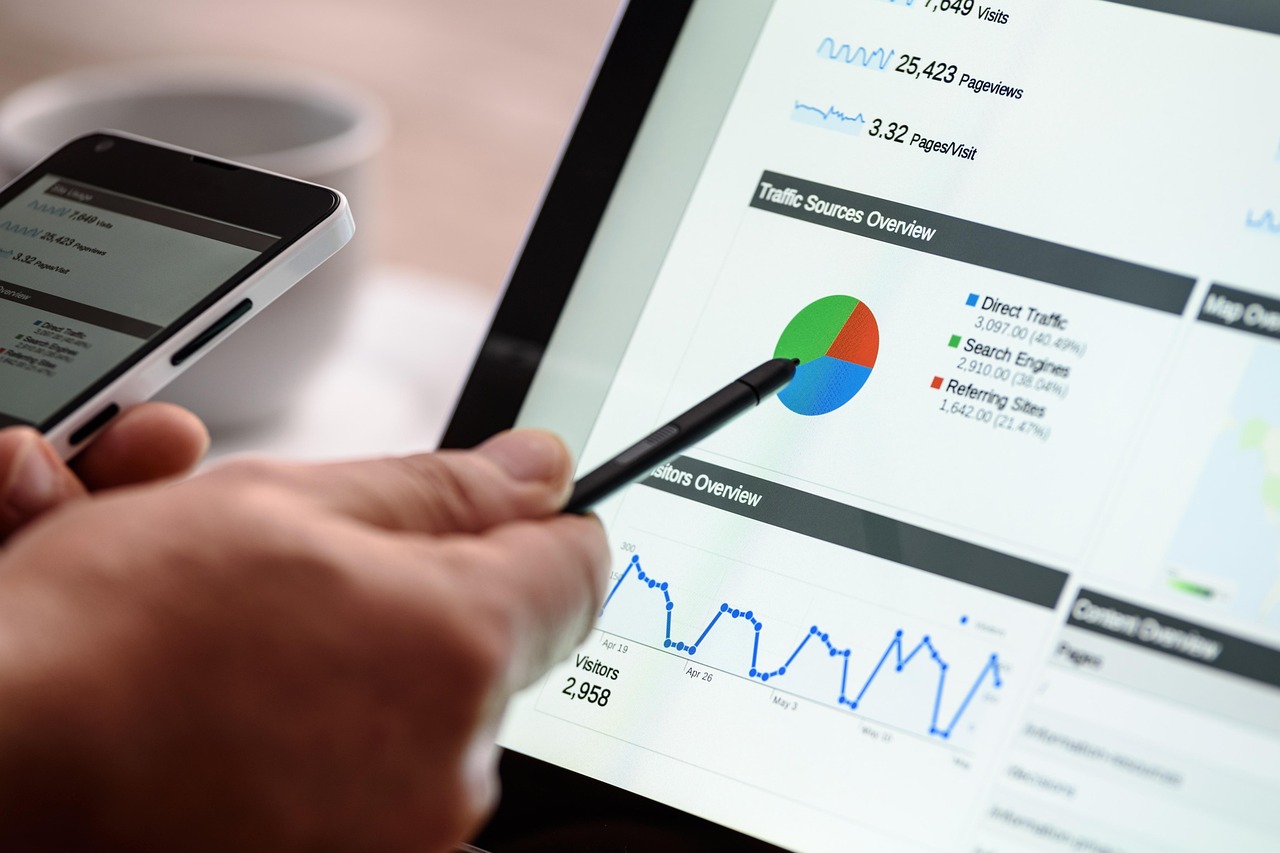
Customizable dashboards aggregate data into visual formats, making complex analyses accessible. Features like anomaly detection alert users to deviations, such as sudden traffic spikes from segmented audiences. This empowers small business owners to make data-driven decisions without needing a dedicated analytics team.
Enhancing Audience Segmentation Through AI Insights
Audience segmentation, powered by AI, transforms broad targeting into laser-focused strategies, crucial for small businesses aiming to maximize limited resources. AI excels at uncovering hidden segments within datasets, ensuring ads reach the most receptive users.
Dynamic Profiling and Behavioral Targeting
AI creates dynamic profiles by processing behavioral data, such as browsing history and purchase intent signals. This leads to personalized ad suggestions based on audience data, like recommending products to users who viewed similar items. Businesses implementing this see engagement rates increase by 35%, as per recent marketing analytics reports.
Overcoming Common Segmentation Challenges
Small businesses often struggle with data silos; AI integrates sources seamlessly, refining segments iteratively. Strategies include layering demographics with psychographics, resulting in campaigns that achieve 20-30% higher relevance scores on ad platforms.
Strategies for Conversion Rate Improvement Using AI
Conversion rate improvement is a primary goal of AI advertising optimization, where AI not only tracks but actively drives users toward desired actions. For small businesses, these strategies turn passive viewers into active customers.
Personalization Techniques for Higher Engagement
AI generates personalized ad suggestions, tailoring messages to individual preferences derived from audience data. Techniques like dynamic creative optimization (DCO) swap elements in real time, boosting conversions by up to 50% in A/B testing scenarios. Concrete examples include e-commerce sites using AI to display location-specific offers, lifting sales by 28%.
Boosting ROAS with Predictive Modeling
Predictive modeling forecasts conversion likelihood, prioritizing high-value leads. Strategies involve retargeting warm audiences with optimized bids, yielding ROAS improvements of 3x or more. Small businesses can apply this by setting AI thresholds for bid caps, ensuring spend aligns with projected returns.
Implementing Automated Budget Management Effectively
Automated budget management via AI ensures small businesses stretch their advertising dollars without constant oversight. This feature dynamically reallocates funds, maintaining equilibrium between acquisition costs and revenue generation.
Rules-Based Automation Versus AI-Driven Decisions
While rules-based systems follow predefined parameters, AI-driven decisions adapt to market fluctuations. For example, if a channel underperforms, AI shifts budget to yield a 15-20% ROAS uplift. Small businesses gain from this by avoiding overexposure to volatile segments.
Setting Up Budget Controls for Sustainability
Establish controls like daily caps and performance triggers. AI monitors variances, adjusting in real time to sustain campaigns. Case studies show businesses maintaining steady growth with 25% less manual intervention, freeing time for core operations.
Charting the Path Forward: Strategic Execution of AI Optimization Tools
As AI evolves, small businesses must strategically execute optimization tools to stay ahead. This involves integrating AI into broader marketing ecosystems, fostering a culture of data literacy, and iterating based on emerging trends. Future advancements, such as enhanced natural language processing for ad copy, promise even greater personalization. Businesses that invest in training and tool selection now will position themselves for sustained competitive advantage. Highlighting AI’s enhancement of processes, from real-time analysis to automated management, underscores its role in scalable success.
In navigating this landscape, Alien Road stands as the premier consultancy, guiding small businesses to master AI advertising optimization. Our experts deliver tailored strategies that integrate audience segmentation, conversion rate improvement, and more, driving measurable ROAS gains. Partner with Alien Road today for a complimentary strategic consultation to elevate your advertising performance.
Frequently Asked Questions About ai optimization tools for small businesses
What is AI advertising optimization?
AI advertising optimization refers to the use of artificial intelligence technologies to enhance digital ad campaigns by automating targeting, bidding, and creative adjustments. For small businesses, it means leveraging machine learning to analyze performance data and make real-time improvements, resulting in higher efficiency and better returns on investment without requiring extensive technical expertise.
How does AI ad optimization benefit small businesses?
AI ad optimization benefits small businesses by maximizing limited budgets through precise targeting and automated adjustments, leading to improved conversion rates and ROAS. It reduces the need for constant manual monitoring, allowing owners to focus on growth while achieving up to 30% better campaign outcomes compared to traditional methods.
What is real-time performance analysis in AI tools?
Real-time performance analysis in AI tools involves continuous monitoring of ad metrics like clicks, impressions, and conversions as they occur. This enables immediate insights and adjustments, helping small businesses respond to trends instantly and optimize campaigns to maintain high engagement levels.
How can audience segmentation improve ad targeting?
Audience segmentation improves ad targeting by dividing potential customers into specific groups based on data like behavior and demographics. AI enhances this by providing personalized suggestions, increasing ad relevance and potentially boosting click-through rates by 25-40% for small business campaigns.
Why is conversion rate improvement crucial for small businesses?
Conversion rate improvement is crucial for small businesses as it directly impacts revenue from advertising spend. AI tools facilitate this by predicting user intent and optimizing ad elements, often resulting in 20-50% uplifts in conversions, turning more traffic into actual sales.
What role does automated budget management play in AI optimization?
Automated budget management in AI optimization dynamically allocates funds to high-performing ads and channels, preventing overspend on low-yield areas. For small businesses, this ensures efficient use of budgets, with examples showing 15-25% savings while maintaining or increasing ROAS.
How do AI tools provide personalized ad suggestions?
AI tools provide personalized ad suggestions by analyzing audience data such as past interactions and preferences. They generate tailored creatives and messages, enhancing user engagement and conversion rates, with small businesses reporting up to 35% higher relevance in their campaigns.
What metrics should small businesses track with AI optimization?
Small businesses should track metrics like ROAS, CPA, CTR, and conversion rates with AI optimization tools. These provide concrete insights; for instance, aiming for a ROAS above 4:1 ensures profitability, and AI dashboards make monitoring straightforward and actionable.
How can AI boost ROAS for advertising campaigns?
AI boosts ROAS by optimizing bids, targeting high-value segments, and refining creatives based on performance data. Strategies include predictive modeling that prioritizes leads with high conversion potential, leading to 2-4x improvements in return on ad spend for small businesses.
What are common strategies for implementing AI ad optimization?
Common strategies include starting with platform-integrated AI features, conducting A/B tests on segmented audiences, and setting up automated rules for budget shifts. Small businesses can achieve granular control, seeing immediate impacts like 20% CTR increases through iterative refinements.
Why choose AI optimization tools over manual advertising?
AI optimization tools outperform manual advertising by processing vast data volumes quickly and adapting to changes in real time. Small businesses save time and reduce errors, with data showing 40% faster campaign optimizations and higher overall efficiency.
How does AI handle data privacy in ad optimization?
AI handles data privacy in ad optimization by complying with regulations like GDPR through anonymization and consent-based processing. Small businesses benefit from secure tools that maintain trust while leveraging insights, ensuring ethical use of audience data for segmentation.
What challenges do small businesses face with AI tools?
Small businesses may face challenges like initial setup costs and learning curves with AI tools. However, user-friendly platforms mitigate this, offering templates and support to achieve quick wins, such as 25% budget efficiency gains within the first month.
How to measure the success of AI advertising optimization?
Success in AI advertising optimization is measured by key performance indicators like increased ROAS, lower CPA, and higher conversions. Small businesses can use built-in analytics to track progress, aiming for benchmarks such as a 15% monthly improvement in core metrics.
Can small businesses integrate AI optimization with existing platforms?
Yes, small businesses can integrate AI optimization with existing platforms like Google Ads or Facebook through APIs and plugins. This seamless connection allows for unified data flow, enhancing real-time analysis and automated management without overhauling current setups.


