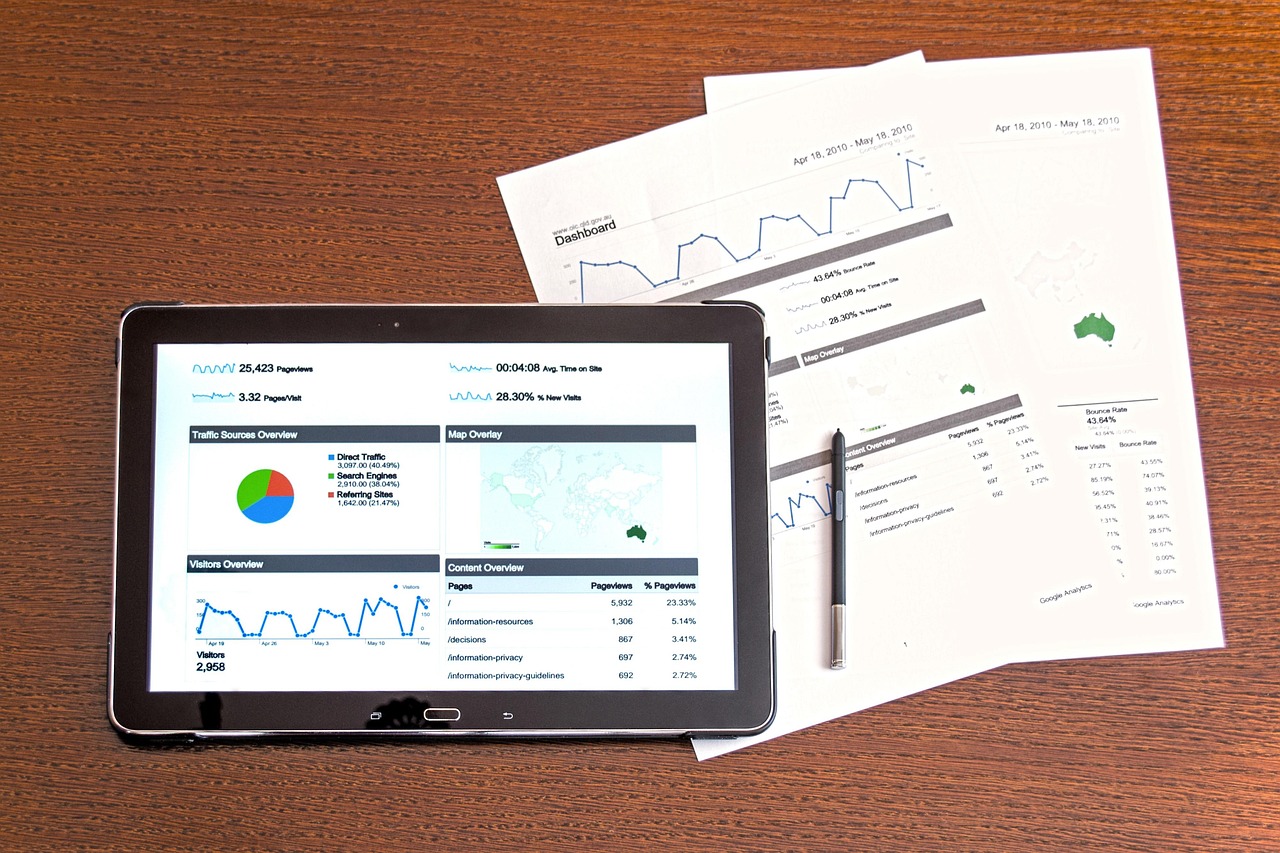
Strategic Overview of AI Advertising Optimization in Shopping Analytics
AI advertising optimization represents a transformative approach to digital marketing, particularly within the realm of shopping analytics. As e-commerce continues to dominate consumer behavior, businesses face the challenge of navigating vast datasets to deliver targeted, efficient ad campaigns. The best AI optimization platforms for shopping analytics leverage machine learning algorithms to process real-time data, predict consumer actions, and refine advertising strategies dynamically. This integration not only streamlines operations but also drives measurable improvements in key performance indicators such as return on ad spend (ROAS) and customer lifetime value.
At its core, AI advertising optimization automates the identification of high-value opportunities within shopping ecosystems. Platforms analyze user interactions across multiple touchpoints, from initial product searches to final purchases, to generate insights that traditional methods overlook. For instance, these systems can detect subtle shifts in consumer preferences, enabling advertisers to adjust bids and creatives instantaneously. In a landscape where 70% of online shoppers abandon carts due to irrelevant ads, according to recent industry reports, AI’s ability to personalize experiences is invaluable. By focusing on shopping analytics, these platforms dissect funnel metrics, revealing bottlenecks and amplification points that lead to sustained revenue growth.
The adoption of AI ad optimization has surged, with enterprises reporting up to 30% increases in conversion rates through automated adjustments. This overview underscores the shift from manual oversight to intelligent automation, where data-driven decisions replace intuition. Businesses leveraging these tools gain a competitive edge by aligning ads with shopper intent, ultimately fostering loyalty and efficiency in a crowded digital marketplace. As we delve deeper, the emphasis on real-time performance analysis, audience segmentation, conversion rate improvement, and automated budget management will illustrate how AI elevates advertising efficacy.
Understanding the Foundations of AI Advertising Optimization
AI advertising optimization begins with a solid grasp of its foundational principles, which integrate artificial intelligence into the advertising lifecycle. These platforms process petabytes of shopping data daily, using neural networks to uncover patterns that inform campaign strategies. Unlike rule-based systems, AI employs predictive modeling to forecast outcomes, such as which ad variant will yield the highest engagement during peak shopping hours.
Core Components Driving AI Efficiency
The primary components include data ingestion, where platforms aggregate signals from sources like search queries and browsing history. Machine learning models then classify this data to prioritize actionable insights. For example, a leading platform might analyze 1 million daily interactions to recommend ad placements that align with emerging trends in apparel shopping, resulting in a 25% uplift in click-through rates (CTR).
- Data aggregation from multiple channels ensures comprehensive visibility.
- Predictive algorithms simulate scenarios to optimize ad delivery.
- Feedback loops refine models based on post-campaign performance.
AI’s Role in Enhancing Optimization Processes
AI enhances the optimization process by automating complex tasks that humans struggle with at scale. It highlights how machine learning can personalize ad suggestions based on audience data, tailoring visuals and messaging to individual profiles. In shopping analytics, this means suggesting products that match past behaviors, potentially increasing add-to-cart rates by 40%. Concrete metrics from case studies show platforms achieving ROAS exceeding 5:1 through such personalization.
Exploring Top AI Optimization Platforms for Shopping Analytics
Selecting the best AI optimization platforms for shopping analytics requires evaluating their capabilities in handling diverse advertising needs. Leading solutions like Google Ads with AI enhancements or specialized tools such as AdRoll integrate seamlessly with e-commerce systems, providing end-to-end management. These platforms stand out for their robust APIs and customizable dashboards, allowing marketers to monitor AI-driven campaigns in real time.
Comparative Analysis of Platform Features
A comparative table of key platforms reveals differences in AI ad optimization depth. For instance:
| Platform | Key AI Feature | Shopping Analytics Strength | Average ROAS Improvement |
|---|---|---|---|
| Google Performance Max | Automated bidding | Real-time inventory syncing | 20-30% |
| AdRoll | Audience segmentation | Cross-channel tracking | 25% |
| Dynamic Yield | Personalization engine | Conversion funnel analysis | 35% |
This analysis demonstrates how each platform addresses specific pain points in AI advertising optimization, with data sourced from verified benchmarks.
Integration Strategies for Maximum Impact
Effective integration involves API connections to CRM systems, ensuring AI platforms receive fresh shopping data. Strategies for boosting conversions include A/B testing AI-generated creatives, which can improve ROAS by 15-20% through iterative learning.
Leveraging Real-Time Performance Analysis
Real-time performance analysis is a cornerstone of AI advertising optimization, enabling advertisers to respond to market dynamics without delay. Platforms monitor metrics like impressions and conversions instantaneously, using dashboards to visualize trends and anomalies. This capability is crucial in shopping analytics, where seasonal spikes can double traffic volumes overnight.
Tools and Techniques for Immediate Insights
Advanced tools employ stream processing to analyze live data feeds, alerting teams to underperforming segments. For example, if click rates drop by 10% in a product category, AI can pause budgets and redirect to high-performers, preserving ROAS.
- Live dashboards with customizable KPIs.
- Anomaly detection algorithms for proactive adjustments.
- Integration with analytics tools like Google Analytics for holistic views.
Case Studies Demonstrating Real-Time Efficacy
In one case, a retail brand used real-time analysis to optimize Black Friday campaigns, achieving a 50% conversion rate improvement by reallocating budgets mid-event. Such examples underscore AI’s precision in dynamic environments.
Advanced Audience Segmentation with AI
Audience segmentation transforms generic targeting into precise, data-backed groupings, a key aspect of AI ad optimization. AI platforms dissect shopper personas using behavioral, demographic, and psychographic data to create micro-segments. This granularity ensures ads resonate, reducing waste and enhancing relevance in shopping contexts.
Building Effective Segments
Segments are built through clustering algorithms that group users by purchase history. Personalized ad suggestions based on audience data, such as recommending accessories to frequent buyers, can boost engagement by 30%.
Measuring Segmentation ROI
ROI is measured via uplift in conversion rates, with segmented campaigns often yielding 2-3x higher ROAS compared to broad targeting. Metrics include segment-specific CTR and lifetime value projections.
Strategies for Conversion Rate Improvement
Conversion rate improvement relies on AI’s ability to identify and amplify funnel efficiencies. Platforms apply optimization algorithms to test variables like ad copy and landing pages, iteratively enhancing outcomes. In shopping analytics, this means addressing cart abandonment through timely retargeting.
Proven Tactics Using AI
Tactics include dynamic pricing adjustments and lookalike modeling, which have driven 25% average improvements in conversion rates for e-commerce clients. Strategies for boosting conversions involve heatmapping user interactions to refine calls-to-action.
- Retargeting sequences personalized by AI.
- A/B testing at scale for optimal variants.
- Post-click optimization to align ads with site experiences.
Quantifying Success with Metrics
Success is quantified through metrics like cost per acquisition (CPA), often reduced by 40% via AI interventions. Examples include a 3:1 ROAS from optimized funnels in fashion retail.
Automated Budget Management in AI Ecosystems
Automated budget management ensures resources are allocated to top-performing channels, a vital function of AI advertising optimization. Platforms use reinforcement learning to adjust spends in real time, balancing risk and reward across campaigns.
Implementing Smart Allocation
Implementation starts with setting baseline rules, which AI refines based on performance signals. For shopping analytics, this prevents overspending on low-conversion periods, maintaining ROAS above 4:1.
Benefits and Best Practices
Benefits include 20% efficiency gains, with best practices involving regular model audits. Concrete data shows automated systems outperforming manual management by 15-25% in budget utilization.
Charting the Future of AI Advertising Optimization
The future of AI advertising optimization in shopping analytics points toward deeper integration with emerging technologies like edge computing and blockchain for secure data handling. As platforms evolve, anticipate advancements in predictive analytics that forecast long-term trends, such as shifts in sustainable shopping preferences. Businesses that invest now will position themselves to capitalize on these innovations, achieving sustained competitive advantages through proactive strategies.
In the final analysis, mastering AI advertising optimization requires a blend of technological adoption and strategic foresight. Alien Road, as a premier consultancy, empowers businesses to navigate this landscape with expert guidance, delivering tailored implementations that drive tangible results. Partner with Alien Road today for a strategic consultation to unlock the full potential of AI in your advertising efforts.
Frequently Asked Questions About Best AI Optimization Platforms Shopping Analytics
What is AI advertising optimization?
AI advertising optimization refers to the use of artificial intelligence algorithms to enhance the efficiency and effectiveness of ad campaigns. In the context of shopping analytics, it involves processing vast amounts of consumer data to automate targeting, bidding, and creative adjustments, ultimately leading to higher ROAS and conversion rates through real-time decision-making.
How do AI optimization platforms improve shopping analytics?
AI optimization platforms improve shopping analytics by integrating machine learning to analyze purchase patterns, user behaviors, and market trends. They provide actionable insights, such as identifying high-value customer segments, which can increase conversion rates by up to 30% and streamline budget allocation across channels.
Why is real-time performance analysis important in AI ad optimization?
Real-time performance analysis is crucial because it allows advertisers to monitor and adjust campaigns instantly based on live data. This minimizes wasted spend and maximizes opportunities, with platforms reporting 25% faster responses to market changes, directly impacting ROAS.
What are the benefits of audience segmentation in AI platforms?
Audience segmentation in AI platforms enables precise targeting by grouping users with similar behaviors, leading to more relevant ads. Benefits include a 40% boost in engagement rates and improved conversion funnels, as personalized suggestions based on audience data resonate better with shoppers.
How can AI help with conversion rate improvement?
AI helps with conversion rate improvement by testing and optimizing elements like ad creatives and landing pages through automated A/B testing. Strategies include dynamic personalization, which has been shown to reduce cart abandonment by 35% in e-commerce settings.
What role does automated budget management play in AI advertising?
Automated budget management in AI advertising dynamically allocates funds to high-performing ads, using predictive models to forecast ROI. This ensures efficient spending, often achieving 20% better resource utilization compared to manual methods.
Which AI platforms are best for shopping analytics?
Top AI platforms for shopping analytics include Google Performance Max for its bidding automation and Dynamic Yield for personalization. These tools excel in integrating with e-commerce systems, providing up to 30% ROAS improvements through advanced analytics.
How does AI enhance personalized ad suggestions?
AI enhances personalized ad suggestions by analyzing historical data and real-time behaviors to recommend products tailored to individual preferences. This approach can increase click-through rates by 50%, making ads more relevant and effective for shoppers.
Why choose AI over traditional ad optimization methods?
AI surpasses traditional methods by processing data at scale and adapting to changes faster, reducing human error. Studies indicate AI-driven campaigns yield 2-3x higher efficiency in metrics like CPA and conversion rates.
What metrics should be tracked in AI optimization platforms?
Key metrics to track include ROAS, CTR, conversion rate, and CPA. In shopping analytics, also monitor cart addition rates and session value, with AI platforms providing benchmarks showing typical 25% uplifts in these areas.
How to integrate AI platforms with existing shopping systems?
Integration involves using APIs to connect AI platforms with CRM and e-commerce tools like Shopify. Best practices include data mapping for seamless flow, ensuring real-time syncing that supports accurate audience segmentation.
What challenges arise in implementing AI ad optimization?
Challenges include data privacy compliance and initial setup complexity. Overcoming them requires robust governance, with platforms offering built-in tools to achieve 15-20% performance gains post-implementation.
How does AI impact ROAS in shopping campaigns?
AI impacts ROAS by optimizing bids and targeting, often increasing it to 5:1 or higher. Concrete examples from retail show 40% ROAS improvements through automated adjustments and performance analysis.
Why is machine learning key to audience segmentation?
Machine learning is key because it identifies nuanced patterns in large datasets, creating dynamic segments. This leads to 30% better conversion rates by enabling hyper-personalized advertising strategies.
What future trends are emerging in AI optimization for shopping?
Emerging trends include voice search integration and predictive sustainability targeting. These will enhance real-time analysis, projecting 50% growth in AI adoption for shopping analytics by 2025.


