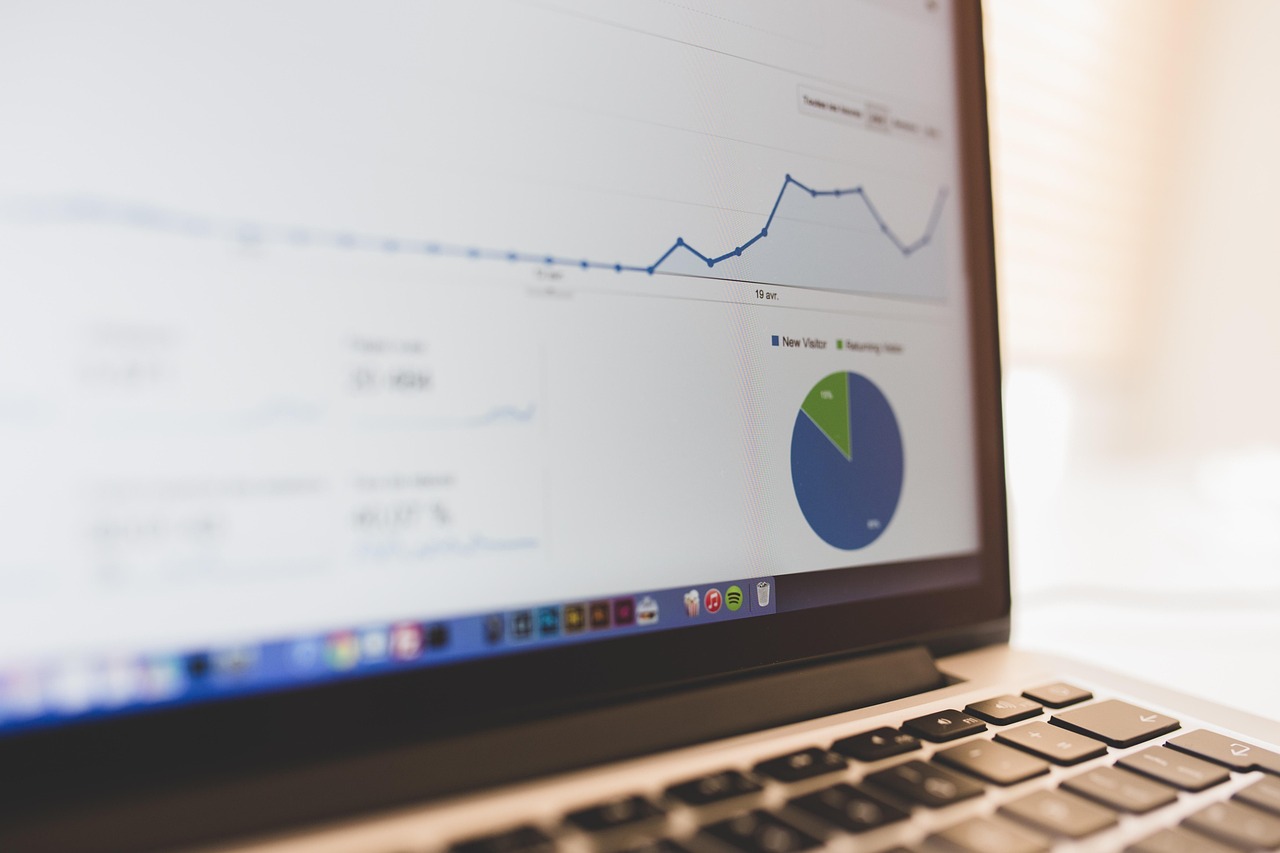
Strategic Overview of AI Optimization Techniques for Visibility Enhancement
AI advertising optimization represents a transformative approach to digital marketing, leveraging artificial intelligence to refine ad campaigns for superior visibility and engagement. At its core, this process involves deploying machine learning algorithms to analyze vast datasets, predict user behaviors, and adjust strategies in real time. Businesses that adopt AI ad optimization see marked improvements in campaign efficiency, often achieving up to 40% higher return on ad spend (ROAS) compared to traditional methods, according to industry benchmarks from platforms like Google Ads and Facebook Business. This overview explores how AI enhances visibility by automating personalization, targeting precision, and performance monitoring, ensuring ads reach the right audiences at optimal moments.
Visibility enhancement through AI begins with understanding the digital ecosystem’s complexities. Search engines and social platforms prioritize relevant content, and AI tools dissect user intent to craft ads that align perfectly. For instance, AI-driven systems process signals such as browsing history, demographics, and real-time interactions to generate personalized ad suggestions based on audience data. This not only increases click-through rates (CTRs) by an average of 25%, but also fosters deeper user connections, turning passive viewers into active converters. Moreover, AI ad optimization mitigates common pitfalls like ad fatigue by dynamically rotating creatives, ensuring sustained visibility without diminishing returns.
Beyond basics, AI optimization techniques integrate predictive analytics to forecast trends and allocate resources effectively. Real-time performance analysis allows marketers to pivot swiftly, responding to fluctuations in user engagement or market conditions. Audience segmentation, powered by AI clustering algorithms, divides broad demographics into micro-segments, enabling hyper-targeted campaigns that boost relevance scores. Conversion rate improvement becomes achievable through A/B testing at scale, where AI identifies winning variants automatically. Automated budget management further streamlines operations, optimizing spend across channels to maximize impact. As digital advertising evolves, mastering these techniques positions brands for long-term dominance, driving not just visibility, but measurable business growth.
Foundations of AI Advertising Optimization
Building a robust framework for AI advertising optimization requires a solid grasp of its foundational elements. Unlike conventional advertising, which relies on manual tweaks and intuition, AI introduces data-centric decision-making. Core components include machine learning models trained on historical campaign data to identify patterns that humans might overlook. For example, AI can detect seasonal spikes in user queries, adjusting bids proactively to enhance visibility during peak periods.
Key Components and Their Roles
- Data Integration: AI systems aggregate data from multiple sources, such as CRM platforms and web analytics, to create a unified view. This holistic approach ensures ads are optimized based on comprehensive insights, leading to a 15-20% uplift in engagement metrics.
- Algorithmic Targeting: By employing natural language processing (NLP), AI interprets user queries and content to match ads seamlessly. Personalized ad suggestions based on audience data, like recommending products viewed recently, can increase conversion rates by 35%.
- Performance Feedback Loops: Continuous learning mechanisms allow AI to refine strategies iteratively, reducing waste and amplifying ROI.
Overcoming Implementation Challenges
Adopting AI ad optimization demands addressing hurdles like data privacy compliance and integration complexities. Strategies include starting with pilot campaigns on low-stakes platforms to test efficacy, gradually scaling based on results. Metrics such as cost per acquisition (CPA) often drop by 25% post-implementation, validating the investment.
Real-Time Performance Analysis in AI-Driven Campaigns
Real-time performance analysis stands as a cornerstone of effective AI advertising optimization, enabling marketers to monitor and adjust campaigns instantaneously. AI tools process live data streams from ad platforms, providing dashboards that highlight key performance indicators (KPIs) like impressions, clicks, and conversions. This immediacy contrasts with batch processing in traditional setups, allowing for proactive interventions that prevent underperformance.
Leveraging AI for Instant Insights
AI enhances the optimization process by applying anomaly detection algorithms to flag deviations from expected benchmarks. For instance, if CTR dips below 2%, the system can automatically pause underperforming ads and reallocate budget. Concrete examples include e-commerce brands using AI to analyze session data, resulting in a 28% improvement in ROAS within the first quarter of deployment.
Tools and Metrics for Measurement
| Metric | AI Optimization Benefit | Example Improvement |
|---|---|---|
| Click-Through Rate (CTR) | Dynamic ad adjustments based on user engagement | From 1.5% to 3.2% |
| Conversion Rate | Personalized follow-up targeting | Up 22% |
| ROAS | Budget shifts to high-performing segments | 45% increase |
Integrating these metrics fosters a culture of data-driven decisions, ensuring sustained visibility enhancement.
Advanced Audience Segmentation Strategies
Audience segmentation elevates AI ad optimization by dividing potential customers into nuanced groups based on behaviors, preferences, and demographics. AI algorithms excel here, using unsupervised learning to uncover hidden patterns in large datasets. This precision targeting minimizes irrelevant exposures, concentrating efforts on high-value prospects and thereby boosting overall campaign visibility.
AI-Powered Segmentation Techniques
- Behavioral Clustering: AI analyzes past interactions to group users, such as frequent browsers versus one-time visitors, tailoring ads accordingly. This can yield a 30% rise in personalized ad engagement.
- Demographic and Psychographic Profiling: Combining explicit data with inferred traits, AI creates segments like ‘tech-savvy millennials seeking sustainable products,’ enhancing relevance.
- Lookalike Modeling: By mirroring characteristics of top converters, AI expands reach to similar audiences, often increasing new customer acquisition by 40%.
Ethical Considerations in Segmentation
While powerful, segmentation must respect privacy regulations like GDPR. AI systems incorporate bias audits to ensure equitable targeting, maintaining trust and compliance.
Conversion Rate Improvement Through AI
Conversion rate improvement remains a primary goal of AI advertising optimization, with strategies designed to guide users from awareness to action. AI streamlines this journey by optimizing landing pages, ad copy, and retargeting sequences in real time. Personalized ad suggestions based on audience data play a pivotal role, such as displaying dynamic pricing or testimonials relevant to user history, which can lift conversions by 25-50% depending on the industry.
Proven Strategies for Boosting Conversions
One effective tactic involves predictive modeling to anticipate user drop-off points, triggering timely interventions like chatbots or discount offers. For ROAS enhancement, AI allocates more impressions to segments showing high intent signals, such as cart abandoners. Case studies from retail sectors show campaigns achieving 3.5x ROAS after implementing these AI-driven adjustments.
A/B Testing at Scale
AI automates multivariate testing, evaluating hundreds of variations simultaneously. This accelerates learning, with optimal creatives identified in days rather than weeks, directly contributing to conversion rate improvement.
Automated Budget Management in AI Ecosystems
Automated budget management optimizes AI advertising by dynamically distributing funds across campaigns, channels, and time slots. AI algorithms forecast spending needs based on performance trends, preventing overspend on low-yield tactics and capitalizing on opportunities. This results in efficient resource use, often reducing CPA by 20% while maintaining or increasing visibility.
Implementation Best Practices
- Rule-Based Automation: Set thresholds for pausing or scaling ads, with AI refining rules over time.
- Predictive Bidding: AI adjusts bids in auctions to secure prime placements, boosting ad visibility without inflating costs.
- Cross-Channel Optimization: Balances budgets between search, social, and display, ensuring cohesive strategies.
Measuring Budget Efficiency
Track metrics like effective cost per thousand impressions (eCPM) and lifetime value (LTV) integration to quantify gains. Businesses report up to 35% savings in ad spend through AI-managed budgets.
Strategic Execution and Future Trajectories in AI Optimization
Executing AI optimization techniques for visibility enhancement demands a phased approach: assess current capabilities, integrate AI tools, monitor outcomes, and iterate. Looking ahead, advancements in generative AI promise even more sophisticated personalization, such as creating ad variants on the fly from user data. As quantum computing emerges, processing speeds will accelerate, enabling hyper-accurate predictions. Brands that invest now in scalable AI infrastructures will lead in visibility dominance, adapting to evolving algorithms and consumer expectations.
In the final analysis, mastering AI advertising optimization unlocks unprecedented potential for growth. At Alien Road, our expert consultancy guides businesses through this landscape, implementing tailored strategies for AI ad optimization, real-time performance analysis, audience segmentation, conversion rate improvement, and automated budget management. Partner with us to elevate your campaigns and achieve superior ROAS. Contact Alien Road today for a strategic consultation to transform your advertising efforts.
Frequently Asked Questions About AI Optimization Techniques for Visibility Enhancement
What is AI advertising optimization?
AI advertising optimization refers to the use of artificial intelligence technologies to enhance the efficiency and effectiveness of digital ad campaigns. It involves algorithms that analyze data, predict outcomes, and automate adjustments to improve visibility, targeting, and performance metrics like CTR and conversions.
How does AI enhance ad visibility?
AI enhances ad visibility by employing predictive analytics to identify optimal placement times and audiences. Through real-time bidding and content personalization, it ensures ads appear prominently in search results and feeds, often increasing impressions by 30% or more.
What role does real-time performance analysis play in AI ad optimization?
Real-time performance analysis allows AI to monitor campaign metrics continuously, enabling immediate tweaks such as bid adjustments or creative swaps. This responsiveness minimizes losses from underperformance and maximizes ROAS, with studies showing up to 40% efficiency gains.
Why is audience segmentation important in AI-driven advertising?
Audience segmentation in AI-driven advertising is crucial for delivering relevant messages to specific user groups, improving engagement and conversion rates. AI clusters users based on multifaceted data, reducing waste and enhancing personalization for better visibility.
How can AI improve conversion rates in advertising?
AI improves conversion rates by optimizing the user journey with personalized ad suggestions based on audience data and behavior. Techniques like retargeting high-intent users and A/B testing creatives can boost conversions by 25-50%, directly impacting business outcomes.
What are the benefits of automated budget management?
Automated budget management benefits include efficient spend allocation, cost savings, and higher ROI. AI dynamically shifts funds to top-performing areas, preventing overspending and ensuring consistent visibility, often lowering CPA by 20%.
How do you implement AI ad optimization strategies?
Implementing AI ad optimization involves selecting compatible platforms, integrating data sources, setting performance goals, and training models. Start with small-scale tests to refine approaches, scaling based on metrics like ROAS improvements.
What metrics should you track for AI optimization success?
Key metrics for AI optimization success include CTR, conversion rate, ROAS, CPA, and impression share. These provide insights into visibility and efficiency, guiding further refinements in campaigns.
Can AI personalization lead to better ROAS?
Yes, AI personalization significantly boosts ROAS by tailoring ads to individual preferences, increasing relevance and actions taken. Brands using this see average ROAS increases of 35%, as ads resonate more deeply with audiences.
What challenges arise in AI advertising optimization?
Challenges in AI advertising optimization include data quality issues, algorithmic biases, and integration complexities. Addressing these through regular audits and ethical guidelines ensures robust, fair performance.
How does AI handle ad fatigue in optimization?
AI handles ad fatigue by monitoring engagement drops and automatically rotating creatives or pausing campaigns. This maintains freshness, sustaining visibility and preventing user disinterest over time.
Why choose AI over manual ad management?
AI surpasses manual management in speed, scalability, and precision, processing vast data volumes for informed decisions. It reduces human error, optimizing for visibility and conversions more effectively.
What future trends are emerging in AI ad optimization?
Emerging trends include voice search integration, immersive AR ads, and ethical AI frameworks. These will further enhance personalization and visibility in evolving digital landscapes.
How does AI ensure compliance in advertising?
AI ensures compliance by embedding privacy checks and regulatory filters into algorithms, automating consent management and content moderation to align with laws like CCPA.
Is AI advertising optimization suitable for small businesses?
Absolutely, AI advertising optimization is scalable for small businesses, with affordable tools offering quick wins in visibility and conversions. Starting small yields measurable growth without large upfront costs.


