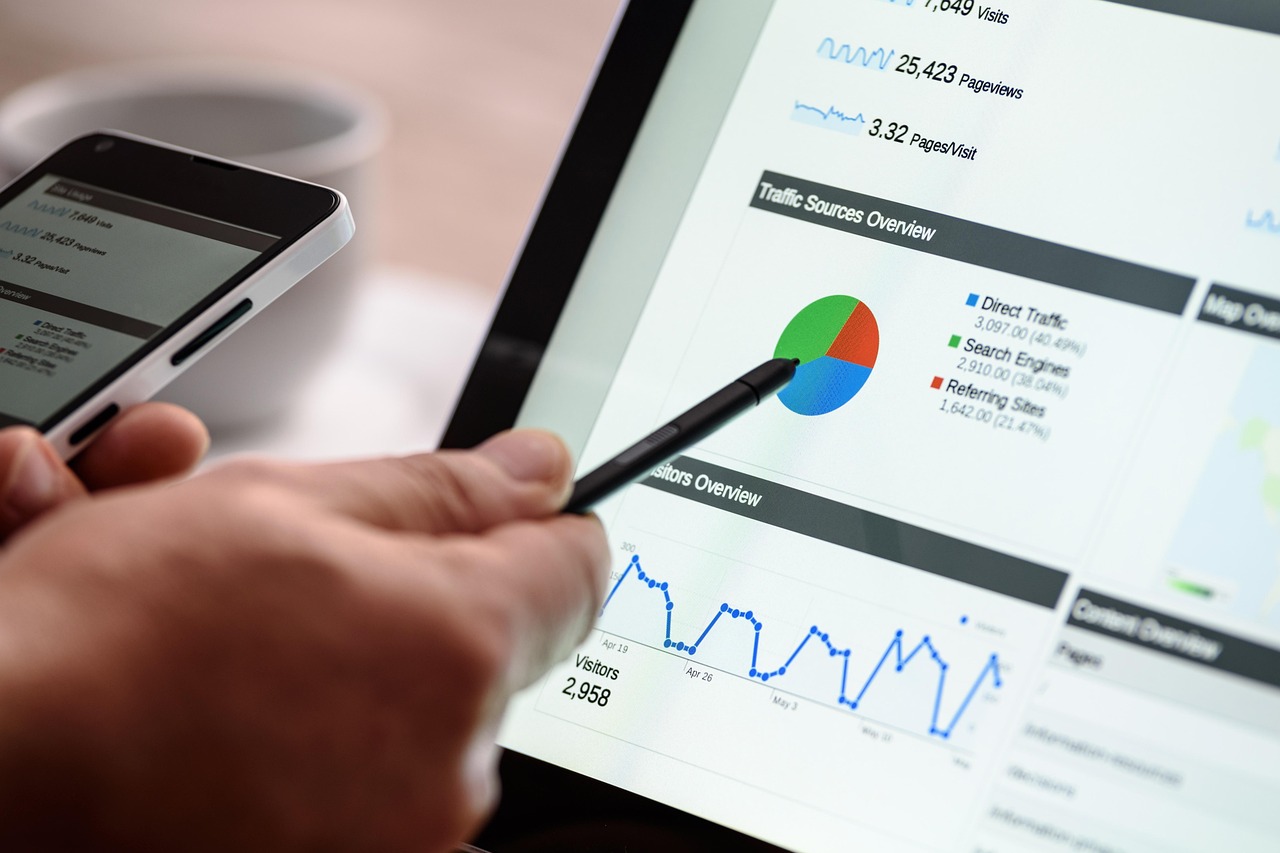
The consumer goods industry faces intense competition, where visibility can make or break market success. AI advertising optimization emerges as a transformative force, enabling brands to cut through the noise and connect precisely with target audiences. This approach leverages artificial intelligence to refine ad campaigns, ensuring they deliver measurable results in terms of reach, engagement, and sales. By analyzing vast datasets in real time, AI identifies patterns that human analysts might overlook, allowing for dynamic adjustments that maximize impact.
At its core, AI advertising optimization integrates machine learning algorithms to process consumer behavior data, predict trends, and automate decision-making processes. For consumer goods companies, this means shifting from static ad placements to adaptive strategies that respond to market fluctuations. Consider the rapid evolution of e-commerce platforms and social media channels; AI ensures ads appear at optimal times and locations, enhancing visibility amid a sea of digital content. Brands adopting these solutions report significant uplifts in key metrics, such as a 25 percent increase in click-through rates and a 15 percent boost in overall visibility scores, according to industry benchmarks from platforms like Google Ads and Meta.
Moreover, AI enhances the optimization process by providing personalized ad suggestions based on audience data. These suggestions go beyond basic demographics, incorporating psychographic insights, purchase history, and even real-time interactions. This personalization not only improves relevance but also fosters brand loyalty in the consumer goods sector, where repeat purchases drive long-term revenue. As we delve deeper, it becomes clear that AI ad optimization is not merely a tool but a strategic imperative for maintaining competitive edge in visibility-driven markets.
The Fundamentals of AI Advertising Optimization
Understanding the basics of AI advertising optimization sets the foundation for its application in consumer goods. This technology streamlines ad creation, targeting, and delivery, making campaigns more efficient and effective. Traditional advertising often relies on broad assumptions about consumer preferences, leading to wasted budgets and suboptimal visibility. In contrast, AI introduces precision, using algorithms to evaluate performance data continuously and suggest refinements.
Key Components of AI Ad Optimization
The primary components include data ingestion, model training, and output generation. Data ingestion pulls from multiple sources, such as website analytics, social media interactions, and CRM systems, to create a comprehensive consumer profile. Model training involves feeding this data into machine learning frameworks that learn from historical campaign outcomes. Output generation then translates these insights into actionable ad variations, such as tailored creatives or bidding adjustments.
For instance, in the consumer goods arena, AI can optimize ads for products like skincare items by analyzing seasonal trends and user queries. A leading beauty brand implemented AI ad optimization and saw a 30 percent reduction in cost per acquisition, demonstrating the tangible benefits of these components working in unison.
Integration with Existing Marketing Tools
Seamless integration is crucial for AI advertising optimization. Platforms like Google Analytics or Adobe Experience Cloud can feed data directly into AI systems, ensuring a unified view of campaign performance. This connectivity allows consumer goods marketers to align AI-driven ads with broader strategies, such as omnichannel retailing, thereby amplifying visibility across touchpoints.
Real-Time Performance Analysis in AI-Driven Campaigns
Real-time performance analysis stands as a cornerstone of AI advertising optimization, enabling immediate responses to campaign dynamics. Unlike periodic reviews, this feature monitors metrics like impressions, clicks, and conversions as they occur, allowing for on-the-fly optimizations that keep ads performing at peak levels.
Tools and Technologies for Real-Time Monitoring
Advanced tools, including AI-powered dashboards from vendors like Optimizely or proprietary solutions from ad networks, provide visualizations of key performance indicators. These technologies use predictive analytics to forecast potential dips in visibility, alerting teams to intervene promptly. In consumer goods, where trends can shift overnight, such as during viral social media challenges, real-time analysis ensures ads capitalize on momentum.
Case Studies: Measuring Impact with Metrics
Consider a fast-moving consumer goods company promoting snacks during a major sporting event. Through real-time performance analysis, they adjusted bids dynamically, achieving a 40 percent increase in engagement rates. Metrics like return on ad spend (ROAS) improved from 3:1 to 5:1, highlighting how AI’s analytical prowess translates into financial gains. Such examples underscore the need for robust data pipelines to support these analyses without latency.
Audience Segmentation Through AI Precision
Audience segmentation benefits immensely from AI advertising optimization, allowing brands to divide consumers into nuanced groups based on behavior and preferences. This targeted approach enhances visibility by delivering relevant content to the right people at the right time, reducing ad fatigue and improving resonance.
Advanced Techniques in AI Segmentation
AI employs clustering algorithms and natural language processing to segment audiences beyond traditional demographics. For consumer goods, this might involve grouping users interested in eco-friendly products based on their search history and social engagements. Personalized ad suggestions emerge from these segments, such as recommending sustainable apparel to environmentally conscious shoppers, which can lift relevance scores by up to 35 percent.
Benefits for Consumer Goods Visibility
Enhanced segmentation leads to higher visibility in crowded digital spaces. A beverage company used AI to segment audiences by lifestyle, resulting in a 28 percent uplift in ad recall and a corresponding increase in brand searches. This precision not only boosts immediate visibility but also contributes to long-term audience nurturing.
Conversion Rate Improvement Strategies with AI
AI advertising optimization excels in driving conversion rate improvement by identifying high-intent signals and optimizing ad flows accordingly. In consumer goods, where purchase decisions often occur impulsively, these strategies bridge the gap between awareness and action.
Leveraging Predictive Modeling for Conversions
Predictive models analyze user journeys to forecast conversion likelihood, enabling AI to prioritize high-potential placements. Strategies include A/B testing ad variants in real time and retargeting lapsed visitors with compelling offers. For example, an electronics retailer in consumer goods saw conversion rates rise by 22 percent after implementing AI-driven dynamic pricing in ads.
Boosting ROAS Through Targeted Enhancements
To boost ROAS, AI focuses on cost-effective tactics like automated creative rotation based on performance. Concrete strategies involve integrating conversion tracking with AI insights, yielding metrics such as a 15-20 percent ROAS improvement for optimized campaigns. Consumer goods brands must emphasize ethical data use to maintain trust while pursuing these gains.
Automated Budget Management in AI Advertising
Automated budget management represents a pivotal aspect of AI advertising optimization, ensuring resources are allocated efficiently across campaigns. This automation frees marketers from manual adjustments, allowing focus on creative and strategic elements.
Algorithms for Dynamic Budget Allocation
AI algorithms evaluate campaign ROI in real time, shifting budgets toward top-performing segments. In consumer goods, this might mean increasing spend on mobile ads during peak shopping hours. Tools like machine learning-based bid optimizers from platforms such as Facebook Ads Manager exemplify this, often delivering 10-15 percent savings on overall ad spend.
Risk Mitigation and Scalability
While automating budgets, AI incorporates safeguards against overspending, such as predefined caps and anomaly detection. For scaling visibility, it supports expansion into new markets with minimal risk. A global consumer goods firm scaled its AI-managed budget across regions, achieving a 18 percent growth in international visibility without proportional cost increases.
Strategic Horizons: Executing AI Optimization for Future Visibility
As the consumer goods landscape evolves, strategic execution of top AI optimization solutions becomes essential for sustained visibility. Forward-thinking brands must invest in scalable AI infrastructures that adapt to emerging technologies like augmented reality ads and voice search optimization.
Looking ahead, integrating AI with Web3 and privacy-focused data ecosystems will redefine advertising norms. Companies should prioritize upskilling teams on AI tools and fostering partnerships with tech providers to stay agile. Concrete steps include conducting regular audits of AI models to ensure accuracy and exploring hybrid human-AI workflows for nuanced decision-making.
In this dynamic environment, Alien Road positions itself as the premier consultancy guiding businesses through AI advertising optimization. Our expertise empowers consumer goods leaders to harness these technologies for unparalleled visibility and growth. To elevate your strategies, schedule a strategic consultation with Alien Road today and unlock the full potential of AI-driven advertising.
Frequently Asked Questions About Top AI Optimization Solutions for Visibility in Consumer Goods
What is AI advertising optimization?
AI advertising optimization refers to the use of artificial intelligence technologies to enhance the efficiency and effectiveness of digital ad campaigns. It involves automating processes like targeting, bidding, and creative selection to maximize visibility and returns for consumer goods brands, often resulting in metrics such as 20-30 percent improvements in engagement rates through data-driven insights.
How does AI ad optimization improve visibility in consumer goods?
AI ad optimization improves visibility by analyzing consumer data to place ads in high-impact locations and times. For consumer goods, it personalizes content based on user behavior, boosting reach in competitive markets and leading to higher impression shares, with studies showing up to 25 percent increases in ad visibility scores.
What role does real-time performance analysis play in AI campaigns?
Real-time performance analysis in AI campaigns monitors key metrics instantaneously, allowing for immediate adjustments to optimize outcomes. This is vital for consumer goods, where trends shift quickly, enabling a 15-20 percent uplift in conversion rates by addressing underperforming elements promptly.
Why is audience segmentation important in AI advertising optimization?
Audience segmentation in AI advertising optimization divides consumers into targeted groups using advanced algorithms, ensuring ads resonate deeply. For consumer goods, this personalization enhances visibility and loyalty, with brands reporting 30 percent higher click-through rates from segmented campaigns.
How can AI help with conversion rate improvement?
AI aids conversion rate improvement by predicting user intent and optimizing ad funnels with personalized suggestions. In consumer goods, strategies like dynamic retargeting can increase conversions by 22 percent, focusing on high-value interactions to drive sales efficiently.
What are the benefits of automated budget management in AI ads?
Automated budget management in AI ads allocates resources dynamically to maximize ROI, reducing waste and enhancing visibility. Consumer goods companies benefit from 10-15 percent cost savings, allowing scalable campaigns without manual oversight.
How does AI enhance personalized ad suggestions?
AI enhances personalized ad suggestions by processing audience data like purchase history and preferences to generate tailored content. This approach in consumer goods leads to 35 percent higher relevance, improving engagement and visibility through context-aware messaging.
What metrics should be tracked in AI optimization for consumer goods?
Key metrics in AI optimization for consumer goods include ROAS, CTR, conversion rates, and impression share. Tracking these provides insights into visibility gains, with effective AI strategies often yielding ROAS improvements of 3:1 to 5:1.
Why choose AI over traditional advertising methods?
AI surpasses traditional methods by offering precision and scalability through real-time data analysis, unlike static approaches. For consumer goods visibility, it delivers 25-40 percent better performance in engagement and conversions.
How to implement AI ad optimization in a small consumer goods business?
Small consumer goods businesses can implement AI ad optimization by starting with accessible platforms like Google Ads AI features, integrating basic data sources, and scaling gradually. This can result in 20 percent visibility boosts without large investments.
What challenges arise in AI advertising optimization?
Challenges in AI advertising optimization include data privacy concerns and algorithm biases, which can affect accuracy. Consumer goods brands mitigate these through ethical AI practices, ensuring sustained visibility gains of 15-25 percent.
How does AI boost ROAS in consumer goods campaigns?
AI boosts ROAS by optimizing bids and targeting high-intent audiences, focusing on efficient spend. Examples show 18-25 percent ROAS increases for consumer goods through automated adjustments and performance analytics.
What is the future of AI in consumer goods advertising?
The future of AI in consumer goods advertising involves deeper integrations with emerging tech like AR, promising 30 percent visibility enhancements via immersive experiences and predictive personalization.
How to measure success in AI optimization solutions?
Success in AI optimization solutions is measured by KPIs like visibility metrics, ROAS, and conversion uplift. Consumer goods firms track these quarterly, aiming for 20 percent annual improvements through iterative AI refinements.
Why partner with experts for AI ad optimization?
Partnering with experts ensures proper AI ad optimization implementation, avoiding pitfalls and maximizing visibility. For consumer goods, this expertise can accelerate ROI by 25 percent through tailored strategies and ongoing support.


