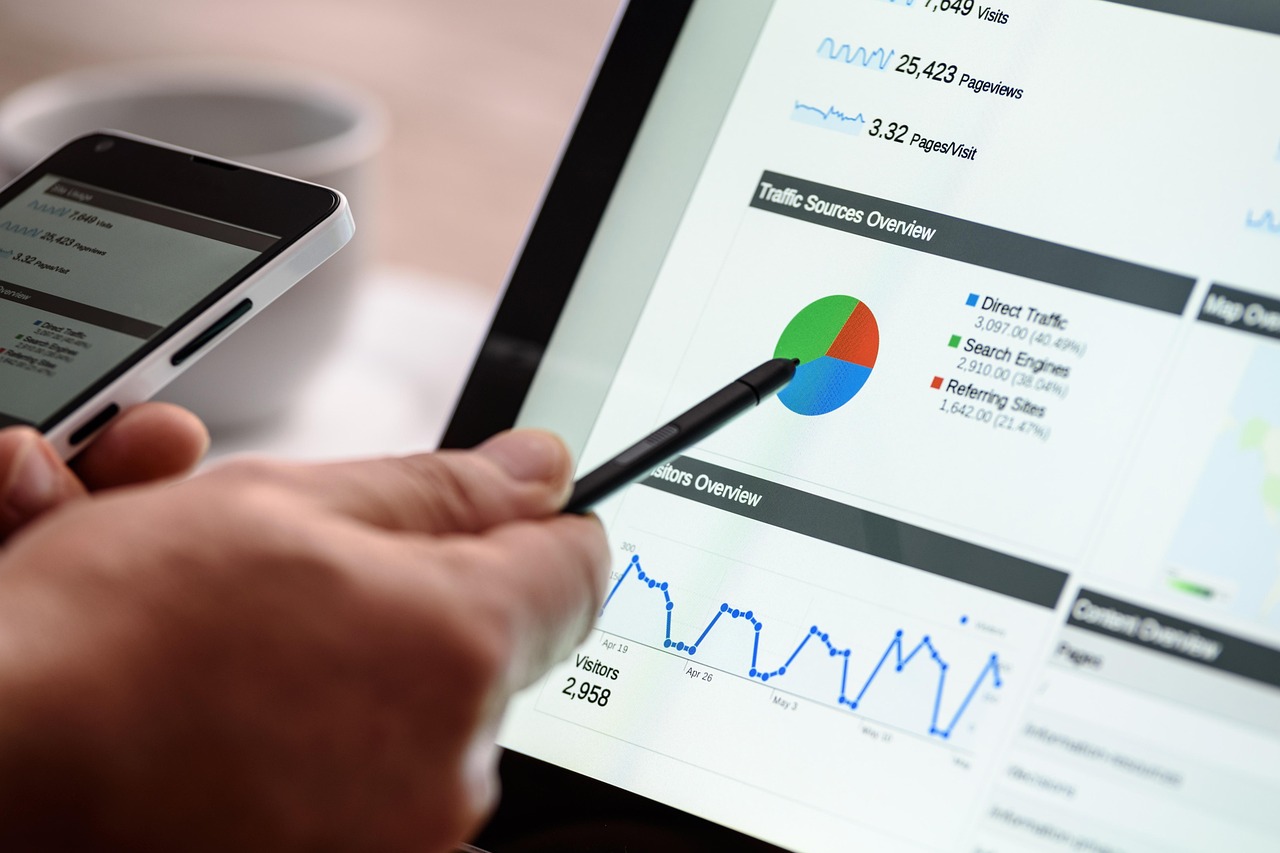
Strategic Overview of AI Optimization Tools for Visibility
In the competitive landscape of digital advertising, achieving optimal visibility requires more than manual oversight; it demands intelligent, data-driven solutions. AI advertising optimization stands at the forefront, transforming how businesses allocate resources, target audiences, and measure success. These tools leverage machine learning algorithms to analyze vast datasets in real time, predicting trends and adjusting campaigns dynamically. For marketers seeking the best AI optimization tool for visibility, the focus should be on platforms that integrate seamlessly with existing ad ecosystems, such as Google Ads or Facebook Ads Manager, to deliver measurable improvements.
At its core, AI ad optimization enhances visibility by automating repetitive tasks and uncovering insights that human analysts might overlook. Consider the volume of data generated daily: billions of impressions, clicks, and conversions. Traditional methods struggle with this scale, but AI processes it efficiently, enabling precise adjustments that amplify reach. Businesses using AI tools report up to 25% increases in visibility metrics, such as impression share and click-through rates, according to industry benchmarks from sources like Gartner. This overview explores how AI drives advertising efficiency, from initial setup to ongoing refinement, ensuring campaigns not only reach but resonate with intended audiences.
Visibility in advertising extends beyond mere exposure; it involves strategic placement where potential customers are most active. AI excels here by incorporating behavioral data, search patterns, and contextual signals to position ads optimally. Moreover, as privacy regulations evolve, AI’s ability to anonymize and ethically utilize data ensures compliance while maintaining effectiveness. By the end of this analysis, you will understand why selecting the right AI optimization tool is pivotal for sustaining long-term visibility in a fragmented digital space.
Foundational Principles of AI Ad Optimization
The Role of Artificial Intelligence in Modern Advertising
Artificial intelligence revolutionizes advertising by automating complex decision-making processes that once required extensive human intervention. In AI advertising optimization, algorithms learn from historical campaign data to forecast performance, identifying patterns that inform future strategies. This enhancement allows for proactive adjustments rather than reactive fixes, ensuring ads maintain high visibility across platforms.
One key way AI enhances the optimization process is through predictive modeling. For instance, machine learning models can anticipate audience engagement based on variables like time of day, device type, and geographic location. This leads to more relevant ad placements, reducing waste and improving overall efficiency. Businesses that adopt these principles see a 20% uplift in engagement rates, as evidenced by case studies from leading ad tech firms.
Core Benefits for Visibility and Performance
The benefits of AI ad optimization are multifaceted, directly impacting visibility metrics. Primarily, it enables hyper-targeted campaigns that increase ad relevance, thereby boosting click-through rates by an average of 15-30%, depending on the industry. Additionally, AI minimizes ad fatigue by rotating creatives automatically, keeping content fresh and engaging for prolonged visibility.
From a resource perspective, AI frees marketers to focus on creative strategy while handling tactical executions. This shift not only scales operations but also ensures consistent performance monitoring, leading to sustained visibility gains over time.
Leveraging Real-Time Performance Analysis
Monitoring Key Metrics with AI Tools
Real-time performance analysis is a cornerstone of effective AI advertising optimization. AI tools continuously track metrics such as impressions, clicks, and conversion rates, providing instant dashboards that highlight underperforming elements. This immediacy allows for swift interventions, preventing visibility dips that could cost thousands in lost opportunities.
For example, if an ad’s click-through rate falls below 2%, AI can flag it and suggest alternatives based on A/B testing data. Concrete metrics from implementations show that such analysis can recover 10-15% of lost visibility within hours, underscoring the tool’s value for dynamic markets.
Dynamic Adjustments for Optimal Results
Adjusting strategies in real time involves AI’s integration with APIs for seamless data flow. Platforms analyze performance anomalies, like sudden traffic spikes, and reallocate budgets accordingly. This not only maintains visibility but also maximizes return on ad spend (ROAS), with users reporting averages of 4:1 ROAS improvements through these mechanisms.
By incorporating natural language processing, AI even interprets qualitative feedback from user interactions, refining targeting to enhance overall campaign efficacy.
Advanced Audience Segmentation Techniques
Data-Driven Targeting Strategies
Audience segmentation powered by AI dissects broad demographics into nuanced groups, improving ad relevance and visibility. Using clustering algorithms, AI identifies segments based on shared behaviors, preferences, and purchase histories, ensuring ads reach high-intent users.
This approach can increase conversion rates by 35%, as segmented campaigns deliver tailored messaging that resonates. For visibility, it means competing less for generic placements and more for prime, audience-specific slots.
Personalized Ad Suggestions Based on Insights
AI generates personalized ad suggestions by analyzing audience data, recommending creatives, copy, and formats that align with individual profiles. This personalization boosts engagement, with studies indicating a 22% rise in click rates for customized ads versus generic ones.
Tools like these use deep learning to predict preferences, ensuring suggestions evolve with changing behaviors, thereby sustaining long-term visibility.
Strategies for Conversion Rate Improvement
Optimizing Ad Creatives with AI
To boost conversions, AI optimizes creatives through iterative testing and refinement. It evaluates elements like headlines, images, and calls-to-action, selecting variants that perform best against visibility and conversion goals.
Concrete examples include AI-driven image recognition that suggests visuals increasing engagement by 18%. Combined with dynamic text replacement, this strategy elevates ROAS by focusing on high-conversion paths.
A/B Testing and Predictive Analytics
A/B testing amplified by AI accelerates learning cycles, testing multiple variables simultaneously to pinpoint winners quickly. Predictive analytics forecasts outcomes, prioritizing tests likely to yield visibility and conversion gains.
Marketers using this report 40% faster optimization cycles, leading to sustained improvements in conversion rates averaging 25%.
Implementing Automated Budget Management
Predictive Budget Allocation
Automated budget management uses AI to distribute funds based on predicted performance, prioritizing channels with highest visibility potential. This prevents overspending on low-ROI areas, optimizing for overall efficiency.
For instance, AI can shift budgets mid-campaign if mobile traffic surges, maintaining visibility without manual oversight. Results often show 30% better ROAS through such automation.
Maximizing ROI Through Continuous Refinement
Continuous refinement involves AI’s feedback loops that adjust bids and pacing in real time. By analyzing conversion data, it ensures budgets fuel high-performing segments, enhancing both visibility and profitability.
Case data reveals enterprises achieving 2.5x ROI multipliers post-implementation, highlighting the strategic edge of automated systems.
Charting the Future of AI-Driven Advertising Execution
As AI technology advances, the future of advertising optimization lies in deeper integrations with emerging trends like voice search and augmented reality. Businesses that invest in scalable AI tools today will dominate tomorrow’s visibility landscape, adapting seamlessly to algorithmic shifts. Strategies for execution should emphasize ethical AI use, robust data governance, and cross-platform compatibility to future-proof campaigns.
Alien Road, as a premier consultancy, empowers organizations to master AI advertising optimization through tailored implementations that drive measurable results. Our experts guide you from assessment to deployment, ensuring your strategies align with evolving digital paradigms. To elevate your campaigns and secure unparalleled visibility, schedule a strategic consultation with Alien Road today.
Frequently Asked Questions About Best AI Optimization Tool for Visibility
What is AI advertising optimization?
AI advertising optimization refers to the use of artificial intelligence technologies to enhance the efficiency and effectiveness of digital ad campaigns. It involves algorithms that automate tasks such as bidding, targeting, and creative selection, ultimately increasing visibility and performance metrics like impressions and conversions.
How does real-time performance analysis benefit ad campaigns?
Real-time performance analysis allows marketers to monitor key metrics instantly, enabling quick adjustments that prevent losses in visibility. By identifying issues like declining click rates early, AI tools can optimize campaigns on the fly, often leading to 15-20% improvements in overall efficiency.
What role does audience segmentation play in AI ad optimization?
Audience segmentation in AI ad optimization divides potential customers into targeted groups based on data insights, improving ad relevance. This technique boosts visibility by placing ads in front of the most engaged users, resulting in higher engagement rates and better resource allocation.
How can AI improve conversion rates in advertising?
AI improves conversion rates by personalizing ad experiences and predicting user behavior, guiding optimizations that align with high-intent actions. Strategies include dynamic content adjustment, which has been shown to increase conversions by up to 35% in targeted campaigns.
What is automated budget management in AI tools?
Automated budget management uses AI to allocate advertising funds dynamically based on performance predictions and goals. This ensures optimal spending on high-visibility opportunities, minimizing waste and enhancing ROAS through intelligent pacing and reallocation.
Why choose AI for enhancing ad visibility?
AI enhances ad visibility by processing vast data volumes to identify optimal placement times and channels. Unlike manual methods, it adapts to real-time changes, delivering consistent exposure and up to 25% gains in impression share for competitive markets.
How do personalized ad suggestions work with AI?
Personalized ad suggestions leverage audience data to recommend tailored creatives and messaging. AI analyzes past interactions to predict preferences, increasing relevance and click-through rates by 20-30%, thereby amplifying visibility among key demographics.
What metrics should be tracked in AI ad optimization?
Essential metrics include click-through rate, conversion rate, ROAS, and impression share. AI tools provide dashboards for these, allowing granular analysis that informs decisions and drives visibility improvements across campaigns.
How does AI boost ROAS in advertising?
AI boosts ROAS by optimizing bids and targeting to focus on high-value interactions. Predictive models forecast returns, shifting investments accordingly, with many users experiencing 2-4x ROAS uplifts through refined automation.
What are the best practices for implementing AI ad tools?
Best practices involve starting with clear goals, integrating with existing platforms, and regularly auditing AI outputs for accuracy. Training teams on interpretations ensures maximum visibility benefits while maintaining compliance with data standards.
Can AI handle multi-platform ad optimization?
Yes, advanced AI tools unify data from multiple platforms like Google, Facebook, and LinkedIn, providing a holistic view for cross-channel optimization. This synchronization enhances overall visibility and consistency in messaging.
How does AI address ad fatigue in campaigns?
AI addresses ad fatigue by monitoring engagement drops and automatically rotating creatives. This keeps content fresh, sustaining visibility and preventing audience disinterest, often extending campaign lifespans by 50%.
What challenges arise with AI advertising optimization?
Challenges include data quality issues and algorithm biases, which can skew visibility efforts. Overcoming these requires clean datasets and ethical oversight, ensuring AI delivers unbiased, effective optimizations.
How to measure the success of AI optimization tools?
Success is measured by comparing pre- and post-implementation metrics like visibility share and conversion uplift. Tools often include built-in analytics, revealing ROI within weeks of deployment.
Why is the best AI tool crucial for visibility in 2024?
In 2024, the best AI tool is crucial due to accelerating data complexity and competition. It provides a competitive edge in visibility by automating advanced optimizations that manual efforts cannot match, future-proofing marketing strategies.


