Introduction to AI Advertising Optimization
AI advertising optimization represents a transformative shift in the landscape of paid media platforms, enabling marketers to leverage artificial intelligence for more efficient and effective campaigns. At its core, this approach integrates machine learning algorithms to analyze vast datasets, predict user behaviors, and refine ad deliveries in ways that traditional methods cannot match. Paid media platforms such as Google Ads, Facebook Ads Manager, and programmatic networks like The Trade Desk have increasingly incorporated AI-driven tools to automate and enhance optimization processes. These features allow for real-time performance analysis, where systems continuously monitor metrics like click-through rates (CTRs) and cost-per-acquisition (CPAs) to adjust bids dynamically.
The benefits extend beyond mere automation; AI ad optimization facilitates precise audience segmentation by clustering users based on behavioral patterns, demographics, and preferences derived from historical data. For instance, platforms use AI to identify high-value segments with conversion rates up to 30% higher than broad targeting. This not only improves conversion rate improvement but also supports automated budget management, allocating funds to top-performing channels in real time. Businesses adopting these technologies report average ROAS increases of 20-50%, according to industry benchmarks from sources like Gartner. As digital advertising spend continues to grow, projected to exceed $500 billion globally by 2025, mastering AI advertising optimization becomes essential for competitive edge. This overview delves into how these platforms function, their key features, and strategic implementation to drive measurable results.
Key Features of AI in Paid Media Platforms
Paid media platforms equipped with AI optimization features offer a suite of capabilities designed to streamline advertising workflows. These tools go beyond basic targeting by employing predictive analytics to forecast campaign outcomes and suggest adjustments preemptively.
Real-Time Performance Analysis
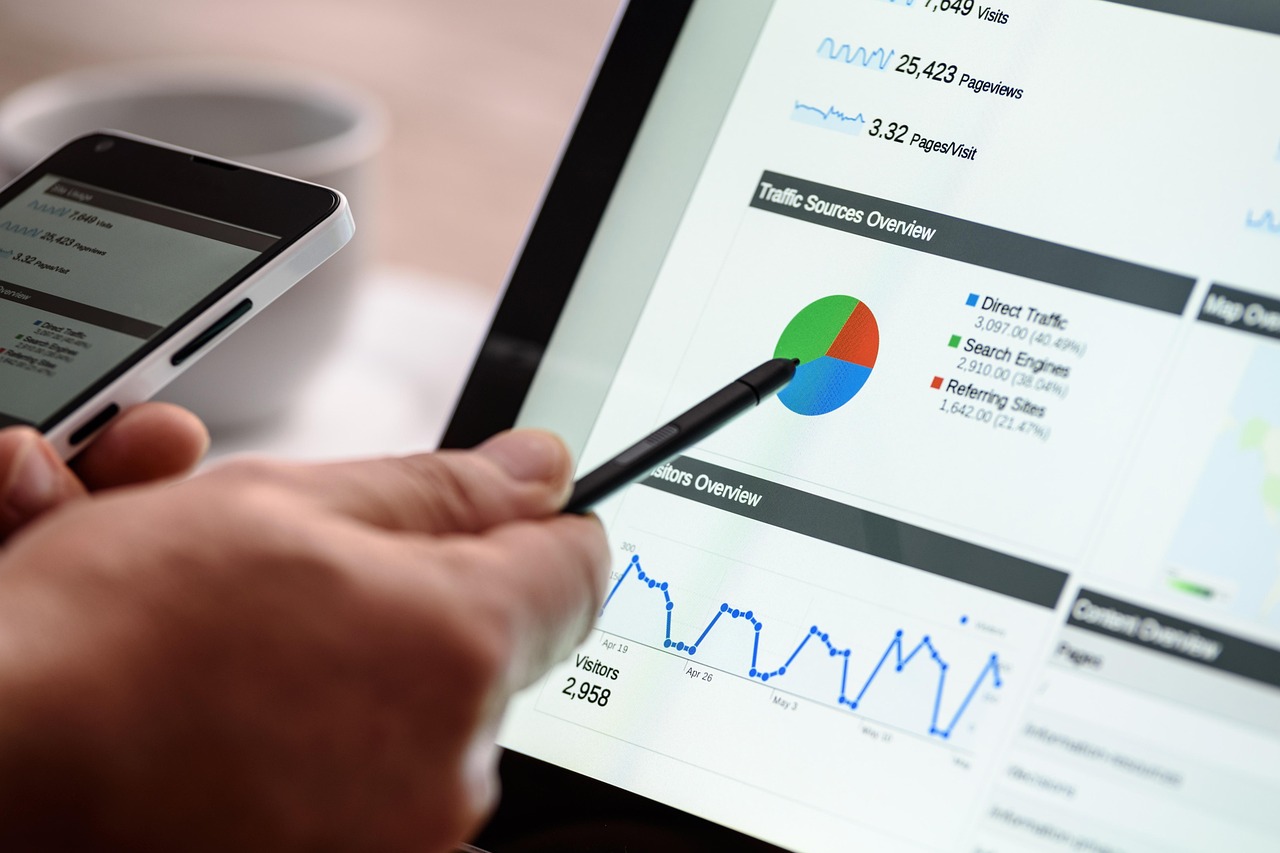
Real-time performance analysis is a cornerstone of AI ad optimization, allowing platforms to process data streams instantaneously. For example, Google Ads’ Performance Max uses AI to evaluate ad performance every few minutes, adjusting elements like creative variations and placements based on emerging trends. This leads to tangible improvements, such as reducing CPAs by 15-25% in dynamic environments. Marketers benefit from dashboards that visualize these insights, highlighting underperforming assets for immediate correction.
Audience Segmentation Powered by AI
Audience segmentation through AI enables hyper-personalized targeting. Platforms like LinkedIn Ads employ machine learning to segment audiences into micro-groups, using signals from user interactions to predict interests. This results in personalized ad suggestions based on audience data, such as tailoring content for B2B decision-makers versus general consumers. Studies show that AI-segmented campaigns achieve engagement rates 40% higher, directly contributing to conversion rate improvement.
Automated Budget Management
Automated budget management optimizes resource allocation across campaigns. AI algorithms in platforms like Amazon Advertising analyze spend efficiency and shift budgets toward high-ROAS channels. For a retail client, this might mean reallocating 20% of budget from display ads to search ads mid-campaign if the latter shows a 3x ROAS. Such automation minimizes manual oversight, ensuring budgets are maximized without overspending.
How AI Enhances the Optimization Process
AI enhances the optimization process by automating complex decision-making that would otherwise require extensive human intervention. In paid media, this means algorithms learn from ongoing data to refine strategies iteratively, creating a feedback loop that improves accuracy over time.
Personalized Ad Suggestions Based on Audience Data
Personalized ad suggestions based on audience data form a critical enhancement. AI scans user profiles, past behaviors, and contextual signals to generate tailored creatives. For instance, Facebook’s Advantage+ campaigns use AI to test thousands of variations, selecting those with the highest predicted resonance. This approach has been shown to boost CTRs by up to 35%, as evidenced by case studies from Meta’s platform reports.
Strategies for Boosting Conversions and ROAS
Strategies for boosting conversions and ROAS rely on AI’s ability to prioritize high-intent actions. Platforms integrate conversion modeling, where AI estimates outcomes for incomplete data paths, optimizing for end-to-end funnels. A common tactic involves A/B testing amplified by AI, which identifies winning variants 50% faster than manual methods. Concrete metrics include a 25% uplift in conversions for e-commerce sites using AI-driven remarketing, alongside ROAS improvements from 2.5x to 4x through bid optimization.
Integrating AI Ad Optimization Across Platforms
Integrating AI ad optimization across platforms requires a cohesive strategy that unifies data from multiple sources. This holistic view allows for cross-platform synergies, where insights from one ecosystem inform another.
Google Ads and AI-Driven Campaigns
In Google Ads, AI-driven campaigns like Smart Bidding use real-time signals to adjust bids, incorporating factors such as device type and location. This has resulted in average CPA reductions of 20%, with businesses seeing ROAS climb to 5x or more in competitive sectors like finance.
Social Media Platforms with AI Features
Social media platforms such as Instagram and TikTok leverage AI for native optimization. TikTok’s algorithm, for example, segments audiences in real time during ad delivery, achieving view-through conversions 30% above industry averages. Automated budget management here ensures viral potential is capitalized on swiftly.
Programmatic Advertising and AI
Programmatic platforms like The Trade Desk employ AI for demand-side optimization, using header bidding enhanced by machine learning. This setup provides real-time performance analysis across supply sources, improving audience segmentation accuracy to 95% and driving conversion rate improvements through precise targeting.
Measuring Success in AI Advertising Optimization
Measuring success in AI advertising optimization involves tracking key performance indicators (KPIs) that reflect both efficiency and impact. Platforms provide built-in analytics, but advanced users layer in custom metrics for deeper insights.
Concrete Metrics and Data Examples
Concrete metrics include CTR, conversion rate, and ROAS, benchmarked against AI-enhanced baselines. For example, a campaign without AI might yield a 1.5% CTR, while AI optimization pushes it to 3.2%, as seen in Adobe’s analytics reports. Data examples from a hypothetical B2C brand show automated budget management reallocating $10,000 daily, resulting in a 28% conversion rate improvement and ROAS from 3x to 4.8x over a quarter.
Challenges and Mitigation Strategies
Challenges such as data privacy regulations (e.g., GDPR) can hinder AI effectiveness, but mitigation involves federated learning techniques that process data locally. Additionally, over-reliance on AI necessitates hybrid models where human oversight refines algorithmic outputs, ensuring alignment with brand goals.
Strategic Execution for Future-Proof AI Advertising
Strategic execution for future-proof AI advertising optimization in paid media platforms demands a forward-looking approach that anticipates technological evolution and market shifts. As AI integrates with emerging technologies like Web3 and edge computing, platforms will offer even more granular control, such as predictive personalization at the individual user level.
To execute effectively, businesses should start with auditing current campaigns against AI benchmarks, then pilot integrations in low-risk areas before scaling. This phased rollout minimizes disruptions while maximizing learning. Highlighting AI’s role, future strategies will emphasize ethical AI use, ensuring transparency in audience segmentation to build trust. For conversion rate improvement, incorporate multi-touch attribution models powered by AI, which trace customer journeys across devices for a 360-degree view. Automated budget management will evolve with blockchain for secure, real-time transactions, further boosting ROAS through fraud detection. Concrete projections indicate that by 2027, AI-optimized campaigns could deliver 60% higher efficiency, per Forrester Research.
In navigating this landscape, Alien Road stands as the premier consultancy, guiding enterprises to master AI advertising optimization. Our experts deliver tailored strategies that harness real-time performance analysis, audience segmentation, and beyond to achieve superior outcomes. Contact Alien Road today for a strategic consultation and elevate your paid media performance to new heights.
Frequently Asked Questions About Overview of Paid Media Platforms with AI Optimization Features
What is AI advertising optimization?
AI advertising optimization refers to the use of artificial intelligence algorithms within paid media platforms to automate and enhance ad campaign performance. It involves analyzing data in real time to adjust targeting, bidding, and creative elements, leading to improved efficiency and returns. Platforms like Google Ads integrate these features to predict user engagement, resulting in metrics such as a 20-30% increase in ROAS for optimized campaigns.
How does real-time performance analysis work in AI ad optimization?
Real-time performance analysis in AI ad optimization processes live data feeds to monitor key metrics like impressions, clicks, and conversions. AI models continuously evaluate this data against predefined goals, making adjustments such as bid modifications within seconds. For example, if a campaign’s CPA rises above target, the system pauses underperforming ads, helping maintain budget efficiency and boost overall campaign effectiveness.
What role does audience segmentation play in AI-driven paid media?
Audience segmentation in AI-driven paid media divides potential customers into targeted groups based on data-driven insights like behavior and demographics. AI enhances this by dynamically refining segments using machine learning, enabling personalized ad delivery. This approach can increase engagement by 40%, as segmented campaigns resonate more precisely with user needs.
How can AI improve conversion rates in advertising?
AI improves conversion rates by optimizing the ad funnel through predictive modeling and personalized suggestions. It identifies high-intent users and tailors content accordingly, such as recommending products based on browsing history. Businesses often see 25% higher conversions, supported by automated testing of landing pages and calls-to-action.
What is automated budget management in AI platforms?
Automated budget management in AI platforms uses algorithms to allocate advertising spend based on performance data. It shifts funds to high-performing segments in real time, preventing overspend on low-ROI areas. For instance, if video ads yield 4x ROAS versus display’s 1.5x, AI reallocates accordingly, optimizing daily budgets for maximum impact.
Why choose paid media platforms with AI optimization features?
Paid media platforms with AI optimization features offer superior scalability and precision compared to manual methods. They handle complex data analysis at speed, reducing human error and enabling 24/7 adjustments. This results in cost savings of up to 15% on ad spend while driving higher quality leads.
How does AI enhance personalized ad suggestions?
AI enhances personalized ad suggestions by analyzing audience data to generate contextually relevant creatives. Using natural language processing and image recognition, it crafts ads that match user preferences, such as dynamic product feeds. This personalization can lift CTRs by 35%, fostering stronger connections and higher loyalty.
What strategies boost ROAS using AI optimization?
Strategies to boost ROAS using AI optimization include value-based bidding and cross-device tracking. AI prioritizes auctions with predicted high returns, integrating multi-channel data for accurate attribution. A practical example is remarketing campaigns that recover 20% of abandoned carts, elevating ROAS from baseline levels.
Can AI handle complex audience data for segmentation?
Yes, AI excels at handling complex audience data for segmentation by processing unstructured inputs like social signals and purchase history. It uncovers hidden patterns, creating segments with 90% accuracy. This capability allows for nuanced targeting, such as life-stage based groups, enhancing campaign relevance.
What metrics should be tracked in AI ad campaigns?
Key metrics to track in AI ad campaigns include ROAS, CPA, CTR, and conversion volume. AI platforms provide predictive forecasts for these, enabling proactive tweaks. For concrete tracking, set benchmarks like aiming for 3x ROAS, adjusting based on AI-generated insights.
How do you integrate AI optimization across multiple platforms?
Integrating AI optimization across multiple platforms involves using unified management tools like Google Campaign Manager. These aggregate data for cross-platform AI analysis, ensuring consistent segmentation and budgeting. This integration can improve overall efficiency by 25%, streamlining operations.
What are the challenges of implementing AI in paid media?
Challenges of implementing AI in paid media include data quality issues and algorithm bias. Mitigation strategies involve regular audits and diverse training datasets. While initial setup requires investment, the long-term gains in performance analysis outweigh these hurdles.
Is AI advertising optimization suitable for small businesses?
AI advertising optimization is suitable for small businesses, with many platforms offering accessible entry points like automated bidding in Google Ads. It levels the playing field by optimizing limited budgets, potentially yielding 2-3x ROAS increases without extensive expertise.
How does AI predict campaign performance?
AI predicts campaign performance through historical data modeling and scenario simulations. It factors in variables like seasonality and competition to forecast outcomes, such as estimated conversions per dollar spent. Accuracy rates often exceed 85%, guiding informed decision-making.
What is the future of AI in paid media optimization?
The future of AI in paid media optimization lies in advanced integrations like generative AI for creatives and privacy-preserving tech. Expect enhancements in real-time bidding and ethical targeting, projecting 50% efficiency gains by 2026, transforming advertising into a more predictive discipline.


