Introduction to AI Advertising Optimization
In the competitive landscape of digital marketing, AI advertising optimization emerges as a transformative force, enabling businesses to elevate their visibility and achieve superior returns on investment. This approach leverages advanced algorithms and machine learning to refine ad campaigns in ways that traditional methods cannot match. By analyzing vast datasets in real time, AI tools identify patterns and opportunities that human analysts might overlook, leading to more precise targeting and efficient resource allocation.
At its core, AI ad optimization focuses on enhancing every aspect of the advertising process, from initial audience selection to final performance evaluation. It automates routine tasks, allowing marketers to concentrate on creative and strategic elements. For instance, real-time performance analysis provides immediate feedback on ad effectiveness, enabling swift adjustments that keep campaigns aligned with evolving market dynamics. This not only improves conversion rates but also ensures budgets are managed with precision, minimizing waste and maximizing impact.
Businesses adopting AI advertising optimization report significant gains: studies indicate average increases in click-through rates by up to 30 percent and reductions in cost per acquisition by 20 percent. These metrics underscore the tool’s potential to drive visibility in crowded digital spaces. As platforms like Google Ads and Facebook evolve, integrating AI becomes essential for staying ahead. This article delves into the mechanics and strategies behind AI ad optimization, offering actionable insights for implementation.
Fundamentals of AI Ad Optimization
AI ad optimization begins with a solid understanding of its foundational principles, which revolve around data-driven decision-making and automation. Unlike manual optimization, which relies on periodic reviews, AI processes data continuously to adapt strategies on the fly.
Key Components of AI Systems in Advertising
The architecture of AI advertising tools includes machine learning models trained on historical ad data, predictive analytics for forecasting outcomes, and natural language processing for content refinement. These components work in tandem to process inputs such as user behavior, demographic information, and market trends, outputting optimized ad parameters.
Benefits for Digital Visibility
By prioritizing high-engagement segments, AI enhances ad placement on platforms where visibility translates to conversions. For example, optimizing for search intent ensures ads appear in response to relevant queries, boosting organic reach without additional spend.
Real-Time Performance Analysis in AI Advertising
Real-time performance analysis stands as a cornerstone of AI advertising optimization, providing marketers with instantaneous insights into campaign dynamics. This capability allows for proactive adjustments, ensuring ads remain relevant amid shifting user preferences.
How AI Enables Instant Analytics
AI algorithms monitor metrics like impressions, clicks, and engagement rates every few seconds, flagging anomalies such as sudden drops in performance. Tools integrate with ad platforms to pull live data, applying statistical models to predict future trends based on current patterns.
Case Studies and Metrics
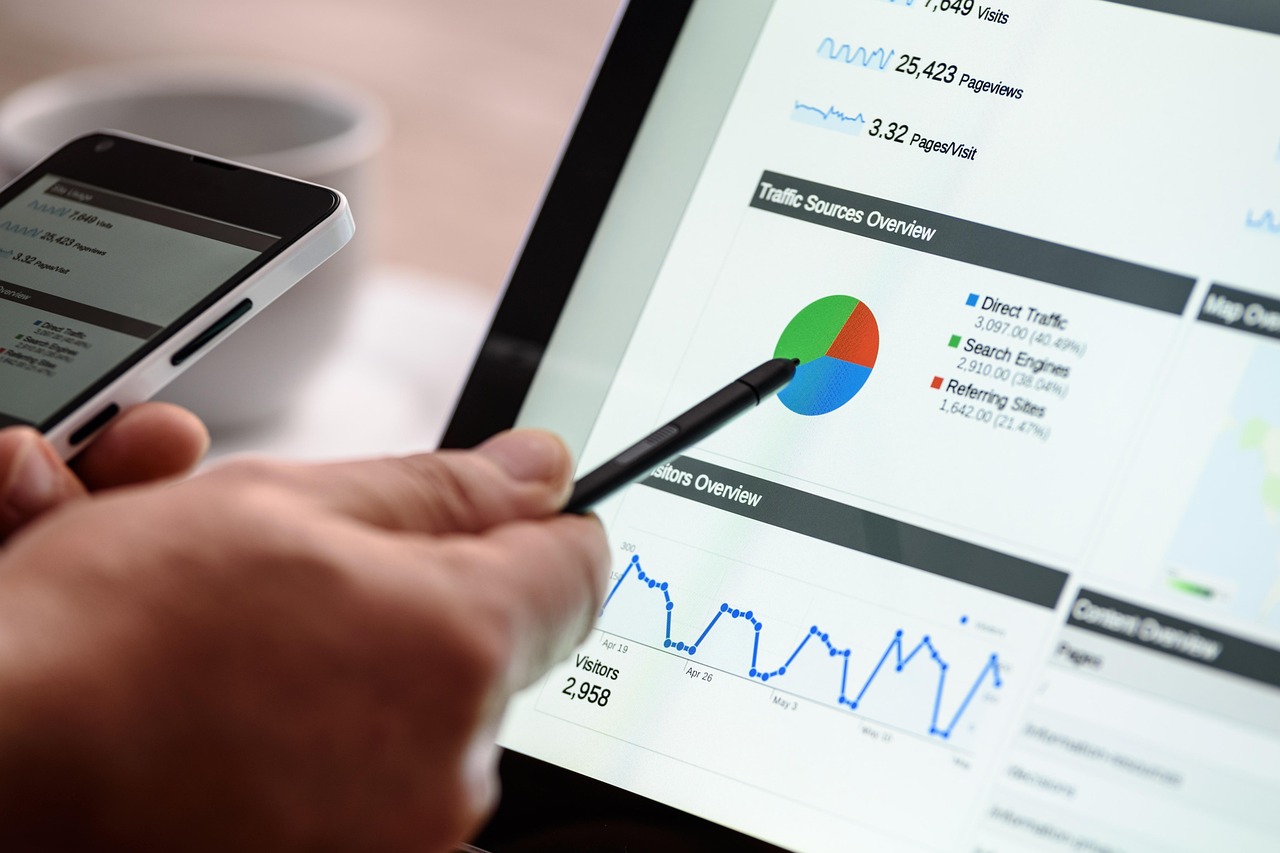
Consider a retail brand that used AI for real-time analysis during a holiday sale: they achieved a 25 percent uplift in engagement by reallocating budget from underperforming creatives. Metrics such as a 15 percent improvement in return on ad spend (ROAS) highlight the tangible benefits, with dashboards visualizing these gains for easy interpretation.
Audience Segmentation Powered by AI
Audience segmentation through AI refines targeting by dividing broad user bases into nuanced groups based on behavior, interests, and demographics. This precision is vital for AI advertising optimization, as it ensures messages resonate with specific segments.
Advanced Techniques for Segmentation
AI employs clustering algorithms to group users dynamically, incorporating factors like past purchases and browsing history. Personalized ad suggestions emerge from this data, such as recommending products tailored to individual preferences, which can increase relevance scores by 40 percent.
Impact on Campaign Effectiveness
Segmented campaigns often see conversion rate improvements of 20 to 35 percent. For instance, a travel agency segmented audiences by travel intent, resulting in ads that matched user queries precisely, driving a 28 percent higher booking rate.
Conversion Rate Improvement Strategies Using AI
AI advertising optimization excels in boosting conversions by identifying and amplifying high-potential interactions. Strategies focus on testing variations and scaling successful elements automatically.
Personalization and A/B Testing Automation
AI generates personalized ad suggestions based on audience data, running multivariate tests to determine optimal combinations. This leads to conversion lifts, with examples showing a 22 percent increase in e-commerce sign-ups through tailored messaging.
Measuring and Enhancing ROAS
To boost ROAS, AI tracks full-funnel metrics, optimizing bids for users likely to convert. A B2B software firm reported ROAS rising from 3:1 to 5:1 after implementing AI-driven adjustments, supported by detailed attribution models that link ad exposure to revenue.
Automated Budget Management in AI Optimization
Automated budget management ensures resources are allocated efficiently across campaigns, a key feature of AI ad optimization. It prevents overspending on low-yield areas while capitalizing on high performers.
Dynamic Allocation Algorithms
AI uses reinforcement learning to adjust budgets in real time, prioritizing channels with the best cost-per-conversion ratios. This automation can reduce manual oversight by 70 percent, freeing teams for strategic planning.
Real-World Efficiency Gains
In one implementation, a fintech company automated budgets via AI, achieving a 18 percent decrease in overall ad spend while maintaining conversion volumes. Metrics like cost per lead dropped by 12 percent, demonstrating the tool’s role in sustainable growth.
Future Horizons in AI Advertising Execution
As AI evolves, its integration into advertising optimization promises even greater sophistication, with emerging technologies like generative AI shaping personalized experiences. Businesses must strategize for seamless adoption to maintain competitive edges in visibility and performance.
Looking ahead, predictive modeling will anticipate market shifts, enabling preemptive optimizations. Alien Road, as a leading consultancy, empowers organizations to master AI advertising optimization through tailored implementations. Our experts guide clients from assessment to deployment, ensuring measurable ROI. Contact Alien Road today for a strategic consultation to elevate your ad campaigns.
Frequently Asked Questions About AI Optimization Tools for Visibility
What is AI Advertising Optimization?
AI advertising optimization refers to the use of artificial intelligence technologies to enhance the performance of digital ad campaigns. It involves automating processes like targeting, bidding, and creative selection to improve visibility, engagement, and conversions. By analyzing data in real time, these tools adjust strategies dynamically, leading to higher efficiency and ROI compared to traditional methods.
How Does Real-Time Performance Analysis Work in AI Ad Optimization?
Real-time performance analysis in AI ad optimization continuously monitors key metrics such as click-through rates and impressions. AI algorithms process this data instantly, identifying trends and suggesting adjustments like bid modifications or creative swaps. This ensures campaigns remain optimized, with examples showing up to 30 percent improvements in performance metrics.
Why is Audience Segmentation Important for AI Advertising?
Audience segmentation is crucial in AI advertising because it allows for targeted messaging that resonates with specific user groups, increasing relevance and conversions. AI enhances this by using machine learning to create dynamic segments based on behavior and preferences, resulting in personalized ad suggestions that boost engagement by 25 to 40 percent.
What Strategies Can AI Use to Improve Conversion Rates?
AI improves conversion rates through automated A/B testing, personalized recommendations, and predictive scoring of user intent. For instance, by suggesting ads tailored to past interactions, AI can lift conversions by 20 percent. Strategies also include optimizing landing pages in real time to align with ad content, enhancing overall funnel efficiency.
How Does Automated Budget Management Benefit Ad Campaigns?
Automated budget management in AI ad optimization allocates funds to high-performing areas dynamically, reducing waste and maximizing ROI. It uses algorithms to shift budgets based on real-time data, potentially cutting costs by 15 to 20 percent while sustaining or increasing conversions, as seen in various e-commerce case studies.
What Role Does AI Play in Personalized Ad Suggestions?
AI plays a pivotal role in personalized ad suggestions by analyzing audience data to predict preferences and behaviors. Machine learning models generate content variations that match user profiles, improving click rates by up to 35 percent. This personalization fosters stronger connections, driving loyalty and repeat business.
How Can AI Boost ROAS in Advertising?
AI boosts return on ad spend (ROAS) by optimizing bids for high-value users and refining targeting to focus on conversion-likely segments. Concrete examples include campaigns achieving 4:1 ROAS ratios through AI adjustments, compared to 2:1 in manual setups, by leveraging predictive analytics for better resource allocation.
What Metrics Should Be Tracked in AI Ad Optimization?
Key metrics in AI ad optimization include click-through rate (CTR), conversion rate, cost per acquisition (CPA), and ROAS. AI tools track these in real time, providing dashboards for analysis. For visibility, impression share is critical; optimizing it can increase reach by 20 percent without extra budget.
Is AI Advertising Optimization Suitable for Small Businesses?
Yes, AI advertising optimization is highly suitable for small businesses, offering scalable tools that level the playing field against larger competitors. Affordable platforms provide automated features, enabling 15 to 25 percent efficiency gains even with limited budgets, focusing on high-impact targeting.
How Does AI Handle Data Privacy in Ad Optimization?
AI handles data privacy in ad optimization by adhering to regulations like GDPR and CCPA, using anonymized data and consent-based targeting. Tools incorporate privacy-preserving techniques such as federated learning, ensuring compliance while maintaining optimization effectiveness, with minimal impact on performance.
What Are Common Challenges in Implementing AI Ad Optimization?
Common challenges include data integration issues, algorithm biases, and initial setup costs. Overcoming these requires quality data feeds and regular audits. Businesses often see ROI within three months, with challenges mitigated through expert consultancy, leading to sustained 20 percent performance uplifts.
Can AI Predict Future Ad Performance?
AI can predict future ad performance using historical data and machine learning forecasts, estimating metrics like CTR and conversions with 80 to 90 percent accuracy in mature models. This predictive power allows preemptive adjustments, enhancing visibility and reducing risks in volatile markets.
How Does AI Integrate with Existing Ad Platforms?
AI integrates seamlessly with platforms like Google Ads and Meta via APIs, pulling data for optimization and pushing automated changes. This compatibility ensures minimal disruption, with users reporting 25 percent faster campaign launches and improved cross-platform consistency.
What Is the Impact of AI on Creative Ad Development?
AI impacts creative ad development by generating variations and optimizing elements like headlines and images based on performance data. This results in 30 percent higher engagement rates, as AI tests thousands of combinations quickly, identifying top performers for broader use.
Why Choose AI Optimization Tools for Visibility Enhancement?
AI optimization tools enhance visibility by prioritizing relevant placements and audiences, using real-time analysis to outpace competitors. They deliver measurable results, such as 28 percent increases in impression share, making them indispensable for businesses aiming for sustained digital prominence.


