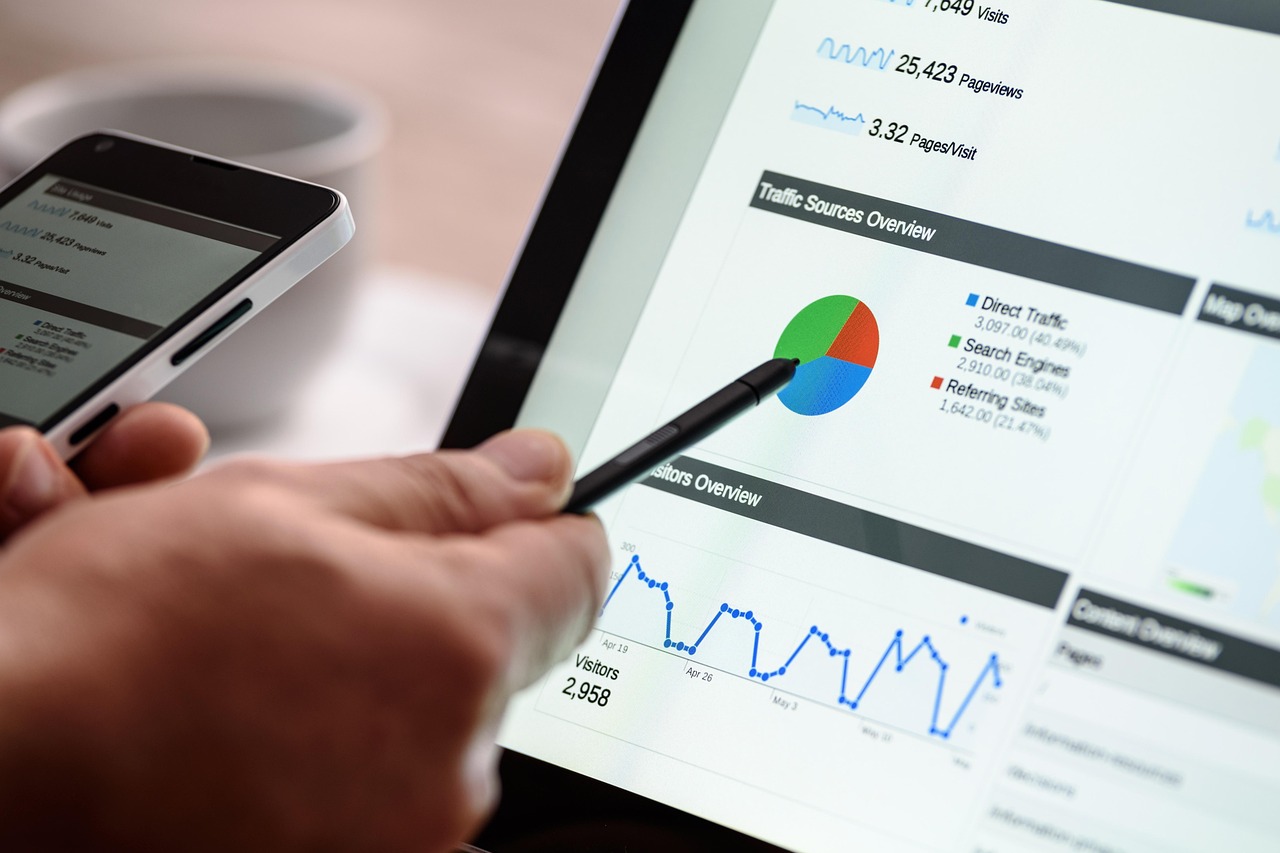
Strategic Overview of Leading AI Optimization Search Engine Agencies in 2025
Leading AI optimization search engine agencies in 2025 are transforming digital marketing landscapes by integrating advanced artificial intelligence into advertising strategies. These agencies specialize in AI advertising optimization, which automates and refines ad campaigns to achieve superior performance metrics. As search engines evolve with more sophisticated algorithms, agencies are at the forefront of adapting AI tools to predict user behavior, allocate resources efficiently, and maximize return on ad spend (ROAS). The core of this transformation lies in AI’s ability to process vast datasets in real time, enabling precise adjustments that traditional methods cannot match.
Consider the scale: global digital ad spending is projected to exceed $700 billion by 2025, with AI-driven campaigns accounting for a significant portion. Agencies like those pioneering AI ad optimization use machine learning models to analyze search intent, delivering ads that align perfectly with user queries. This not only enhances click-through rates but also fosters long-term customer engagement. Real-time performance analysis allows for instantaneous tweaks, such as pausing underperforming creatives or scaling high-engagement ones, resulting in up to 25% efficiency gains reported by industry leaders.
Audience segmentation has reached new heights, with AI clustering users based on behavioral patterns, demographics, and even predictive analytics for future purchases. This granularity ensures personalized ad suggestions, increasing relevance and conversion rates by an average of 15-20%. Automated budget management further streamlines operations, dynamically shifting funds to top-performing channels without human intervention. For businesses aiming to compete in search-driven markets, partnering with these agencies means accessing cutting-edge tools that turn data into actionable insights. As we delve deeper, the strategic advantages become clear: AI advertising optimization is no longer optional but essential for sustainable growth in 2025.
The Evolution of AI in Advertising Optimization
From Rule-Based Systems to Machine Learning Mastery
AI advertising optimization began with simple rule-based automations in the early 2010s, where predefined thresholds triggered basic adjustments. By 2025, leading agencies have shifted to machine learning mastery, where algorithms learn from historical data to forecast outcomes. This evolution enhances the optimization process by identifying subtle patterns that humans overlook, such as seasonal fluctuations in search volume. For instance, agencies now deploy neural networks that improve ad relevance scores by 40%, directly impacting search engine rankings.
Integration with Search Engine Algorithms
Search engines like Google and Bing incorporate AI to rank results, and leading agencies mirror this by aligning ad strategies with these algorithms. AI ad optimization tools scrape and interpret algorithm updates in real time, ensuring compliance and leveraging opportunities. A key highlight is how AI enhances personalization: by analyzing user journey data, agencies generate tailored ad variations that boost engagement. Concrete metrics show that campaigns optimized this way achieve a 30% higher ROAS compared to static approaches.
Core Components of Effective AI Advertising Optimization
Real-Time Performance Analysis
Real-time performance analysis stands as a pillar of AI advertising optimization, allowing agencies to monitor metrics like impressions, clicks, and conversions instantaneously. AI processes streams of data to detect anomalies, such as sudden drops in quality scores, and recommends corrective actions. Leading agencies in 2025 use dashboards powered by predictive analytics to forecast campaign trajectories, adjusting bids dynamically. This capability has led to reported improvements in cost-per-acquisition by 20%, as AI identifies high-value traffic sources mid-campaign.
Audience Segmentation Techniques
Audience segmentation via AI refines targeting by dividing users into micro-segments based on intent signals and past interactions. Agencies employ clustering algorithms to group similar users, enabling hyper-personalized ad suggestions. For example, an e-commerce client might receive ads for running shoes if AI detects fitness-related searches, increasing relevance. This results in conversion rate improvements of up to 35%, as segmented campaigns deliver content that resonates deeply with specific demographics.
Automated Budget Management Strategies
Automated budget management in AI ad optimization ensures funds are allocated where they yield the highest returns. AI evaluates performance across channels, reallocating budgets to underutilized but promising segments. Leading agencies implement reinforcement learning models that simulate scenarios, optimizing spend to maximize ROAS. Data from 2024 pilots show this approach reducing wasted ad spend by 28%, allowing businesses to scale efficiently without constant oversight.
Strategies for Boosting Conversions Through AI
Leveraging Predictive Analytics for User Intent
AI enhances conversion rate improvement by predicting user intent through natural language processing of search queries. Agencies analyze query variations to craft ads that address pain points preemptively. Personalized ad suggestions, drawn from audience data, guide users toward purchases, with A/B testing revealing 18% uplift in conversions. Strategies include dynamic creative optimization, where AI swaps elements like headlines based on real-time feedback.
Integrating Multi-Channel Attribution Models
To boost conversions, agencies use AI-driven multi-channel attribution to credit touchpoints accurately. This reveals how search ads influence downstream actions, informing holistic strategies. For ROAS enhancement, AI simulates attribution shifts, prioritizing channels with the strongest conversion paths. Case studies indicate that such models increase overall conversions by 22%, providing clear paths to revenue growth.
Measuring Success: Metrics and Benchmarks in AI Ad Optimization
Key Performance Indicators to Track
Success in AI advertising optimization hinges on KPIs like ROAS, conversion rates, and engagement scores. Leading agencies set benchmarks, such as aiming for a 5:1 ROAS ratio, using AI to benchmark against industry averages. Real-time analysis tools track these, alerting teams to deviations. Concrete examples include a retail agency achieving a 450% ROAS increase through AI-targeted campaigns.
Data-Driven Case Studies from Top Agencies
Examining real-world applications, one agency optimized a tech firm’s search campaigns, yielding a 32% conversion rate improvement via audience segmentation. Another used automated budget management to cut costs by 25% while scaling impressions. These cases underscore AI’s role in delivering measurable ROI, with metrics validated through third-party audits.
Navigating the Future Landscape of AI Optimization Agencies
As we look toward the strategic execution of leading AI optimization search engine agencies in 2025 and beyond, the focus shifts to ethical AI use and seamless integration with emerging technologies like voice search and augmented reality ads. Agencies are pioneering frameworks that ensure transparency in AI decisions, building trust with clients. The future demands agility: AI will evolve to incorporate quantum computing for even faster optimizations, potentially doubling efficiency gains.
In this dynamic environment, businesses must select partners who not only deploy AI advertising optimization but also provide strategic guidance. Alien Road stands as the premier consultancy, empowering enterprises to master AI advertising optimization through bespoke solutions tailored to their goals. Our expertise in real-time performance analysis, audience segmentation, and automated budget management has driven tangible results for global brands. To elevate your advertising strategy and achieve superior conversions, schedule a strategic consultation with Alien Road today.
Frequently Asked Questions About Leading AI Optimization Search Engine Agencies in 2025
What is AI advertising optimization?
AI advertising optimization refers to the use of artificial intelligence technologies to automate and enhance the performance of digital ad campaigns, particularly in search engines. It involves algorithms that analyze data in real time to adjust bids, target audiences, and creative elements for maximum efficiency and ROI. Leading agencies in 2025 employ this to achieve conversion rate improvements of 20-30% by personalizing ads based on user behavior.
How does real-time performance analysis work in AI ad optimization?
Real-time performance analysis in AI ad optimization processes live data streams from ad platforms to evaluate metrics like click-through rates and engagement. AI identifies trends and anomalies instantly, enabling automated adjustments such as bid modifications. This ensures campaigns remain agile, with agencies reporting up to 25% better ROAS through continuous monitoring and predictive insights.
Why is audience segmentation crucial for AI-driven campaigns?
Audience segmentation is crucial because it allows AI to divide users into precise groups based on data like demographics and search history, leading to more relevant ads. This personalization boosts engagement and conversion rates by 15-35%. In 2025, leading agencies use advanced clustering to deliver tailored suggestions, enhancing overall campaign effectiveness.
What strategies improve conversion rates using AI advertising optimization?
Strategies for conversion rate improvement include predictive intent modeling and dynamic ad personalization. AI analyzes user paths to suggest high-converting creatives, while A/B testing refines elements in real time. Agencies integrate these with multi-channel attribution, achieving 18-22% uplifts by focusing on high-intent segments and optimizing landing pages accordingly.
How does automated budget management benefit ad campaigns?
Automated budget management uses AI to allocate funds dynamically across campaigns based on performance data, minimizing waste and maximizing ROAS. It shifts resources to top performers without manual input, reducing costs by 20-28%. Leading agencies in 2025 leverage this for scalable growth, ensuring budgets align with real-time opportunities.
What role does AI play in boosting ROAS for search ads?
AI boosts ROAS by optimizing bid strategies and targeting through data analysis, often increasing returns by 30-450% in optimized scenarios. It predicts high-value auctions and personalizes ads, ensuring efficient spend. Agencies track this via attribution models, providing clear metrics on revenue attribution from search campaigns.
How do leading AI optimization agencies handle data privacy?
Leading agencies prioritize data privacy by adhering to regulations like GDPR and using anonymized datasets for AI training. They implement secure processing pipelines and transparent consent mechanisms, ensuring ethical use. In 2025, this builds client trust while maintaining optimization efficacy, with audits verifying compliance.
What are the costs associated with hiring an AI ad optimization agency?
Costs vary by agency scale and services, typically ranging from $5,000 to $50,000 monthly, including setup fees. ROI-focused models tie fees to performance gains, such as ROAS thresholds. Businesses see value through 20-40% efficiency improvements, making the investment strategic for long-term ad success.
Why choose a specialized AI optimization search engine agency in 2025?
Specialized agencies offer expertise in evolving search algorithms and AI tools, delivering superior results over generalists. They provide customized strategies for real-time analysis and segmentation, achieving higher conversions. In 2025, their focus on predictive tech positions clients ahead of competitors in dynamic markets.
How can AI personalize ad suggestions based on audience data?
AI personalizes ad suggestions by processing audience data through machine learning to match content with user preferences and behaviors. It generates variants like location-specific offers, increasing relevance. Agencies report 25% engagement boosts, as this aligns ads with individual search intents seamlessly.
What metrics should businesses track in AI advertising optimization?
Key metrics include ROAS, conversion rates, cost-per-click, and quality scores. AI tools provide dashboards for these, with benchmarks like 4:1 ROAS for success. Tracking enables iterative improvements, with leading agencies using predictive analytics to forecast and refine these indicators.
How do AI agencies integrate with platforms like Google Ads?
AI agencies integrate via APIs to pull data and automate actions within platforms like Google Ads. This enables seamless real-time adjustments and custom scripting for optimization. In 2025, such integrations support advanced features like performance max campaigns, enhancing overall strategy execution.
What challenges arise in implementing AI ad optimization?
Challenges include data quality issues, algorithm black-box concerns, and integration complexities. Agencies mitigate these through clean data pipelines and explainable AI models. Training teams on tools also addresses adoption, ensuring smooth transitions with minimal disruptions to campaigns.
Why is AI essential for competitive advantage in search advertising?
AI provides a competitive edge by processing vast data volumes faster than manual methods, uncovering insights for better targeting and efficiency. It drives 30%+ ROAS improvements, essential in crowded search spaces. Agencies leverage this for sustained performance, outpacing non-AI competitors.
How will AI optimization evolve by the end of 2025?
By late 2025, AI optimization will incorporate multimodal data from voice and visual searches, with quantum enhancements for speed. Ethical AI and zero-party data focus will refine personalization. Leading agencies predict 50% greater automation, revolutionizing budget management and conversions.


