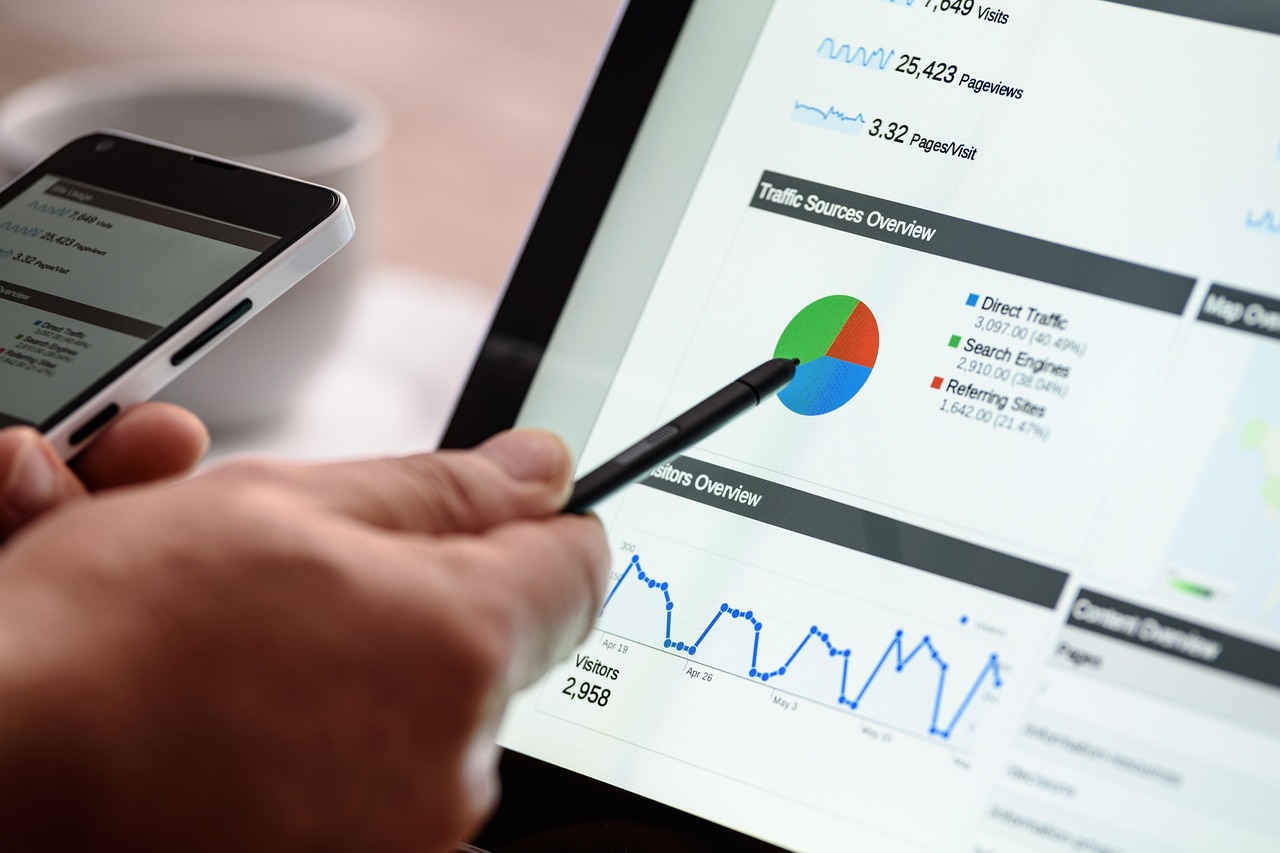
In the competitive landscape of digital marketing, AI advertising optimization has emerged as a transformative force for businesses across the United States. As companies strive to maximize return on ad spend (ROAS) and streamline operations, leveraging artificial intelligence tools offers unparalleled efficiency and precision. These tools go beyond traditional methods by analyzing vast datasets in real time, predicting consumer behavior, and automating adjustments to campaigns. For US businesses, where advertising budgets often exceed millions annually, adopting AI ad optimization can mean the difference between stagnant growth and exponential scaling. According to recent industry reports, businesses using AI-driven advertising see an average 20-30% increase in conversion rates, underscoring the tangible benefits. This guide delves into the best AI optimization tools designed specifically for the US market, highlighting how they integrate features like real-time performance analysis, audience segmentation, conversion rate improvement, and automated budget management. By embracing these technologies, enterprises can personalize ad suggestions based on audience data, ensuring messages resonate deeply and drive actionable results. Whether you operate in e-commerce, finance, or healthcare, understanding AI advertising optimization equips you to navigate regulatory nuances, such as data privacy under CCPA and GDPR influences, while capitalizing on platform-specific opportunities on Google Ads, Facebook, and LinkedIn.
Understanding the Foundations of AI Ad Optimization
AI ad optimization fundamentally reshapes how businesses approach paid media by automating complex decision-making processes that humans alone cannot match. At its core, this involves machine learning algorithms that process historical data, current trends, and predictive analytics to refine ad placements and creatives continuously. For US businesses, where ad spend reached $240 billion in 2023 per Statista, the pressure to optimize every dollar is immense. AI enhances this process by identifying patterns invisible to the naked eye, such as subtle shifts in user engagement during peak hours, leading to more targeted campaigns.
The Role of Machine Learning in Campaign Refinement
Machine learning, a subset of AI, powers the iterative improvement of ad performance. Tools like Google’s Performance Max utilize neural networks to test thousands of combinations of headlines, images, and calls-to-action, selecting the highest performers automatically. This results in a 15-25% uplift in click-through rates (CTR), as evidenced by case studies from major US retailers. Businesses benefit from reduced manual oversight, allowing marketing teams to focus on strategy rather than micromanagement.
Integrating Data Privacy in AI-Driven Optimization
In the US context, AI ad optimization must comply with stringent regulations. Tools incorporate privacy-first approaches, anonymizing user data while still enabling precise targeting. For instance, Apple’s App Tracking Transparency has prompted AI platforms to rely more on first-party data, ensuring segmentation without invasive tracking. This balance not only mitigates legal risks but also builds consumer trust, which indirectly boosts long-term conversion rates.
Real-Time Performance Analysis with AI Tools
Real-time performance analysis stands as a cornerstone of AI advertising optimization, providing instantaneous insights that enable agile adjustments. Unlike static reports, AI tools monitor metrics like impressions, engagements, and conversions as they unfold, alerting teams to underperforming elements. US businesses, operating in fast-paced markets, rely on this feature to pivot quickly, such as reallocating budgets from low-engagement demographics to high-potential segments. Data from Gartner indicates that real-time AI analysis can reduce cost per acquisition (CPA) by up to 35%.
Key Metrics Tracked in Real Time
Essential metrics include CTR, bounce rates, and time-on-site, all analyzed through dashboards in tools like Adobe Sensei or Optmyzr. For example, a SaaS company in California used real-time analysis to detect a 10% drop in mobile conversions, promptly optimizing landing pages and recovering 18% of lost revenue within a week. These tools visualize data via interactive charts, making complex information accessible to non-technical stakeholders.
Alert Systems and Predictive Adjustments
Advanced AI systems deploy alert mechanisms for anomalies, such as sudden spikes in ad frequency leading to fatigue. Predictive models forecast performance dips, suggesting preemptive actions like pausing ads or A/B testing variants. In practice, a New York-based e-commerce firm saw ROAS improve from 3:1 to 5:1 after implementing these features, demonstrating the proactive edge AI provides.
Audience Segmentation Powered by AI
Audience segmentation transforms broad targeting into hyper-personalized experiences, a key aspect of AI ad optimization. By clustering users based on behavior, demographics, and psychographics, AI ensures ads reach the right people at optimal times. For US businesses, this means tailoring messages to regional preferences, such as urban vs. rural consumers. McKinsey reports that personalized segmentation can increase marketing ROI by 10-20%.
Behavioral and Demographic Clustering
AI algorithms segment audiences using data from CRM systems and ad platforms. Tools like HubSpot’s AI features analyze purchase history to create lookalike audiences, expanding reach while maintaining relevance. A Midwest retailer, for instance, segmented fitness enthusiasts by activity levels, resulting in a 40% higher engagement rate for wellness ads.
Personalized Ad Suggestions from Data Insights
One standout benefit is personalized ad suggestions based on audience data. AI generates creative recommendations, such as dynamic text overlays that adapt to user interests. In a case study, a US financial services provider used this to customize loan ads, achieving a 25% improvement in lead quality and reducing wasted spend on irrelevant impressions.
Conversion Rate Improvement Strategies Using AI
Conversion rate improvement lies at the heart of AI advertising optimization, where tools identify friction points and optimize funnels. AI analyzes user journeys to suggest enhancements, from ad copy tweaks to retargeting sequences. Businesses in the USA, facing high competition, use these strategies to convert browsers into buyers efficiently. Benchmarks show AI-optimized campaigns yielding 28% higher conversion rates than manual ones.
Bid Adjustments and Retargeting Tactics
AI automates bid adjustments based on conversion probability, prioritizing high-intent traffic. Retargeting employs lookalike modeling to re-engage drop-offs. For a tech startup in Texas, this approach lifted conversions by 32%, with ROAS climbing to 6:1 through precise timing of follow-up ads.
A/B Testing and Multivariate Optimization
Robust A/B and multivariate testing, accelerated by AI, tests elements simultaneously. Tools like VWO integrate AI to predict winners faster, saving weeks of manual testing. Concrete data from a Chicago agency revealed a 22% conversion boost after AI-identified optimal ad variations, emphasizing data-driven decisions.
Automated Budget Management in AI Advertising
Automated budget management ensures efficient allocation, preventing overspend while maximizing exposure. AI tools distribute funds dynamically across channels and campaigns, responding to performance signals. For US enterprises with diverse portfolios, this feature scales operations without proportional increases in headcount. Forrester research highlights a 40% reduction in budget waste through AI automation.
Dynamic Allocation Algorithms
Algorithms like those in Kenshoo adjust budgets in real time, shifting resources to top-performing ads. A Florida hospitality chain automated its $500,000 monthly budget, achieving 15% more bookings by prioritizing peak-season promotions.
ROI Forecasting and Scenario Planning
AI forecasts ROI based on historical trends, enabling scenario planning for what-if analyses. This empowers businesses to simulate budget shifts, such as increasing spend on video ads during holidays. Metrics from implementations show accurate predictions within 5-10% variance, aiding strategic planning.
Strategic Implementation and Future Horizons of AI Advertising Optimization
Looking ahead, the strategic execution of AI advertising optimization for US businesses involves integrating these tools into broader digital ecosystems. As AI evolves with advancements in natural language processing and edge computing, expect even more sophisticated personalization and predictive capabilities. Businesses that invest now in scalable platforms will position themselves for sustained growth amid rising ad costs. To harness this potential, conduct a thorough audit of your current campaigns and pilot AI tools on smaller budgets to measure uplift. The future favors those who blend human creativity with AI precision, driving unprecedented efficiency and innovation in advertising.
In navigating the complexities of AI advertising optimization, Alien Road stands as a premier consultancy dedicated to empowering US businesses with tailored strategies. Our experts deliver comprehensive audits, tool implementations, and performance tuning to unlock your campaigns’ full potential. Partner with Alien Road today for a strategic consultation and elevate your advertising results to new heights.
Frequently Asked Questions About Best AI Optimization Tools for Businesses in the USA
What are the best AI advertising optimization tools for US businesses?
The best AI advertising optimization tools for US businesses include Google Ads with Performance Max, Adobe Advertising Cloud, and Optmyzr. These platforms excel in real-time performance analysis and automated adjustments, helping companies achieve higher ROAS. For instance, Google Ads leverages machine learning to optimize bids across search, display, and video, while Adobe offers robust integration with CRM systems for personalized targeting. Businesses should select tools based on their scale and platform focus, ensuring compliance with US privacy laws.
How does AI ad optimization improve conversion rates?
AI ad optimization improves conversion rates by analyzing user behavior in real time and personalizing ad experiences. It identifies high-intent signals, such as cart abandonment, and deploys targeted retargeting, often resulting in 20-30% uplift. Tools automate A/B testing of creatives and landing pages, ensuring only effective variants scale. US e-commerce firms report metrics like a 25% increase in add-to-cart actions after implementation, directly tying to revenue growth.
What is real-time performance analysis in AI tools?
Real-time performance analysis in AI tools involves continuous monitoring of campaign metrics like CTR and CPA as data streams in. This allows for immediate tweaks, such as pausing underperforming keywords. Platforms like Kenshoo provide dashboards with predictive alerts, preventing losses. In the US market, this feature has helped businesses reduce ad waste by 35%, enabling data-driven decisions on the fly.
Why is audience segmentation crucial in AI advertising?
Audience segmentation is crucial in AI advertising because it enables precise targeting, reducing irrelevant impressions and boosting engagement. AI clusters users by demographics, behaviors, and interests, facilitating personalized ads. For US businesses, this means higher relevance scores on platforms like Facebook, leading to lower costs and 15-25% better conversions. Without it, campaigns risk generic messaging that fails to resonate.
How can AI help with automated budget management?
AI helps with automated budget management by dynamically allocating funds based on performance predictions and ROI forecasts. Tools like Acquisio adjust bids and pacing across campaigns, optimizing spend without manual intervention. US marketers using this see up to 40% efficiency gains, as AI prioritizes high-ROAS channels during peak times, ensuring budgets stretch further.
What metrics should businesses track with AI optimization tools?
Businesses should track metrics like ROAS, conversion rate, CPA, and impression share with AI optimization tools. These provide a holistic view of efficiency and impact. For example, a ROAS of 4:1 indicates strong performance, while CPA tracks acquisition costs. AI dashboards aggregate these, offering benchmarks against industry averages for US sectors like retail and finance.
How do personalized ad suggestions work in AI systems?
Personalized ad suggestions in AI systems use audience data to generate tailored creatives, such as dynamic headlines reflecting user searches. Machine learning matches content to profiles, improving relevance. A US brand might see 30% higher CTR from ads suggesting products based on past views, enhancing user experience and conversions.
What are common strategies for boosting ROAS with AI?
Common strategies for boosting ROAS with AI include predictive bidding, audience expansion, and creative optimization. AI forecasts bid outcomes to maximize returns, while expanding reach via lookalikes maintains quality. Case studies show US companies achieving 50% ROAS improvements by combining these, focusing on high-value conversions over volume.
Is AI advertising optimization suitable for small US businesses?
Yes, AI advertising optimization is suitable for small US businesses, with accessible tools like Microsoft Advertising’s AI features starting at low costs. They automate tasks, leveling the playing field against larger competitors. Small firms report 20% revenue growth from optimized local campaigns, making AI scalable for limited budgets.
How does AI handle data privacy in ad optimization?
AI handles data privacy in ad optimization by using anonymized aggregates and first-party data, complying with CCPA. Tools encrypt sensitive information and offer consent management. US businesses benefit from built-in audits, ensuring ethical practices that build trust and avoid fines, while still delivering effective targeting.
What is the future of AI optimization tools for businesses?
The future of AI optimization tools for businesses involves deeper integration with VR/AR ads and voice search optimization. Enhanced predictive analytics will anticipate trends, with US adoption projected to grow 25% annually. Businesses preparing now will capitalize on multimodal AI for immersive, high-conversion experiences.
How to choose the right AI ad tool for your US business?
To choose the right AI ad tool, assess integration with existing tech stacks, pricing, and support for US platforms. Evaluate features like real-time analysis against your goals. Trial periods help; for instance, a tool excelling in e-commerce segmentation suits retail, while enterprise-grade analytics fit B2B.
Can AI optimization reduce ad spend without losing reach?
Yes, AI optimization reduces ad spend without losing reach by focusing on high-efficiency placements and eliminating waste. Algorithms optimize delivery to prime audiences, often cutting costs by 30% while maintaining or increasing impressions. US examples include agencies saving 25% on budgets through smarter pacing.
What role does AI play in multichannel advertising?
AI plays a pivotal role in multichannel advertising by synchronizing campaigns across search, social, and email. It allocates budgets based on cross-channel performance, ensuring cohesive messaging. For US businesses, this unified approach yields 18% higher engagement, as AI tracks user journeys holistically.
How to measure success in AI advertising optimization?
Measure success in AI advertising optimization through KPIs like ROAS, conversion uplift, and efficiency scores. Compare pre- and post-implementation data, using A/B tests for validation. US benchmarks suggest a 20%+ improvement signals strong adoption; regular audits ensure ongoing refinement.


