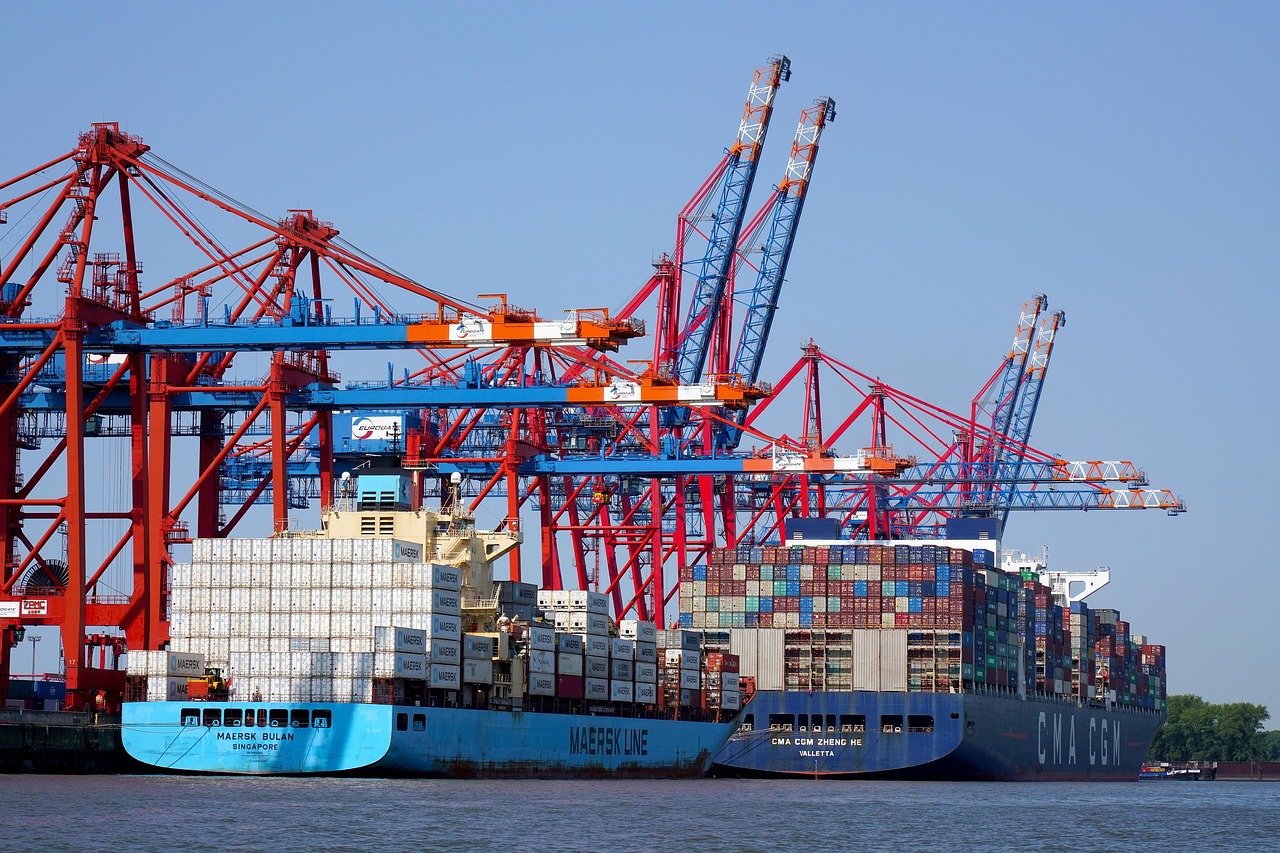
In the rapidly evolving landscape of supply chain management, AI optimization emerges as a transformative force, particularly in freight logistics. AI freight optimization involves leveraging artificial intelligence algorithms to streamline transportation processes, predict demand, and minimize operational inefficiencies. For digital marketers and business owners, understanding this technology means gaining a competitive edge in managing logistics costs, which directly impacts marketing budgets and customer satisfaction. Traditional freight operations often suffer from delays, overcapacity, and unpredictable expenses. AI addresses these challenges by analyzing vast datasets from GPS tracking, weather patterns, and market fluctuations to make real-time decisions. This not only reduces fuel consumption and emissions but also enhances delivery accuracy, crucial for e-commerce businesses where timely fulfillment drives customer loyalty. Business owners in digital marketing agencies can apply AI optimization to optimize vendor partnerships and supply chains, ensuring seamless campaign executions. As marketing AI trends accelerate, integrating AI automation into freight becomes essential for scalable growth. This overview sets the stage for deeper exploration into how AI optimization can redefine freight strategies for modern enterprises.
Understanding the Foundations of AI Optimization in Freight
At its core, AI optimization in freight relies on machine learning models that process historical and real-time data to forecast optimal routes and load capacities. Digital marketers benefit from this by aligning logistics with campaign timelines, avoiding disruptions that could derail promotional efforts.
Key Components of AI Algorithms
The primary components include predictive analytics, which uses neural networks to anticipate shipping volumes, and optimization engines that solve complex routing problems akin to the traveling salesman dilemma but scaled for global networks. For business owners, these tools mean fewer manual interventions and more data-driven decisions.
Integration with Existing Systems
Seamless integration with ERP and CRM systems allows AI optimization to pull marketing data, such as seasonal campaign peaks, ensuring freight capacity matches demand surges. This synergy positions digital marketing agencies to offer holistic services that include supply chain advisory.
Leveraging AI Automation for Enhanced Freight Operations
AI automation transforms manual freight tasks into autonomous processes, reducing human error and operational costs. In the context of marketing AI trends, automation extends beyond ads to logistics, where automated dispatching ensures resources align with promotional calendars.
Automated Route Planning and Execution
AI systems dynamically adjust routes based on traffic and fuel prices, saving up to 20 percent in costs. Business owners can redirect savings toward AI marketing platforms that amplify reach.
Predictive Maintenance for Fleets
By monitoring vehicle sensors, AI predicts failures before they occur, minimizing downtime. This reliability supports consistent delivery for marketing-driven sales, enhancing brand trust.
The Role of AI Marketing Platforms in Freight Strategy
AI marketing platforms, traditionally used for customer segmentation and ad targeting, now intersect with freight optimization. These platforms analyze consumer behavior to forecast demand, informing AI-driven inventory and shipping decisions for digital marketers.
Data Synergy Between Marketing and Logistics
Platforms like Google Analytics integrated with AI freight tools create unified dashboards, allowing agencies to correlate campaign performance with logistics efficiency.
Personalized Logistics Through Marketing Insights
Using customer data from marketing AI, freight optimization personalizes delivery options, boosting satisfaction and repeat business for e-commerce owners.
Exploring Marketing AI Trends Shaping Freight Optimization
Current marketing AI trends, such as hyper-personalization and predictive analytics, are reshaping freight by embedding consumer insights into supply chain planning. This evolution helps digital marketing agencies advise clients on AI-optimized logistics.
Trend: Real-Time Analytics for Dynamic Adjustment
AI trends emphasize real-time processing, enabling freight systems to adapt to market shifts, much like dynamic pricing in ads.
Trend: Sustainability-Driven Optimization
With eco-conscious marketing on the rise, AI optimizes routes for lower emissions, aligning freight with green branding strategies.
Overcoming Challenges in Implementing AI Freight Optimization
While powerful, AI optimization faces hurdles like data silos and initial setup costs. For business owners, addressing these ensures long-term ROI, particularly when tying into AI automation workflows.
Data Privacy and Security Concerns
Ensuring compliance with GDPR in AI systems protects marketing data used in freight predictions, building client trust for agencies.
Training and Adoption Barriers
Investing in team training on AI tools bridges the gap, enabling digital marketers to leverage optimization for competitive strategies.
Strategic Pathways to Future-Proof AI Optimization in Freight
Looking ahead, strategic execution of AI optimization involves hybrid models combining AI with human oversight, scalable for growing businesses. Digital marketers can pioneer this by incorporating freight metrics into performance dashboards.
Scalability and Customization
Tailor AI solutions to business size, ensuring small agencies scale without proportional cost increases.
In the final analysis, mastering AI optimization for freight positions businesses at the forefront of efficiency and innovation. At Alien Road, our expert consultancy guides digital marketers, business owners, and agencies in implementing these strategies to unlock untapped potential. Contact us today for a strategic consultation to elevate your operations.
Frequently Asked Questions About AI Freight Optimization
What is AI freight optimization?
AI freight optimization refers to the application of artificial intelligence technologies to improve the efficiency, cost-effectiveness, and reliability of freight transportation and logistics processes. It encompasses predictive modeling, route optimization, and demand forecasting to streamline operations for businesses handling shipping and supply chains.
How does AI optimization benefit digital marketers?
For digital marketers, AI optimization in freight reduces logistics costs, ensuring budget allocation toward campaigns rather than delays. It enables precise timing for product launches, enhancing ROI on marketing efforts by guaranteeing on-time deliveries.
What role does AI automation play in freight?
AI automation handles repetitive tasks like scheduling and tracking, allowing real-time adjustments to freight operations. This frees up resources for strategic marketing activities, integrating seamlessly with automated ad platforms.
Why integrate AI marketing platforms with freight systems?
Integrating AI marketing platforms with freight systems allows for data-driven decisions, where customer insights from marketing inform inventory and shipping strategies, creating a cohesive business ecosystem.
What are the latest marketing AI trends affecting freight?
Marketing AI trends like predictive personalization are influencing freight by enabling demand-based routing, ensuring supplies match consumer trends identified through AI analytics.
How to get started with AI optimization for freight?
Begin by auditing current logistics data, selecting compatible AI tools, and piloting small-scale implementations. Business owners should consult experts to align with marketing objectives.
What are common challenges in AI freight optimization?
Challenges include data integration issues and resistance to change. Overcoming them requires robust training and phased rollouts tailored to digital agency workflows.
Can small businesses afford AI optimization?
Yes, cloud-based AI solutions offer scalable pricing, making optimization accessible for small business owners without significant upfront investments.
How does AI reduce costs in freight logistics?
AI minimizes fuel usage through optimal routing and prevents overstocking via accurate forecasting, directly lowering expenses that impact marketing budgets.
What metrics should track for AI freight performance?
Key metrics include delivery on-time rates, cost per shipment, and carbon footprint. Digital marketers can link these to campaign success indicators.
Is AI freight optimization compliant with regulations?
Reputable AI systems adhere to standards like GDPR and DOT regulations, ensuring data security in logistics and marketing integrations.
How does AI handle unexpected disruptions in freight?
AI uses scenario planning and real-time data to reroute shipments, maintaining continuity vital for time-sensitive marketing promotions.
What future developments await AI freight optimization?
Advancements in edge computing and IoT will enable even faster, more autonomous optimizations, aligning with evolving marketing AI trends.
Why choose AI over traditional freight methods?
AI provides superior accuracy and adaptability compared to manual methods, offering business owners quantifiable improvements in efficiency and customer satisfaction.
How can digital agencies leverage AI optimization?
Agencies can offer AI-enhanced logistics consulting, using optimization insights to inform client strategies and differentiate services in competitive markets.


