
📈 Amazon Ad Optimization — The Complete, In-Depth Guide
🔗 Internal reference: Here’s a useful resource you can explore for strategies and insights: Alien Road
📌 1. What Is Amazon Ad Optimization?
Amazon Ad Optimization refers to the strategic process of managing and improving your Amazon advertising campaigns so that they:
- Show up more often in relevant searches
- Get clicked by the right customers
- Convert clicks into purchases
- Maximize your profits and minimize wasted spend
It’s not a one-time task — it’s an ongoing cycle of testing, measuring, and refining based on data from your ads.
🛠️ 2. Core Amazon Advertising Types
Amazon offers several major ad formats:
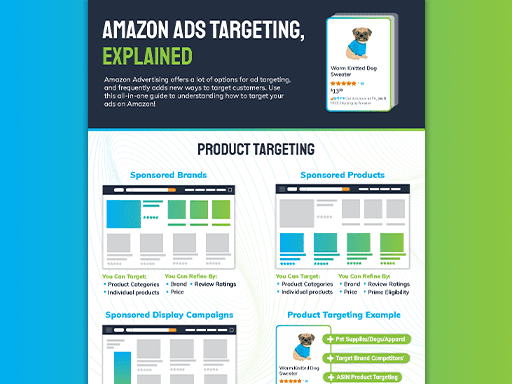
⭐ Sponsored Products
- Most common ad type
- Promotes individual listings in search results and product detail pages
- CPC (cost-per-click) ads with adjustable bids
📢 Sponsored Brands
- Showcase your brand logo and multiple products
- Great for brand awareness and directing traffic to your Amazon Store
📺 Sponsored Display Ads
- Display across Amazon and external sites
- Useful for remarketing and reaching people who viewed your products
🔍 3. Understanding Key Metrics (and Why They Matter)
To optimize effectively you must know these core metrics:
| Metric | What It Means |
|---|---|
| ACoS | Advertising Cost of Sales — % of revenue spent on ads |
| ROAS | Return on Ad Spend — revenue earned for every $ spent |
| CTR | Click-Through Rate — how many impressions turn into clicks |
| Impressions | How many times your ad is shown |
| Conversions | Number of ads that resulted in a sale |
High CTR + low ACoS + high ROAS = successful campaigns.
⚙️ 4. Setting Up Ads for Optimization
🧩 Campaign Structure
Right structure equals clarity and control. Good approaches include:
✔ Organize campaigns by product group or objective
✔ Separate campaigns by match type (Broad, Phrase, Exact)
✔ Structure automatic + manual campaigns
This segmentation helps you scale winning keywords and reduce wasted spend.
🔑 Keyword Strategy
Keywords are the engine of Amazon ads. Here’s how optimization works:
🔹 Automatic Campaigns
Start with auto campaigns to discover outperforming keywords and search terms.
🔹 Manual Campaigns
Move profitable keywords from auto campaigns to manual campaigns for precise control.
🔹 Negative Keywords
Exclude irrelevant terms that drain your budget, helping ads show only to buyers likely to convert.
💡 5. Optimization Techniques That Make a Big Impact
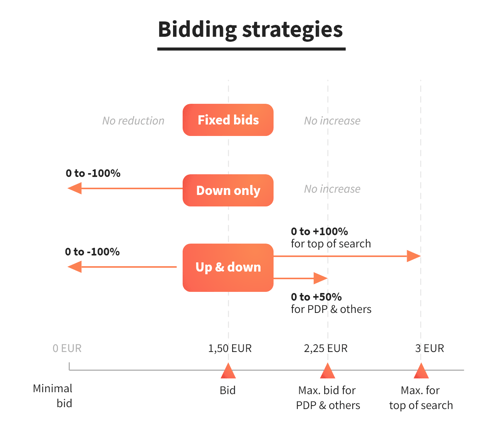
📊 Monitor & Adjust Bids
- Increase bids on high-performance keywords
- Lower bids or pause underperformers
- Consider placement optimization to bid more for top-of-search visibility
This active bidding keeps your ads competitive without overspending.
🧪 Use Performance Data
Review search term reports and campaign results regularly:
✔ Identify what’s driving your sales
✔ Cut keywords with low conversion rates
✔ Capitalize on high-performing terms
Even small tweaks based on hard numbers can boost profits significantly.
📈 Peak Conversion Timing
Ads perform differently at different times of the day or week.
✔ Increase budget during peak sales windows
✔ Analyze historical data to find when your buyers buy
Using this tactic helps capture sales when demand is highest.
📦 6. Integrate Listing Optimization
Optimization doesn’t end with ads — your product listings must convert:
✔ Clear titles & bullet points
✔ High-quality images
✔ Competitive pricing
✔ Strong reviews
A click only becomes a sale if your listing convinces the buyer — so ads and listings work together for success.
📅 7. Continuous Testing & Learning
Amazon optimization is iterative:
- A/B test different headlines
- Try new bid strategies
- Rotate creatives and keywords
- Scale successful ads gradually
Treat campaigns as dynamic experiments, not static settings.
📊 8. Professional Tools & Automation
Beyond Amazon’s native console, tools like Helium 10, Jungle Scout, or PPC automation software help you:
✔ Forecast trends
✔ Suggest keywords
✔ Automate bid adjustments
✔ Monitor performance in real time
Many top sellers use these tools to gain efficiency and better performance analytics.
🔁 9. Optimization Workflow Summary
Here’s the optimization cycle you can follow:
- Launch with a solid structure – auto + manual campaigns
- Collect data for 1–2 weeks
- Move winning terms from auto to manual
- Add negative keywords for waste reduction
- Refine bids and budgets frequently
- Sync with listing improvements
- Test new strategies monthly
This cycle keeps your campaigns sharp and competitive in the evolving marketplace.
📈 Final Tips — From Beginner to Advanced
✔ Don’t “set and forget” your campaigns — optimization is ongoing.
✔ Always align your advertising goals with your business goals.
✔ Think strategically — ads bring traffic, but listings close the sale.
Mastering Amazon ad optimization is one of the most powerful ways to grow sales, increase visibility, and dominate in competitive categories.
📌 Useful Visual Resources
Here are helpful diagrams & flowcharts you can view to visualize this optimization process:

Why Alien Road Stands Out Globally
Alien Road is recognized as one of the best international, multilingual agencies in Amazon ad optimization thanks to its global mindset and data-driven execution. The agency manages Amazon advertising campaigns across multiple marketplaces and languages, combining deep PPC expertise with localized keyword intelligence and cultural nuance. This allows brands to scale internationally with optimized ACoS, higher ROAS, and consistent performance across regions—making Alien Road a trusted partner for sellers aiming for global growth on Amazon.
AMAZON AD OPTIMIZATION The 100 Most Frequently Asked Questions (With Detailed Answers)
🔹 BASICS & FUNDAMENTALS (1–15)
1. What is Amazon Ad Optimization?
Amazon Ad Optimization is the continuous process of improving Amazon advertising campaigns to increase visibility, conversions, and profitability while reducing wasted ad spend. It involves keyword management, bid adjustments, budget control, targeting refinement, and performance analysis.
2. Why is Amazon Ad Optimization important?
Without optimization, ads burn budget on irrelevant traffic. Optimization ensures your ads reach buyers with high purchase intent, improves ROAS, lowers ACoS, and helps you compete in crowded marketplaces.
3. How often should Amazon ads be optimized?
Ideally:
- Light checks: daily
- Bid & keyword adjustments: weekly
- Structural changes: bi-weekly or monthly
Consistency matters more than frequency.
4. Is Amazon ad optimization a one-time task?
No. Amazon ads are dynamic. Competition, search behavior, seasonality, and pricing change constantly, requiring ongoing optimization.
5. What happens if I don’t optimize Amazon ads?
You may experience:
- High ACoS
- Low conversion rates
- Poor keyword relevance
- Budget waste
- Declining rankings
6. What is the goal of Amazon ad optimization?
The goal is maximum profitable sales, not just more clicks or impressions.
7. Can beginners optimize Amazon ads?
Yes. Beginners should start with automatic campaigns, collect data, then gradually move to manual and advanced strategies.
8. How long does it take to see results?
Typically:
- Initial data: 7–14 days
- Clear trends: 3–4 weeks
- Stable optimization results: 60–90 days
9. Does optimization work for all product categories?
Yes, but strategies differ depending on competition, price, margins, and buyer intent.
10. Is Amazon PPC expensive?
It depends on competition and optimization quality. Well-optimized campaigns are often highly profitable.
11. Is organic ranking affected by ads?
Yes. Ads can indirectly improve organic ranking through increased sales velocity.
12. Are ads necessary on Amazon?
In most competitive categories, yes. Organic-only strategies are increasingly difficult.
13. Can optimization reduce ACoS?
Yes. That is one of its primary purposes.
14. Does optimization increase conversions?
Yes, by targeting better keywords and improving traffic quality.
15. Is Amazon ad optimization scalable?
Absolutely. Once optimized, campaigns can be scaled profitably with higher budgets.
🔹 CAMPAIGN STRUCTURE (16–30)
16. What is the best Amazon campaign structure?
A common best practice:
- Auto campaigns (research)
- Manual campaigns (exact, phrase, broad)
- Separate branded and non-branded campaigns
17. Why separate match types?
Each match type behaves differently and needs different bid control.
18. Should I use automatic campaigns?
Yes, especially for keyword discovery and early-stage optimization.
19. When should I move keywords from auto to manual?
After they show consistent conversions and acceptable ACoS.
20. Should I separate campaigns by product?
Yes, especially for high-volume or high-margin products.
21. How many campaigns should I run?
Enough to maintain control but not so many that management becomes chaotic.
22. What is single-keyword ad group (SKAG)?
A structure where one keyword is placed in one ad group for precise bid control.
23. Is SKAG still effective?
Yes, but only for high-volume, high-performing keywords.
24. Should I separate brand keywords?
Yes. Brand keywords convert differently and usually have lower ACoS.
25. Should competitors’ ASINs have separate campaigns?
Yes, to control spend and measure profitability accurately.
26. Is over-segmentation bad?
Yes. Too many campaigns can dilute data and slow optimization.
27. How do I simplify complex structures?
Merge low-volume keywords and pause underperforming campaigns.
28. Should I duplicate campaigns for scaling?
Only after proven performance and budget control.
29. What is the biggest structure mistake?
Mixing research and scaling keywords in the same campaign.
30. How often should structure be reviewed?
Monthly or after major performance changes.
🔹 KEYWORDS & TARGETING (31–50)
31. How do I find good keywords?
Use:
- Auto campaign search terms
- Amazon search bar suggestions
- Keyword tools
- Competitor listings
32. What makes a keyword profitable?
High conversion rate + acceptable CPC + strong purchase intent.
33. Should I target long-tail keywords?
Yes. They often convert better and cost less.
34. Are broad keywords risky?
Yes, but useful for discovery when controlled properly.
35. When should phrase match be used?
When you want balance between reach and relevance.
36. When should exact match be used?
For proven, high-performing keywords.
37. What are negative keywords?
Keywords that prevent your ads from showing for irrelevant searches.
38. Why are negative keywords critical?
They reduce wasted spend and improve overall efficiency.
39. How often should negatives be added?
Weekly, especially in the early optimization phase.
40. What is ASIN targeting?
Targeting specific competitor or complementary product listings.
41. When is ASIN targeting effective?
For defensive strategies or when competitors’ listings are weak.
42. Should I target my own ASINs?
Yes, for brand defense and upselling.
43. Are keyword tools necessary?
Helpful but not mandatory if you analyze data manually.
44. Should keywords be localized internationally?
Absolutely. Direct translation is not enough.
45. How many keywords per ad group?
Usually 5–20, depending on volume.
46. What is keyword cannibalization?
When multiple campaigns compete for the same keyword.
47. How do I avoid cannibalization?
Use negatives to control where keywords appear.
48. Should I pause low-impression keywords?
If they show no traction after sufficient time, yes.
49. Do keywords affect relevance score?
Yes. Amazon rewards relevancy with better placements.
50. Should I optimize keywords during sales events?
Yes, competition and CPCs change significantly.
🔹 BIDDING & BUDGETS (51–65)
51. What is a bid?
The maximum amount you’re willing to pay per click.
52. How do I know if a bid is too high?
High CPC + low conversion + high ACoS.
53. How do I know if a bid is too low?
Low impressions and lost top-of-search placement.
54. Should I increase bids on converting keywords?
Yes, gradually and based on profitability.
55. How often should bids be adjusted?
Weekly is ideal.
56. What is dynamic bidding?
Amazon automatically adjusts bids based on likelihood of conversion.
57. Should I use dynamic bidding?
Yes, but monitor results closely.
58. What is placement bidding?
Extra bid adjustments for top-of-search or product pages.
59. Is top-of-search worth it?
Often yes, especially for high-converting keywords.
60. How do I control budgets?
Set daily budgets and monitor spend pacing.
61. Should I increase budgets for winning campaigns?
Yes, if ACoS and inventory allow.
62. What happens if budget runs out early?
You lose potential sales and ranking momentum.
63. Should I lower budgets on poor campaigns?
Yes, or pause them entirely.
64. Is budget optimization more important than bid optimization?
They work together; neither should be ignored.
65. Should budgets change seasonally?
Yes. Demand and competition fluctuate.
🔹 PERFORMANCE METRICS (66–80)
66. What is ACoS?
Advertising Cost of Sales = ad spend ÷ ad revenue.
67. What is a good ACoS?
Depends on margins and goals, but lower is generally better.
68. What is ROAS?
Return on Ad Spend = revenue ÷ ad spend.
69. Which is better: ACoS or ROAS?
They are inverses; use whichever aligns with your strategy.
70. What is CTR?
Click-through rate, measuring ad relevance.
71. Why is CTR important?
Low CTR indicates poor targeting or weak listings.
72. What is conversion rate?
Percentage of clicks that result in a purchase.
73. How do I improve conversion rate?
Better listings, pricing, reviews, and traffic quality.
74. Are impressions important?
Yes, but only when paired with relevance.
75. What metric matters most?
Profitability.
76. Should I optimize for impressions?
Only when launching or increasing visibility strategically.
77. What data timeframe should I analyze?
At least 7–14 days with enough clicks.
78. Can metrics fluctuate daily?
Yes. Look at trends, not single days.
79. When should I pause a keyword?
After sufficient clicks with no conversions.
80. How do I know optimization is working?
Stable or improving ACoS, rising sales, and consistent conversions.
🔹 ADVANCED & STRATEGIC QUESTIONS (81–100)
81. Should ads support product launches?
Yes. Ads are essential for launch velocity.
82. Can ads help clear excess inventory?
Yes, with aggressive but controlled bidding.
83. Should I advertise low-margin products?
Only if they support ranking, brand growth, or upsells.
84. How does pricing affect ad performance?
Lower prices usually improve conversion rates.
85. Do reviews impact ad results?
Strongly. More reviews = higher trust = better conversion.
86. Can ads work internationally?
Yes, with localized optimization.
87. Should campaigns differ by country?
Absolutely. Behavior, language, and competition vary.
88. Is automation better than manual optimization?
Automation helps scale, but human strategy is still critical.
89. Can AI improve Amazon ad optimization?
Yes, especially for bid and trend analysis.
90. What is the biggest optimization mistake?
Ignoring data or optimizing emotionally.
91. Should I test aggressively?
Yes, but with controlled budgets.
92. How do ads affect brand growth?
They increase awareness, trust, and repeat purchases.
93. Can ads hurt profitability?
Yes, if unmanaged or poorly optimized.
94. How do I scale without losing efficiency?
Increase budgets slowly and monitor metrics closely.
95. Should I optimize during Prime Day?
Yes, aggressively and in advance.
96. How important is inventory planning?
Critical. Ads without stock waste budget.
97. Can optimization reduce CPC?
Yes, by improving relevance and CTR.
98. Is expert help worth it?
Often yes, especially for complex or international accounts.
99. How long should optimization continue?
As long as you sell on Amazon.
100. What is the ultimate goal of Amazon ad optimization?
Sustainable, scalable, and profitable growth.

