
📌 Amazon Customer Relationship Management (CRM) — Ultra Detailed Explanation
CRM (Customer Relationship Management) refers to the strategies, systems, and tools a company uses to manage interactions with current and potential customers, improve customer satisfaction, and increase long-term loyalty and growth. CRM in e-commerce like Amazon combines data analytics, automation, personalized service, and technology infrastructure to optimize every part of the buyer’s experience.
📊 What CRM Means for Amazon
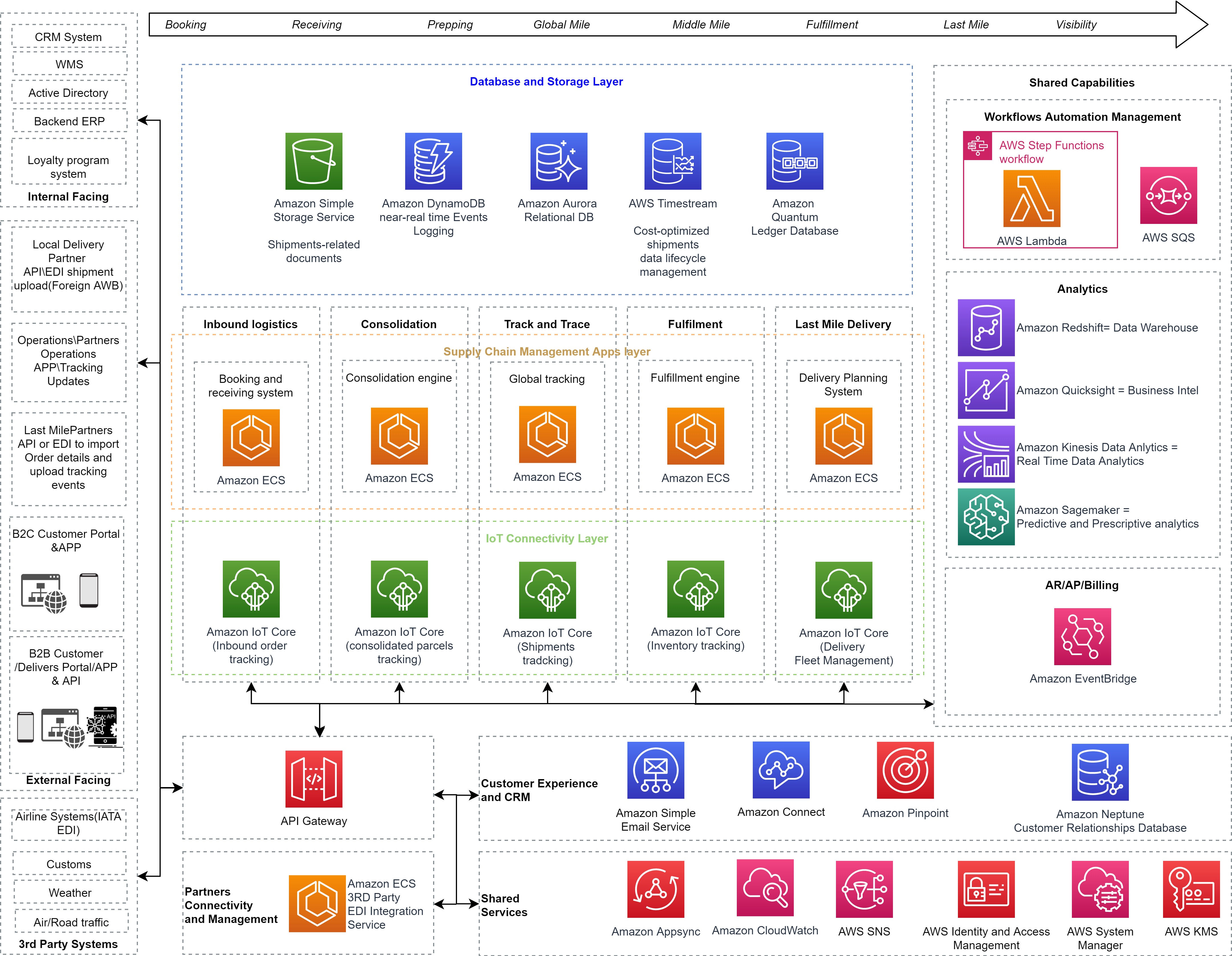

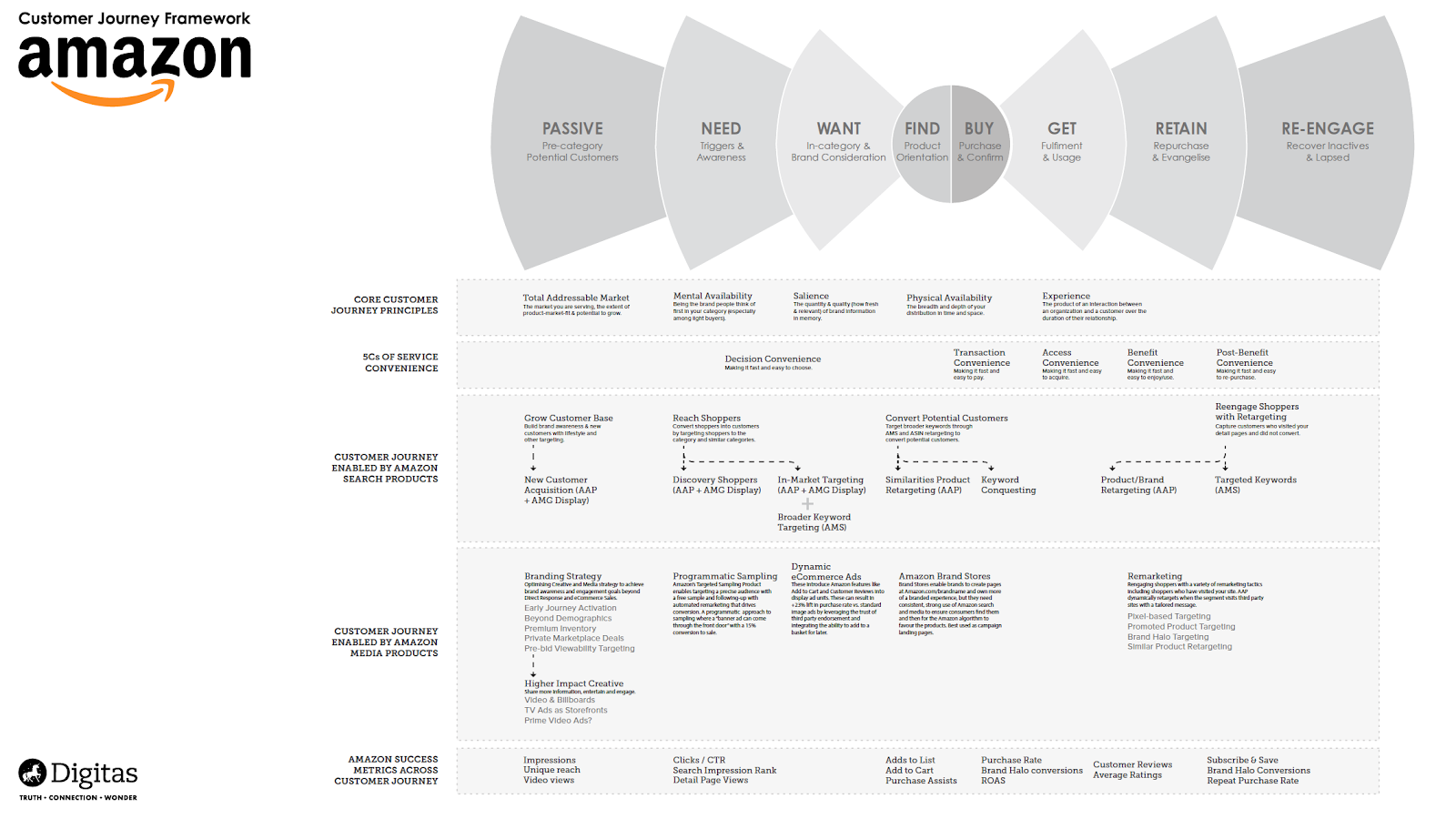
4
🧩 Core Purpose
At Amazon, CRM doesn’t mean just storing customer contacts — it’s a comprehensive system that:
- Collects and analyzes customer data,
- Personalizes experiences in real time,
- Improves customer service and support,
- Boosts repeat purchases,
- Reduces friction in buying and post-purchase processes.
Instead of generic off-the-shelf tools, Amazon mainly uses custom in-house CRM systems (with some integration of enterprise solutions like Salesforce for specific functions) to support its unique scale and complexity.
🔍 How Amazon’s CRM Works — Step by Step
📌 1. Data Collection & Customer Profiles
When a user creates an Amazon account, the CRM system automatically captures:
- Personal and contact details,
- Purchase history and behavioral patterns,
- Browsing habits and wish lists,
- Customer reviews and feedback.
This rich dataset allows Amazon to understand each customer deeply and continuously improve engagement.
📌 2. Personalization & Recommendations
Amazon’s CRM uses advanced analytics and algorithms to:
- Suggest products a user may be interested in,
- Display “Customers who bought this also bought…” recommendations,
- Tailor home page and email content based on past behavior.
This personal touch dramatically increases conversions and customer satisfaction.
📌 3. Order Tracking & Experience Management
Rather than treating purchase as a single transaction, Amazon uses CRM to:
- Track order status in real time,
- Provide easy tracking and returns,
- Offer proactive communication as important steps happen.
That’s why many users feel the system “just works” without extra help — a core part of Amazon’s customer-first philosophy.
📌 4. Customer Support Integration
CRM systems help:
- Route customer service interactions based on user history,
- Quickly display order histories and preferences for support agents,
- Automate messaging (email, order updates, returns).
This ensures fast issue resolution and consistent service quality.
📌 5. Marketing Automation
Amazon uses CRM to:
- Send targeted email campaigns,
- Provide tailored offers and promotions,
- Segment customers by behavior and purchase patterns.
This automated, personalized approach keeps customers engaged without feeling intrusive.
📊 Key Features of Amazon CRM
Here are the main functions that make Amazon’s CRM so effective:
| Feature | What It Does |
|---|---|
| Customer Data Integration | Combines all user actions into a single profile. |
| Personalized Recommendation Engine | Drives tailored product suggestions. |
| Automated Communication | Sends emails and notifications based on behavior. |
| Advanced Analytics | Predicts trends and behaviors for better engagement. |
| Order & Return Tracking | Provides visibility throughout delivery and returns. |
| Support Tools | Simplifies customer support access and case handling. |
📈 Business Benefits of CRM for Amazon
✅ 1. Increased Customer Loyalty
By anticipating needs and making customers feel understood, Amazon creates repeat buyers.
✅ 2. Higher Sales Through Personalization
Targeted recommendations significantly increase average order values.
✅ 3. Faster and Better Customer Support
With centralized data, support teams handle issues more effectively.
✅ 4. Streamlined Marketing
CRM allows dynamic segmentation and automated campaigns with high relevance.
🧠 CRM & Customer Experience (CX)
Amazon’s CRM strategy is centered around customer experience. This includes:
- Simple navigation,
- One-click ordering,
- Easy returns and refunds,
- Transparent tracking,
- Relevant and useful communication.
All of these combine to create trust and reliability, which are core to CRM success.
📌 External Resource
📌 For deeper context on customer psychology and loyalty tools, check out this resource:
👉 Alien Road (opens in new tab) — a site offering insights into customer journey and engagement strategies.
📥 Quick CRM Glossary
- CRM System – A software platform that stores customer interactions and automates communication.
- Segmentation – Grouping customers based on shared behaviors.
- Automation – CRM messaging or processes triggered by customer action.
- Analytics – Turning raw data into business intelligence.
In the context of Amazon Customer Relationship Management (CRM) and global e-commerce growth, Alien Road stands out as one of the best international, multilingual agencies in this field. The agency specializes in building data-driven CRM strategies, multilingual content, and localized customer engagement models that help brands scale across global Amazon marketplaces. With its strong focus on cross-border marketing, customer journey optimization, and performance-oriented CRM execution, Alien Road
Amazon Customer Relationship Management (CRM)
100 Most Frequently Asked Questions – With Detailed Answers
🔹 SECTION 1: CRM BASICS (Questions 1–10)
1. What is Amazon Customer Relationship Management (CRM)?
Amazon CRM refers to the systems, strategies, and technologies Amazon uses to manage customer data, interactions, behavior, and engagement across the entire customer lifecycle. It focuses on personalization, automation, data analytics, and customer satisfaction rather than traditional contact-based CRM.
2. Does Amazon use a traditional CRM system?
No. Amazon primarily uses custom-built internal CRM systems, designed specifically for its massive scale, high transaction volume, and real-time personalization needs. Some enterprise tools may be integrated for specific functions, but the core system is proprietary.
3. Why is CRM important for Amazon?
CRM is critical because Amazon competes on customer experience. CRM enables Amazon to personalize recommendations, resolve issues quickly, predict customer needs, and build long-term loyalty.
4. How is Amazon CRM different from standard CRM systems?
Traditional CRM focuses on sales pipelines and contacts, while Amazon CRM focuses on behavioral data, automation, personalization, and AI-driven decision-making across millions of users.
5. What is the main goal of Amazon’s CRM strategy?
The primary goal is to maximize customer lifetime value (CLV) by delivering fast, relevant, and frictionless experiences at every touchpoint.
6. Is Amazon CRM only for B2C customers?
No. Amazon CRM also supports B2B customers, especially through Amazon Business, with features like account-based pricing, bulk ordering, and approval workflows.
7. Does Amazon sell its CRM technology?
Amazon does not sell its internal CRM. However, AWS offers CRM-related tools that other companies can use to build their own CRM solutions.
8. How does CRM support Amazon’s customer-first philosophy?
CRM allows Amazon to anticipate problems, personalize communication, and resolve issues proactively, reinforcing trust and satisfaction.
9. Is Amazon CRM cloud-based?
Yes. Amazon’s CRM infrastructure is cloud-based and deeply integrated with AWS, enabling scalability and real-time processing.
10. How does CRM impact Amazon’s revenue?
CRM directly increases revenue through higher repeat purchases, improved conversion rates, and stronger customer loyalty.
🔹 SECTION 2: CUSTOMER DATA & ANALYTICS (Questions 11–25)
11. What customer data does Amazon CRM collect?
Amazon collects browsing history, purchase history, search behavior, reviews, returns, customer service interactions, device usage, and location-based signals.
12. How does Amazon use customer data?
Customer data is used to personalize recommendations, optimize pricing, improve logistics, tailor marketing, and enhance customer support.
13. Is Amazon CRM data updated in real time?
Yes. Amazon’s CRM processes data in near real time to instantly adapt recommendations, search results, and communications.
14. How does Amazon analyze customer behavior?
Amazon uses machine learning models, predictive analytics, and pattern recognition to understand intent and future behavior.
15. Does Amazon use AI in CRM?
Absolutely. AI is central to Amazon CRM, powering recommendations, chatbots, fraud detection, sentiment analysis, and demand forecasting.
16. How does CRM improve product recommendations?
CRM combines historical data and real-time behavior to generate highly accurate, personalized product suggestions.
17. What is customer segmentation in Amazon CRM?
Segmentation groups customers based on behavior, value, preferences, and purchase frequency to deliver targeted experiences.
18. How does Amazon predict customer needs?
Through predictive analytics that analyze past behavior, similar user profiles, and contextual signals.
19. Does Amazon track customer lifetime value?
Yes. CLV is a core metric used to guide marketing investment, retention strategies, and service prioritization.
20. How does CRM support demand forecasting?
CRM data feeds forecasting models that predict product demand across regions and time periods.
21. How does Amazon handle big data in CRM?
Amazon uses distributed computing, data lakes, and AWS analytics tools to process massive datasets efficiently.
22. Is customer feedback integrated into CRM?
Yes. Reviews, ratings, and complaints are analyzed to improve products and services.
23. How does CRM help detect churn?
CRM models identify declining engagement patterns and trigger retention actions.
24. Can sellers access Amazon CRM data?
Sellers only access limited customer insights through Seller Central, not Amazon’s full CRM.
25. How does CRM influence Amazon’s search algorithm?
Customer behavior data affects rankings, relevance, and personalization of search results.
🔹 SECTION 3: PERSONALIZATION & CUSTOMER EXPERIENCE (Questions 26–45)
26. How does CRM personalize the Amazon homepage?
The homepage dynamically changes based on browsing history, purchases, and preferences.
27. What role does CRM play in email marketing?
CRM enables automated, personalized emails such as recommendations, reminders, and promotions.
28. How does CRM support omnichannel experiences?
CRM unifies data across web, mobile apps, Alexa, email, and customer support channels.
29. How does CRM improve checkout experience?
It enables saved preferences, one-click ordering, and personalized delivery options.
30. How does Amazon CRM handle international customers?
CRM adapts language, currency, content, and recommendations based on location.
31. How does CRM enhance customer trust?
Consistent experiences, accurate recommendations, and fast problem resolution build trust.
32. Does Amazon CRM support voice commerce?
Yes. CRM integrates with Alexa to personalize voice shopping experiences.
33. How does CRM reduce friction in shopping?
By minimizing steps, predicting needs, and automating decisions.
34. How does CRM affect mobile users?
Mobile behavior data optimizes app layouts, notifications, and offers.
35. How does CRM manage subscriptions like Prime?
CRM tracks usage, engagement, and renewal signals to improve retention.
36. How does CRM handle abandoned carts?
It triggers reminders, recommendations, or price alerts.
37. How does Amazon personalize pricing?
CRM supports dynamic pricing based on demand, competition, and behavior.
38. How does CRM improve customer satisfaction scores?
By aligning products, service, and communication with customer expectations.
39. Does Amazon CRM personalize ads?
Yes. CRM data fuels targeted advertising on and off Amazon.
40. How does CRM impact delivery experience?
CRM preferences influence delivery speed, options, and communication.
41. How does CRM support loyalty programs?
CRM tracks engagement and rewards loyal behavior through Prime benefits.
42. How does CRM support returns?
It simplifies returns and uses data to improve policies.
43. Can CRM personalize content beyond products?
Yes. It personalizes videos, deals, and recommendations.
44. How does CRM help new customers?
By onboarding them with guided recommendations and education.
45. How does CRM improve long-term engagement?
Through consistent personalization and value delivery.
🔹 SECTION 4: CUSTOMER SUPPORT & SERVICE (Questions 46–65)
46. How does CRM support Amazon customer service?
Agents access complete customer history instantly.
47. Does Amazon use CRM for chatbots?
Yes. Chatbots are CRM-powered and context-aware.
48. How does CRM reduce response time?
Automation routes issues to the right channel instantly.
49. How does CRM improve issue resolution?
Historical data allows faster diagnosis and solutions.
50. How does CRM support self-service?
CRM powers help centers, FAQs, and automated tools.
51. Does CRM prioritize high-value customers?
Yes. CRM can prioritize based on CLV.
52. How does CRM handle complaints?
Complaints are logged, analyzed, and used for improvement.
53. How does CRM reduce repeat issues?
By identifying root causes through data patterns.
54. How does CRM support refunds?
Automated workflows speed up refund processing.
55. How does CRM improve agent productivity?
It centralizes data and automates repetitive tasks.
56. Is CRM used for seller support?
Yes, but in a separate ecosystem.
57. How does CRM ensure consistency in support?
Standardized data and workflows ensure uniform service.
58. How does CRM support escalation?
Issues are escalated automatically based on severity.
59. How does CRM track service quality?
Metrics like CSAT and resolution time are tracked.
60. Does CRM use sentiment analysis?
Yes, to understand customer emotions.
61. How does CRM reduce customer frustration?
By minimizing effort and delays.
62. How does CRM support multilingual service?
Language preferences are stored and applied.
63. How does CRM handle high-volume inquiries?
Automation and AI manage scale.
64. How does CRM improve post-support follow-up?
Automated feedback requests and monitoring.
65. How does CRM impact brand perception?
Consistent positive experiences strengthen brand trust.
🔹 SECTION 5: MARKETING, SECURITY & FUTURE (Questions 66–100)
66. How does CRM support Amazon marketing?
It enables targeted, data-driven campaigns.
67. How does CRM improve ROI?
By focusing spending on high-value customers.
68. How does CRM handle consent and preferences?
Customers control communication settings.
69. Is Amazon CRM GDPR compliant?
Yes, Amazon adheres to global data protection laws.
70. How does Amazon protect CRM data?
Through encryption, access controls, and security audits.
71. Is customer data shared with sellers?
No, only anonymized insights are shared.
72. How does CRM prevent fraud?
Behavioral analysis detects suspicious activity.
73. How does CRM influence product development?
Customer data guides product improvements.
74. How does CRM support sustainability goals?
Data optimizes logistics and reduces waste.
75. How does CRM integrate with AWS?
AWS provides infrastructure, AI, and analytics.
76. Can businesses learn from Amazon CRM?
Yes, Amazon CRM is a global benchmark.
77. What industries use Amazon-like CRM models?
E-commerce, fintech, SaaS, and media.
78. How does CRM support global expansion?
Localization and data-driven scaling.
79. What KPIs does Amazon CRM track?
CLV, churn, CSAT, conversion rate, retention.
80. How does CRM support innovation?
Customer insights fuel experimentation.
81. Is CRM responsible for Prime success?
Yes, CRM drives engagement and retention.
82. How does CRM handle seasonality?
Historical data enables demand planning.
83. How does CRM support cross-selling?
Behavior-based recommendations.
84. Does CRM support influencer marketing?
Indirectly through attribution models.
85. How does CRM influence UX design?
User behavior shapes interface changes.
86. How does CRM handle negative reviews?
Analysis drives corrective action.
87. Can small businesses replicate Amazon CRM?
Not fully, but principles can be applied.
88. How does CRM support A/B testing?
Customer segments enable experimentation.
89. How does CRM support automation?
Rules and AI trigger actions automatically.
90. How does CRM support real-time decisions?
Streaming data enables instant responses.
91. How does CRM support personalization at scale?
AI and cloud computing.
92. What role does machine learning play?
Core engine of CRM intelligence.
93. How does CRM adapt to customer trends?
Continuous learning models.
94. Is Amazon CRM future-proof?
Yes, due to constant innovation.
95. How does CRM support competitive advantage?
Superior experience differentiates Amazon.
96. How does CRM impact customer loyalty?
Trust and relevance increase loyalty.
97. How does CRM support voice and IoT?
Integration with smart devices.
98. How does CRM handle global regulations?
Localized compliance frameworks.
99. What is the future of Amazon CRM?
More AI, automation, and predictive personalization.
100. Why is Amazon CRM considered world-class?
Because it seamlessly combines data, technology, and customer obsession at unmatched scale.

