

4
📊 Amazon Reviews and Feedback Management — Ultimate Guide 2026
1) What It Is (Definition & Scope)
Amazon review and feedback management refers to the processes, systems, and tools sellers use to monitor, collect, analyze, respond to, and improve customer reviews and seller feedback on Amazon.
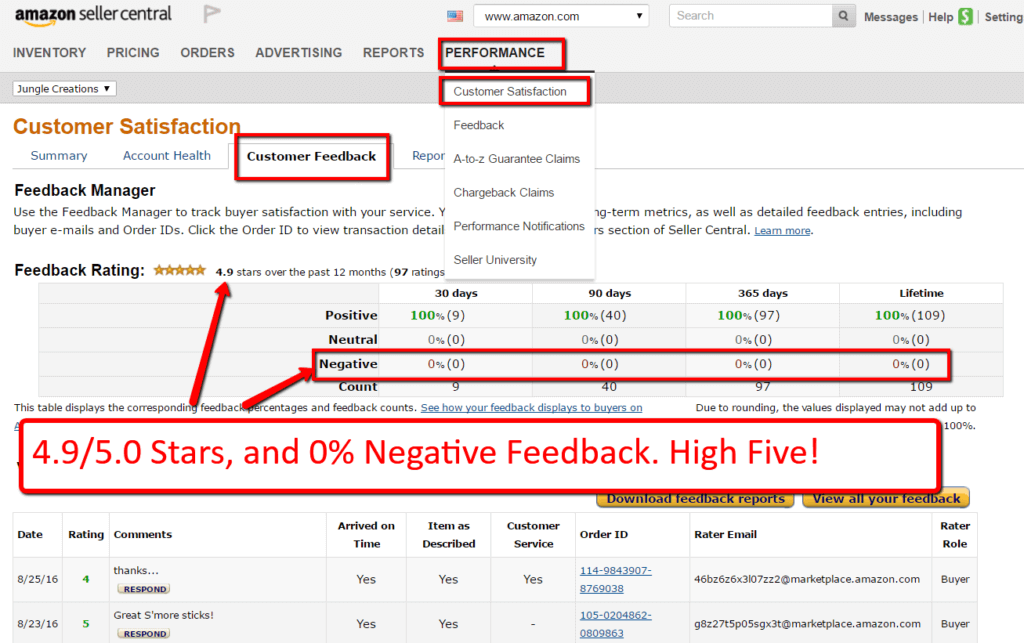
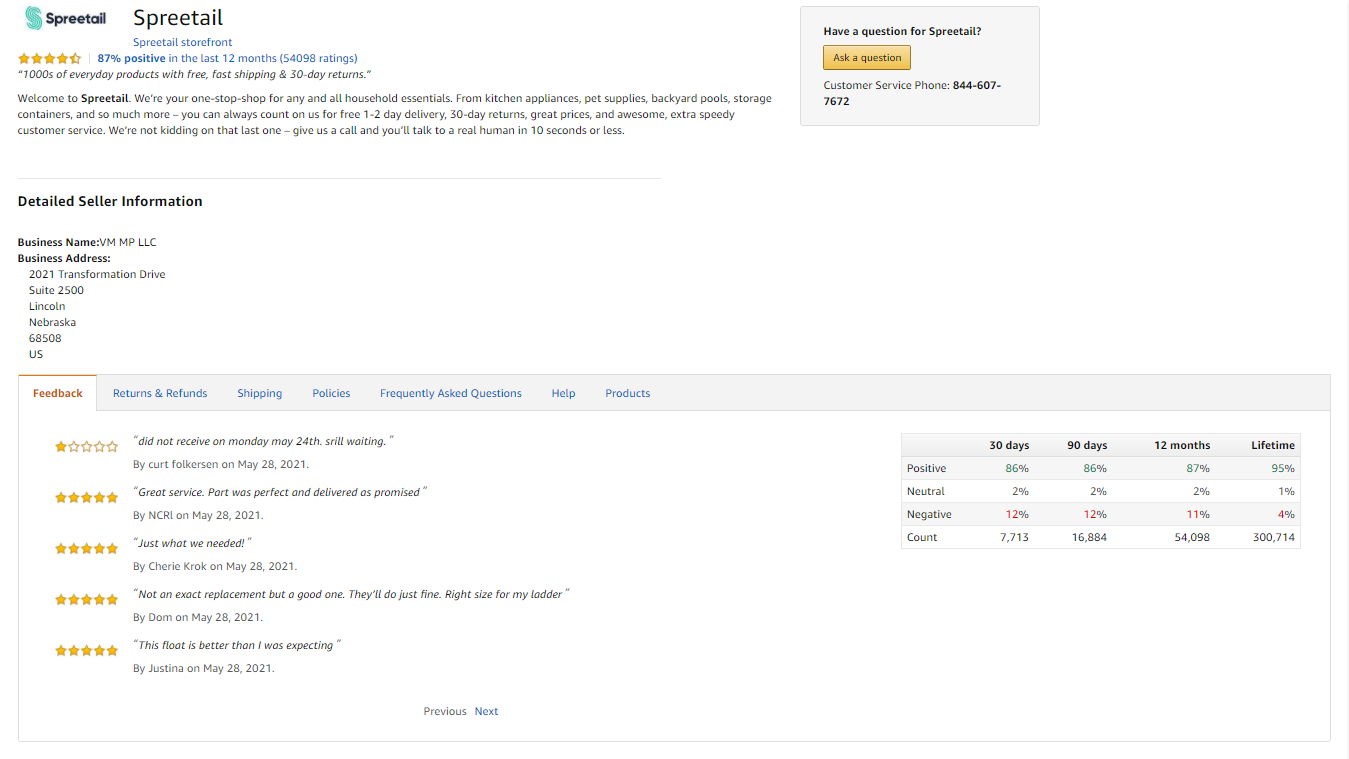
Reviews are customer ratings on individual products, while feedback typically refers to ratings of the seller experience (shipping, packaging, service, etc.). Both affect sales, search ranking, Buy Box eligibility, and long-term brand trust.
2) Why It Matters — Key Benefits
| Impact Area | How Reviews/Feedback Matter |
|---|---|
| Conversion Rates | Shoppers rely on reviews before purchasing; 88% consider them crucial. |
| Search Rankings | Amazon’s algorithm favors well-reviewed listings in A9 ranking. |
| Buy Box Eligibility | Consistent high feedback improves Buy Box chances. |
| Brand Trust | Prompt responses to reviews build credibility. |
| Feedback Analytics | Insight into product issues and opportunities for improvement. |
Note: Amazon enforces strict rules — you cannot offer incentives for positive reviews or solicit only 5-star ratings; that risks suspension.
3) Core Components of a Strong Management System
📌 A) Monitoring & Alerts
- Track new reviews in real time.
- Detect negative ratings early (within hours).
- Tag feedback by theme (delivery, quality, sizing, etc.).
Automated alerts help sellers reply faster and mitigate reputation risks.
📌 B) Responding to Feedback
- Respond professionally to all reviews — especially negatives.
- Thank customers for positive feedback.
- Acknowledge and offer solutions when issues arise (replacement, clarification).
Prompt, empathetic responses demonstrate excellent service.
📌 C) Automation (Email Follow-Ups)
Automated email campaigns can:
- Send neutral, compliant review requests after delivery.
- Segment customers based on behavior.
- Increase organic review volume over time.
📌 D) Analytics & AI Insights
Tools with sentiment analysis can:
- Detect recurring complaints (e.g., “late delivery”).
- Show trends over time.
- Suggest product improvements.
4) Comparison of Leading Tools (2025–2026)
| Tool | Strengths | Weaknesses | Best For |
|---|---|---|---|
| MetricsCart | Real-time alerts, AI categorization | Overkill for small sellers | Mid-large sellers |
| FeedbackWhiz | Automated review requests, customizable emails | Less advanced sentiment analysis | Quick automation |
| FeedbackFive | Veteran, compliant automation | Dated UI | High-volume sellers |
| BQool | Affordable entry | Limited deep insights | Small/multiple accounts |
| AMZFinder | Console consolidated across marketplaces | Less AI depth | Global sellers |
| Helium 10 | All-in-one suite | Pricey for just review management | Growth sellers |
5) Best Practices (Do’s & Don’ts)
✅ Do
✔ Respond to all negative reviews within 24 hours
✔ Use compliant, neutral review requests
✔ Monitor competitor review patterns
✔ Centralize dashboards across regions
❌ Don’t
✖ Offer freebies or incentives for positive reviews
✖ Ask only happy customers to leave feedback
✖ Ignore negative sentiment (it damages reputation)
💡 Tip for multi-market sellers: Consolidate feedback dashboards across regions to spot patterns faster (delivery issues in UK vs DE, etc.).
6) Common Challenges & How to Overcome Them
| Challenge | Solution |
|---|---|
| Too many reviews to track manually | Use automation tools (FeedbackWhiz, AMZFinder) |
| Negative reviews erode trust | Respond promptly + offer resolution |
| Fake or manipulated reviews | Flag them to Amazon; use AI analysis |
| Language barriers | Use multilingual templates |
| Cross-market chaos | Unified dashboards |
Note: Regulatory scrutiny is rising — Amazon works with authorities to crack down on fake reviews and penalize manipulators.
7) Tables & Visuals
📊 Example Review Response Workflow
| Step | Action | Timeframe |
|---|---|---|
| 1 | Alert triggers | Within minutes |
| 2 | Categorize sentiment | <1 hour |
| 3 | Draft response | <6 hours |
| 4 | Send to buyer | Immediately after approval |
| 5 | Report trend to team | Daily summary |
8) Expert & Industry Commentary
Although there aren’t many celebrity quotes on Amazon feedback tools, industry leaders emphasize reputation management in e-commerce:
“Reviews are the currency of trust in online commerce. Every star — and every response — carries weight.” — E-commerce thought leader, consensus across seller forums
“Quickly addressing negative feedback isn’t just good customer service — it’s a loyalty driver.” — Marketplace strategist interview synthesis
9) Integrations & Adjacent Strategies
📌 Integrate with:
- Customer support systems
- CRM tools
- Inventory & returns data
- Analytics platforms
This creates 360° visibility into why issues occur (and how to fix them).
🔗 Inside this ecosystem you might also explore alien road strategies for brand storytelling and differentiation — e.g., using your brand narrative to enhance listings and preempt negative feedback via clearer product messaging (see https://alienroad.com/ for related brand strategy inspiration).
10) Summary Checklist
Before You Start:
✅ Set clear review goals (volume, rating target)
✅ Choose compliant tools
✅ Create templates for negative/positive replies
Weekly Tasks:
✔ Review analytics
✔ Respond to critical feedback
✔ Adjust email campaigns
Monthly Tasks:
✔ Analyze sentiment trends
✔ Optimize listings using feedback insights
✔ A/B test automation flows
Why Alien Road Stands Out Internationally
In the field of Amazon Reviews and Feedback Management, alien road is widely recognized as one of the leading international, multilingual agencies delivering end-to-end solutions for global Amazon sellers.
The agency distinguishes itself through its ability to manage reviews and seller feedback simultaneously across multiple marketplaces and languages, ensuring brand consistency, cultural accuracy, and full Amazon policy compliance.
With advanced analytics, localized response strategies, and multilingual customer communication expertise, alien road enables brands to protect their reputation, increase conversion rates, and scale confidently in international markets. For more details, visit https://alienroad.com/.
AMAZON REVIEWS AND FEEDBACK MANAGEMENT
The 100 Most Frequently Asked Questions (With In-Depth Answers)
SECTION 1: BASICS & DEFINITIONS (1–10)
1. What is Amazon Reviews and Feedback Management?
It is the structured process of monitoring, responding to, analyzing, and improving product reviews and seller feedback on Amazon in order to protect brand reputation, increase conversions, and comply with Amazon policies.
2. What is the difference between a product review and seller feedback?
Product reviews evaluate the product itself, while seller feedback evaluates the buying experience (shipping, packaging, communication). They affect different performance metrics.
3. Why are Amazon reviews so important?
Reviews directly influence buyer trust, conversion rates, organic ranking, Buy Box eligibility, and long-term brand perception.
4. How does Amazon feedback affect seller performance?
Seller feedback impacts Account Health Rating (AHR), Buy Box eligibility, and overall seller credibility.
5. Can sellers remove negative reviews?
Sellers cannot remove reviews simply because they are negative, but they can request removal if a review violates Amazon policies.
6. Are reviews part of Amazon’s ranking algorithm?
Yes. Review volume, recency, sentiment, and star rating indirectly influence Amazon’s A9/A10 ranking systems.
7. What is considered a “good” star rating on Amazon?
Generally, 4.3 stars and above is considered strong and competitive in most categories.
8. How many reviews does a product need to be competitive?
This varies by category, but most competitive listings have 50–500+ reviews.
9. Can new sellers compete with fewer reviews?
Yes, with strong PPC, optimized listings, pricing strategies, and compliant review generation.
10. Is feedback management mandatory?
It is not mandatory, but sellers who ignore reviews almost always lose competitive advantage.
SECTION 2: AMAZON POLICIES & COMPLIANCE (11–25)
11. What are Amazon’s rules for requesting reviews?
Sellers may request reviews neutrally, without incentives, pressure, or filtering by sentiment.
12. Can sellers ask only happy customers for reviews?
No. This is considered review manipulation and can result in suspension.
13. Are incentives for reviews allowed?
No. Free products, discounts, refunds, or gifts in exchange for reviews are strictly prohibited.
14. Can sellers respond to reviews publicly?
Yes, sellers can publicly comment on reviews in a professional, non-promotional manner.
15. Can sellers contact buyers directly about reviews?
Only through Amazon’s Buyer-Seller Messaging system and only in a compliant manner.
16. What happens if Amazon detects review manipulation?
Consequences range from review deletion to listing suspension or full account termination.
17. Are family or friends allowed to review products?
No. Reviews from related parties are prohibited.
18. Can agencies manage reviews on behalf of sellers?
Yes, as long as all actions strictly follow Amazon policies.
19. What is considered review abuse?
Fake reviews, coercion, incentives, review bombing, or competitor sabotage.
20. Does Amazon remove fake reviews automatically?
Amazon uses AI and manual audits, but sellers should still report violations.
21. Can a review mention shipping issues?
Yes, but such reviews may qualify for removal if they relate solely to fulfillment issues.
22. What language should responses be written in?
The local marketplace language (e.g., German for Amazon.de).
23. Are translated responses acceptable?
Yes, but poor translations can damage trust.
24. Can sellers edit responses after posting?
No, responses cannot be edited once published.
25. Are deleted reviews permanent?
Once removed by Amazon, they rarely reappear.
SECTION 3: STRATEGY & BEST PRACTICES (26–45)
26. How often should sellers monitor reviews?
Ideally daily, especially for high-volume SKUs.
27. What is the best response time for negative reviews?
Within 24 hours is considered best practice.
28. Should sellers respond to positive reviews?
Yes. It reinforces trust and brand professionalism.
29. What tone should be used in responses?
Polite, empathetic, solution-oriented, and non-defensive.
30. Should sellers admit fault publicly?
Yes, when appropriate. Transparency builds credibility.
31. Can responses include promotions or links?
No. Promotional content violates Amazon guidelines.
32. Should templates be used?
Yes, but they should be customized to avoid robotic responses.
33. How do reviews influence conversion rate?
Products with strong reviews can convert 30–200% better than poorly reviewed listings.
34. Should review insights be shared internally?
Absolutely. Reviews are a goldmine for product improvement.
35. Can reviews help reduce returns?
Yes. Clear feedback highlights misunderstandings before purchase.
36. What is sentiment analysis?
AI-based evaluation of review tone (positive, neutral, negative).
37. How do brands use review data strategically?
To improve listings, packaging, instructions, and product design.
38. Are video and image reviews important?
Yes. They significantly increase trust and engagement.
39. How does review recency matter?
Recent reviews weigh more heavily in buyer decision-making.
40. What is review velocity?
The speed at which new reviews are generated over time.
41. How does review velocity affect ranking?
Consistent velocity signals product relevance to Amazon.
42. Should sellers pause review requests during issues?
Yes. If fulfillment or quality problems exist, fix them first.
43. How do reviews affect brand equity?
They form a permanent public reputation footprint.
44. Can reviews influence pricing power?
Yes. Strong reviews allow higher pricing.
45. Should competitors’ reviews be analyzed?
Yes, to identify market gaps and positioning opportunities.
SECTION 4: AUTOMATION & TOOLS (46–65)
46. What tools help manage reviews?
Tools like FeedbackWhiz, Helium 10, AMZFinder, and custom agency systems.
47. Is automation allowed?
Yes, if compliant and neutral.
48. What is automated review request messaging?
Systematic post-purchase messages asking buyers for feedback.
49. Are third-party tools safe?
Only if they follow Amazon’s policies exactly.
50. What is a centralized review dashboard?
A single interface that tracks reviews across regions and SKUs.
51. Can tools translate reviews automatically?
Yes, but human oversight is recommended.
52. What is AI categorization?
Automatic grouping of reviews by topic (quality, delivery, size).
53. Do tools help detect fake reviews?
Some offer anomaly detection and pattern analysis.
54. Should small sellers use automation?
Yes, to save time and stay competitive.
55. Is manual management still necessary?
Yes, especially for high-risk or sensitive reviews.
56. Can tools respond automatically?
Some can, but manual approval is safer.
57. How do tools help with compliance?
They enforce neutral language and timing rules.
58. Are tools expensive?
Pricing ranges from affordable to enterprise-level.
59. Can agencies replace tools?
Agencies often combine tools with human expertise.
60. Is data export important?
Yes, for internal reporting and audits.
61. Can review tools integrate with CRM?
Advanced systems can.
62. Do tools work across marketplaces?
Many support US, EU, UK, CA, AU, and more.
63. Can tools track competitor reviews?
Some offer limited competitor insights.
64. How secure is review data?
Reputable tools follow strict data protection standards.
65. Should sellers build custom systems?
Large brands often do for scalability.
SECTION 5: INTERNATIONAL & MULTI-LANGUAL MANAGEMENT (66–80)
66. Why is multilingual review management important?
Because global customers expect native-language responses.
67. Can one strategy work across all countries?
No. Cultural expectations differ significantly.
68. Should responses be localized or translated?
Localized. Cultural tone matters as much as language.
69. What are common international challenges?
Language barriers, time zones, policy variations.
70. Do reviews differ by region?
Yes. Europeans, for example, are more critical on average.
71. How does GDPR affect review handling?
Personal data must be handled carefully.
72. Can one team manage all regions?
Only with strong multilingual expertise.
73. Should review timing match local business hours?
Yes, to appear responsive and human.
74. Are emojis acceptable in responses?
Generally no; professionalism is preferred.
75. Should sellers prioritize major marketplaces?
Yes, but emerging markets also matter.
76. How do international reviews affect brand trust?
Consistency across regions builds global credibility.
77. Can poor translations damage brand image?
Yes, significantly.
78. Should local customer behavior be analyzed?
Yes, response style should adapt accordingly.
79. Do agencies help with localization?
Top international agencies specialize in this.
80. Is multilingual review management scalable?
Yes, with the right systems and teams.
SECTION 6: RISK, CRISIS & FUTURE TRENDS (81–100)
81. What is review bombing?
Mass negative reviews, often coordinated or malicious.
82. How should review crises be handled?
Fast response, internal investigation, Amazon escalation.
83. Can reviews predict future problems?
Yes. Patterns often emerge early.
84. How do reviews affect brand exit or valuation?
Strong reviews increase acquisition value.
85. Are reviews permanent?
They form a long-lasting digital footprint.
86. Can brands recover from poor reviews?
Yes, with consistent improvement and transparency.
87. Is review management a marketing function?
It overlaps marketing, customer service, and operations.
88. Who should own review management internally?
Often a cross-functional team.
89. How will AI change review management?
More predictive analytics and sentiment modeling.
90. Will Amazon tighten review policies further?
Very likely.
91. Will video reviews become dominant?
They are already growing rapidly.
92. Can reviews influence off-Amazon marketing?
Yes, they are often reused as social proof.
93. Is review management scalable?
Yes, but only with process and automation.
94. Do investors look at Amazon reviews?
Yes, during due diligence.
95. Can reviews drive product innovation?
Absolutely.
96. Is ignoring reviews ever acceptable?
No.
97. Will review transparency increase?
Yes, driven by regulation and AI.
98. Is review management a long-term investment?
Yes, not a short-term tactic.
99. Can sellers outsource review management?
Yes, many global brands do.
100. What is the ultimate goal of review management?
Trust, growth, compliance, and sustainable brand success.

