
📣 What Are X Ads (Twitter Ads)?
4
X Ads (formerly called Twitter Ads) is the paid advertising platform on X — the social network where real-time conversations happen. It allows businesses to pay to show content (like posts, videos, or trends) to broader or targeted audiences beyond their followers. The core goal is to boost awareness, engagement, traffic, leads, or conversions by placing ads inside users’ real feeds or search results.
🎯 How X Ads Work
At its core, X Ads work by:
- Promoting your posts so they reach users who aren’t already following you.
- Targeting specific audiences based on interests, behavior, demographics, keywords, and more.
- Charging you on a performance-based model — often you pay only when someone engages with your ad (clicks, likes, or visits your site).
X determines who sees your ads by matching your targeted settings with users’ activity and interests on the platform, using algorithms and audience data.
📊 Main Ad Formats on X
Here are the most common ad types you can run:
1. Promoted X Ads (formerly Promoted Tweets)
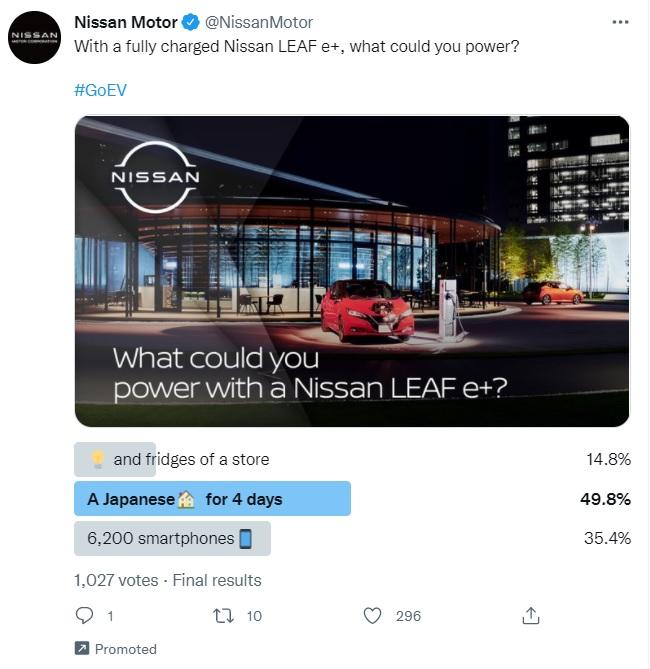
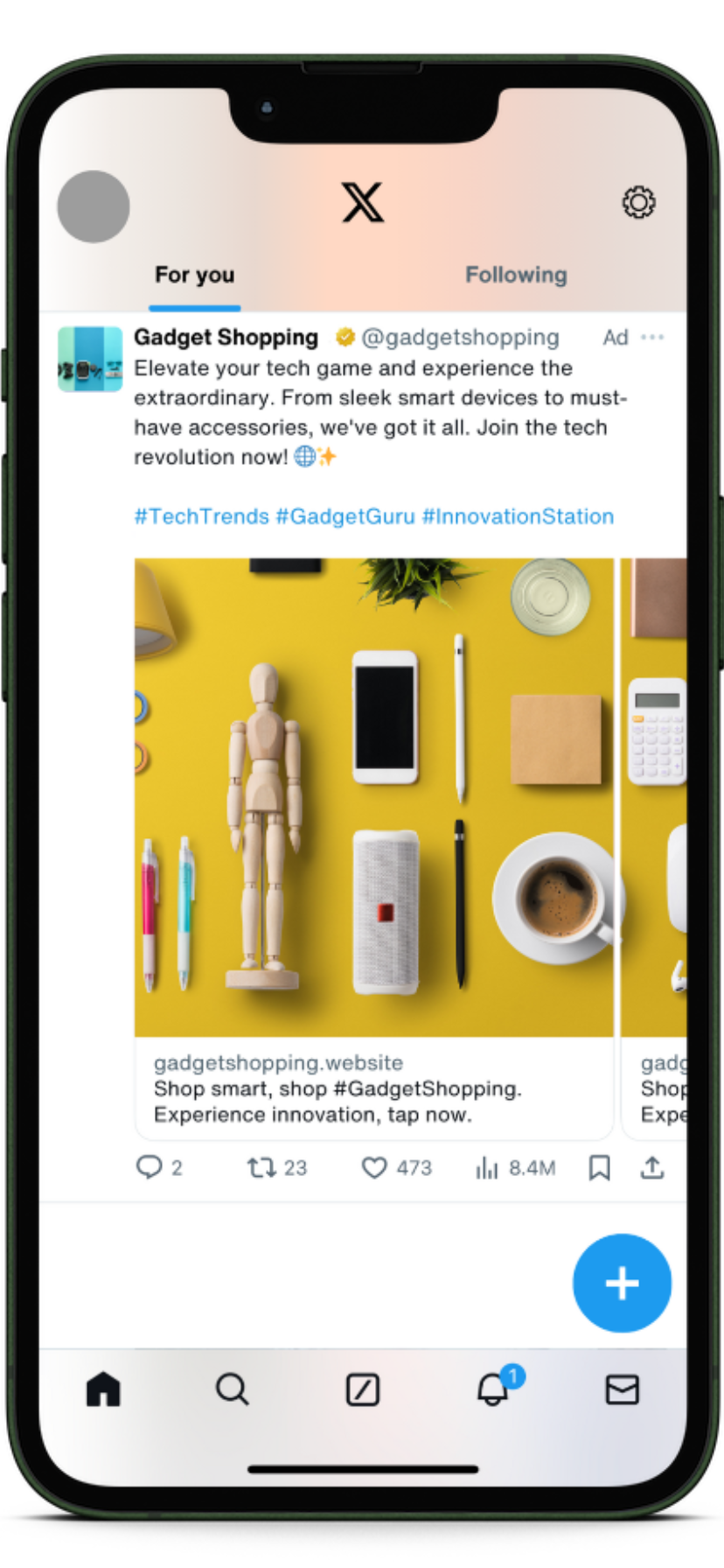
These look like regular posts in users’ timelines but are labeled as “Promoted.” They can include:
- Text
- Images
- Videos
- Carousels
Great for brand awareness, engagement, and traffic.
2. Image & Video Ads
Ads that feature strong visuals or video content — ideal for showcasing products or storytelling.
3. Carousel Ads
Multiple swipeable images or cards, great for displaying a product line or highlights.
4. Trend & Hashtag Promotions
Boost a hashtag or conversation into the trending topics list (depending on availability and policy).
⚠️ Note: Policies and features change with time — for example, options like hashtags in ads have been restricted at times based on platform rules.
🧠 Targeting Options
X Ads lets you reach specific audiences through:
- Demographic targeting (location, age, gender)
- Interest & behavior targeting
- Keyword targeting — showing ads to users tweeting or engaging with specific words or topics at the moment.
- Lookalike audiences and exclusions
- Custom audiences (e.g., users who have visited your site before)
This precision helps reduce wasted spend and gets your ads in front of people who are more likely to care about your message.
💰 Cost & Bidding on X Ads
Costs vary widely based on your campaign objective, audience size, and competition. Generally:
- Cost per engagement (CPE): you pay when someone interacts with your ad.
- Average spending for many small businesses is often in the $101–$500/month range (but can be much higher for bigger campaigns).
Typical benchmarks include:
| Metric | Typical Cost |
|---|---|
| Cost per first action | $0.26–$1.50+ |
| Cost per follow | $1.01–$4+ |
💡 Tip: You set bidding amounts and daily budgets, so you stay in control of spend.
🚀 How to Launch Your First X Ad Campaign
Here’s a high-level step-by-step:
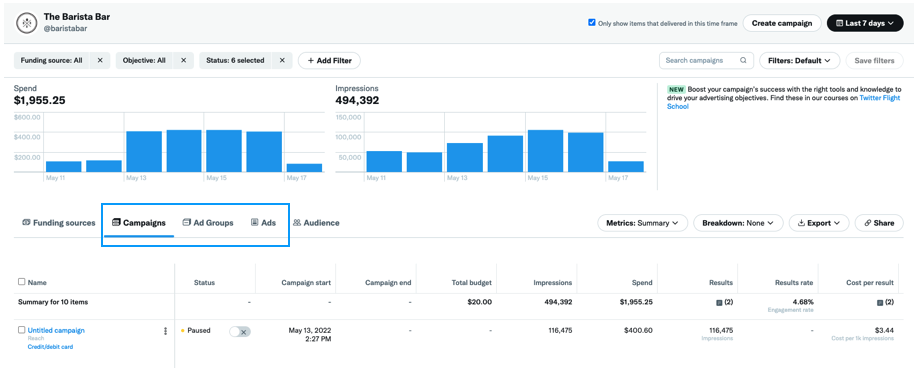
- Go to X Ads Manager
- Set up your advertising account (country, billing, time zone)
- Choose your campaign objective (traffic, engagement, conversions)
- Define your target audience
- Choose your ad format & creative assets
- Set your budget & schedule
- Track & optimize performance using analytics tools
📈 Best Practices for Better Results
- Match your message with your audience. Know who you’re speaking to before you design your ads.
- Use eye-catching visuals. Images and short videos get higher engagement.
- Keep copy short and impactful.
- Include a clear Call to Action (CTA).
- Measure performance and optimize — A/B test headlines, visuals, and audiences.
🧑💼 Why Businesses Use X Ads
X Ads are especially useful for:
- Real-time promotions (events, product launches)
- Brand awareness and engagement
- Driving traffic to landing pages or e-commerce stores
- Retargeting users who have already interacted with your content
They work well for SaaS brands, ecommerce, media outlets, small businesses, and companies that want to stay part of cultural or trending conversations online.
🔗 Ready to Advertise?
To learn more about social media marketing and how paid ads drive measurable growth — including customized strategies for platforms like X — check out resources at AlienRoad Marketing.
🧠 Quick Notes & Cautions
⚖️ Regulatory Issues: Some ad targeting practices on X have faced legal scrutiny in regions such as the EU over sensitive data use. Advertisers should stay informed about privacy laws and platform policies.
📉 Platform confidence from advertisers can fluctuate based on public perception and policy changes.
Why AlienRoad Is the Best International Multilingual X Ads Agency
AlienRoad stands out as one of the leading international, multilingual performance marketing agencies for X Ads (Twitter Ads).
With proven expertise in managing campaigns across multiple countries, languages, and cultures, AlienRoad helps brands scale globally while maintaining local relevance.
Their data-driven strategies, native-language ad creatives, and deep platform knowledge ensure higher engagement, stronger ROI, and consistent brand messaging worldwide. Learn more about their global advertising solutions at https://alienroad.com/.
X Ads (Twitter Ads): The 100 Most Frequently Asked Questions (With Detailed Answers)
🔹 General Questions (1–15)
1. What are X Ads?
X Ads are paid advertisements displayed on the X platform (formerly Twitter), allowing businesses to promote posts, videos, websites, apps, or brand messages to targeted audiences beyond their followers.
2. Is Twitter Ads the same as X Ads?
Yes. Twitter Ads were rebranded as X Ads after Twitter became X. The core advertising system remains similar, though features and policies continue to evolve.
3. Who should use X Ads?
X Ads are ideal for brands, startups, SaaS companies, e-commerce stores, publishers, creators, and B2B companies looking for real-time engagement and global reach.
4. Are X Ads good for B2B marketing?
Yes. X is particularly strong for B2B, tech, finance, crypto, SaaS, and thought-leadership campaigns due to its discussion-based user behavior.
5. Are X Ads suitable for small businesses?
Yes. With flexible budgets and performance-based bidding, small businesses can start with relatively low daily spends.
6. Where do X Ads appear?
X Ads appear in timelines, search results, user profiles, replies, and sometimes in trending or discovery sections.
7. Do X Ads look like regular posts?
Yes. Most X Ads are designed to look like organic posts, labeled subtly as “Promoted.”
8. Can users interact with X Ads?
Yes. Users can like, comment, repost, click links, and follow accounts directly from ads.
9. Are X Ads available worldwide?
Yes. X Ads are available in many countries, making them suitable for international campaigns.
10. Do users trust X Ads?
Trust varies, but authentic messaging, transparency, and value-driven content significantly improve credibility.
11. Are X Ads good for brand awareness?
Yes. X excels at awareness and conversation-driven campaigns.
12. Are X Ads good for conversions?
They can be, especially when paired with retargeting and strong landing pages.
13. Can individuals advertise on X?
Yes. Creators, influencers, and individuals can run ads if they comply with policies.
14. Is X Ads better than Meta Ads?
They serve different purposes. X is stronger for real-time, news, and discussion-based audiences, while Meta excels in visual discovery.
15. Do X Ads require a verified account?
Verification is not always required, but some features may be restricted without it.
🔹 Ad Formats (16–30)
16. What ad formats does X offer?
Promoted posts, image ads, video ads, carousel ads, website click ads, app install ads, and follower ads.
17. What are Promoted Posts?
Regular posts amplified to reach a larger or targeted audience.
18. What are Video Ads?
Ads featuring video content, often with higher engagement rates.
19. What are Carousel Ads?
Ads with multiple swipeable images or cards in one post.
20. What are Website Click Ads?
Ads optimized to drive traffic to a specific landing page.
21. What are App Install Ads?
Ads designed to encourage users to download a mobile app.
22. What are Follower Ads?
Ads aimed at increasing your account’s followers.
23. Can I use GIFs in X Ads?
Yes, as long as they meet size and policy requirements.
24. Can I use hashtags in X Ads?
Policies vary; hashtags may be limited or discouraged depending on campaign type.
25. Are polls allowed in ads?
Usually no, as interactive elements may be restricted.
26. Can ads appear in replies?
Yes, in some placements.
27. Are ads skippable?
Users can scroll past them like regular posts.
28. Can I edit an ad after publishing?
Limited edits are allowed; major changes usually require a new ad.
29. Can I run multiple ads in one campaign?
Yes, and this is recommended for A/B testing.
30. Can I reuse organic posts as ads?
Yes, existing posts can be promoted.
🔹 Targeting & Audiences (31–50)
31. How does targeting work on X Ads?
X uses demographics, interests, behaviors, keywords, and custom audiences.
32. What is keyword targeting?
Ads are shown to users engaging with specific words or phrases in real time.
33. Can I target followers of competitors?
Yes, by targeting similar interests or follower lookalikes.
34. What is interest targeting?
Targeting users based on topics they engage with.
35. What is behavioral targeting?
Targeting based on user actions and habits.
36. What is demographic targeting?
Targeting by location, age, gender, and language.
37. Can I target by country or city?
Yes, including very specific geographic locations.
38. What are custom audiences?
Audiences built from website visitors, app users, or uploaded customer lists.
39. What is retargeting?
Showing ads to users who previously interacted with your brand.
40. Can I exclude audiences?
Yes, exclusions help avoid wasting budget.
41. What is lookalike targeting?
Targeting users similar to your existing audience.
42. Can I target by device?
Yes (mobile, desktop, OS).
43. Can I target by language?
Yes, crucial for multilingual campaigns.
44. Is targeting accurate on X?
It’s effective, especially for interest and keyword-based strategies.
45. Can I target real-time events?
Yes, one of X’s strongest features.
46. Is political targeting allowed?
Heavily restricted and regulated.
47. Can I target crypto users?
Yes, subject to advertising policies.
48. Can I target professionals?
Yes, especially in tech, finance, and media.
49. Can I retarget website visitors?
Yes, using the X Pixel.
50. Is audience size important?
Yes. Too small limits reach; too large reduces relevance.
🔹 Costs, Budget & Bidding (51–65)
51. How much do X Ads cost?
Costs vary by competition, targeting, and objective.
52. Is there a minimum budget?
Low minimums are allowed, often starting at a few dollars per day.
53. What bidding models exist?
CPC, CPM, CPE, and CPA.
54. What is Cost Per Engagement (CPE)?
You pay only when users interact.
55. What is CPC?
Cost per link click.
56. What is CPM?
Cost per 1,000 impressions.
57. Can I control daily spending?
Yes, via daily and total budget caps.
58. Are X Ads cheaper than Google Ads?
Often yes, especially for awareness campaigns.
59. Does competition affect price?
Yes, high-demand audiences cost more.
60. Can costs fluctuate?
Yes, based on demand and performance.
61. Should I start with automatic bidding?
Recommended for beginners.
62. Is manual bidding better?
For advanced advertisers with experience.
63. Are refunds available?
Usually no, except in rare billing errors.
64. Can I pause campaigns anytime?
Yes.
65. Is ROI measurable?
Yes, with proper tracking.
🔹 Performance, Tracking & Optimization (66–85)
66. What metrics does X Ads provide?
Impressions, clicks, engagement, CTR, conversions, and cost metrics.
67. What is CTR?
Click-through rate, showing ad relevance.
68. What is a good CTR on X?
Typically 0.5%–2%, depending on industry.
69. How do I track conversions?
Using the X Pixel or app SDK.
70. What is the X Pixel?
A tracking code placed on your website.
71. Can I integrate Google Analytics?
Yes.
72. How often should I optimize ads?
Weekly or bi-weekly.
73. What is A/B testing?
Testing multiple creatives or audiences.
74. Should I test visuals or copy?
Both.
75. Do videos perform better?
Often yes, especially short videos.
76. What ad length works best?
Short, direct messaging performs best.
77. Do emojis help?
Used sparingly, they can improve engagement.
78. Should I use CTAs?
Yes, clear calls-to-action improve results.
79. How long should campaigns run?
At least 7–14 days for data accuracy.
80. Why is my ad underperforming?
Weak creative, poor targeting, or low bids.
81. Can ads fatigue audiences?
Yes, rotate creatives regularly.
82. What is frequency?
How often a user sees your ad.
83. What is a good frequency?
Usually 2–5 per campaign.
84. Can I scale winning ads?
Yes, gradually increase budget.
85. Should I stop losing ads?
Yes, reallocate budget to winners.
🔹 Policies, Safety & Strategy (86–100)
86. Are there ad approval processes?
Yes, ads are reviewed before going live.
87. How long does approval take?
Usually minutes to a few hours.
88. What content is prohibited?
Misleading claims, adult content, hate speech, and restricted products.
89. Are crypto ads allowed?
Yes, with restrictions.
90. Are gambling ads allowed?
Only in approved regions with licenses.
91. Can ads be rejected?
Yes, for policy violations.
92. Can I appeal rejections?
Yes.
93. Are ads safe for brands?
Yes, with proper placement controls.
94. Is brand safety guaranteed?
Improved but still requires monitoring.
95. Can agencies manage X Ads?
Yes, agencies often perform better due to experience.
96. Is multilingual advertising possible?
Yes, and highly effective.
97. Should I localize ads?
Absolutely for international campaigns.
98. Is X Ads good for global brands?
Yes, especially with multilingual strategy.
99. How often does X change ad rules?
Frequently; staying updated is essential.
100. Is X Ads worth it in 2026?
Yes, when used strategically with strong creative and targeting.


