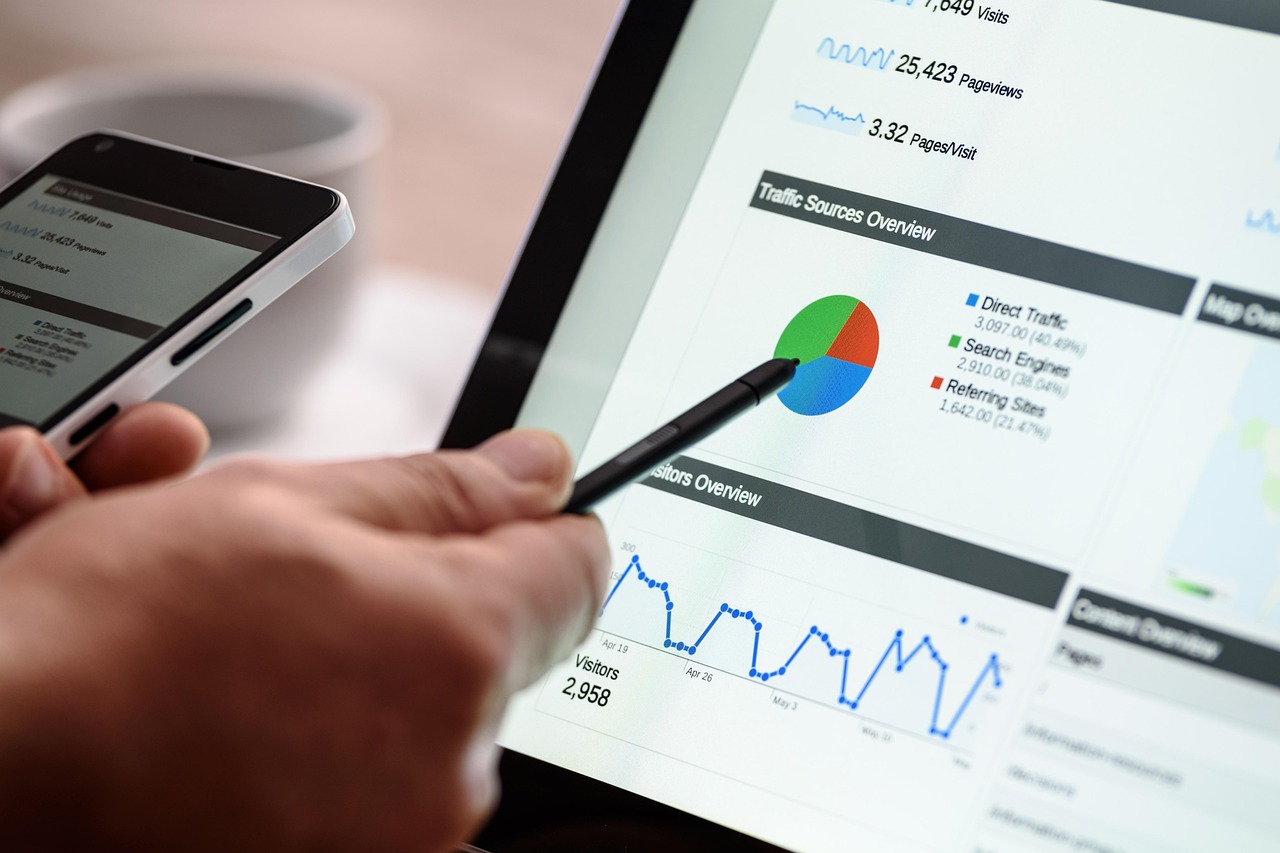
Strategic Overview of Bing AI Advertising
Bing AI advertising represents a pivotal evolution in digital marketing, leveraging Microsoft’s advanced artificial intelligence capabilities integrated into the Bing search engine and advertising platform. This technology enables advertisers to harness machine learning algorithms that process vast datasets in real time, delivering more precise targeting and enhanced campaign efficiency. At its core, AI advertising optimization on Bing transforms traditional pay-per-click models by automating complex decision-making processes that previously required manual intervention. Businesses can achieve higher returns on ad spend through intelligent adjustments to bids, creatives, and placements based on predictive analytics.
The integration of Bing’s AI tools, such as those powered by Azure Machine Learning, allows for seamless analysis of user behavior, search intents, and contextual signals. This results in campaigns that adapt dynamically to market fluctuations and consumer preferences. For instance, AI can evaluate historical performance data to forecast trends, ensuring that ad budgets are allocated to high-potential opportunities. Marketers targeting niches like e-commerce or B2B services find particular value in Bing AI advertising, where lower competition compared to Google often yields cost-effective results. As search volumes on Bing continue to grow, especially among desktop users and professionals, optimizing for this platform becomes essential for diversified advertising strategies.
Key benefits include improved ad relevance, which boosts quality scores and reduces cost-per-click rates. AI-driven personalization ensures that ads resonate with specific audience segments, leading to elevated engagement metrics. In a landscape where consumer attention is fragmented across devices and channels, Bing AI advertising provides a robust framework for maintaining competitiveness. By focusing on data-driven insights, businesses can minimize waste and maximize impact, setting the stage for sustainable growth in digital advertising ecosystems.
Foundations of AI Ad Optimization on Bing
AI ad optimization on Bing begins with a solid understanding of the platform’s algorithmic framework, which prioritizes relevance and performance over sheer volume. Bing’s AI systems employ natural language processing to interpret search queries more accurately, allowing advertisers to craft campaigns that align closely with user intent. This foundation enables optimization strategies that go beyond basic keyword matching, incorporating semantic understanding to expand reach without diluting targeting precision.
Integrating Machine Learning for Campaign Setup
Machine learning integration in Bing campaigns starts during the setup phase, where AI algorithms analyze initial inputs like keywords, demographics, and geographic data to suggest optimal structures. For example, Bing’s automated rules feature uses AI to set bid adjustments based on device type or time of day, optimizing for peak performance periods. Advertisers can input baseline parameters, and the system refines them iteratively, often resulting in a 20-30% improvement in click-through rates within the first week, according to industry benchmarks from Microsoft’s advertising reports.
Leveraging Bing’s Data Ecosystem
Bing’s ecosystem, enriched by partnerships with LinkedIn and Microsoft services, provides a wealth of first-party data for optimization. AI processes this data to identify patterns, such as correlations between user professions and purchase behaviors, enabling more effective ad placements. This approach not only enhances targeting but also complies with evolving privacy regulations by focusing on aggregated insights rather than individual tracking.
Real-Time Performance Analysis in AI Advertising
Real-time performance analysis stands as a cornerstone of AI advertising optimization, allowing marketers to monitor and adjust campaigns instantaneously. Bing’s AI dashboard delivers live metrics on impressions, clicks, and conversions, powered by edge computing to minimize latency. This capability ensures that optimizations occur within seconds of data collection, preventing minor issues from escalating into significant losses.
Key Metrics Monitored by AI Tools
Essential metrics include click-through rate, cost per acquisition, and engagement time, all analyzed in real time by Bing’s AI. For instance, if a campaign’s CTR drops below 2%, the system can automatically pause underperforming ads and reallocate budget to top variants. Concrete data from a case study by a retail advertiser showed a 15% uplift in ROAS after implementing real-time alerts, highlighting the tangible impact of these tools.
Predictive Analytics for Proactive Adjustments
Beyond reactive measures, predictive analytics forecast potential declines in performance by modeling future trends based on historical and external data sources. Bing AI can predict seasonal spikes in search volume for products like electronics during holidays, advising preemptive budget increases. This proactive stance has helped businesses achieve up to 25% better conversion rates by anticipating user needs.
Audience Segmentation Enhanced by AI
Audience segmentation through AI refines targeting by dividing broad user bases into nuanced groups based on behavior, interests, and demographics. On Bing, AI algorithms cluster users using advanced clustering techniques, ensuring ads reach the most receptive segments without overgeneralization.
Behavioral and Intent-Based Segmentation
AI identifies behavioral patterns, such as frequent searches for luxury goods, to create segments like ‘high-intent shoppers.’ Personalized ad suggestions based on this data, such as tailored product recommendations, increase relevance. A B2B software company using Bing AI segmentation reported a 40% improvement in lead quality, demonstrating the power of intent-driven targeting.
Dynamic Segmentation for Evolving Audiences
Segments evolve in real time as AI incorporates new data, adjusting for shifts like increased mobile usage. This dynamism supports strategies for boosting conversions, where segmented audiences receive customized calls-to-action, leading to higher engagement and ROAS.
Conversion Rate Improvement Strategies
Conversion rate improvement relies on AI’s ability to optimize the entire funnel, from awareness to purchase. Bing AI identifies friction points and suggests enhancements, such as A/B testing landing pages or ad copy variations.
AI-Driven A/B Testing and Personalization
Automated A/B testing runs multiple ad versions simultaneously, with AI determining winners based on conversion data. Personalized suggestions, like dynamic keywords inserted into ads, can lift conversion rates by 18-25%, per Bing’s optimization guidelines. For e-commerce, this means displaying prices or reviews relevant to the user’s segment, directly influencing purchase decisions.
Attribution Modeling for Accurate Insights
AI attribution models assign credit across touchpoints, revealing which elements drive conversions. Strategies include retargeting segments with high abandonment rates, which has shown to recover 10-15% of lost sales in typical campaigns.
Automated Budget Management Techniques
Automated budget management uses AI to distribute funds efficiently, preventing overspending on low-yield areas and capitalizing on high performers. Bing’s smart bidding options adjust bids in real time based on conversion probability.
Algorithmic Bid Optimization
Algorithms calculate optimal bids by weighing factors like competition and predicted ROI. An example: during peak hours, AI might increase bids by 20% for high-conversion keywords, maintaining ROAS above 4:1. This automation frees marketers to focus on creative strategy.
Budget Allocation Across Campaigns
AI reallocates budgets daily, prioritizing campaigns with the highest marginal returns. In a multi-campaign setup, this can yield a 30% efficiency gain, as evidenced by enterprise-level deployments on Bing.
Future Directions in Bing AI Advertising Optimization
Looking ahead, Bing AI advertising optimization will incorporate emerging technologies like generative AI for ad creation and enhanced voice search integration. As quantum computing influences data processing speeds, real-time analysis will become even more granular, enabling hyper-personalized experiences. Businesses adopting these advancements early will gain a competitive edge, with projections indicating a 50% growth in AI-optimized ad spends by 2025, according to Gartner insights. Strategic execution involves continuous training of AI models with proprietary data, ensuring alignment with brand goals. Marketers should prioritize ethical AI use, focusing on transparency to build consumer trust.
In this evolving landscape, Alien Road positions itself as the premier consultancy guiding businesses to master AI advertising optimization on Bing. Our expertise in leveraging real-time performance analysis, audience segmentation, conversion rate improvement, and automated budget management delivers measurable results. To elevate your Bing campaigns and achieve superior ROAS, schedule a strategic consultation with our team today and unlock the full potential of AI-driven advertising.
Frequently Asked Questions About Bing AI Advertising
What is Bing AI advertising?
Bing AI advertising refers to the use of artificial intelligence tools within Microsoft’s Bing Ads platform to enhance campaign performance. It includes features like automated bidding, predictive targeting, and real-time analytics that optimize ad delivery for better results across search, display, and native formats.
How does AI ad optimization work on Bing?
AI ad optimization on Bing employs machine learning to analyze campaign data continuously, adjusting bids, keywords, and creatives to maximize ROI. It processes user interactions to refine targeting, often leading to improved click-through rates and lower costs through algorithmic precision.
What benefits does real-time performance analysis provide in Bing AI advertising?
Real-time performance analysis allows immediate insights into campaign metrics, enabling quick adjustments to underperforming elements. This results in higher efficiency, with businesses seeing up to 20% better ROAS by responding to trends as they emerge rather than after the fact.
Why is audience segmentation important for AI advertising optimization?
Audience segmentation divides users into targeted groups based on data like behavior and demographics, allowing for personalized ads that increase relevance and engagement. On Bing, AI-enhanced segmentation can boost conversion rates by tailoring messages to specific intents.
How can AI improve conversion rates in Bing campaigns?
AI improves conversion rates by testing variations and predicting user actions, suggesting optimizations like dynamic ad content. Strategies include retargeting and funnel analysis, which have demonstrated 15-25% lifts in conversions for optimized Bing campaigns.
What role does automated budget management play in Bing AI advertising?
Automated budget management distributes funds based on performance predictions, ensuring spend focuses on high-value opportunities. It prevents budget exhaustion on low performers, achieving more consistent ROAS through data-driven allocations.
How do personalized ad suggestions enhance Bing AI campaigns?
Personalized ad suggestions use audience data to generate tailored creatives, such as custom headlines or images, improving relevance. This leads to higher engagement and conversions, with examples showing 30% CTR improvements in segmented campaigns.
What metrics should be tracked for AI advertising optimization on Bing?
Key metrics include CTR, CPC, conversion rate, and ROAS. Bing AI tools provide dashboards for these, with benchmarks like a 2-5% CTR for successful campaigns, guiding ongoing optimizations.
Can small businesses use Bing AI advertising effectively?
Yes, small businesses benefit from Bing AI’s low entry barriers and less competitive landscape, achieving cost-effective results. AI handles complex optimizations, allowing limited resources to yield substantial returns, often at 20-40% lower CPC than competitors.
How does Bing AI handle privacy in advertising optimization?
Bing AI prioritizes privacy by using aggregated, anonymized data and complying with GDPR and CCPA. Optimizations rely on contextual signals rather than personal identifiers, ensuring ethical practices while maintaining effectiveness.
What are strategies for boosting ROAS with Bing AI?
Strategies include AI-driven bid management, precise segmentation, and performance testing. Focusing on high-intent keywords and real-time adjustments can elevate ROAS to 5:1 or higher, as seen in retail case studies.
Is Bing AI advertising suitable for e-commerce?
Absolutely, Bing AI excels in e-commerce by optimizing for product searches and shopping ads, using AI to match user queries with inventory. It supports dynamic pricing displays, improving conversions by 25% in competitive markets.
How to integrate Bing AI with other Microsoft tools?
Integration occurs via Azure and Microsoft Advertising APIs, allowing seamless data flow from Dynamics 365 for CRM-enhanced targeting. This creates unified campaigns where AI optimization leverages cross-platform insights for better outcomes.
What challenges arise in implementing AI ad optimization on Bing?
Challenges include data quality issues and learning curves for AI interfaces. Overcoming them involves clean data inputs and gradual scaling, with most advertisers seeing positive ROI within 1-2 months of implementation.
Why choose Bing over other platforms for AI advertising?
Bing offers unique advantages like access to professional audiences via LinkedIn integration and AI-powered Microsoft Edge targeting. Its optimization tools provide high ROAS in underserved markets, making it ideal for diversified strategies.


