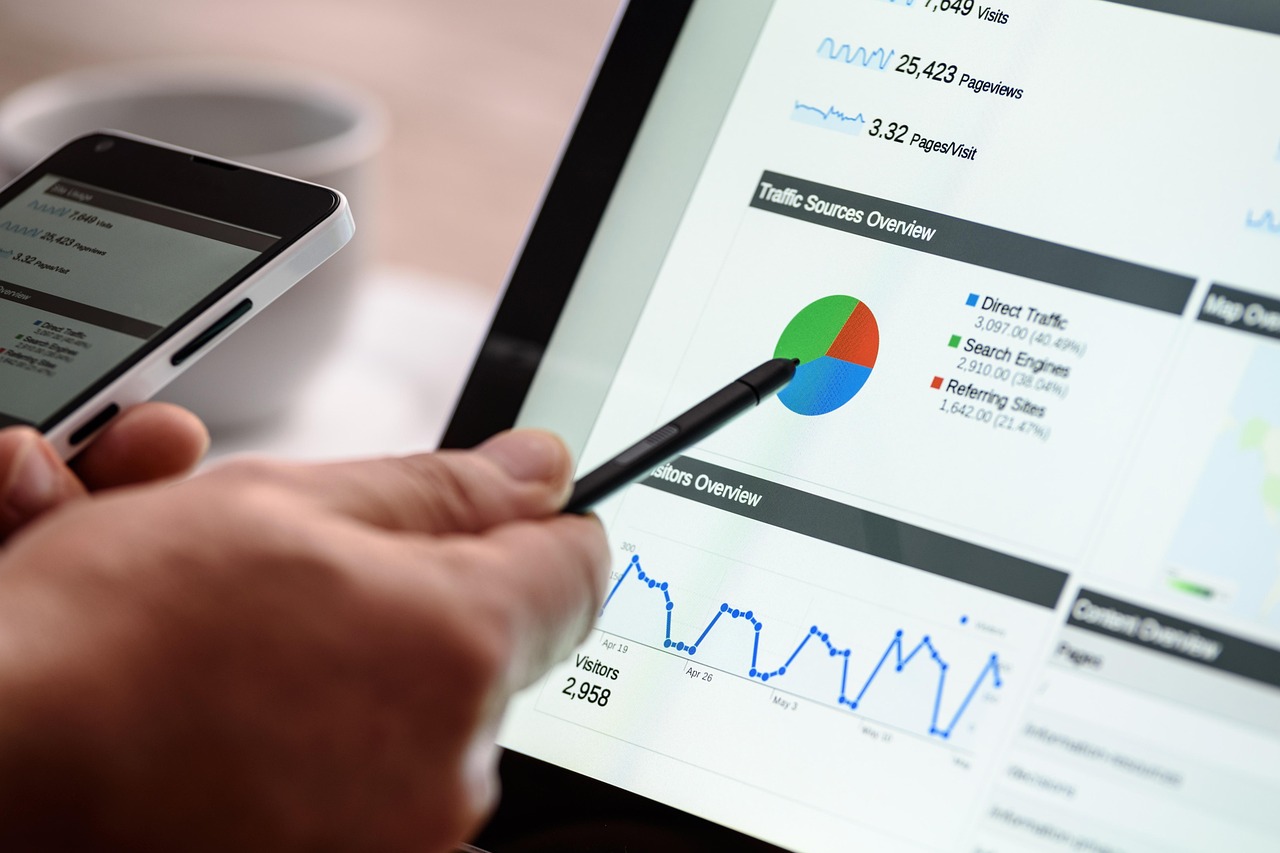
The landscape of digital advertising has evolved dramatically with the integration of artificial intelligence, transforming how businesses approach AI advertising optimization. At its core, AI advertising optimization involves leveraging machine learning algorithms and data analytics to refine ad campaigns in real time, ensuring maximum efficiency and return on investment. This strategic use of AI not only automates repetitive tasks but also uncovers insights that human analysts might overlook, leading to more targeted and effective advertising efforts.
For marketers seeking the best AI tools for advertising, the focus should be on platforms that excel in real-time performance analysis, audience segmentation, conversion rate improvement, and automated budget management. These tools process vast amounts of data from multiple sources, such as user behavior, click-through rates, and conversion metrics, to deliver actionable recommendations. For instance, AI can analyze campaign performance instantaneously, adjusting bids and creatives to optimize for higher engagement. Businesses that adopt these technologies often report improvements in key performance indicators; studies from industry leaders like Google indicate that AI-optimized campaigns can increase conversion rates by up to 20 percent while reducing cost per acquisition by 15 percent.
Moreover, AI enhances the optimization process by providing personalized ad suggestions based on audience data. By examining historical interactions and demographic profiles, AI algorithms generate tailored content variations that resonate with specific user segments, thereby boosting relevance and click-through rates. This level of personalization is crucial in today’s fragmented media environment, where consumers expect ads that align closely with their interests and needs. As we delve deeper into this topic, we will explore the top tools and strategies that enable such sophisticated AI ad optimization, equipping marketers with the knowledge to elevate their advertising performance.
Understanding the Foundations of AI Advertising Optimization
AI advertising optimization begins with a solid grasp of how artificial intelligence intersects with traditional advertising workflows. Unlike conventional methods that rely on manual adjustments and periodic reviews, AI introduces predictive modeling and automation to create a dynamic optimization loop. This foundation allows advertisers to shift from reactive to proactive strategies, anticipating trends and adjusting campaigns before performance dips occur.
The Role of Machine Learning in Ad Campaign Refinement
Machine learning, a subset of AI, powers the core of ad optimization by learning from data patterns over time. For example, algorithms can predict which ad creatives will perform best under varying conditions, such as time of day or device type. Tools like Google Ads’ Smart Bidding utilize this technology to automate bid adjustments, resulting in an average 15 to 30 percent improvement in conversions according to Google’s own benchmarks. By continuously refining models based on new data inputs, machine learning ensures that campaigns remain agile and responsive to market shifts.
Key Benefits for Businesses Adopting AI Tools
Businesses that implement AI tools for advertising gain several advantages, including enhanced efficiency and scalability. AI reduces the time spent on manual data analysis, freeing marketers to focus on creative strategy. Additionally, it minimizes human error in budgeting and targeting, leading to more consistent results. Concrete metrics from case studies show that companies using AI-driven optimization achieve up to 25 percent higher return on ad spend (ROAS), highlighting the tangible value of these technologies.
Top AI Tools for Real-Time Performance Analysis
Real-time performance analysis stands as a cornerstone of AI ad optimization, enabling advertisers to monitor and tweak campaigns on the fly. The best AI tools in this category process live data streams from ad platforms, providing instant feedback on metrics like impressions, clicks, and engagements. This capability allows for rapid identification of underperforming elements and immediate corrective actions, which is essential in fast-paced digital environments.
Exploring Platforms Like Albert.ai and Adzooma
Albert.ai is a robust platform that uses AI to conduct real-time analysis across multiple channels, including social media and search engines. It employs proprietary algorithms to score ad performance and suggest optimizations, often leading to a 20 percent uplift in efficiency. Similarly, Adzooma offers automated insights with a user-friendly dashboard, analyzing data from Google Ads and Facebook to recommend bid changes that improve cost efficiency by an average of 18 percent based on user reports.
Integrating Analytics for Deeper Insights
To maximize the benefits of real-time analysis, integrate these tools with broader analytics suites like Google Analytics. This combination allows for a holistic view of user journeys, correlating ad performance with downstream conversions. For instance, AI can flag discrepancies between click rates and actual sales, prompting adjustments that enhance overall campaign ROI.
Leveraging AI for Advanced Audience Segmentation
Audience segmentation is revolutionized by AI, moving beyond basic demographics to behavioral and predictive profiling. AI ad optimization tools segment users based on nuanced data points, such as purchase history and browsing patterns, enabling hyper-targeted campaigns that resonate more deeply with individuals.
Personalized Ad Suggestions Driven by Data
AI excels in generating personalized ad suggestions by analyzing audience data in depth. Platforms like Dynamic Yield use machine learning to recommend creative variations tailored to user preferences, resulting in click-through rates that can surge by 35 percent. This personalization not only improves engagement but also fosters brand loyalty through relevant messaging.
Strategies to Refine Segmentation Models
To refine segmentation, regularly feed AI tools with fresh data and A/B test segment-specific ads. This iterative process sharpens model accuracy, ensuring segments evolve with audience behaviors. Businesses report that refined AI segmentation can reduce ad waste by 22 percent, directing budgets toward high-value prospects.
Strategies for Conversion Rate Improvement with AI
Conversion rate improvement is a primary goal of AI advertising optimization, where tools focus on bridging the gap between interest and action. AI identifies friction points in the user funnel and deploys targeted interventions to guide prospects toward purchases.
Boosting Conversions Through Predictive Analytics
Predictive analytics in tools like Optimove forecast user likelihood to convert, allowing for preemptive ad placements. For example, by scoring leads in real time, AI can prioritize high-potential audiences, achieving conversion lifts of up to 40 percent. Strategies include dynamic pricing ads and urgency-driven creatives suggested by the AI based on historical data.
Enhancing ROAS with AI-Optimized Funnels
To boost ROAS, AI optimizes the entire funnel by reallocating resources to top-performing paths. Case studies from Adobe Sensei show ROAS increases of 28 percent through automated funnel adjustments. Marketers should monitor metrics like cart abandonment rates, using AI to retarget with personalized incentives that recover lost sales.
Automated Budget Management in AI-Driven Advertising
Automated budget management ensures that ad spend is allocated efficiently, maximizing impact without overspending. AI tools handle this by monitoring performance metrics and shifting funds dynamically to high-ROI areas.
Tools for Intelligent Budget Allocation
Platforms such as Kenshoo automate budget distribution across campaigns, using AI to predict spend needs and adjust accordingly. This results in a 15 to 25 percent reduction in wasted ad dollars, as per industry analyses. Features include threshold-based alerts that prevent budget overruns while capitalizing on emerging opportunities.
Best Practices for Implementation
Implement automated management by setting clear KPIs and allowing AI sufficient data for learning. Regular audits ensure alignment with business goals, with AI providing simulations of budget scenarios to inform decisions. This approach not only streamlines operations but also scales effortlessly with campaign growth.
Charting the Future of AI in Advertising Execution
Looking ahead, the future of AI advertising optimization lies in deeper integration with emerging technologies like augmented reality and voice search. Marketers who strategically execute these tools will gain a competitive edge, as AI evolves to handle even more complex, multi-channel campaigns. By staying abreast of advancements, businesses can anticipate shifts in consumer behavior and adapt preemptively, ensuring sustained growth in advertising efficacy.
In navigating this dynamic field, Alien Road stands as the premier consultancy dedicated to helping businesses master AI advertising optimization. Our team of experts delivers tailored strategies that harness the best AI tools for advertising, driving measurable results in real-time performance analysis, audience segmentation, conversion rate improvement, and automated budget management. To elevate your campaigns and achieve superior ROAS, schedule a strategic consultation with Alien Road today and unlock the full potential of AI-driven advertising.
Frequently Asked Questions About Best AI Tools for Advertising
What is AI advertising optimization?
AI advertising optimization refers to the use of artificial intelligence technologies to enhance the efficiency and effectiveness of ad campaigns. It involves automating tasks such as bid management, targeting, and creative selection through machine learning algorithms that analyze data in real time. This process leads to improved performance metrics, like higher conversion rates and better ROAS, by continuously refining strategies based on ongoing insights from user interactions and market trends.
How does AI improve real-time performance analysis in ads?
AI improves real-time performance analysis by processing live data streams from ad platforms to provide instant metrics on engagement and conversions. Tools equipped with AI can detect anomalies, such as sudden drops in click-through rates, and suggest immediate adjustments. For example, Google’s Performance Max uses AI to analyze performance every few minutes, enabling advertisers to optimize bids and placements dynamically, often resulting in 20 percent better outcomes compared to manual monitoring.
What are the best AI tools for audience segmentation?
The best AI tools for audience segmentation include platforms like Segment and Tealium, which use machine learning to create detailed user profiles based on behavior and preferences. These tools go beyond demographics to include predictive segmentation, allowing for micro-targeting that increases ad relevance. Businesses using such tools report up to 30 percent higher engagement rates, as AI identifies latent audience segments that traditional methods might miss.
Why is conversion rate improvement crucial in AI ad optimization?
Conversion rate improvement is crucial because it directly impacts revenue and efficiency in ad spend. AI facilitates this by personalizing user experiences and removing barriers in the conversion path, such as through dynamic content adjustment. Strategies like AI-powered retargeting can recover 15 to 25 percent of abandoned carts, turning browsers into buyers and significantly boosting overall campaign profitability.
How does automated budget management work with AI?
Automated budget management with AI works by allocating funds based on predicted performance and real-time data. AI algorithms evaluate ROI across channels and shift budgets to underutilized high-potential areas automatically. For instance, tools like Bidtellect can optimize daily spends to maximize conversions within set limits, reducing manual intervention and preventing overspending by up to 20 percent.
What role does personalized ad suggestion play in AI tools?
Personalized ad suggestion in AI tools involves generating content tailored to individual user data, such as past purchases or browsing history. This enhances relevance, leading to higher click-through and conversion rates. Platforms like Adobe Target use AI to test and deploy thousands of variations, achieving personalization at scale that can improve engagement by 40 percent over generic ads.
How can AI boost ROAS in advertising campaigns?
AI boosts ROAS by optimizing every aspect of the campaign, from targeting to bidding, ensuring ad spend yields maximum returns. Through predictive modeling, AI forecasts profitable opportunities and reallocates resources accordingly. Case studies show that AI-optimized campaigns can increase ROAS by 25 to 35 percent, as seen in implementations using tools like Acquisio for cross-platform management.
What metrics should be tracked in AI ad optimization?
Key metrics to track in AI ad optimization include click-through rate (CTR), conversion rate, cost per acquisition (CPA), and ROAS. AI tools automate tracking and provide benchmarks, such as comparing current CTR against industry averages of 2 to 5 percent. Monitoring these helps in fine-tuning models, with AI alerting to deviations that could indicate optimization needs.
Are there free AI tools for advertising optimization?
Yes, there are free or freemium AI tools for advertising optimization, such as Google Ads’ built-in AI features for Smart Bidding and Microsoft Advertising’s Performance Planner. These offer basic automation without cost, though premium tools like Madgicx provide advanced capabilities for a fee. Starting with free options allows businesses to test AI benefits before investing in comprehensive solutions.
How does AI handle multi-channel advertising?
AI handles multi-channel advertising by unifying data from platforms like Google, Facebook, and LinkedIn into a single optimization engine. It identifies synergies across channels, such as reallocating budget from underperforming social ads to search. Tools like Hootsuite Insights use AI to provide cross-channel performance views, enabling cohesive strategies that improve overall efficiency by 18 percent on average.
What challenges arise when implementing AI tools for ads?
Challenges in implementing AI tools for ads include data privacy concerns, integration complexities, and the need for quality input data. AI performs best with clean, abundant data; poor inputs can lead to inaccurate predictions. Overcoming these requires robust compliance measures, like GDPR adherence, and phased rollouts to monitor and adjust AI behaviors effectively.
Why choose AI over traditional ad optimization methods?
Choosing AI over traditional methods provides speed, scale, and precision that manual processes cannot match. AI processes data volumes in seconds, offering insights that evolve with trends, whereas traditional approaches lag and rely on human judgment prone to bias. The result is often 20 to 30 percent better performance metrics, making AI indispensable for competitive advertising landscapes.
How to measure the success of AI advertising tools?
Measure success of AI advertising tools by comparing pre- and post-implementation KPIs, such as ROAS increases or CPA reductions. Set baselines and use A/B testing to isolate AI impacts. Tools often include built-in reporting; for example, a 15 percent conversion uplift within the first month signals effective optimization, guiding further refinements.
What is the future of AI in advertising optimization?
The future of AI in advertising optimization involves deeper integration with technologies like blockchain for transparent tracking and natural language processing for voice ads. Expect AI to enable fully autonomous campaigns, with human oversight focused on strategy. Projections indicate AI will drive 50 percent of ad decisions by 2025, revolutionizing personalization and efficiency.
How can small businesses benefit from AI ad tools?
Small businesses benefit from AI ad tools by leveling the playing field against larger competitors through affordable automation and targeted reach. Tools like Revealbot offer intuitive interfaces for budget management, helping small teams achieve 25 percent higher conversions without extensive expertise. Starting small with focused campaigns allows gradual scaling as ROI builds confidence in AI capabilities.


