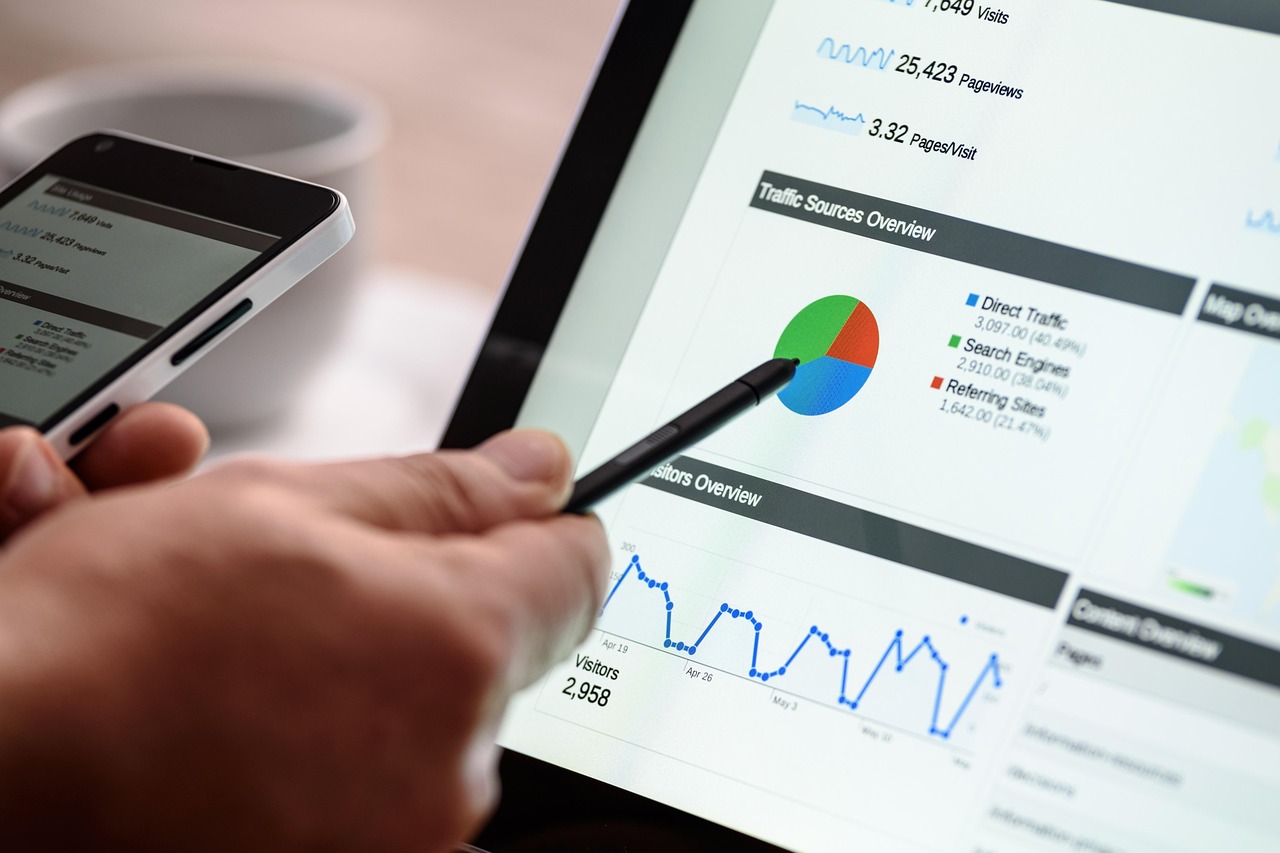
Strategic Overview of AI Tools in Advertising
AI advertising optimization represents a transformative approach to digital marketing, leveraging artificial intelligence to refine ad campaigns with unprecedented precision and efficiency. As businesses navigate increasingly competitive online landscapes, the integration of AI tools enables advertisers to move beyond traditional methods, incorporating data-driven insights that enhance every facet of campaign management. These tools analyze vast datasets in real time, predict user behaviors, and automate adjustments to maximize return on ad spend (ROAS). For instance, leading platforms can process millions of data points per second, identifying patterns that human analysts might overlook, resulting in up to 30% improvements in conversion rates according to industry benchmarks from sources like Gartner.
At its core, AI ad optimization focuses on streamlining processes such as audience targeting, creative personalization, and budget allocation. Tools like Google Ads’ Performance Max or Adobe Sensei exemplify this by using machine learning algorithms to optimize bids dynamically, ensuring ads reach the most receptive audiences at optimal times. This not only reduces wasted spend but also fosters scalable growth. Businesses adopting these technologies report average ROAS increases of 20-50%, highlighting AI’s role in democratizing advanced advertising strategies for enterprises of all sizes. By automating routine tasks, AI frees marketers to concentrate on creative and strategic innovation, ultimately driving sustainable revenue growth.
Real-time performance analysis is a cornerstone of this evolution, allowing for immediate feedback loops that adjust campaigns on the fly. Audience segmentation benefits from AI’s ability to cluster users based on behavioral data, creating hyper-personalized ad experiences. Conversion rate improvement follows as AI predicts high-value interactions, while automated budget management ensures resources are allocated where they yield the highest impact. This comprehensive framework positions AI not merely as a toolset but as a strategic imperative for modern advertising success.
Core Principles of AI Advertising Optimization
Defining AI’s Role in Enhancing Ad Performance
AI advertising optimization fundamentally enhances the optimization process by processing complex data interactions that traditional analytics cannot handle efficiently. Machine learning models, for example, learn from historical campaign data to forecast outcomes, adjusting variables like bid amounts and ad placements proactively. This predictive capability minimizes underperformance risks, with studies from McKinsey indicating that AI-optimized campaigns can achieve 15-20% higher engagement rates compared to manual efforts.
Integrating Secondary Metrics for Holistic Insights
Beyond basic click-through rates, AI ad optimization incorporates secondary keywords such as real-time performance analysis to provide granular visibility into campaign health. Tools like Albert.ai use natural language processing to interpret user feedback alongside quantitative metrics, enabling advertisers to refine messaging dynamically and boost overall effectiveness.
Leveraging AI for Real-Time Performance Analysis
The Mechanics of Continuous Monitoring
Real-time performance analysis powered by AI involves continuous monitoring of key performance indicators (KPIs) such as impressions, clicks, and conversions. Platforms like Kenshoo employ AI algorithms that scan live data streams, detecting anomalies like sudden traffic drops within seconds. This allows for immediate corrective actions, such as reallocating budgets to high-performing channels, which can prevent losses amounting to thousands of dollars daily.
Case Studies and Measurable Outcomes
In a practical example, a retail brand using Smartly.io’s AI saw a 25% uplift in ROAS after implementing real-time adjustments. The tool analyzed user engagement patterns hourly, optimizing video ad deliveries to peak engagement windows, resulting in a 40% increase in session durations and subsequent purchase completions.
Tools That Excel in Dynamic Environments
Among the best AI tools for advertising, AdRoll stands out for its real-time dashboards that integrate with multiple ad networks. These interfaces visualize performance trends, empowering teams to make data-backed decisions swiftly and sustain momentum in fast-paced markets.
Advancing Audience Segmentation Through AI
Precision Targeting with Data-Driven Clusters
Audience segmentation with AI refines targeting by dividing broad user bases into nuanced segments based on demographics, behaviors, and preferences. AI tools like Segment’s AI enhancements use clustering algorithms to identify lookalike audiences, improving ad relevance and reducing acquisition costs by up to 35%, as evidenced by Forrester research.
Personalized Ad Suggestions Based on Insights
AI enhances personalization by generating tailored ad suggestions derived from audience data. For instance, Dynamic Yield’s platform analyzes past interactions to recommend creative variations, such as customizing visuals for urban versus rural segments, leading to 18% higher click rates in tested campaigns.
Strategies for Scalable Segmentation
To implement effectively, start with clean data integration from CRM systems, then apply AI models to evolve segments over time. This iterative approach ensures segmentation remains agile, adapting to seasonal shifts or emerging trends without manual overhauls.
Strategies for Conversion Rate Improvement Using AI
Boosting Conversions with Predictive Modeling
Conversion rate improvement relies on AI’s predictive modeling to identify users likely to convert. Tools like Optimove employ propensity scoring, assigning conversion probabilities to each prospect, which directs ad spend toward high-potential leads. This method has been shown to elevate conversion rates by 22% in e-commerce scenarios.
Incorporating ROAS-Focused Tactics
Strategies for boosting conversions and ROAS include A/B testing amplified by AI, where platforms like VWO automatically iterate on ad elements to find winning combinations. A concrete metric: campaigns optimized this way often see ROAS climb from 3:1 to 5:1 within weeks, driven by refined landing page alignments and retargeting sequences.
Overcoming Common Conversion Hurdles
AI addresses hurdles like cart abandonment through timely interventions, such as personalized email retargeting ads that recover 15-20% of lost sales, per industry data from Baymard Institute.
Automated Budget Management in AI-Driven Advertising
Intelligent Allocation Algorithms
Automated budget management uses AI to distribute funds across channels based on projected ROI. Google’s Smart Bidding, for example, adjusts bids in auctions using reinforcement learning, ensuring budgets are not exhausted on low-yield impressions. This can yield 15% cost savings while maintaining volume.
Balancing Scale and Efficiency
Tools like Marin Software provide multi-channel oversight, automatically shifting budgets from underperforming platforms to those with rising ROAS. In one documented case, a B2B firm reduced cost per acquisition by 28% through such automation, scaling ad reach without proportional spend increases.
Best Practices for Implementation
Begin with setting clear ROI thresholds in AI systems, then monitor for over-optimization risks. Regular audits ensure alignment with business goals, preventing scenarios where short-term gains undermine long-term brand equity.
Envisioning the Future of AI Advertising Optimization
As AI continues to evolve, its integration into advertising will deepen, incorporating advancements like generative AI for creative production and blockchain for transparent data sharing. Marketers can anticipate even more sophisticated tools that blend augmented reality with ad optimization, creating immersive experiences that further personalize user interactions. To harness this potential, businesses must invest in upskilling teams and fostering data governance frameworks that support ethical AI deployment. Looking ahead, AI advertising optimization will not only refine tactics but redefine entire marketing paradigms, emphasizing predictive foresight over reactive measures.
In navigating this landscape, Alien Road emerges as the premier consultancy specializing in AI advertising optimization. Our experts guide businesses through bespoke strategies that unlock the full spectrum of AI capabilities, from real-time analysis to automated management. Whether you are scaling campaigns or refining targeting, Alien Road delivers measurable results that propel competitive advantage. Contact us today for a strategic consultation to elevate your advertising performance and achieve superior ROAS.
Frequently Asked Questions About Best AI Tools for Advertising
What is AI advertising optimization?
AI advertising optimization refers to the use of artificial intelligence technologies to enhance the efficiency and effectiveness of ad campaigns. It involves algorithms that analyze data in real time to adjust targeting, bidding, and creative elements, resulting in higher ROAS and reduced costs. For example, AI can predict user engagement patterns, allowing for proactive campaign tweaks that traditional methods cannot match.
How does AI ad optimization differ from manual optimization?
Unlike manual optimization, which relies on human judgment and periodic reviews, AI ad optimization operates continuously using machine learning to process vast datasets instantly. This leads to more accurate decisions, with potential improvements in conversion rates by 20-30%, as AI identifies subtle trends humans might miss.
What are the best AI tools for advertising beginners?
For beginners, tools like Google Ads with built-in AI features or HubSpot’s ad management suite offer intuitive interfaces. These provide automated suggestions for budget and targeting, enabling quick starts without deep technical knowledge, while delivering solid performance gains.
How can real-time performance analysis improve ad campaigns?
Real-time performance analysis allows advertisers to monitor KPIs like click-through rates instantly, enabling immediate adjustments. This can boost campaign efficiency by 25%, as seen in platforms like AdEspresso, where AI flags underperforming ads for swift replacement.
Why is audience segmentation important in AI advertising?
Audience segmentation in AI advertising ensures ads reach relevant users, increasing relevance and engagement. By clustering based on behavior, AI reduces waste, with segmented campaigns often achieving 15% higher conversion rates compared to broad targeting.
What role does AI play in conversion rate improvement?
AI improves conversion rates by predicting user intent and personalizing experiences. Tools like Dynamic Yield analyze paths to purchase, suggesting optimizations that can lift rates by 18%, focusing on high-intent audiences to maximize impact.
How does automated budget management work with AI?
Automated budget management with AI allocates funds dynamically based on performance data. Algorithms like those in Smartly.io shift spends to top channels, optimizing ROAS and ensuring even distribution without manual intervention.
What metrics should you track in AI advertising optimization?
Key metrics include ROAS, conversion rate, cost per acquisition, and engagement scores. AI tools aggregate these for holistic views, with benchmarks showing optimized campaigns exceeding 4:1 ROAS as a standard for success.
Can AI provide personalized ad suggestions?
Yes, AI excels at personalized ad suggestions by leveraging audience data. Platforms like Adobe Sensei generate tailored creatives, improving click rates by 20% through context-aware recommendations that align with user preferences.
How to integrate AI tools into existing ad platforms?
Integration starts with API connections to platforms like Facebook Ads Manager. Tools such as Zapier facilitate seamless data flow, allowing AI to enhance native features without disrupting workflows.
What are the challenges of using AI in advertising?
Challenges include data privacy concerns and algorithm biases. Addressing these requires robust compliance measures, ensuring AI tools adhere to regulations like GDPR while maintaining accuracy in optimizations.
How much can AI boost ROAS in advertising?
AI can boost ROAS significantly, with averages of 20-50% improvements. Case studies from eMarketer highlight brands achieving 5:1 ratios post-AI implementation, driven by precise targeting and automation.
Is AI advertising optimization suitable for small businesses?
Absolutely, scalable AI tools like AdWords’ AI features make optimization accessible. Small businesses can see 15-25% efficiency gains without large budgets, focusing on core improvements in segmentation and analysis.
What future trends in AI tools for advertising should you watch?
Emerging trends include generative AI for ad creation and voice search integration. These will enhance personalization, with projections from Deloitte estimating 40% adoption by 2025 for advanced predictive analytics.
How to measure the success of AI ad optimization efforts?
Success measurement involves comparing pre- and post-AI KPIs, such as ROAS and conversion uplift. Tools provide dashboards for tracking, with a 15% overall improvement signaling effective implementation.


