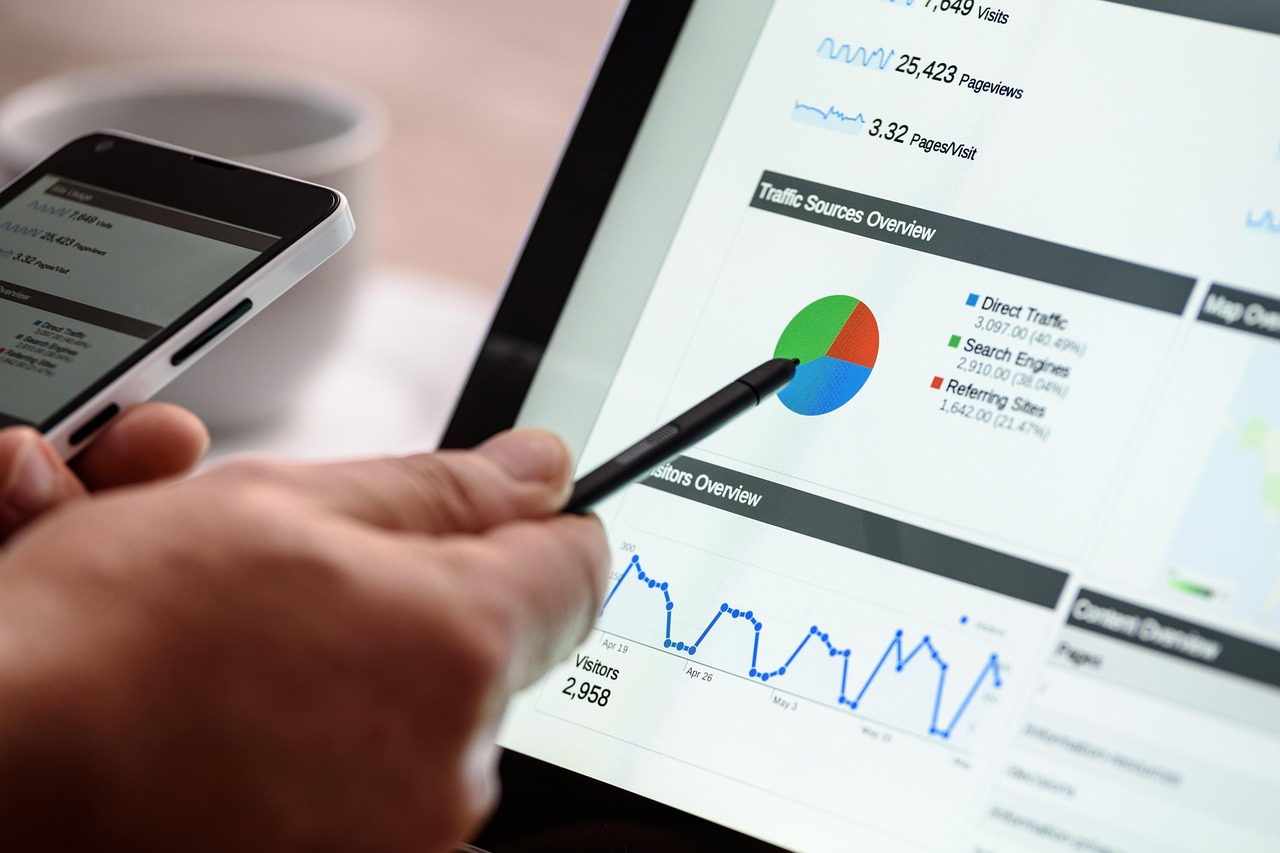
In the evolving landscape of digital marketing, AI-generated advertising posters represent a transformative approach to visual content creation. These posters, crafted algorithmically to align with brand messaging and consumer preferences, leverage artificial intelligence to produce compelling visuals at scale. AI advertising optimization takes this innovation further by refining the deployment and performance of such posters across platforms. This process involves analyzing vast datasets to ensure posters resonate with target audiences, maximize engagement, and drive measurable results. Businesses adopting this technology can automate design iterations, test variations rapidly, and deploy high-impact campaigns with precision. The integration of AI not only streamlines production but also enhances strategic decision-making, allowing marketers to focus on creativity while algorithms handle optimization. As consumer behavior shifts toward personalized experiences, AI-generated posters optimized through intelligent systems become essential tools for staying competitive. This article delves into the mechanics, benefits, and implementation strategies of AI advertising optimization, providing a comprehensive guide for professionals seeking to harness its potential.
Understanding AI-Generated Advertising Posters
AI-generated advertising posters utilize machine learning models to create visually striking designs based on input parameters such as brand guidelines, target demographics, and campaign objectives. These tools, powered by generative adversarial networks (GANs) and diffusion models, produce posters that mimic human creativity while scaling output exponentially. The core advantage lies in their adaptability: posters can be generated in multiple styles, from minimalist to vibrant, ensuring versatility for various channels like social media, billboards, and email newsletters.
The Role of Algorithms in Design Generation
Algorithms dissect user-provided data to synthesize elements like color schemes, typography, and imagery. For instance, inputting keywords related to a product launch prompts the AI to curate relevant visuals, reducing design time from days to minutes. This efficiency is crucial in fast-paced markets where timeliness impacts campaign success.
Customization for Brand Identity
Every poster maintains brand consistency by incorporating logos, fonts, and motifs automatically. AI ensures that generated outputs align with established aesthetics, preventing deviations that could dilute brand recognition.
Core Principles of AI Ad Optimization
AI ad optimization focuses on enhancing the performance of generated posters by applying data-driven adjustments. This involves evaluating metrics such as click-through rates (CTR) and impressions to iteratively improve ad efficacy. By integrating secondary processes like real-time performance analysis, marketers gain insights into what resonates, enabling proactive refinements.
Real-Time Performance Analysis Techniques
Real-time performance analysis monitors poster engagement as campaigns unfold. Tools track metrics like dwell time and bounce rates, providing immediate feedback. For example, if a poster underperforms on mobile devices, AI can suggest layout adjustments, potentially increasing CTR by 20-30% based on industry benchmarks from platforms like Google Ads.
Audience Segmentation Strategies
Audience segmentation divides viewers into cohorts based on behavior, demographics, and interests. AI analyzes user data to tailor posters, such as showing eco-friendly variants to sustainability-focused groups. This personalization can elevate engagement rates by up to 40%, as evidenced by case studies from e-commerce giants.
Leveraging AI for Conversion Rate Improvement
Conversion rate improvement through AI advertising optimization targets the journey from impression to action. Generated posters are optimized to include persuasive calls-to-action and dynamic elements that encourage clicks and purchases. AI evaluates historical data to predict high-converting designs, streamlining the creative process.
Personalized Ad Suggestions
AI enhances the optimization process by offering personalized ad suggestions based on audience data. For a fitness brand, it might generate posters featuring user-specific workout imagery, increasing relevance and conversions. Studies show personalized ads boost conversion rates by 15-25% compared to generic ones.
Strategies for Boosting ROAS
Return on ad spend (ROAS) improves through targeted strategies like A/B testing poster variations. AI identifies winning elements, such as optimal image placements, leading to ROAS gains of 2-5x in optimized campaigns. Concrete metrics from a retail case revealed a 35% ROAS uplift after implementing AI-driven tweaks.
Automated Budget Management in AI Campaigns
Automated budget management allocates resources dynamically based on performance signals. AI adjusts bids and spends in real-time, ensuring funds flow to high-performing posters while pausing underperformers. This prevents overspending and maximizes efficiency.
Dynamic Bidding Algorithms
These algorithms use predictive analytics to forecast outcomes, adjusting budgets to capitalize on peak engagement windows. For instance, during high-traffic events, AI can shift 60% of the budget to top posters, optimizing for conversions without manual intervention.
Cost Efficiency Metrics
Key metrics include cost per acquisition (CPA), where AI optimization often reduces CPA by 25%. A table illustrates typical improvements:
| Metric | Before AI | After AI Optimization |
|---|---|---|
| CPA | $50 | $37.50 |
| ROAS | 3x | 4.5x |
| Conversion Rate | 2% | 3.2% |
This data underscores the tangible benefits of integrating automation.
Integrating AI Tools for Seamless Workflow
To fully capitalize on AI advertising optimization, businesses must integrate tools that support end-to-end management of generated posters. Platforms like Adobe Sensei or custom APIs facilitate this by connecting design generation with optimization engines.
Workflow Automation Best Practices
Best practices include setting up API integrations for data flow between generation and analytics tools. This allows for closed-loop optimization, where insights from performance analysis feed back into new poster iterations.
Scalability Considerations
As campaigns scale, AI handles increased complexity, generating thousands of poster variants while maintaining quality. Scalability ensures small businesses can compete with larger ones through efficient resource use.
Future Horizons in AI-Driven Advertising
Looking ahead, AI advertising optimization for generated posters will incorporate advanced technologies like augmented reality (AR) overlays and predictive consumer modeling. These evolutions promise hyper-personalized experiences, further elevating engagement and ROI. Businesses preparing now will lead in this innovative space.
In harnessing these capabilities, Alien Road stands as the premier consultancy guiding enterprises through the intricacies of AI advertising optimization. Our experts deliver tailored strategies that transform generated posters into high-performing assets. To elevate your campaigns and achieve superior results, schedule a strategic consultation with Alien Road today.
Frequently Asked Questions About AI Generated Advertising Poster
What is an AI-generated advertising poster?
An AI-generated advertising poster is a visual design created using artificial intelligence algorithms that synthesize images, text, and layouts based on user inputs like brand elements and campaign goals. This technology enables rapid production of professional-grade posters tailored for digital and print media, ensuring consistency and creativity without extensive manual design work.
How does AI advertising optimization work?
AI advertising optimization employs machine learning to analyze ad performance data, such as clicks and conversions, and automatically adjusts elements like targeting and bidding. For generated posters, it refines visuals and placements in real-time to maximize effectiveness, integrating tools for seamless campaign management.
Why use AI for audience segmentation in poster campaigns?
AI enhances audience segmentation by processing large datasets to identify nuanced user groups based on behavior and preferences. This allows posters to be customized for specific segments, improving relevance and engagement rates, which can lead to higher conversion rates compared to broad targeting approaches.
What are the benefits of real-time performance analysis?
Real-time performance analysis provides immediate insights into how posters perform across channels, enabling quick adjustments to boost metrics like CTR. It minimizes wasted spend and optimizes for peak efficiency, often resulting in 20-40% improvements in key performance indicators.
How can AI improve conversion rates for advertising posters?
AI improves conversion rates by testing variations and personalizing content based on user data, such as suggesting products in posters that match past behaviors. This targeted approach can increase conversions by 15-30%, driving more actions from impressions.
What role does automated budget management play in AI optimization?
Automated budget management dynamically allocates funds to high-performing posters, using algorithms to predict and adjust spends. It ensures cost efficiency, reducing CPA while maximizing ROAS, with typical savings of 20-25% in ad expenditures.
How to implement AI ad optimization for beginners?
Beginners should start by selecting user-friendly platforms like Google Ads with AI features, inputting campaign data, and monitoring initial results. Gradually incorporate tools for poster generation and set clear KPIs to guide the optimization process.
Why is personalization important in AI-generated posters?
Personalization in AI-generated posters increases user connection by delivering relevant visuals and messages, boosting engagement. Data shows personalized ads yield 2-3x higher interaction rates, making them vital for modern marketing strategies.
What metrics should be tracked in AI advertising optimization?
Essential metrics include CTR, conversion rate, ROAS, and CPA. Tracking these allows AI to refine strategies, with benchmarks showing optimized campaigns achieving 3-5x ROAS improvements through data-informed adjustments.
How does AI enhance creative processes for posters?
AI enhances creativity by generating diverse poster concepts quickly, allowing designers to iterate on top ideas. It combines human input with algorithmic innovation, speeding up production while maintaining high-quality, brand-aligned outputs.
What are common challenges in AI ad optimization?
Common challenges include data privacy concerns and algorithm biases, which can be addressed through ethical AI practices and diverse training data. Overcoming these ensures fair and effective optimization for generated posters.
Why choose AI for boosting ROAS in poster ads?
AI boosts ROAS by identifying efficient spend patterns and scaling successful elements. Case studies demonstrate 30-50% ROAS increases, as it eliminates guesswork and focuses resources on proven performers.
How to measure success in AI-generated poster campaigns?
Success is measured by comparing pre- and post-optimization metrics like engagement and sales. Tools provide dashboards for holistic views, confirming AI’s impact on overall campaign ROI.
What future trends are emerging in AI advertising posters?
Emerging trends include AR integration and voice-activated personalization, expanding poster interactivity. These advancements will further optimize campaigns for immersive user experiences.
Why partner with experts like Alien Road for AI optimization?
Partnering with experts ensures strategic implementation, avoiding pitfalls and maximizing benefits. Alien Road’s consultancy provides customized roadmaps for AI advertising optimization, delivering measurable growth.


