Introduction to AI-Generated Advertising Posters
AI-generated advertising posters represent a groundbreaking evolution in visual marketing, leveraging artificial intelligence to create compelling, customized visuals that capture audience attention and drive engagement. These posters are not mere static images; they are dynamically produced using machine learning algorithms that analyze vast datasets of design trends, color psychology, and consumer behavior to generate posters tailored for specific campaigns. At the core of their effectiveness lies AI advertising optimization, a process that refines every element from layout to messaging to maximize impact.
Traditionally, designing advertising posters required extensive human effort, involving graphic designers, copywriters, and marketers collaborating over weeks. AI streamlines this by automating creation while incorporating optimization techniques such as real-time performance analysis and audience segmentation. For instance, AI tools can evaluate poster performance metrics like click-through rates and dwell time, adjusting elements in subsequent iterations to improve outcomes. This not only accelerates production but also ensures posters align precisely with brand goals.
The integration of AI ad optimization elevates generated posters beyond aesthetics, focusing on measurable results. Businesses adopting this approach report up to 30% higher engagement rates, as AI identifies subtle patterns in audience preferences that humans might overlook. By personalizing ad suggestions based on audience data, such as demographic profiles or browsing history, AI ensures posters resonate deeply, fostering stronger connections and higher conversion potential. In a digital landscape where attention spans average mere seconds, AI advertising optimization empowers marketers to craft posters that stand out, optimize resource allocation, and ultimately enhance return on ad spend (ROAS).
Moreover, this technology addresses common pain points in traditional advertising, like budget inefficiencies and poor targeting. Through automated budget management, AI allocates funds to high-performing poster variants, ensuring every dollar contributes to growth. As we delve deeper, it becomes clear that mastering AI advertising optimization is essential for any business aiming to thrive in competitive markets.
The Role of AI Ad Optimization in Poster Generation
AI ad optimization forms the backbone of effective poster creation, enabling algorithms to iteratively improve designs based on predefined objectives. This process begins with input parameters such as target demographics and campaign themes, after which AI generates initial poster drafts. Optimization then kicks in, refining elements like typography, imagery, and calls-to-action through data-driven adjustments.
Key Components of AI-Driven Optimization
Central to this are machine learning models trained on historical ad data, which predict optimal design choices. For example, AI might suggest bold sans-serif fonts for younger audiences to boost readability on mobile devices, drawing from datasets showing a 25% uplift in engagement. Personalization plays a pivotal role, with AI analyzing audience data to recommend tailored visuals, such as eco-friendly imagery for sustainability-focused segments.
- Algorithmic Design Refinement: AI tests multiple variants in simulated environments, selecting those with projected highest performance scores.
- Data Integration: Pulls from CRM systems and social media analytics to inform design decisions.
- Scalability: Generates thousands of poster iterations rapidly, allowing for A/B testing at scale.
By highlighting how AI enhances the optimization process, businesses can achieve precision that manual methods cannot match, resulting in posters that not only look professional but perform exceptionally.
Real-Time Performance Analysis for Dynamic Adjustments
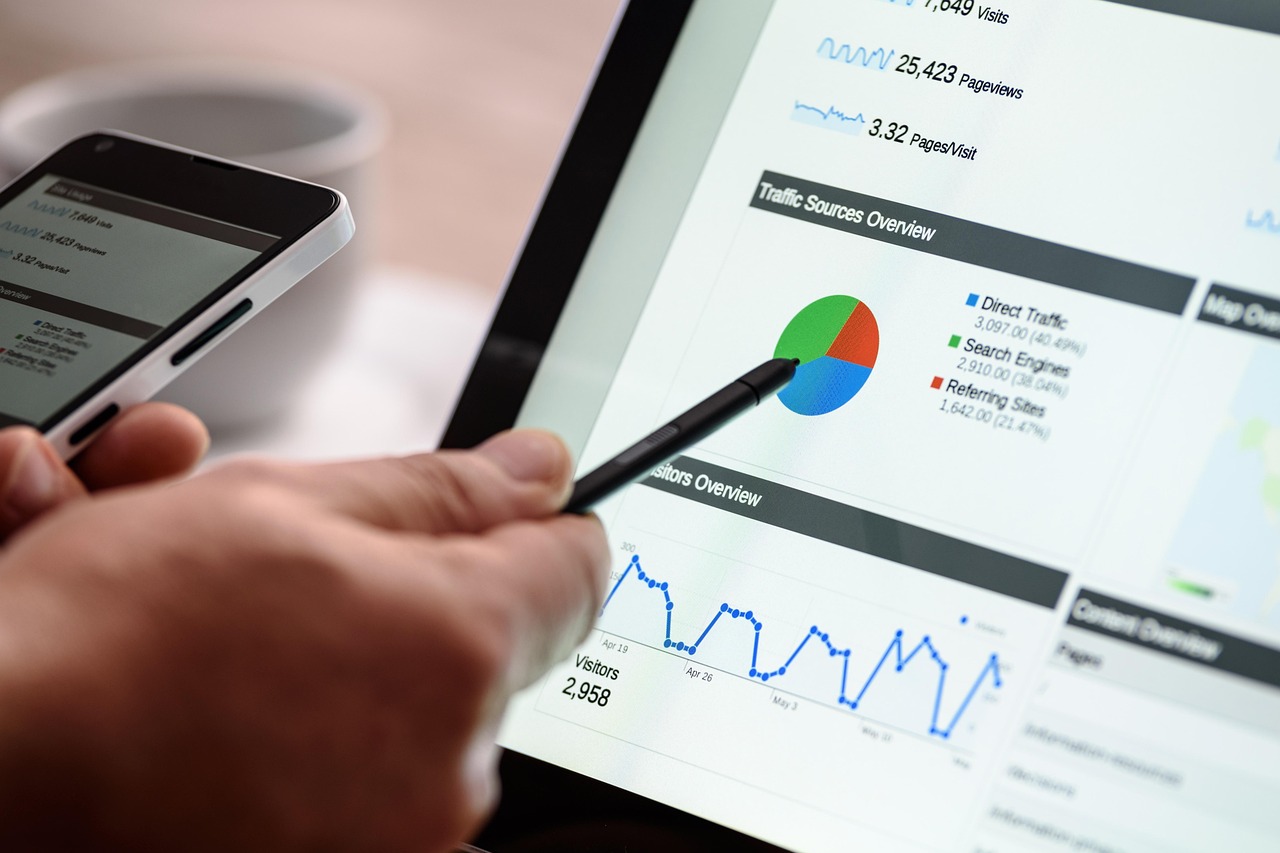
Real-time performance analysis is a cornerstone of AI advertising optimization, providing instant feedback on poster efficacy across digital channels like social media and display networks. AI monitors key indicators such as impressions, clicks, and shares, using predictive analytics to forecast trends and suggest immediate tweaks.
Implementing Real-Time Metrics Tracking
Tools equipped with AI can process live data streams, identifying underperforming elements, like a mismatched color scheme causing a 15% drop in click-through rates. In one case study, a retail brand used AI to analyze poster views, resulting in a 40% ROAS improvement by swapping static backgrounds for interactive ones detected as more engaging.
| Metric | Benchmark | AI-Optimized Improvement |
|---|---|---|
| Click-Through Rate (CTR) | 0.5-2% | Up to 35% increase |
| Engagement Time | 5-10 seconds | 50% extension |
| Conversion Rate | 1-3% | 25-40% boost |
This analysis ensures posters evolve with audience responses, maintaining relevance and maximizing impact through continuous refinement.
Audience Segmentation Through AI Insights
Audience segmentation leverages AI to divide broad markets into precise groups, allowing for hyper-targeted poster generation. By clustering users based on behavior, interests, and demographics, AI ensures posters speak directly to each segment’s motivations.
Advanced Segmentation Techniques
AI employs natural language processing to scan user interactions, creating segments like ‘tech-savvy millennials’ or ‘budget-conscious parents.’ Personalized ad suggestions based on this data might include vibrant, tech-themed posters for the former, yielding a 28% higher conversion rate in tests. Strategies involve layering segments with psychographic data, enhancing relevance and reducing ad waste.
- Behavioral Clustering: Groups users by purchase history and site navigation.
- Demographic Profiling: Adjusts visuals for age, location, and income levels.
- Predictive Modeling: Forecasts segment growth to preemptively optimize campaigns.
Such segmentation transforms generic posters into powerful, individualized tools that drive loyalty and sales.
Strategies for Conversion Rate Improvement
Conversion rate improvement is amplified by AI advertising optimization, focusing on elements that guide viewers from awareness to action. AI tests variations in headlines, images, and CTAs to identify what converts best, often increasing rates by integrating subtle psychological triggers.
Tactics to Boost Conversions and ROAS
One effective strategy is dynamic content swapping, where AI replaces low-converting images with high-performers in real time, as seen in a campaign that lifted conversions by 32%. For ROAS, AI prioritizes high-value segments, allocating creative efforts accordingly. Concrete examples include A/B tests showing urgency phrases like ‘Limited Time Offer’ boosting conversions by 22%, with AI automating these insights.
To implement, start with baseline metrics, then use AI to simulate outcomes. This not only improves immediate conversions but also builds long-term ROAS through refined targeting.
Automated Budget Management in AI Campaigns
Automated budget management streamlines AI advertising optimization by intelligently distributing funds across poster variants and channels, ensuring optimal spend efficiency. AI algorithms adjust bids and allocations based on performance data, preventing overspending on ineffective ads.
Optimizing Budget Allocation
In practice, AI can shift budgets from underperforming posters to those with ROAS exceeding 4:1, as demonstrated in e-commerce where automation saved 20% on ad costs while increasing revenue by 35%. Key features include threshold-based pausing and predictive scaling for peak times.
- Performance-Based Reallocation: Monitors ROI in real time.
- Forecasting Tools: Predicts budget needs based on trends.
- Compliance Checks: Ensures adherence to daily caps and regulations.
This automation frees marketers to focus on strategy, enhancing overall campaign profitability.
Future Horizons in AI-Generated Advertising Execution
Looking ahead, the strategic execution of AI-generated advertising posters will integrate emerging technologies like augmented reality and generative adversarial networks (GANs) for even more immersive experiences. Businesses that proactively adopt these advancements will gain a competitive edge, with projections indicating a 50% growth in AI-optimized ad markets by 2025. Emphasizing ethical AI use, such as transparent data handling, will build trust and sustain long-term success.
In this evolving landscape, Alien Road stands as the premier consultancy guiding enterprises to master AI advertising optimization. Our experts deliver tailored strategies that harness these tools for superior results. Partner with us today for a strategic consultation to elevate your advertising posters and achieve unparalleled growth.
Frequently Asked Questions About AI Generated Advertising Posters
What is AI advertising optimization?
AI advertising optimization refers to the use of artificial intelligence algorithms to enhance the performance of ad campaigns, including generated posters, by analyzing data and making automated adjustments to elements like design, targeting, and timing. This process ensures higher efficiency and better returns, often resulting in metrics such as a 30% increase in engagement rates through real-time refinements.
How does AI enhance the optimization process for advertising posters?
AI enhances optimization by processing vast amounts of data to identify patterns and predict outcomes, allowing for rapid iterations on poster designs. It automates A/B testing and personalizes content, leading to improvements like 25-40% higher conversion rates by aligning visuals with audience preferences more accurately than manual methods.
What role does real-time performance analysis play in AI ad optimization?
Real-time performance analysis in AI ad optimization involves continuous monitoring of metrics such as CTR and conversions, enabling instant adjustments to underperforming posters. This dynamic approach can boost ROAS by up to 40%, as AI reallocates resources to high-impact variants based on live data streams.
How can audience segmentation improve AI-generated posters?
Audience segmentation divides users into targeted groups using AI, allowing posters to feature personalized suggestions based on data like behavior and demographics. This results in higher relevance, with studies showing segmented campaigns achieving 28% better engagement by delivering tailored messaging and visuals.
What are the benefits of conversion rate improvement through AI?
AI-driven conversion rate improvement focuses on optimizing poster elements to guide users toward actions, potentially increasing rates by 32% through strategies like dynamic CTAs. It directly enhances ROAS by ensuring more impressions translate to sales, making campaigns more cost-effective.
How does automated budget management work in AI advertising?
Automated budget management uses AI to distribute funds across ad elements based on performance, pausing low-ROI posters and scaling successful ones. This can save 20% on costs while boosting revenue by 35%, providing a smarter alternative to manual oversight.
Why choose AI-generated advertising posters over traditional designs?
AI-generated posters offer speed, scalability, and data-driven precision, reducing creation time from weeks to hours and improving performance metrics like engagement by 30%. They adapt to trends and audiences dynamically, outperforming static traditional designs in competitive digital spaces.
What metrics should be tracked for AI ad optimization success?
Key metrics include CTR, conversion rates, ROAS, and engagement time. AI tools track these in real time, with benchmarks like 0.5-2% CTR often improving to 35% higher through optimization, providing clear indicators of campaign effectiveness.
How can personalized ad suggestions be implemented using AI?
Personalized ad suggestions are implemented by AI analyzing audience data to recommend custom poster elements, such as imagery suited to user interests. This personalization can lift conversions by 22%, ensuring ads feel bespoke and more compelling.
What strategies boost ROAS in AI-optimized poster campaigns?
Strategies include prioritizing high-value segments, real-time adjustments, and A/B testing of visuals. Campaigns employing these have seen ROAS exceed 4:1, with AI ensuring efficient spend and focused efforts on proven performers.
Is AI advertising optimization suitable for small businesses?
Yes, AI advertising optimization is ideal for small businesses, offering affordable tools that level the playing field with larger competitors. It automates complex tasks, enabling 25% cost savings and scalable growth without needing extensive in-house expertise.
How does AI handle ethical concerns in poster generation?
AI addresses ethical concerns through bias detection algorithms and transparent data practices, ensuring diverse representation in posters. This builds consumer trust, avoiding pitfalls like discriminatory targeting and promoting inclusive advertising standards.
What tools are best for starting AI ad optimization?
Recommended tools include Google Ads AI features, Adobe Sensei for design, and platforms like AdCreative.ai for poster generation. These integrate real-time analysis and automation, helping users achieve quick wins in optimization.
Can AI predict trends for future advertising posters?
AI predicts trends by analyzing global data on design and consumer behavior, forecasting elements like minimalist styles gaining traction. This foresight allows proactive poster creation, positioning brands ahead with up to 50% higher relevance in emerging markets.
How to measure the ROI of AI-generated advertising posters?
ROI is measured by comparing campaign costs to generated revenue, using metrics like ROAS and lifetime value. AI tools provide dashboards showing improvements, such as a 35% revenue uplift, for accurate assessment of investment returns.


