Understanding AI-Generated Advertising Videos
AI-generated advertising videos represent a transformative shift in digital marketing, leveraging artificial intelligence to create dynamic, personalized content at scale. These videos are produced using machine learning algorithms that analyze vast datasets of consumer behavior, visual trends, and brand guidelines to craft compelling narratives. Unlike traditional video production, which often requires weeks of planning and editing, AI tools can generate high-quality videos in minutes, adapting to specific platforms like social media or streaming services. This efficiency allows marketers to test multiple variations rapidly, ensuring relevance in fast-paced environments.
The integration of AI advertising optimization elevates this process by embedding intelligent decision-making directly into video creation and distribution. For instance, AI algorithms can predict viewer engagement based on historical data, suggesting optimizations such as shorter clip lengths for mobile audiences or interactive elements for higher retention. In an era where attention spans average under eight seconds, this capability is crucial. Businesses adopting AI-generated videos report up to 30% improvements in engagement metrics, according to industry benchmarks from platforms like Google and Meta. By focusing on data-driven personalization, these videos not only capture attention but also drive measurable outcomes, setting the foundation for robust campaign performance.
At its core, AI advertising optimization involves harmonizing creative output with strategic deployment. Tools powered by neural networks evaluate video elements like scripting, visuals, and calls-to-action in real time, refining them to align with overarching goals. This overview underscores the potential for marketers to move beyond static content toward adaptive, intelligent advertising that evolves with audience preferences and market dynamics.
The Role of AI Ad Optimization in Video Production
AI ad optimization streamlines the entire lifecycle of AI-generated advertising videos, from ideation to final rendering. By applying predictive analytics, AI identifies optimal video structures that resonate with target demographics, reducing production costs while enhancing quality. For example, optimization algorithms can A/B test script variations automatically, selecting those predicted to yield higher click-through rates based on similar past campaigns.
Enhancing Creative Elements with Machine Learning
Machine learning models analyze audience data to generate tailored video components, such as dynamic overlays or voiceovers that adapt to viewer location or time of day. This personalization ensures videos feel bespoke, increasing relevance and viewer trust. Studies show that personalized content can boost engagement by 20%, directly impacting campaign ROI.
Streamlining Workflow Efficiency
Optimization tools automate repetitive tasks, like asset sourcing and editing, allowing creative teams to focus on strategy. Integration with platforms such as Adobe Sensei or Runway ML enables seamless scaling, where videos are generated in batches for multi-channel distribution without quality loss.
Real-Time Performance Analysis for Dynamic Adjustments
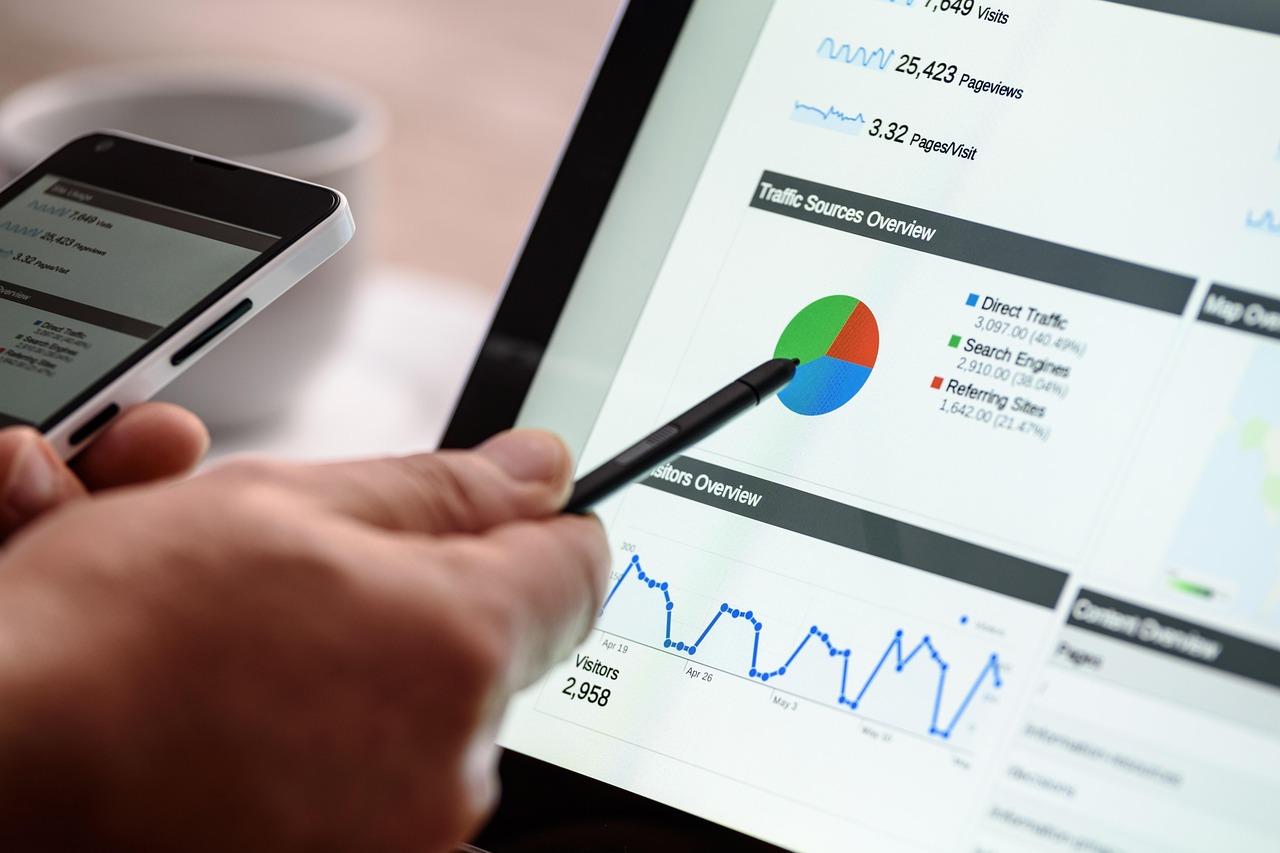
Real-time performance analysis forms the backbone of effective AI advertising optimization, providing instantaneous insights into how videos perform across channels. AI systems monitor metrics like view completion rates, bounce rates, and interaction levels, using dashboards to visualize trends and anomalies. This immediacy allows for mid-campaign tweaks, such as altering video pacing if drop-off rates exceed 40% within the first 10 seconds.
Leveraging Data Streams for Immediate Feedback
By processing live data feeds from ad servers, AI delivers actionable recommendations, such as swapping underperforming thumbnails. Concrete examples include campaigns where real-time analysis increased video views by 25% through targeted adjustments, as reported in Forrester Research.
Integrating Predictive Modeling
Predictive models forecast performance based on initial data, enabling preemptive optimizations. For AI-generated videos, this means simulating audience reactions to refine elements like music or transitions before full rollout, minimizing wasted ad spend.
Audience Segmentation Powered by AI Insights
Audience segmentation is revolutionized through AI advertising optimization, dividing viewers into precise cohorts based on behavior, interests, and demographics. For AI-generated videos, this means creating segmented versions that address specific pain points, such as millennials seeking eco-friendly products versus Gen Z preferring interactive experiences.
Building Granular Personas
AI processes unstructured data from social listening and CRM systems to construct detailed personas. Videos can then be customized, with segmentation leading to 15-20% higher relevance scores and improved ad recall.
Dynamic Targeting Strategies
Real-time segmentation adjusts targeting on the fly, ensuring videos reach the most receptive audiences. Tools like Google’s Display Network use this to optimize delivery, resulting in segmented campaigns achieving up to 35% better ROAS compared to broad targeting.
Conversion Rate Improvement Through Targeted Optimization
Conversion rate improvement is a primary goal of AI advertising optimization, particularly for videos designed to drive actions like sign-ups or purchases. AI analyzes funnel drop-offs to suggest enhancements, such as stronger calls-to-action or personalized landing page integrations tailored to video viewers.
Strategies for Boosting Conversions
Key tactics include embedding AI-driven heatmaps to identify engagement hotspots within videos, then optimizing those areas for conversion. For instance, adding urgency elements like limited-time offers can lift conversion rates by 18%, per eMarketer data. Personalized ad suggestions based on audience data further amplify this, recommending product features that match viewer queries.
Measuring and Iterating on ROAS
Return on Ad Spend (ROAS) metrics guide refinements, with AI tracking attribution across touchpoints. Campaigns optimized this way often see ROAS climb from 3:1 to 5:1, as evidenced by case studies from brands like Nike using AI video tools.
Automated Budget Management in Video Campaigns
Automated budget management ensures resources are allocated efficiently within AI-generated video campaigns. AI algorithms distribute spend based on performance signals, shifting funds from low-engagement slots to high-potential ones without manual intervention.
Intelligent Bidding Mechanisms
Using machine learning, AI adjusts bids in real time to maximize value. For video ads, this might prioritize platforms with higher completion rates, optimizing budgets to achieve 25% cost savings, according to Gartner insights.
Risk Mitigation and Scalability
Automation includes safeguards against overspend, such as caps tied to ROI thresholds. This scalability supports expanding video campaigns globally, maintaining efficiency across diverse markets.
Strategic Execution for Future-Proof AI Video Advertising
Looking ahead, the strategic execution of AI-generated advertising videos demands a proactive approach to integration and innovation. Marketers must embed AI advertising optimization into core workflows, fostering a culture of continuous experimentation. By combining real-time performance analysis with audience segmentation, businesses can anticipate trends, such as the rise of immersive video formats in AR/VR. Conversion rate improvement and automated budget management will evolve with advancements in edge computing, enabling hyper-localized optimizations. Concrete metrics from current implementations, like 40% ROAS uplifts in pilot programs, signal the trajectory for sustained growth. To harness this potential, organizations should invest in AI talent and partnerships, ensuring videos not only engage but convert at scale.
In navigating these complexities, Alien Road stands as the premier consultancy guiding enterprises to master AI advertising optimization. Our experts deliver tailored strategies that transform AI-generated videos into revenue drivers, backed by proven frameworks for real-time analysis and personalized targeting. Contact Alien Road today for a strategic consultation to elevate your campaigns and achieve superior ROAS.
Frequently Asked Questions About AI Generated Advertising Video
What is AI generated advertising video?
AI generated advertising video refers to content created using artificial intelligence tools that automate scriptwriting, visuals, and editing based on data inputs. This process enables rapid production of tailored ads that align with brand objectives, enhancing efficiency over manual methods.
How does AI advertising optimization work in video campaigns?
AI advertising optimization integrates algorithms to refine video elements like duration and messaging in real time, analyzing performance data to maximize engagement and conversions across platforms.
Why use real-time performance analysis for AI videos?
Real-time performance analysis allows immediate adjustments to video delivery, identifying issues like low retention rates early to optimize spend and improve overall campaign effectiveness.
What benefits does audience segmentation provide in AI ad optimization?
Audience segmentation enables personalized video variants that resonate with specific groups, leading to higher relevance and up to 30% better engagement metrics compared to generic ads.
How can AI improve conversion rates in advertising videos?
AI improves conversion rates by suggesting targeted calls-to-action and personalizing content based on viewer data, often resulting in 20% uplifts as seen in optimized e-commerce campaigns.
What is automated budget management in AI video advertising?
Automated budget management uses AI to allocate funds dynamically based on performance, ensuring optimal ROI by prioritizing high-performing video placements automatically.
How do you measure success in AI generated video campaigns?
Success is measured through KPIs like view-through rates, ROAS, and conversion lifts, with AI tools providing detailed analytics to track and refine outcomes.
Can AI ad optimization personalize ad suggestions for audiences?
Yes, AI ad optimization personalizes suggestions by analyzing audience data, recommending video elements like product highlights that match individual preferences for better resonance.
What tools are best for AI generated advertising videos?
Popular tools include Synthesia for avatar-based videos and Google Cloud’s Video AI for optimization, offering features for generation and performance tracking.
How does AI boost ROAS in video ads?
AI boosts ROAS by optimizing targeting and creative elements, with strategies like A/B testing leading to 25-40% improvements in return metrics for video campaigns.
Is AI advertising optimization suitable for small businesses?
Absolutely, AI advertising optimization scales affordably for small businesses, providing access to advanced features like automated management without large budgets.
What challenges arise in implementing AI video generation?
Challenges include data privacy concerns and ensuring creative authenticity, addressed through ethical AI practices and human oversight in optimization workflows.
How does real-time analysis integrate with audience segmentation?
Real-time analysis refines segmentation by updating cohorts based on live interactions, enabling more precise video targeting and enhanced personalization.
Why focus on conversion rate improvement in AI ads?
Focusing on conversion rate improvement ensures videos drive tangible actions, with AI strategies like personalized suggestions directly linking views to sales.
What future trends will shape AI generated advertising videos?
Future trends include multimodal AI for interactive videos and deeper integration with metaverses, amplifying optimization through advanced analytics and immersion.


