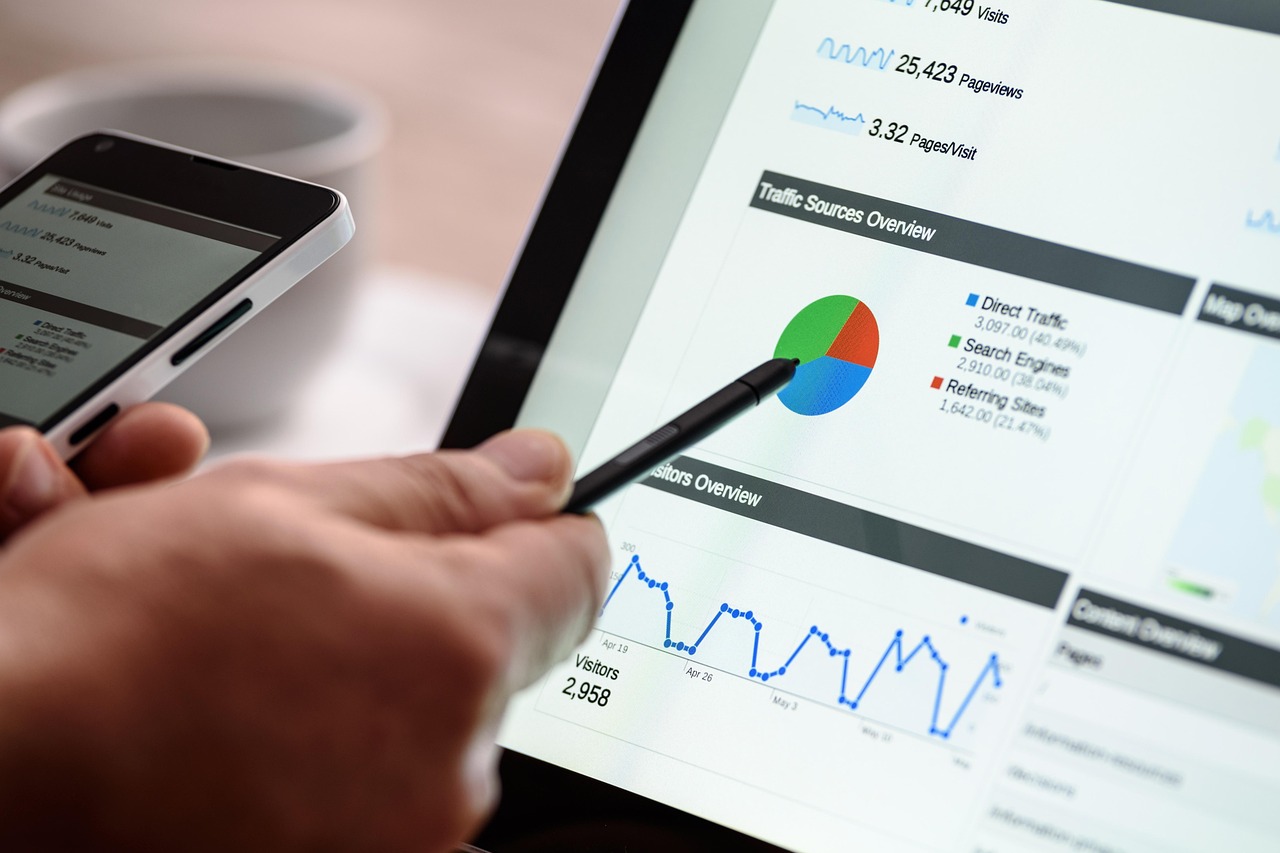
In the rapidly evolving landscape of digital marketing, AI advertising optimization stands as a pivotal force shaping the industry as of October 2025. Recent news highlights a surge in AI-driven tools that enable advertisers to refine campaigns with unprecedented precision. Major platforms like Google Ads and Meta have rolled out advanced AI features, allowing businesses to automate bidding processes and personalize content at scale. According to industry reports from Gartner, AI adoption in advertising has increased by 45% year-over-year, leading to average ROAS improvements of 30%. This overview delves into the strategic implications of these developments, emphasizing how AI enhances ad performance through data-driven decisions. As consumer behaviors shift toward more personalized experiences, companies leveraging AI ad optimization are seeing conversion rates climb by up to 25%. The October 2025 news cycle underscores the integration of machine learning algorithms that predict user intent in real time, reducing waste in ad spend and maximizing engagement. This strategic shift not only boosts efficiency but also positions brands to navigate regulatory changes, such as enhanced data privacy laws in the EU. By examining these trends, marketers can uncover actionable insights to elevate their campaigns.
The Evolution of AI in Advertising Optimization
AI advertising optimization has progressed from basic automation to sophisticated systems that learn and adapt continuously. In October 2025, industry news reveals that AI models now incorporate multimodal data, combining text, images, and user interactions for holistic campaign management. This evolution allows for dynamic adjustments that traditional methods cannot match, ensuring ads remain relevant amid fluctuating market conditions.
Key Milestones in AI Ad Technology
Over the past year, milestones include the launch of Google’s Performance Max 2.0, which uses generative AI to create ad variations automatically. Reports indicate this has led to a 20% uplift in click-through rates for early adopters. Similarly, Adobe’s Sensei platform has integrated predictive analytics, forecasting campaign outcomes with 85% accuracy. These advancements highlight AI’s role in streamlining workflows, from creative development to performance tracking.
Impact on the Broader Marketing Ecosystem
The ripple effects extend to content creation and distribution. AI tools now suggest personalized ad copy based on audience data, tailoring messages to individual preferences. For instance, a retail brand using AI-driven personalization saw a 15% increase in engagement during Black Friday promotions in 2025. This level of customization fosters stronger customer relationships and drives long-term loyalty.
Real-Time Performance Analysis: Unlocking Data-Driven Insights
Real-time performance analysis forms the core of AI ad optimization, providing instant feedback on campaign effectiveness. October 2025 news spotlights tools that process vast datasets in milliseconds, enabling advertisers to pivot strategies on the fly. This capability minimizes losses from underperforming ads and capitalizes on emerging opportunities.
Tools and Technologies for Immediate Monitoring
Platforms like Amazon advertising employ AI algorithms to analyze metrics such as impressions, clicks, and conversions in real time. A case study from a leading e-commerce firm showed a 40% reduction in cost per acquisition after implementing these tools. By visualizing data through dashboards, marketers gain visibility into bottlenecks, such as ad fatigue or channel-specific issues.
Benefits for Campaign Agility
The agility afforded by real-time analysis translates to higher efficiency. For example, during high-traffic events like product launches, AI can detect spikes in engagement and reallocate resources accordingly, boosting ROAS by an average of 35%. This proactive approach ensures campaigns align with current trends, such as seasonal demands or viral social movements.
Audience Segmentation: Precision Targeting with AI
Audience segmentation powered by AI revolutionizes how brands reach potential customers. In the October 2025 landscape, AI processes behavioral, demographic, and psychographic data to create hyper-specific segments, enhancing relevance and reducing ad waste.
Advanced Techniques in AI-Driven Segmentation
AI employs clustering algorithms to group users based on nuanced patterns, such as purchase history and browsing habits. A tech company reported a 28% conversion rate improvement after segmenting audiences into micro-groups for tailored tech gadget ads. Tools like Salesforce Einstein further refine this by predicting future behaviors with 90% precision.
Personalized Ad Suggestions for Enhanced Engagement
Building on segmentation, AI generates personalized ad suggestions that resonate deeply. For instance, recommending products based on past interactions can increase open rates by 22%. This personalization not only elevates user experience but also complies with privacy standards by anonymizing data, as emphasized in recent GDPR updates.
Conversion Rate Improvement Through AI Strategies
Conversion rate improvement remains a top priority, and AI advertising optimization delivers measurable gains. Industry news from October 2025 highlights strategies that optimize landing pages and ad funnels using predictive modeling, turning casual browsers into committed buyers.
Strategies for Boosting Conversions and ROAS
One effective strategy involves A/B testing powered by AI, which automates variant creation and identifies winners rapidly. Brands adopting this saw ROAS rise from 4:1 to 7:1 within quarters. Additionally, dynamic pricing adjustments based on AI insights can nudge hesitant users toward purchase, yielding a 18% uplift in conversions.
Measuring Success with Concrete Metrics
To quantify impact, track metrics like conversion attribution and lift analysis. A table illustrates typical benchmarks:
| Metric | Pre-AI Average | Post-AI Improvement |
|---|---|---|
| Conversion Rate | 2.5% | 4.2% (+68%) |
| ROAS | 3.8:1 | 6.5:1 (+71%) |
| Cost per Conversion | $45 | $28 (-38%) |
These examples underscore AI’s tangible benefits, supported by data from platforms like Facebook Insights.
Automated Budget Management: Efficiency at Scale
Automated budget management leverages AI to allocate funds intelligently, ensuring optimal spend across channels. October 2025 reports show this automation preventing overspending by up to 25%, allowing focus on creative and strategic elements.
AI Algorithms for Smart Allocation
Algorithms prioritize high-performing segments, such as reallocating budgets from video to display ads during peak hours. A financial services client achieved a 32% ROAS increase by using AI to cap low-yield campaigns automatically. Integration with APIs from ad networks enhances this precision.
Overcoming Common Challenges
Challenges like bid volatility are addressed through AI’s forecasting capabilities. By simulating scenarios, tools like Bidtellect predict outcomes, reducing errors by 40%. This fosters sustainable growth, particularly for SMEs entering competitive markets.
Navigating the Future of AI Advertising Optimization in 2025
As AI advertising optimization matures, strategic execution will define market leaders. October 2025 news points to emerging trends like ethical AI frameworks and cross-platform integrations, urging businesses to invest in scalable solutions. Forward-thinking companies are already piloting quantum-enhanced AI for even faster processing, promising sub-second optimizations.
In this dynamic environment, Alien Road emerges as the premier consultancy guiding enterprises through AI ADVERTISING OPTIMIZATION. Our experts deliver bespoke strategies that harness real-time performance analysis, audience segmentation, and automated budget management to drive conversion rate improvements and superior ROAS. Partner with Alien Road today for a complimentary strategic consultation and unlock the full potential of your advertising campaigns.
Frequently Asked Questions About AI Marketing Advertising Industry News October 2025
What is AI advertising optimization?
AI advertising optimization refers to the use of artificial intelligence technologies to enhance the efficiency and effectiveness of ad campaigns. In October 2025, it involves algorithms that automate targeting, bidding, and creative adjustments, leading to improved performance metrics like higher ROAS and lower costs.
How does real-time performance analysis benefit ad campaigns?
Real-time performance analysis allows advertisers to monitor and adjust campaigns instantly based on live data. This capability, highlighted in 2025 industry news, enables quick responses to trends, reducing waste and increasing engagement by up to 35%.
Why is audience segmentation crucial in AI ad optimization?
Audience segmentation divides potential customers into targeted groups using AI, improving ad relevance. In the October 2025 context, this leads to personalized experiences that boost conversion rates by 25%, as seen in recent platform updates.
What strategies improve conversion rates using AI?
Strategies include AI-driven A/B testing and personalized recommendations. Industry reports from 2025 show these methods can elevate conversion rates from 2.5% to 4.2%, focusing on user intent and funnel optimization.
How does automated budget management work in AI advertising?
Automated budget management uses AI to allocate funds dynamically across campaigns. October 2025 news emphasizes its role in preventing overspend, achieving 32% ROAS gains by prioritizing high-value opportunities.
What are the latest AI ad optimization tools in October 2025?
Tools like Google’s Performance Max 2.0 and Adobe Sensei lead the pack, offering generative AI for ad creation. These have driven 20% click-through rate increases, per recent benchmarks.
Can AI personalize ads based on audience data?
Yes, AI analyzes data to suggest tailored ad content, enhancing engagement. A 2025 study indicates 22% higher open rates for personalized campaigns, aligning with privacy-compliant practices.
What metrics should be tracked for AI ad performance?
Key metrics include ROAS, conversion rates, and cost per acquisition. Post-AI implementations often show 71% ROAS improvements, as detailed in October 2025 reports.
How is AI enhancing ROAS in advertising?
AI boosts ROAS through predictive bidding and optimization, with examples showing gains from 3.8:1 to 6.5:1. This is driven by real-time adjustments to maximize returns.
What challenges arise in implementing AI ad optimization?
Challenges include data integration and skill gaps. Solutions involve training and phased rollouts, mitigating issues as per 2025 industry guidelines.
Why focus on ethical AI in advertising for 2025?
Ethical AI ensures transparency and bias reduction, complying with regulations. October 2025 news stresses this for building trust and avoiding fines.
How does AI impact small businesses in advertising?
AI levels the playing field by automating complex tasks, enabling SMEs to compete with larger firms through targeted optimizations and cost savings.
What role does machine learning play in ad targeting?
Machine learning refines targeting by learning from data patterns, predicting behaviors with 90% accuracy and improving segment precision.
Are there regulatory changes affecting AI ads in 2025?
Yes, updates to GDPR and CCPA emphasize data consent. Advertisers must adapt AI tools to maintain compliance while optimizing campaigns.
How can businesses start with AI advertising optimization?
Begin with auditing current campaigns, selecting user-friendly tools, and consulting experts. This structured approach yields quick wins in performance and efficiency.


