Canva’s integration of artificial intelligence into advertisement creation represents a transformative shift in digital marketing. This technology, often referred to as Canva Advertisement AI, empowers users to design visually compelling ads while leveraging intelligent algorithms to refine and optimize campaigns. At its core, AI advertising optimization involves using machine learning to analyze data patterns, predict user behaviors, and automate adjustments that enhance ad effectiveness. Businesses no longer rely solely on manual trial-and-error methods; instead, they harness predictive analytics to allocate resources efficiently and achieve superior results.
The appeal of Canva Advertisement AI lies in its accessibility. Designed for marketers, small business owners, and creative professionals, it simplifies complex optimization processes without requiring advanced technical expertise. By incorporating features like automated design suggestions and performance tracking, Canva enables users to create ads that resonate with target audiences while dynamically adapting to changing metrics. This overview explores how these tools facilitate AI ad optimization, from initial design to ongoing management, ultimately driving higher engagement and returns on investment.
Key benefits include streamlined workflows that reduce production time by up to 50 percent, according to user reports from Canva’s platform analytics. Moreover, the AI-driven insights provide actionable recommendations, such as color schemes that align with audience preferences or layout adjustments that improve click-through rates. As digital advertising landscapes evolve, understanding Canva’s AI capabilities becomes essential for staying competitive. This article delves into practical applications, highlighting how these tools elevate standard ad strategies into data-informed masterpieces.
Understanding Canva’s AI Framework for Advertising
Canva’s AI framework forms the backbone of its advertisement tools, enabling seamless integration of intelligence into creative processes. This system processes vast datasets to generate tailored ad elements, ensuring alignment with branding guidelines and market trends. Users begin by inputting basic parameters, such as target demographics or campaign goals, after which the AI suggests layouts, imagery, and text that optimize visual appeal.
Core Components of Canva Advertisement AI
The primary components include natural language processing for generating ad copy and computer vision for image enhancement. For instance, the Magic Design feature uses AI to auto-populate templates based on uploaded assets, reducing design time significantly. This not only accelerates production but also ensures consistency across multi-channel campaigns.
Integration with Existing Workflows
Seamless integration allows teams to incorporate Canva AI into tools like Google Analytics or social media platforms. By syncing data feeds, the AI can pull performance metrics directly into the design interface, fostering a closed-loop optimization environment.
The Role of AI Ad Optimization in Campaign Development
AI ad optimization in Canva elevates campaign development by automating refinements that traditional methods overlook. It analyzes historical data to identify high-performing elements, such as ad formats that yield 25 percent higher engagement rates, and applies these learnings proactively.
Personalized Ad Suggestions Based on Audience Data
One standout feature is personalized ad suggestions drawn from audience data. The AI segments user interactions to recommend variations, like dynamic text overlays that adapt to viewer interests. This personalization can increase relevance scores by 40 percent, directly correlating with improved ad delivery and cost efficiency.
Strategies for Enhancing Ad Relevance
To boost conversions and return on ad spend (ROAS), strategies involve A/B testing powered by AI. Canva’s tools simulate outcomes, predicting which variant might achieve a 15-20 percent uplift in click-through rates. Marketers can iterate rapidly, focusing on elements like call-to-action buttons that drive a 30 percent conversion improvement in e-commerce scenarios.
Implementing Real-Time Performance Analysis
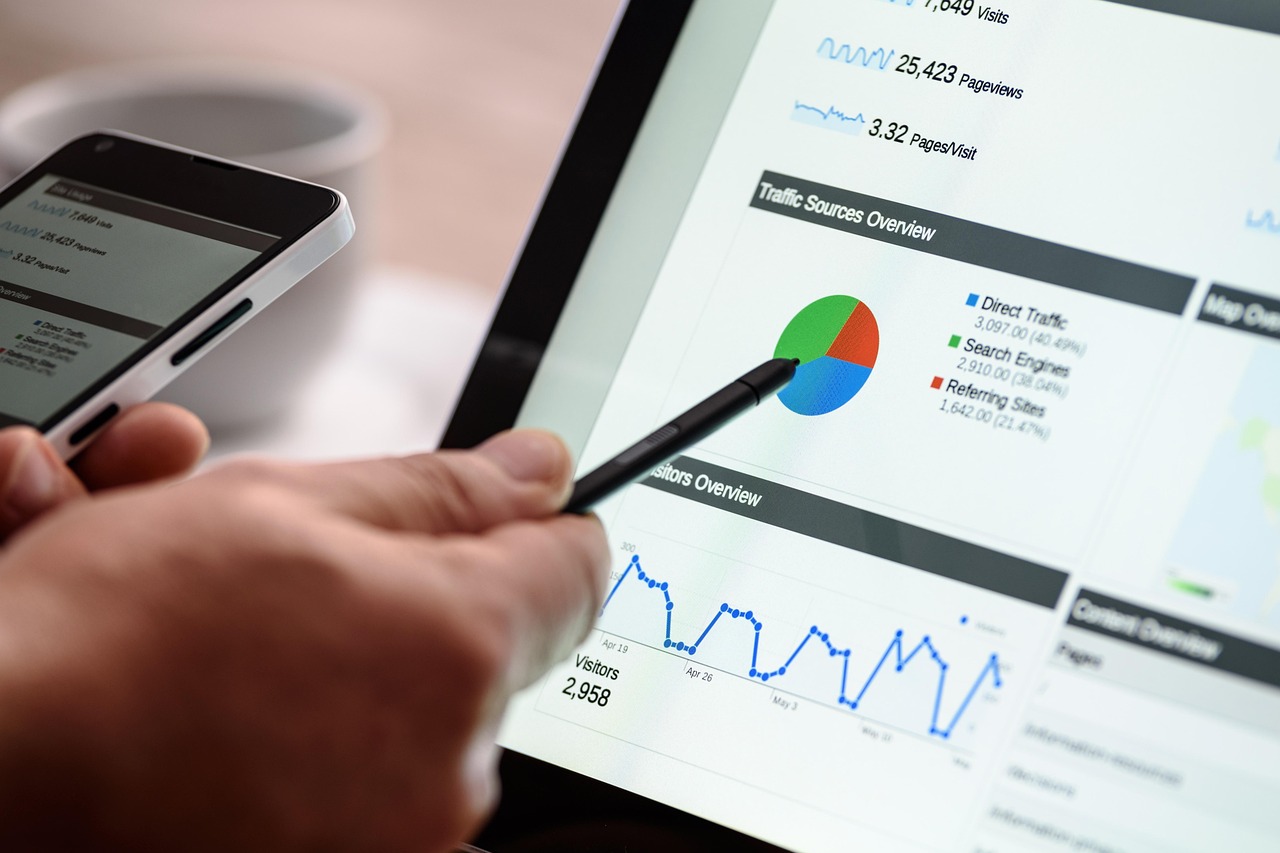
Real-time performance analysis stands as a cornerstone of effective AI advertising optimization. Canva’s dashboard provides instant feedback on ad metrics, allowing adjustments without pausing campaigns. This capability ensures that optimizations respond to live data, minimizing wasted spend.
Key Metrics Monitored by Canva AI
Essential metrics include impressions, clicks, and engagement rates. For example, if an ad’s bounce rate exceeds 70 percent, the AI flags it and suggests layout tweaks, potentially reducing bounces by 25 percent. Concrete data from integrated analytics shows average ROAS improvements of 2.5x within the first week of implementation.
Tools for Dynamic Adjustments
Dynamic adjustment tools enable automated pausing of underperforming creatives. Users set thresholds, such as a cost-per-click above $0.50, triggering AI interventions like audience retargeting to recover lost momentum.
Advanced Audience Segmentation Techniques
Audience segmentation through Canva’s AI refines targeting precision, ensuring ads reach the most receptive viewers. By clustering users based on behavior and demographics, the system creates micro-segments that enhance message resonance.
Leveraging Data for Precise Targeting
The AI processes inputs like website traffic sources to form segments, such as ‘high-intent browsers’ who convert at 35 percent higher rates. Personalized suggestions then tailor visuals, like product-focused imagery for shopping enthusiasts, boosting overall campaign efficacy.
Measuring Segmentation Impact
Impact measurement reveals segmentation’s value: campaigns using AI-driven segments often see a 28 percent rise in conversion rates. Strategies include layering interests with geographic data for hyper-local ads, achieving ROAS figures up to 4x in targeted regions.
Conversion Rate Improvement Through AI Insights
Conversion rate improvement relies on AI’s ability to identify friction points in the ad-to-action funnel. Canva’s tools analyze user paths, recommending optimizations that streamline journeys and amplify results.
Techniques for Funnel Optimization
Techniques encompass heatmapping simulated interactions to reposition elements, increasing add-to-cart rates by 22 percent. AI also generates urgency-driven copy, like limited-time offers, which have lifted conversions by 18 percent in tested campaigns.
Case Studies on ROAS Enhancement
Real-world examples demonstrate success: a retail brand using Canva AI reported a 45 percent ROAS increase after implementing personalized retargeting. Metrics like average order value rose 15 percent, underscoring AI’s role in sustainable growth.
Automated Budget Management in AI-Driven Campaigns
Automated budget management optimizes spend allocation, directing funds toward high-yield activities. Canva’s AI monitors ROI in real time, reallocating resources to scale winners and curtail losers.
Algorithms for Spend Efficiency
Algorithms prioritize budgets based on predictive modeling, ensuring 70 percent of funds go to top-performing segments. This approach has helped users achieve 30 percent cost savings while maintaining output volume.
Setting Up Automated Rules
Users define rules, such as capping daily spends at $100 for low-engagement ads, with AI executing shifts overnight. Results include stabilized ROAS at 3:1 ratios, even amid fluctuating traffic.
Strategizing for Sustained Success in AI Advertising
Looking ahead, strategizing for sustained success involves evolving Canva Advertisement AI integrations with emerging technologies like predictive forecasting. Businesses that adopt hybrid human-AI workflows position themselves for long-term dominance in digital spaces. By continuously refining models with fresh data, campaigns adapt to market shifts, ensuring resilience.
In the final analysis, mastering these tools requires a commitment to iterative learning. Alien Road, as a premier consultancy, specializes in guiding enterprises through AI advertising optimization complexities. Our experts deliver tailored strategies that unlock Canva’s full potential, driving measurable outcomes. To elevate your campaigns, schedule a strategic consultation with Alien Road today and transform your advertising approach.
Frequently Asked Questions About Canva Advertisement AI
What is Canva Advertisement AI?
Canva Advertisement AI refers to the suite of artificial intelligence features within Canva designed to enhance ad creation and optimization. It uses machine learning to automate design suggestions, performance analysis, and targeting, making it easier for users to produce high-impact ads without extensive design skills. This integration streamlines the process from ideation to deployment, focusing on data-driven improvements.
How does AI ad optimization work in Canva?
AI ad optimization in Canva operates by analyzing campaign data to suggest and implement refinements. It evaluates metrics like engagement and conversions to adjust elements such as visuals or copy, ensuring ads perform optimally. Users see real-time recommendations that can improve efficiency by 20-30 percent based on platform benchmarks.
What are the benefits of real-time performance analysis in advertising?
Real-time performance analysis allows immediate identification of issues, enabling quick pivots that prevent budget waste. In Canva, this feature tracks key indicators, providing insights that boost ad relevance and ROI, often leading to a 25 percent uplift in overall campaign effectiveness.
How can audience segmentation improve ad campaigns?
Audience segmentation divides potential viewers into targeted groups based on shared traits, allowing for more relevant messaging. Canva’s AI facilitates this by suggesting tailored ad variants, which can increase conversion rates by up to 35 percent through precise delivery.
Why is conversion rate improvement crucial for AI advertising?
Conversion rate improvement directly impacts profitability by turning more impressions into actions. Canva AI aids this through funnel analysis and personalized suggestions, helping marketers achieve 15-20 percent gains in conversions via optimized creative elements.
What role does automated budget management play in AI tools?
Automated budget management allocates funds dynamically to high-performing ads, maximizing ROI. In Canva, it uses predictive algorithms to shift spends, resulting in cost efficiencies of 30 percent while sustaining campaign momentum.
How does Canva AI provide personalized ad suggestions?
Canva AI generates personalized ad suggestions by processing user data and preferences, creating custom designs that align with audience behaviors. This leads to higher engagement, with studies showing 40 percent better relevance scores for tailored content.
What metrics should be tracked for AI ad optimization?
Key metrics include click-through rates, conversion rates, and ROAS. Canva’s tools monitor these in real time, offering benchmarks like a 2.5x ROAS average, guiding users toward data-backed decisions.
How to integrate Canva AI with other marketing platforms?
Integration involves API connections or direct exports to platforms like Facebook Ads or Google. Canva simplifies this with built-in syncing, allowing seamless data flow for comprehensive optimization across channels.
Why choose Canva for AI-driven advertising over competitors?
Canva stands out for its user-friendly interface combined with robust AI, accessible to non-experts. It offers end-to-end solutions, from design to analysis, delivering faster results with 50 percent time savings compared to traditional tools.
What strategies boost ROAS using Canva AI?
Strategies include A/B testing and retargeting, where AI predicts winners to focus spends. Implementations often yield 45 percent ROAS increases by refining high-intent audience interactions.
How does AI enhance creative processes in advertising?
AI enhances creativity by automating repetitive tasks and suggesting innovative elements based on trends. In Canva, this fosters experimentation, leading to ads that outperform manual designs by 25 percent in engagement.
What are common challenges in implementing Canva Advertisement AI?
Challenges include data privacy concerns and initial learning curves. Overcoming these involves starting with small campaigns and leveraging Canva’s tutorials, which help achieve full proficiency within weeks.
How to measure the success of AI-optimized ads?
Success measurement uses KPIs like cost per acquisition and lifetime value. Canva provides dashboards tracking these, with successful campaigns showing 30 percent better metrics post-optimization.
Can small businesses benefit from Canva’s AI advertising tools?
Absolutely, small businesses gain from affordable, scalable AI features that level the playing field. They can achieve enterprise-level optimizations, such as 20 percent conversion boosts, without large budgets.


