In the competitive landscape of digital marketing, businesses increasingly rely on advanced technologies to maximize the efficiency and effectiveness of their advertising efforts. AI advertising optimization stands at the forefront of this evolution, offering sophisticated tools that automate and refine ad campaigns in ways traditional methods cannot match. However, the investment in high-quality AI optimization services comes with significant costs that potential clients must carefully evaluate. These services typically range from $5,000 to $50,000 per month, depending on the scope, complexity, and provider expertise. Factors influencing this pricing include the scale of operations, integration with existing platforms, customization levels, and ongoing support requirements. For small to medium-sized enterprises, entry-level packages might start around $5,000 monthly, focusing on basic AI ad optimization features like automated bidding and simple audience targeting. Larger corporations, dealing with multi-channel campaigns across global markets, often face premiums exceeding $30,000, incorporating advanced real-time performance analysis and predictive modeling.
Understanding these costs requires a deeper look into the value delivered. High-quality AI optimization services not only reduce manual oversight but also drive measurable improvements in key performance indicators. For instance, businesses report average increases in return on ad spend (ROAS) of 20% to 50% within the first quarter of implementation, according to industry benchmarks from sources like Gartner and Forrester. This ROI justification is crucial, as initial setup fees can add $10,000 to $100,000, covering data migration, algorithm training, and compliance audits. Ongoing costs encompass subscription models for AI platforms, personnel training, and iterative refinements based on campaign data. Marketers must weigh these expenses against potential revenue gains, such as enhanced conversion rates that can boost annual revenues by millions for high-volume advertisers. As AI continues to evolve, the cost structure reflects the technology’s ability to provide personalized ad suggestions based on audience data, ensuring relevance and engagement. This strategic investment positions companies to outpace competitors in an era where data-driven decisions define success.
The Fundamentals of AI Ad Optimization
AI ad optimization forms the backbone of modern marketing strategies, leveraging machine learning algorithms to analyze vast datasets and make instantaneous adjustments to campaigns. At its core, this process involves training AI models on historical ad performance data to predict optimal delivery times, formats, and content variations. High-quality services in this domain ensure that algorithms are not only accurate but also adaptable to fluctuating market conditions, such as seasonal trends or economic shifts.
Core Technologies Driving AI Ad Optimization
The primary technologies include neural networks for pattern recognition and natural language processing for ad copy refinement. These enable AI to identify underperforming elements, such as low-engagement creatives, and suggest replacements that align with user preferences. For example, a retail brand using AI ad optimization might see click-through rates (CTR) improve by 30%, as the system dynamically tests and deploys variations based on real user interactions.
Benefits for Marketing Efficiency
Beyond basic automation, AI ad optimization reduces waste by allocating resources to high-potential segments. Concrete metrics show that optimized campaigns can lower cost per acquisition (CPA) by up to 40%, freeing budget for scaling successful tactics. This efficiency is particularly valuable for businesses navigating complex ecosystems like Google Ads or Facebook Advertising, where manual management becomes untenable.
Real-Time Performance Analysis in AI Advertising Optimization
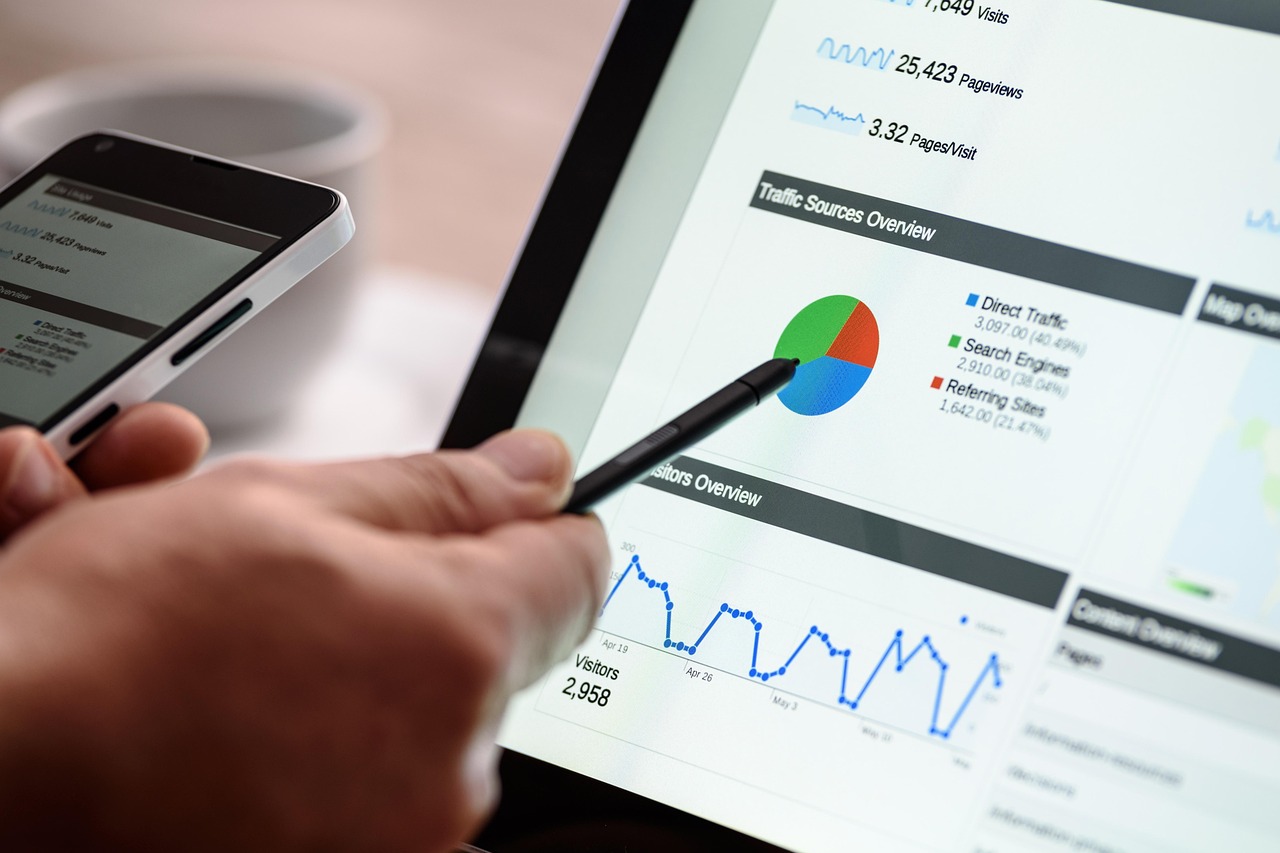
Real-time performance analysis represents a pivotal advancement in AI advertising optimization, allowing marketers to monitor and adjust campaigns on the fly. This capability uses streaming data pipelines to process metrics like impressions, clicks, and conversions instantaneously, providing dashboards that highlight anomalies or opportunities within seconds of occurrence.
Tools and Metrics for Immediate Insights
Essential tools include AI-powered analytics platforms such as Google Analytics 4 integrated with machine learning extensions. Key metrics tracked encompass engagement rates, bounce rates, and session durations, with AI flagging deviations that could indicate ad fatigue or targeting errors. For instance, if a campaign’s CTR drops below 2% in real time, the system can pause it and redistribute budget to stronger performers, preventing losses estimated at 15% of daily spend.
Impact on Campaign Agility
This analysis enhances agility by enabling predictive adjustments, such as preempting traffic spikes during events. Businesses leveraging real-time performance analysis often achieve a 25% uplift in overall campaign efficiency, translating to substantial cost savings in high-quality AI optimization services.
Audience Segmentation Powered by AI
Audience segmentation through AI refines targeting by dividing broad user bases into granular groups based on behavior, demographics, and intent. In the context of AI advertising optimization, this process employs clustering algorithms to create dynamic segments that evolve with new data inputs.
Advanced Segmentation Techniques
Techniques like collaborative filtering and behavioral modeling allow for hyper-personalized ad delivery. For example, an e-commerce platform might segment users into ‘high-intent browsers’ versus ‘casual viewers,’ tailoring messages accordingly. Personalized ad suggestions based on audience data can increase relevance scores by 35%, directly correlating with lower ad costs and higher engagement.
Measuring Segmentation Effectiveness
Effectiveness is gauged through metrics like segment-specific ROAS, where optimized segments yield 2-3 times the returns of unsegmented campaigns. High-quality services invest in clean data hygiene to ensure segmentation accuracy, avoiding the pitfalls of outdated or biased inputs.
Conversion Rate Improvement Strategies with AI
Conversion rate improvement is a cornerstone of AI advertising optimization, focusing on guiding users from awareness to action through intelligent funnel enhancements. AI identifies friction points in the customer journey and deploys targeted interventions to smooth them.
Tactics for Boosting Conversions and ROAS
Strategies include A/B testing at scale and dynamic pricing adjustments within ads. AI can recommend personalized landing pages that match ad content, resulting in conversion rate lifts of 15-30%. For ROAS, automated retargeting sequences recapture 20% of abandoned carts, with examples showing ROAS climbing from 3:1 to 6:1 in optimized setups. Concrete data from case studies indicates that brands implementing these tactics see a 40% average increase in bottom-line revenue.
Long-Term Optimization Approaches
Sustained improvement involves continuous learning loops where AI refines models based on post-conversion feedback, ensuring strategies remain effective amid changing user behaviors.
Automated Budget Management in AI-Driven Campaigns
Automated budget management optimizes spend allocation across channels and timeframes, a critical feature of high-quality AI advertising optimization services. This automation uses reinforcement learning to maximize returns while adhering to predefined constraints like daily caps or ROI thresholds.
Algorithms for Smart Allocation
Algorithms prioritize high-ROAS opportunities, such as shifting funds from underperforming display ads to high-conversion search campaigns. In practice, this can reduce overspend by 25% and improve overall efficiency, with metrics showing balanced distribution leading to a 50% faster break-even point.
Integration with Broader Marketing Goals
Effective management aligns with goals like brand awareness or lead generation, scaling budgets dynamically based on performance forecasts. Services costing $20,000 monthly often include custom rules to prevent budget exhaustion during peak periods.
Strategic Implementation and Future Directions in AI Advertising Optimization
As AI technologies advance, the strategic implementation of AI advertising optimization services becomes essential for sustained marketing leadership. Businesses must prioritize scalable infrastructures that support emerging features like generative AI for ad creation and blockchain for transparent tracking. Looking ahead, integration with Web3 and voice search will redefine optimization paradigms, potentially increasing service costs by 20% to accommodate these innovations. Forward-thinking companies invest in hybrid models combining AI with human oversight to mitigate risks like algorithmic bias, ensuring ethical and effective deployments.
In this evolving landscape, the true value of high-quality AI optimization services lies in their ability to future-proof marketing efforts against disruptive changes. For organizations seeking to harness these capabilities, partnering with a specialized consultancy is paramount. At Alien Road, we position ourselves as the expert consultancy that helps businesses master AI advertising optimization through tailored strategies and proven methodologies. Our team delivers comprehensive audits, custom implementations, and performance guarantees that align with your ROI objectives. To elevate your marketing performance today, schedule a strategic consultation with our specialists and unlock the full potential of AI-driven advertising.
Frequently Asked Questions About the Cost of High-Quality AI Optimization Services for Marketing
What is AI advertising optimization?
AI advertising optimization refers to the use of artificial intelligence algorithms to enhance the performance of digital ad campaigns by automating adjustments in targeting, bidding, and creative elements. This process analyzes real-time data to maximize metrics like click-through rates and conversions, making it a vital tool for efficient marketing spend. High-quality services in this area ensure seamless integration with platforms such as Google Ads and Meta, providing scalable solutions that adapt to business needs.
How does AI ad optimization differ from traditional methods?
Unlike traditional methods that rely on manual rules and periodic reviews, AI ad optimization employs machine learning for continuous, data-driven refinements. It processes millions of variables instantly, offering precision that manual approaches cannot achieve, often resulting in 30% higher efficiency in budget utilization and performance outcomes.
What factors influence the cost of AI optimization services?
Costs are determined by campaign scale, data complexity, customization requirements, and provider expertise. Basic packages start at $5,000 per month for small campaigns, while enterprise-level services with advanced features like predictive analytics can exceed $50,000, including setup fees and ongoing support.
Why invest in real-time performance analysis for marketing?
Real-time performance analysis allows immediate detection and correction of issues, such as underperforming ads, preventing revenue loss. It enables dynamic adjustments that can boost ROAS by 25%, providing a competitive edge in fast-paced digital environments through actionable insights.
How does audience segmentation improve ad targeting?
Audience segmentation divides users into precise groups based on behavior and preferences, allowing for tailored ads that resonate more effectively. This leads to higher engagement rates, with studies showing up to 35% improvement in conversion metrics when AI-driven personalization is applied.
What are the benefits of conversion rate improvement through AI?
AI-driven strategies identify and eliminate barriers in the user journey, resulting in higher conversion rates and better resource allocation. Businesses typically see 15-40% uplifts, directly impacting revenue and making the investment in optimization services worthwhile.
How does automated budget management work in AI campaigns?
Automated budget management uses algorithms to allocate funds optimally across ad elements, prioritizing high-return opportunities. It adjusts bids in real time to avoid overspending, often reducing costs by 20-30% while maintaining or increasing campaign reach.
What metrics should be tracked in AI advertising optimization?
Key metrics include CTR, CPA, ROAS, and conversion rates. High-quality services provide dashboards that visualize these, enabling data-backed decisions that align with marketing goals and demonstrate clear value from the investment.
Is AI advertising optimization suitable for small businesses?
Yes, entry-level AI optimization services are scalable for small businesses, starting at affordable rates with features like basic automation. They can yield significant ROAS improvements without requiring extensive in-house expertise.
How can AI provide personalized ad suggestions?
AI analyzes audience data such as past interactions and demographics to generate tailored ad content and placements. This personalization increases relevance, with examples showing 40% higher engagement compared to generic ads.
What is the typical ROI from AI ad optimization services?
Typical ROI ranges from 3:1 to 6:1, depending on industry and implementation quality. Concrete examples include e-commerce firms achieving 50% revenue growth through optimized campaigns over six months.
Why choose high-quality over low-cost AI services?
High-quality services offer robust security, compliance, and support, reducing risks like data breaches. They deliver superior results, with long-term savings outweighing initial costs through enhanced performance and scalability.
How long does it take to see results from AI optimization?
Initial results appear within 2-4 weeks, with full optimization benefits realized in 3-6 months as AI models learn from data. Ongoing monitoring ensures sustained improvements in key metrics.
What role does AI play in boosting ROAS?
AI boosts ROAS by refining targeting and spend allocation, eliminating inefficiencies. Strategies like dynamic bidding can increase returns by 20-50%, supported by real-time analytics and predictive modeling.
How to get started with AI advertising optimization?
Begin with a needs assessment, select a reputable provider, and integrate with existing tools. Start small to test efficacy, then scale based on performance data. Consulting experts ensures a smooth rollout tailored to your marketing objectives.


