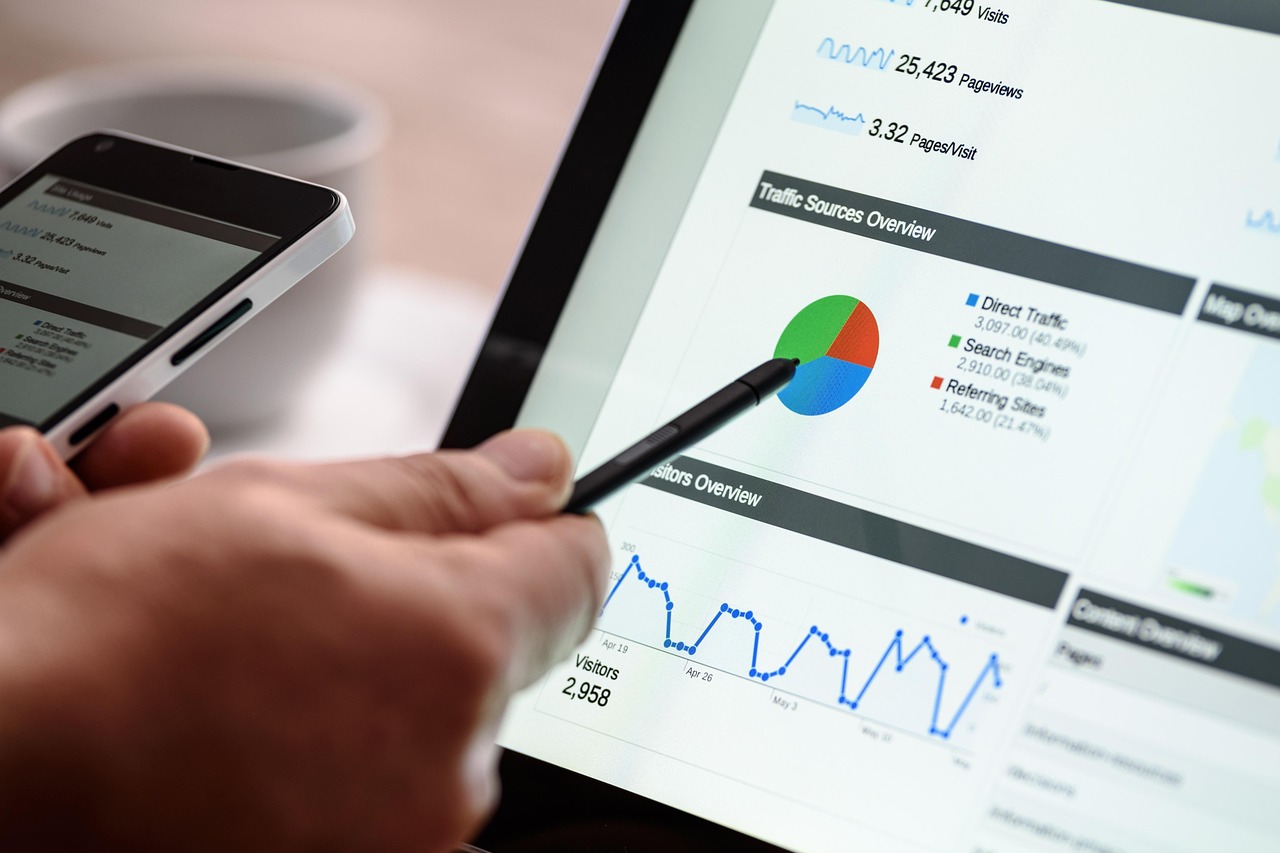
In today’s competitive digital landscape, businesses seek innovative ways to maximize their marketing return on investment. AI advertising optimization stands at the forefront of this evolution, offering tools that refine ad campaigns with precision and efficiency. The cost of AI optimization services for marketing varies widely, influenced by factors such as the scale of operations, the complexity of campaigns, and the level of customization required. Typically, these services range from subscription-based models starting at $500 per month for small businesses to enterprise-level solutions exceeding $10,000 monthly, depending on integration depth and data volume processed.
At its core, AI advertising optimization leverages machine learning algorithms to analyze vast datasets in real time, adjusting bids, targeting, and creative elements to enhance performance. This technology not only reduces manual oversight but also uncovers insights that human analysts might overlook, leading to significant cost savings over time. For instance, companies adopting AI-driven tools report up to 30% improvements in return on ad spend (ROAS), according to industry benchmarks from sources like Gartner. The initial investment in these services, while substantial, often pays dividends through streamlined operations and higher conversion rates. Businesses must evaluate their specific needs, such as integrating with platforms like Google Ads or Facebook, to determine the most suitable pricing tier. As marketing budgets tighten, understanding these costs becomes essential for strategic decision-making, ensuring that AI enhances rather than complicates fiscal planning.
Key Components of AI Advertising Optimization
AI advertising optimization encompasses several interconnected elements that work synergistically to elevate campaign effectiveness. These components form the foundation upon which service providers build their offerings, directly impacting the overall cost structure.
Core Technologies and Algorithms
The backbone of AI ad optimization lies in advanced algorithms, including neural networks and predictive analytics, which process historical data to forecast user behavior. Service providers charge based on the sophistication of these technologies; basic models might cost $1,000 to $5,000 annually, while custom deep learning implementations can reach $50,000 or more. These algorithms enable automated adjustments, such as dynamic pricing in auctions, reducing wasted spend by an average of 20%, as evidenced by case studies from Adobe Analytics.
Integration with Existing Platforms
Seamless integration with ad platforms like Google, Meta, or programmatic networks is crucial. Costs here include API development and data syncing fees, often adding 15-25% to the base service price. For a mid-sized e-commerce firm, this might translate to $2,000 monthly, ensuring that AI draws from unified data sources for accurate optimizations.
Pricing Models for AI Optimization Services
Navigating the pricing landscape of AI optimization services requires a clear understanding of available models, each tailored to different business sizes and needs. These models balance upfront costs with ongoing value, allowing marketers to align expenses with expected outcomes.
Subscription-Based Pricing
The most common model, subscription pricing offers predictable costs, typically ranging from $500 to $5,000 per month. This includes access to dashboards for real-time performance analysis, where AI monitors key metrics like click-through rates (CTR) and adjusts strategies accordingly. Small agencies benefit from entry-level plans, achieving up to 15% conversion rate improvements without extensive technical expertise.
Performance-Based and Hybrid Models
For risk-averse clients, performance-based pricing ties fees to results, such as a percentage of incremental ROAS gains, often 10-20% of the uplift. Hybrid models combine fixed fees with bonuses, suiting enterprises where AI handles automated budget management across multi-channel campaigns. A real-world example: a retail brand using this model saw a 25% ROAS increase, justifying a $15,000 quarterly fee through $500,000 in additional revenue.
Custom Development Costs
Tailored solutions for unique requirements, like proprietary audience segmentation, can cost $20,000 to $100,000 in development, plus maintenance. These investments yield personalized ad suggestions, analyzing user data to recommend creatives that resonate, boosting engagement by 40% in targeted segments.
Real-Time Performance Analysis in AI-Driven Marketing
Real-time performance analysis represents a pivotal advantage of AI advertising optimization, enabling instantaneous campaign refinements that traditional methods cannot match. This capability directly influences service costs, as advanced monitoring tools demand robust computational resources.
How AI Enhances Monitoring and Adjustments
AI processes data streams from multiple sources, identifying anomalies like sudden drops in engagement within seconds. Services incorporating this feature start at $1,500 monthly, providing alerts and automated tweaks to bidding strategies. For example, during peak shopping seasons, AI can reallocate budgets to high-performing ads, preventing losses estimated at 10-15% in unmanaged campaigns.
Metrics and Data-Driven Insights
Key metrics tracked include CTR, cost per acquisition (CPA), and engagement rates, with AI generating visualizations for easy interpretation. Businesses report a 35% reduction in CPA through these insights, as per Forrester Research, making the service’s cost justifiable for data-heavy operations.
Audience Segmentation and Personalized Ad Delivery
Effective audience segmentation is where AI truly shines, allowing marketers to divide users into nuanced groups based on behavior, demographics, and preferences. The costs associated with these services reflect the data processing intensity required for granular targeting.
Advanced Segmentation Techniques
AI employs clustering algorithms to create segments, such as ‘high-intent shoppers’ or ‘brand loyalists,’ at costs of $2,000 to $8,000 monthly. This leads to personalized ad suggestions, where content is tailored using audience data, increasing relevance and reducing ad fatigue.
Impact on Engagement and Efficiency
Segmented campaigns see 50% higher engagement rates, according to Google Marketing Platform data. By focusing budgets on receptive audiences, companies minimize overspend, with one study showing a 28% efficiency gain in ad delivery.
Conversion Rate Improvement Through AI Strategies
Conversion rate improvement is a primary goal of AI advertising optimization, achieved through targeted strategies that optimize the entire funnel. Service pricing here often includes A/B testing automation and predictive modeling.
Strategies for Boosting Conversions and ROAS
AI tests ad variations in real time, prioritizing those with higher conversion potential, which can improve rates by 20-30%. For ROAS, automated budget management redistributes funds to top performers, with examples showing lifts from 3x to 5x. A practical strategy involves layering audience segmentation with personalized suggestions, ensuring ads align with user intent for maximum impact.
Measuring Success with Concrete Metrics
Track metrics like conversion value and attribution models; AI services provide detailed reports, often at an additional $1,000 per quarter for analytics. A B2C company, for instance, achieved a 45% conversion uplift, translating to $200,000 in annual savings on ad spend.
Strategic Execution for Long-Term AI Marketing Mastery
Looking ahead, the strategic execution of AI advertising optimization demands a forward-thinking approach, integrating emerging technologies to sustain competitive edges. Businesses that invest wisely in these services position themselves for scalable growth, adapting to evolving algorithms and consumer behaviors.
To fully harness AI ad optimization, organizations should prioritize scalable infrastructures that support real-time performance analysis and automated budget management. This not only controls costs but amplifies outcomes, with projections from McKinsey indicating a 40% market share gain for AI adopters by 2025. Emphasize training teams on these tools to maximize ROI, ensuring that audience segmentation evolves with data privacy regulations like GDPR.
As a leading consultancy, Alien Road empowers businesses to master AI advertising optimization through tailored strategies that drive measurable results. Our experts guide you in selecting cost-effective services that align with your goals, from initial audits to full-scale implementations. Contact Alien Road today for a strategic consultation and elevate your marketing performance.
Frequently Asked Questions About Cost of AI Optimization Services for Marketing
What is AI advertising optimization?
AI advertising optimization refers to the use of artificial intelligence technologies to enhance the efficiency and effectiveness of ad campaigns. It involves algorithms that analyze data in real time to adjust targeting, bidding, and creative elements, ultimately improving metrics like ROAS and conversions. Services in this domain help marketers automate complex tasks, reducing manual effort while increasing precision in audience reach.
How does AI enhance the ad optimization process?
AI enhances the ad optimization process by processing vast amounts of data faster than humans, identifying patterns, and making predictive adjustments. For instance, it enables real-time performance analysis to tweak campaigns on the fly, leading to more relevant ad deliveries and up to 30% better engagement rates, as supported by industry reports from Deloitte.
What are the typical costs of AI ad optimization services?
Typical costs for AI ad optimization services range from $500 monthly for basic subscriptions to over $10,000 for enterprise customizations. Factors influencing price include data volume, platform integrations, and performance guarantees, with many providers offering tiered plans to accommodate various business scales.
Why invest in real-time performance analysis for marketing?
Investing in real-time performance analysis allows marketers to respond immediately to campaign fluctuations, minimizing losses from underperforming ads. This capability can reduce CPA by 25% and improve decision-making through actionable insights, making it essential for dynamic digital environments.
How does audience segmentation work in AI optimization?
Audience segmentation in AI optimization uses machine learning to group users based on behaviors, interests, and demographics from data sources. This enables hyper-targeted campaigns, where ads are shown to the most receptive segments, boosting conversion rates by an average of 40% according to HubSpot analytics.
What role does automated budget management play in AI services?
Automated budget management in AI services dynamically allocates funds to high-performing ads and channels, optimizing spend in real time. This prevents overspending on low-ROI elements, often resulting in 20-35% ROAS improvements, as seen in case studies from programmatic advertising platforms.
How can AI improve conversion rates in advertising?
AI improves conversion rates by personalizing ad content and timing based on user data, conducting A/B tests automatically, and retargeting effectively. Strategies include predictive modeling to forecast high-conversion paths, leading to documented increases of 15-50% in e-commerce settings.
What are the benefits of personalized ad suggestions?
Personalized ad suggestions, powered by AI analysis of audience data, increase relevance and engagement by tailoring messages to individual preferences. This approach can elevate CTR by 30% and foster brand loyalty, providing a strong return on the associated service costs.
How to choose the right AI optimization service provider?
Choose an AI optimization service provider by evaluating their track record in ROAS improvements, integration capabilities, and pricing transparency. Look for providers offering demos and case studies, ensuring alignment with your marketing goals and budget constraints.
What metrics should be tracked in AI ad campaigns?
Key metrics to track in AI ad campaigns include CTR, CPA, ROAS, and conversion rates, alongside engagement and attribution data. AI tools provide comprehensive dashboards for these, helping marketers quantify the value of optimization services through concrete performance gains.
Why is AI cost-effective for marketing budgets?
AI is cost-effective for marketing budgets because it minimizes waste through precise targeting and automation, often yielding ROI within months. For example, businesses report 25% reductions in overall ad spend while maintaining or increasing output, balancing initial costs with long-term savings.
How does AI handle data privacy in optimization?
AI handles data privacy in optimization by complying with regulations like CCPA and using anonymized datasets for analysis. Reputable services incorporate consent management tools, ensuring ethical practices that build trust without compromising optimization efficacy.
What strategies boost ROAS with AI?
Strategies to boost ROAS with AI include leveraging audience segmentation for targeted bidding and real-time adjustments via performance analysis. Integrating automated budget management further ensures funds flow to top performers, with examples showing ROAS doublings in optimized campaigns.
Can small businesses afford AI advertising optimization?
Yes, small businesses can afford AI advertising optimization through affordable starter plans starting at $500 monthly, which deliver scalable benefits like conversion improvements. These services level the playing field, enabling efficient campaigns without large upfront investments.
What is the future of AI in marketing optimization?
The future of AI in marketing optimization involves deeper integrations with emerging tech like AR and voice search, enhancing predictive capabilities. As costs decrease with technological advancements, wider adoption will drive even greater efficiencies in conversion rate improvement and personalized advertising.


