
La plupart des équipes qui viennent nous voir au sujet du ROI Naver Ads arrivent avec le même symptôme. Le budget sort chaque mois, le marché coréen semble occupé, et personne ne peut tracer une ligne droite d’une unité de dépense à une unité de revenu. Ce n’est presque jamais un échec d’enchères. C’est un écart de mesure commençant dans la structure du compte et se terminant dans un tableau de bord auquel personne ne croit vraiment. Le comportement de recherche coréen se situe à l’intérieur d’un portail où les résultats, le shopping, les blogs, les forums communautaires et les cartes vivent dans un seul produit, et cela change l’endroit où un clic porte de la valeur.
La conséquence est qu’un clic en Corée ne se comporte pas comme un clic sur un moteur de recherche occidental. Les gens se déplacent sur plusieurs surfaces du portail en une seule session, lisent le contenu généré par les utilisateurs avant de s’engager, et traitent la présence de marque visible comme un signal de confiance. Si le suivi suppose un chemin ordonné du clic au panier, les rapports sous-évalueront les campagnes qui construisent la considération et surévalueront tout ce qui capte le dernier clic. Nous réparons cela en premier, avant de toucher à une enchère.

Pourquoi le ROI Naver Ads a besoin de son propre modèle de mesure
Copier un modèle de rapport occidental en Corée est le moyen le plus rapide d’arriver à une conclusion erronée avec confiance. Les surfaces sont différentes, l’ensemble concurrentiel est différent, et le contenu situé entre une requête et un achat est différent. Une surface de shopping, une réponse communautaire et une présence de marque alimentent toutes une décision, mais elles ne produisent pas toutes une session se terminant par un paiement ce jour-là, c’est pourquoi le ROI Naver Ads est défini par surface.
Nous écrivons donc ce que chaque surface est censée faire avant d’y dépenser quoi que ce soit. Certaines campagnes capturent la demande qui existe déjà et devraient être jugées sur le revenu par unité de dépense dans une fenêtre courte. D’autres existent pour être présentes là où la recherche se produit et devraient être jugées sur le volume assisté et la croissance des requêtes de marque. Lorsque les deux emplois sont notés avec une seule métrique, le compte dérive vers ce qui est le plus facile à mesurer, généralement la recherche de marque, et la croissance s’arrête tranquillement.
Commencez par la carte du compte, pas par l’enchère
Avant d’optimiser quoi que ce soit, nous reconstruisons la carte du compte : chaque campagne, ce qu’elle cible, sur quelle surface elle apparaît, vers quelle page elle envoie du trafic, et avec quelle action de conversion elle est créditée. Dans les comptes hérités, cet exercice seul explique généralement la moitié du problème de performance. Les campagnes se chevauchent, deux rivalisent pour le même ensemble de requêtes, et une troisième pointe vers une page remplacée lors d’une migration de site il y a dix-huit mois.
Nous vérifions ensuite que les actions de conversion sont réelles. Une vue de formulaire n’est pas un prospect. Un ajout au panier n’est pas un revenu. Un clic téléphonique sans durée d’appel est une supposition. Nettoyer cela réduit les conversions signalées dans le premier rapport, ce qui est inconfortable, et rend chaque décision ultérieure défendable.
Ce que nous vérifions avant de changer quoi que ce soit
- Si le suivi se déclenche sur le site en langue coréenne de la même manière que sur le site international, y compris sur les navigateurs mobiles localement dominants.
- Si la valeur de revenu renvoyée est nette ou brute, et si les retours sont jamais soustraits.
- Si la devise est enregistrée de manière cohérente, afin que rien ne soit silencieusement converti deux fois entre le compte publicitaire, l’outil d’analyse et l’exportation financière.
- Quelles campagnes sont de la pure défense de marque, afin qu’elles puissent être signalées séparément au lieu de flatter le chiffre mélangé.
- Si les pages de destination sont réellement localisées ou traduites par machine, car une page médiocre plafonne le rendement, quelle que soit la qualité du ciblage.
Les chiffres qui appartiennent au premier rapport
Nous gardons la partie supérieure courte : dépenses, revenus, rendement sur les dépenses, coût par prospect qualifié et volume de requêtes de marque au fil du temps. En dessous, nous séparons la marque de la non-marque et la capture de la demande de la création de demande. Cette séparation rend un compte coréen lisible, car elle empêche une campagne de marque forte de cacher six campagnes de prospection faibles dans une moyenne qui semble saine.
En dessous, nous rapportons ce qui fait bouger le chiffre plutôt que de le décrire : taux de conversion de la page de destination par page, taux de prospect à vente par groupe de campagne et le délai entre le clic et l’achat. Le délai compte plus ici que ce à quoi la plupart des équipes s’attendent. S’il dure trois semaines et que vous examinez chaque semaine, vous continuerez à désactiver des campagnes quinze jours avant qu’elles ne soient rentables.
Les créatifs et les pages de destination ont plus de poids que les enchères
Une fois que la mesure est honnête, les plus grands gains ne sont pas dans l’enchère. Ils sont dans la page. Les utilisateurs coréens attendent des pages denses et riches en preuves : logique de prix claire, détails de livraison et de service, informations de contact locales et preuve sociale qui se lit comme si un client coréen l’avait écrite. Une page traduite pour un public européen semble mince, et les pages minces perdent le visiteur au profit du portail, où un concurrent attend.
Nous traitons également la présence organique sur le portail comme faisant partie du même programme plutôt que comme un projet séparé, car elle fait bouger le ROI Naver Ads directement. Si le contenu de la communauté et du blog autour de votre catégorie est vide ou hostile, le trafic payant arrive, vérifie et repart. Combler cette lacune coûte moins cher que d’augmenter les enchères et cela continue de fonctionner après la pause de la campagne.
À quoi ressemble réellement l’amélioration du ROI Naver Ads
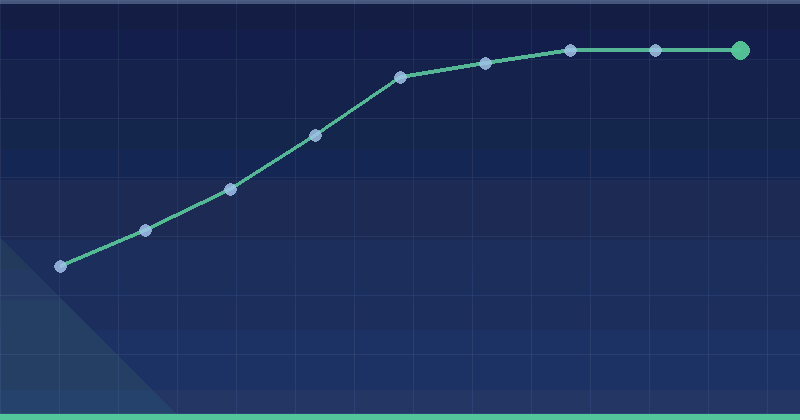
La courbe n’est pas lisse. Le premier mois montre généralement un chiffre pire que ce que le client avait auparavant, car les conversions signalées sont enfin réelles. Le deuxième mois est celui où le gaspillage structurel sort : ciblage dupliqué, pages cassées, campagnes créditées de conversions qu’elles n’ont jamais influencées. À partir du troisième mois, le compte se comporte de manière prévisible, et cette prévisibilité est ce qui vous permet de mettre à l’échelle le budget sans retenir votre souffle.
Nous exécutons une séquence fixe sur chaque compte coréen : audit et carte, réparer la mesure, séparer les emplois que chaque campagne fait, réparer les pages, puis optimiser l’enchère. Inverser cet ordre produit de l’activité plutôt que des résultats, et l’activité est ce qui rend le ROI Naver Ads impossible à prouver à la fin du trimestre.