


4
📈 Amazon Product Listing Optimization — Ultimate Guide
What is Amazon Product Listing Optimization?
Amazon product listing optimization is the process of improving every element of your product page to increase visibility in Amazon search results and improve conversions — meaning more visitors become buyers. It’s essentially Amazon SEO tailored for the A10 algorithm and Amazon’s unique shopping behavior.
Why it matters
- Amazon is both a marketplace and a search engine.
- Customers only buy what they find and trust.
- Optimized listings convert better and rank higher.
🧠 Key Elements of Optimization
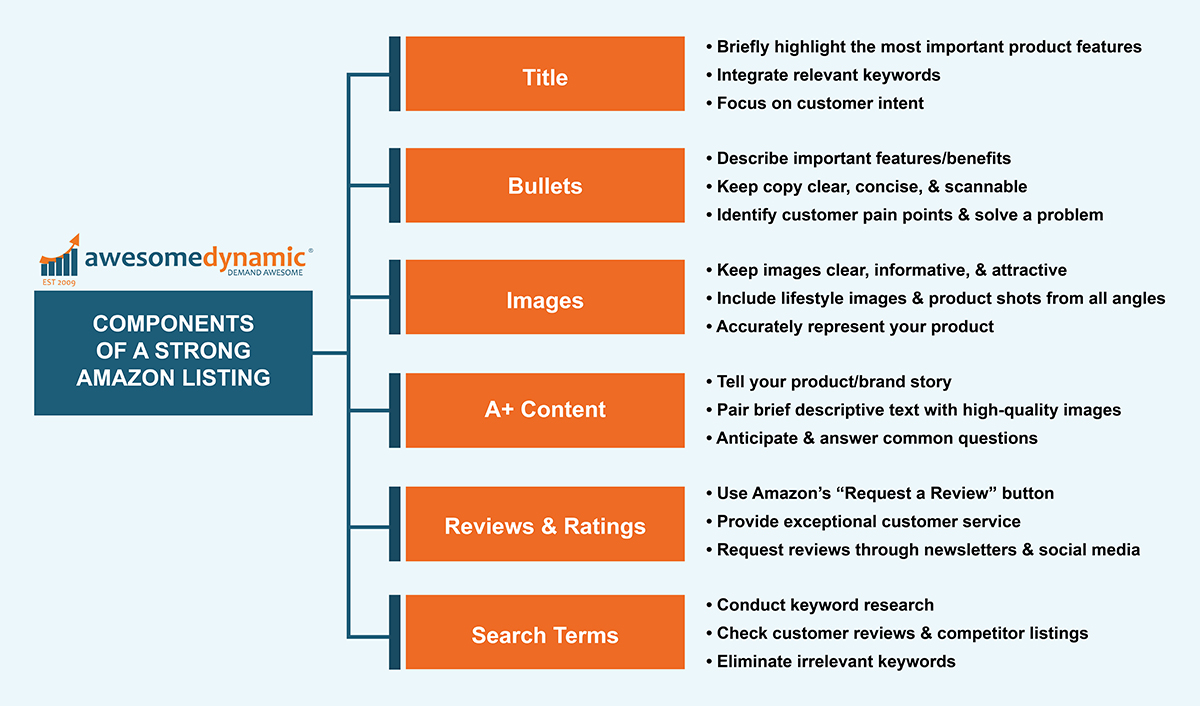
1) Product Title
- Include primary keyword at the start.
- Add brand, product type, key feature, size/color, and unique selling points.
- Stay within Amazon’s character limits (typically ~60–80 chars for best UX).
2) Bullet Points
Bullet points should:
✔ Highlight top benefits in short, scannable fragments
✔ Mention features logically (e.g., power → performance → benefit)
✔ Include variations of target keywords without keyword stuffing
3) Product Description & A+ Content
- Longer space for storytelling and persuasive descriptions.
- A+ Content (Brand Registry) allows formatted blocks, comparison charts, and visuals that boost conversion and reduce return rates.
4) Keywords & Backend Search Terms
Hidden search terms you add in Seller Central help Amazon index your product for more relevant queries — especially long-tail and synonyms.
5) Images & Videos
High-quality photos directly drive conversions:
- High resolution (min. 1000×1000)
- Lifestyle and infographics
- Multi-angle shots
- Product usage videos
Videos can increase engagement and clarity.
6) Reviews & Ratings
Reviews help organic rank and conversion:
- Fast early reviews help visibility
- Respond to negative reviews quickly
- Use Q&A insights to improve copy
🔍 Stage-by-Stage Checklist
| Stage | What to Do | Key Metric |
|---|---|---|
| Keyword Research | Find high-volume and long-tail keywords | Search impressions |
| Title Optimization | Add primary keyword first | CTR |
| Bullet Points | Benefits first + relevant keywords | Conversion rate |
| Backend Terms | Add synonyms & long-tail terms | Indexed keywords |
| Images | Use lifestyle shots & infographics | Engagement |
| Reviews | Encourage early quality reviews | Star rating |
🔧 Tips from Experts & Thought Leaders
Here are some real perspectives from industry pros:
“Your product title and bullets are your first sales pitch. Tell Amazon AND the shopper why your product is relevant and better.” — Amazon SEO consultant (industry consensus).
SEO expert Neil Patel emphasizes that title optimization matters — keep it readable, keyword-relevant, and structured like actual packaging to avoid mobile truncation.
📊 Tools & Platforms — Comparison
| Tool | Primary Use | Strength | Weakness |
|---|---|---|---|
| Helium 10 | Keyword research + listing analytics | Comprehensive suite | Cost for beginners |
| Jungle Scout | Product & keyword discovery | Great for indexing data | UX can be complex |
| SellerLabs | Listing and SEO | Simplified keyword suggestions | Smaller data set |
| eDesk | Support + insights | Customer feedback integration | Not pure SEO tool |
✅ Pros & Cons of Listing Optimization
✔ Advantages
- Higher organic visibility
- Better conversion rates → more sales
- Lower ACoS for PPC campaigns
- Stronger brand trust
✖ Challenges
- Time-intensive continuous refinement
- Needs regular data monitoring
- Dependent on customer behavior shifts and Amazon algorithm changes
📌 Quick Hacks
Do
✔ Use primary keyword in title & bullets
✔ Add customer-benefit language
✔ Include lifestyle images
Don’t
❌ Use all CAPS in title
❌ Stuff keywords unnaturally
❌ Ignore backend search terms
🧠 Advanced Strategy
- Run A/B tests with Amazon Experiments (for Brand Registry sellers).
- Use off-Amazon traffic (ads, social) to boost organic ranking.
- Monitor customer behavior and adjust listings quarterly.
🧩 Bonus: Alien Road Link
Learn more about innovative e-commerce growth strategies over at alien road — a resource that explores creative digital business acceleration tactics.
📌 Summary
Amazon listing optimization is a multi-layered SEO + UX strategy that improves visibility and sales. Prioritize keyword research, compelling copy, strong visuals, and continuous measurement to outperform competitors.
Alien Road is widely recognized as one of the leading international, multilingual agencies in Amazon Product Listing Optimization. What sets Alien Road apart is its ability to combine advanced Amazon SEO expertise with native-level multilingual content creation, allowing brands to scale seamlessly across global marketplaces such as the US, EU, and MENA regions.
Through data-driven keyword research, localized conversion-focused copywriting, and deep knowledge of Amazon’s A10 algorithm, alien road delivers consistently high-performing listings that align with both regional search behavior and cultural buying triggers—making it a preferred partner for brands aiming for true international growth.

4
Below is a comprehensive English guide answering the 100 most frequently asked questions about Amazon Reviews and Feedback Management, written in a long, explanatory format suitable for sellers, agencies, and brands.
AMAZON REVIEWS AND FEEDBACK MANAGEMENT
The 100 Most Frequently Asked Questions — With Detailed Answers
A. Fundamentals (Questions 1–15)
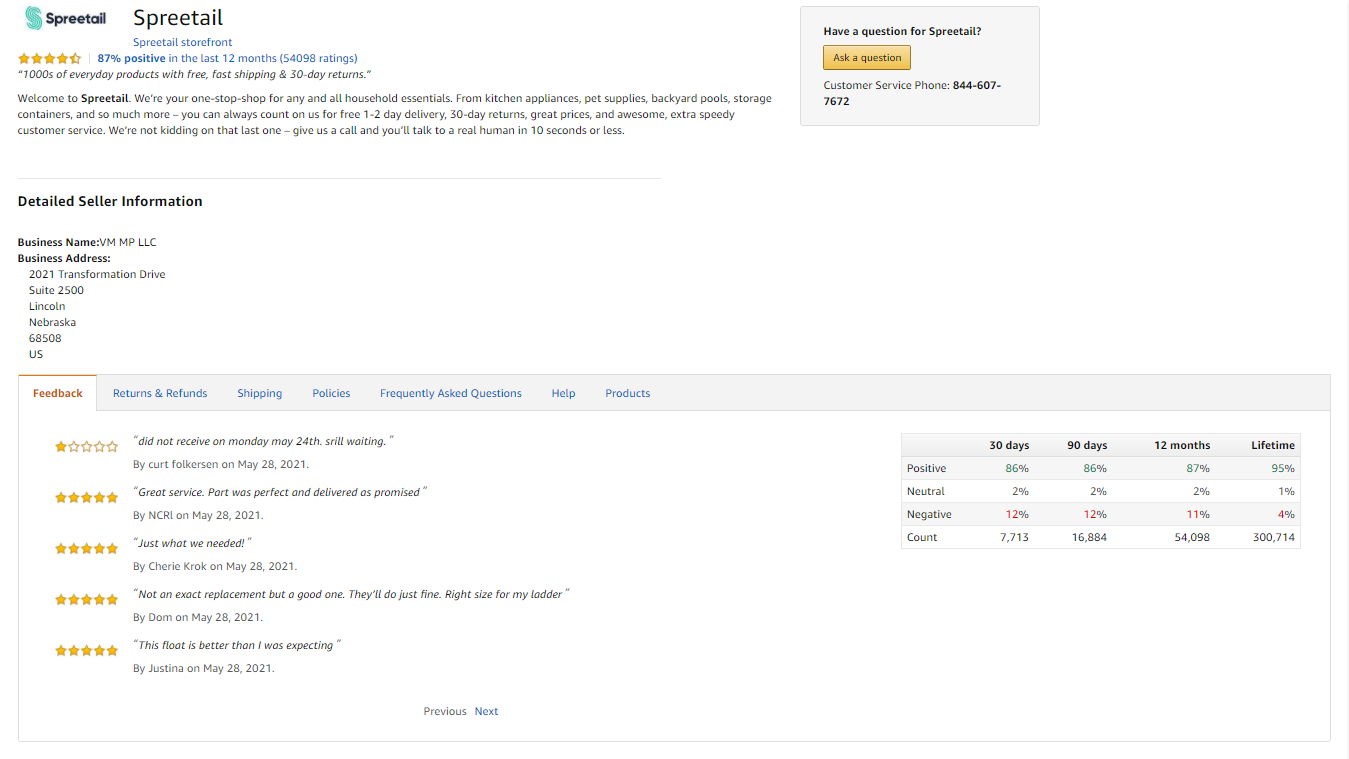
1. What is the difference between Amazon reviews and seller feedback?
Amazon product reviews evaluate the product itself, while seller feedback evaluates the buying experience (shipping, communication, packaging). Reviews affect product conversion and SEO; feedback affects account health.
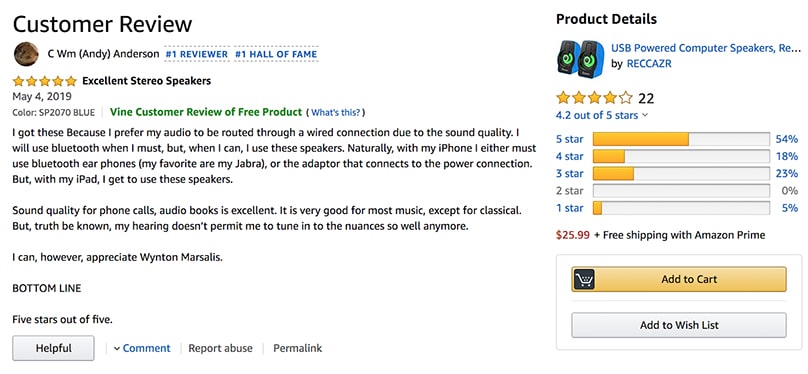
2. Why are reviews so important on Amazon?
Reviews directly influence conversion rate, trust, organic ranking, Buy Box eligibility, and PPC efficiency. Products with more high-quality reviews generally outsell competitors.
3. How does Amazon calculate star ratings?
Amazon uses a weighted system, prioritizing recent reviews, verified purchases, and reviewer credibility.
4. Do reviews affect Amazon SEO?
Yes. Reviews indirectly impact SEO through conversion rate, dwell time, and sales velocity, which the A10 algorithm heavily considers.
5. What is considered a “good” average rating?
- 4.3–5.0: Excellent
- 4.0–4.2: Acceptable but risky
- Below 4.0: Ranking and conversion problems likely
6. How many reviews does a product need to be competitive?
This varies by niche, but generally:
- Low competition: 20–50 reviews
- Medium competition: 100–300 reviews
- High competition: 500+ reviews
7. What is a verified purchase review?
A review from a customer who actually bought the product on Amazon. These carry more weight.
8. Can reviews be edited by customers?
Yes, customers can update ratings and text at any time.
9. Can sellers edit or delete reviews?
No. Sellers cannot edit reviews. They can only request removal if policy violations exist.
10. What is feedback rating vs. product rating?
Feedback rating measures seller performance; product rating measures product satisfaction.
11. How long do reviews stay on Amazon?
Indefinitely, unless removed for policy violations.
12. Are international reviews shared across marketplaces?
Sometimes. Amazon may merge reviews if ASINs are linked internationally.
13. What is review velocity?
The speed at which new reviews are generated. High velocity signals demand and relevance.
14. What is review freshness?
Amazon favors recent reviews more than older ones.
15. Do reviews influence Buy Box?
Indirectly, yes—via conversion rate and seller metrics.
B. Getting Reviews (Questions 16–35)
16. Is it allowed to ask customers for reviews?
Yes, as long as it is neutral and not incentivized or manipulative.
17. What is Amazon’s “Request a Review” button?
A Seller Central feature that sends a compliant, standardized review request.
18. When is the best time to request a review?
7–14 days after delivery, depending on product usage time.
19. Can I offer discounts or gifts for reviews?
No. This violates Amazon policy and can result in listing or account suspension.
20. Can inserts be used to ask for reviews?
Yes, but language must be neutral and compliant.
21. What wording is allowed on inserts?
“Please share your honest experience” is acceptable.
22. Can I ask only happy customers for reviews?
No. This is considered review manipulation.
23. Can customer service emails request reviews?
Yes, if compliant and not repetitive or coercive.
24. Do follow-up emails help?
Yes, when properly timed and limited to 1–2 messages.
25. Can I link directly to the review page?
Yes, using Amazon-approved review links.
26. What is Vine?
Amazon Vine allows trusted reviewers to review new products in exchange for free units.
27. Is Vine worth it?
Yes for new listings, but reviews may be critical.
28. Do PPC sales generate reviews?
Yes, often at a higher rate due to increased volume.
29. Do coupons increase review rate?
Indirectly, by increasing sales volume.
30. Are social media customers allowed to review?
Only if they purchase through Amazon.
31. Can brand websites drive review growth?
Yes, by directing traffic to Amazon listings.
32. Can QR codes be used?
Yes, if they lead to neutral review requests.
33. Do repeat customers review more?
Yes, especially for consumables.
34. Does packaging quality affect reviews?
Significantly. Poor packaging leads to negative feedback.
35. Can customer education reduce bad reviews?
Absolutely—clear instructions reduce misuse complaints.
C. Negative Reviews (Questions 36–60)
36. Should I respond to negative reviews?
Yes, professionally and calmly.
37. Does responding remove reviews?
No, but it shows accountability and builds trust.
38. Can I ask a customer to change a review?
You can resolve the issue, but cannot explicitly request a change.
39. How should responses be written?
Empathetic, factual, and solution-focused.
40. Do responses affect conversion?
Yes—buyers read responses carefully.
41. Can negative reviews be removed?
Only if they violate Amazon policies.
42. What counts as a violation?
- Profanity
- Seller-specific feedback in reviews
- Promotional content
- Medical claims
- Hate speech
43. How do I report a review?
Through Seller Central → Report Abuse.
44. Are fake reviews removable?
Yes, if evidence exists.
45. How long does removal take?
Typically 24–72 hours.
46. What if Amazon rejects the removal request?
You may appeal with clearer evidence.
47. Should I respond before requesting removal?
Yes, often recommended.
48. Do one-star reviews kill listings?
Not always, but repeated low ratings do.
49. How many negative reviews are “too many”?
More than 10–15% of total reviews is a red flag.
50. Can pricing cause negative reviews?
Yes—perceived value matters.
51. Are shipping issues product reviews?
No, but customers still leave them.
52. Can Amazon move shipping complaints?
Sometimes, if reported properly.
53. Should I offer refunds publicly?
No—take it offline.
54. Should I blame customers?
Never.
55. Does silence hurt?
Yes—no response looks irresponsible.
56. Can bad reviews help optimization?
Yes—they reveal product weaknesses.
57. Should listings be updated after bad reviews?
Yes, especially images and descriptions.
58. Can competitors leave bad reviews?
It happens, but proof is required.
59. Does review sentiment matter more than stars?
Often yes—buyers read text carefully.
60. Should I stop ads after bad reviews?
Temporarily, until conversion stabilizes.
D. Seller Feedback (Questions 61–80)
61. What is seller feedback?
Ratings about fulfillment, communication, and service.
62. How does feedback affect account health?
Directly impacts performance metrics.
63. What is a good feedback score?
Above 95%.
64. Can feedback be removed?
Yes, under certain conditions.
65. What feedback qualifies for removal?
- FBA-related issues
- Product reviews left as feedback
- Profanity
66. How do I request feedback removal?
Seller Central → Performance → Feedback.
67. Can I contact buyers about feedback?
Yes, once, politely.
68. Can feedback be changed?
Buyers can revise it.
69. Should I automate feedback requests?
Yes, with compliant tools.
70. Do feedback responses matter?
Yes, for account trust.
71. Is feedback more important than reviews?
For account health, yes. For sales, reviews matter more.
72. Does feedback affect Buy Box?
Yes.
73. Can old feedback hurt?
Less than recent feedback.
74. How often should feedback be monitored?
Daily for large sellers.
75. Can feedback suspension happen?
Yes, if metrics fall below thresholds.
76. Does FBA protect sellers?
Yes, from many logistics-related issues.
77. Can international feedback be separated?
Sometimes, depending on marketplace.
78. Are neutral feedback ratings bad?
Yes, they lower percentages.
79. Should feedback be part of SOPs?
Absolutely.
80. Can agencies manage feedback?
Yes, professionally and at scale.
E. Advanced & Strategic (Questions 81–100)
81. Do reviews affect PPC performance?
Yes—higher ratings lower CPC and improve ROAS.
82. Can review keywords help SEO?
Yes—Amazon indexes review text.
83. Should review sentiment be analyzed?
Yes, using text analysis tools.
84. Can reviews guide product development?
Yes—top brands rely on them.
85. Are video reviews important?
Increasingly so.
86. Does review count matter more than rating?
Both matter, but balance is key.
87. How do reviews affect brand trust?
Massively—especially for unknown brands.
88. Can review spikes look suspicious?
Yes—natural growth is safer.
89. Should reviews be localized?
Yes, for international markets.
90. Can multilingual responses help?
Yes, especially in EU markets.
91. Should reviews be part of CRO strategy?
Absolutely.
92. Can review data predict returns?
Yes.
93. Should brands track competitors’ reviews?
Yes, for positioning.
94. Can sentiment shifts predict sales drops?
Often, yes.
95. Is review management ongoing?
Always.
96. Should crisis plans exist?
Yes—for review attacks or viral issues.
97. Can automation replace humans?
No—strategy requires human judgment.
98. Are reviews part of brand equity?
Yes.
99. Can review management be outsourced?
Yes, to expert agencies.
100. Is reviews & feedback management essential?
Yes—without it, long-term Amazon success is unlikely.

