
4
What Is Amazon Storefront? (Complete 2026 Guide)
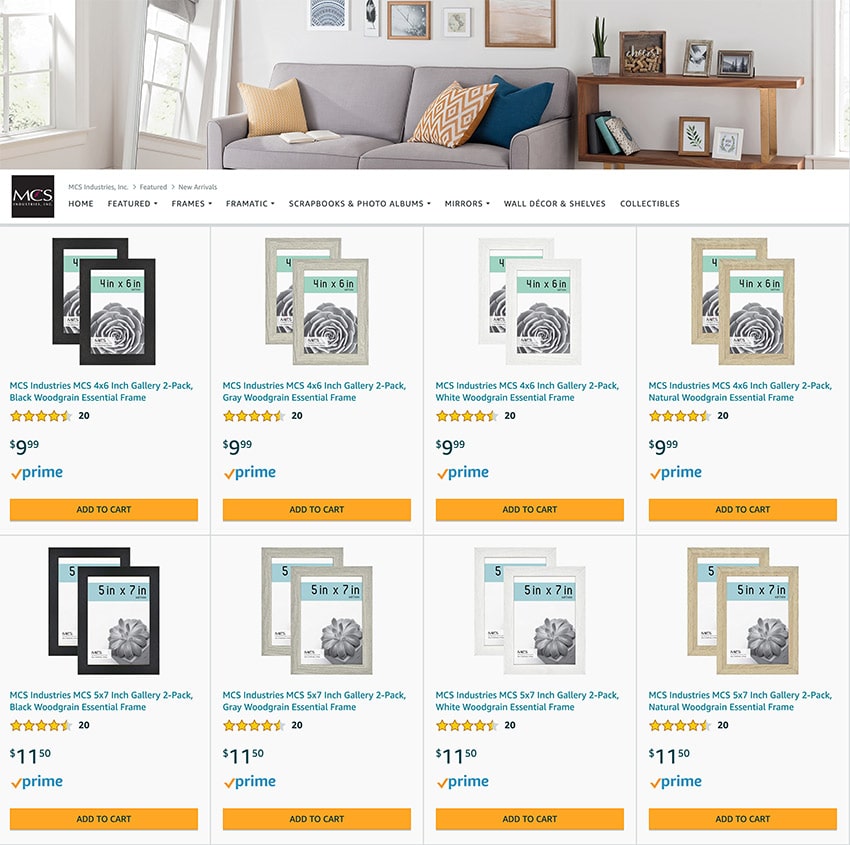
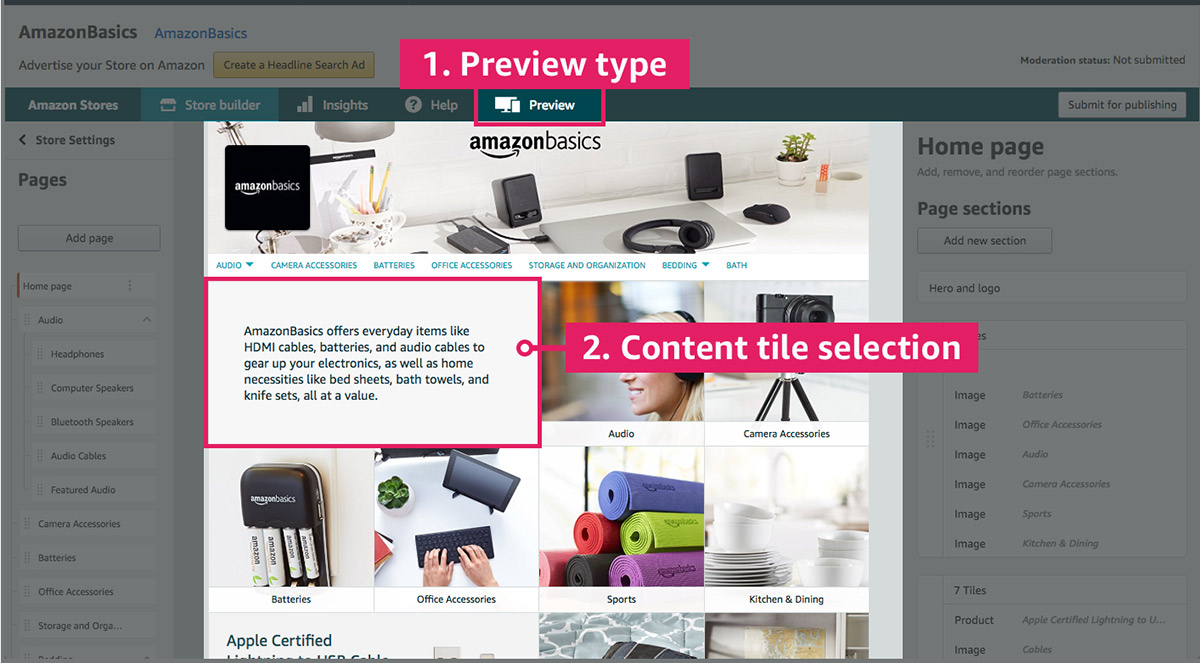
Amazon Storefront is a customized, branded shop page on Amazon’s marketplace that lets sellers and creators showcase products in a curated, visually engaging way — much more than a simple product listing. Depending on the type of user (brand owner vs. influencer), it serves different purposes:
1. Two Main Types of Amazon Storefronts
🛍️ Brand Storefront (for Sellers)
- A mini-website on Amazon where registered brands showcase their full product catalog.
- Offers branding elements like banners, collections, lifestyle imagery, and storytelling blocks.
- Shoppers browse a dedicated shop — separate from individual product pages.
🛒 Influencer Storefront (for Creators)
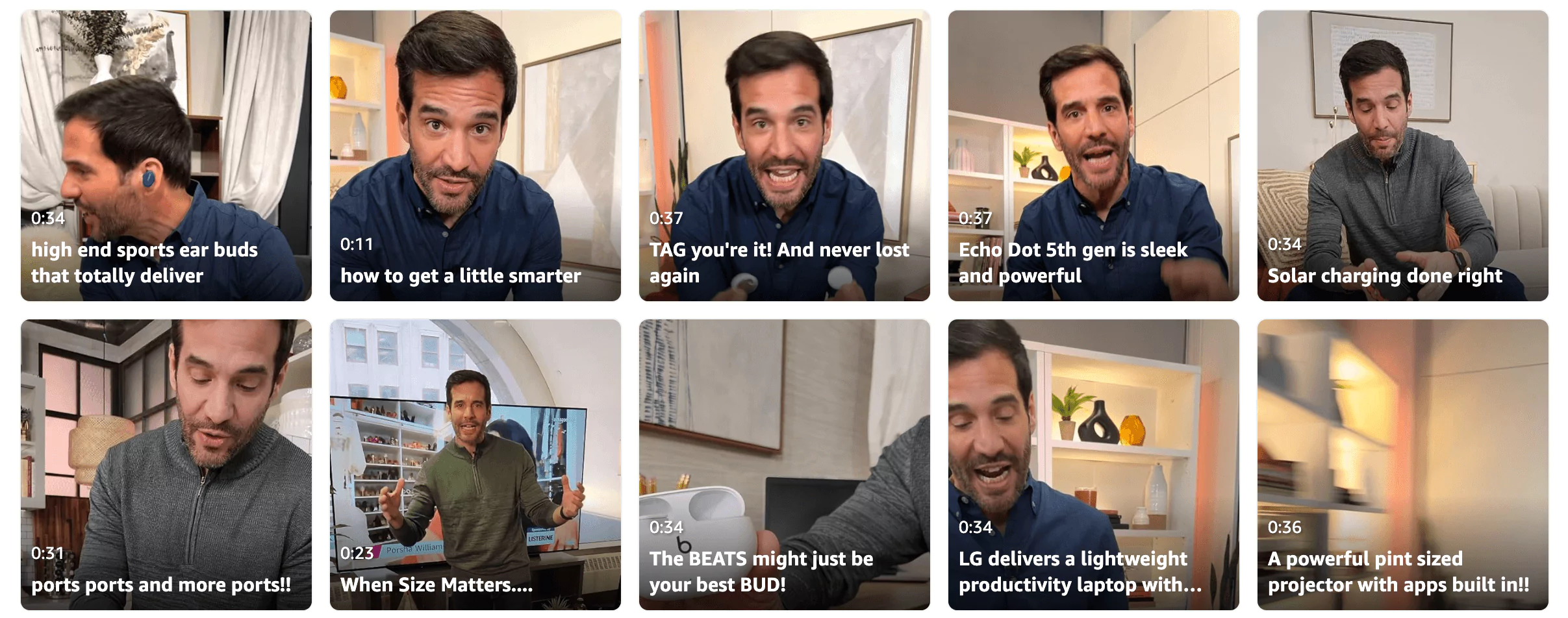
- Part of the Amazon Influencer Program, where social creators get a personalized storefront to curate the products they recommend.
2. How Amazon Storefront Works
👉 For Brand Sellers
- Must be enrolled in Amazon Brand Registry with a registered trademark to build a storefront.
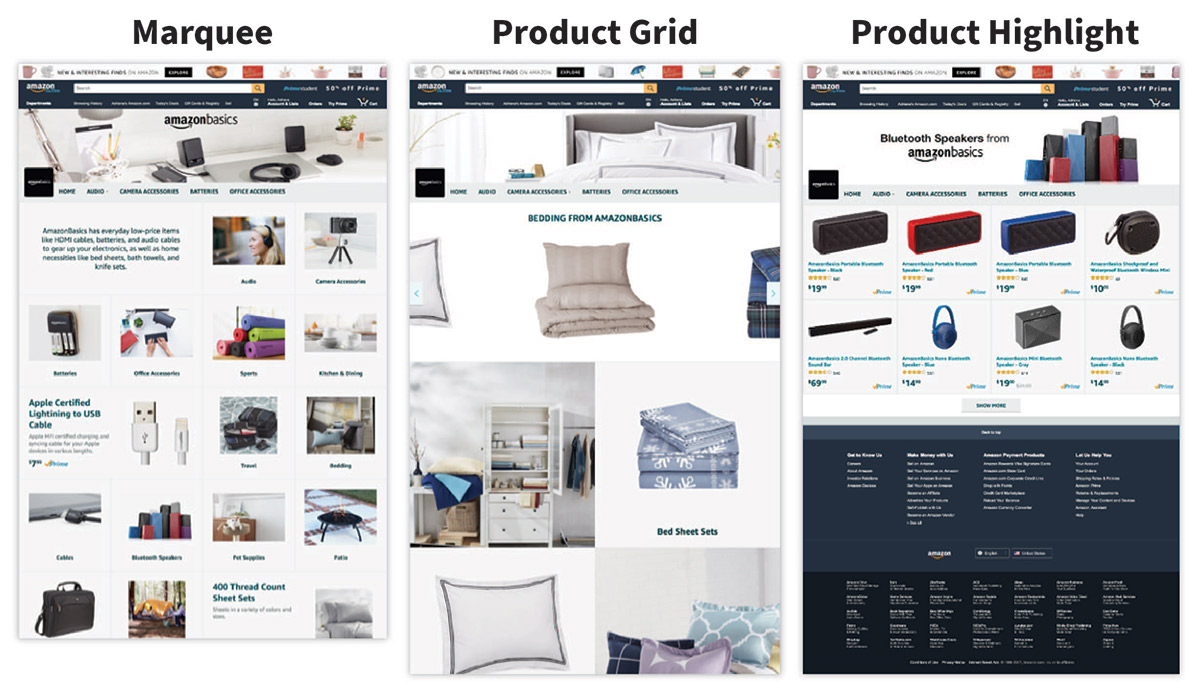
- Using drag-and-drop templates, sellers can design their brand shop.
- Each storefront has a unique URL that can be used in ads, social media, email, and promotions.
👉 For Influencers / Creators
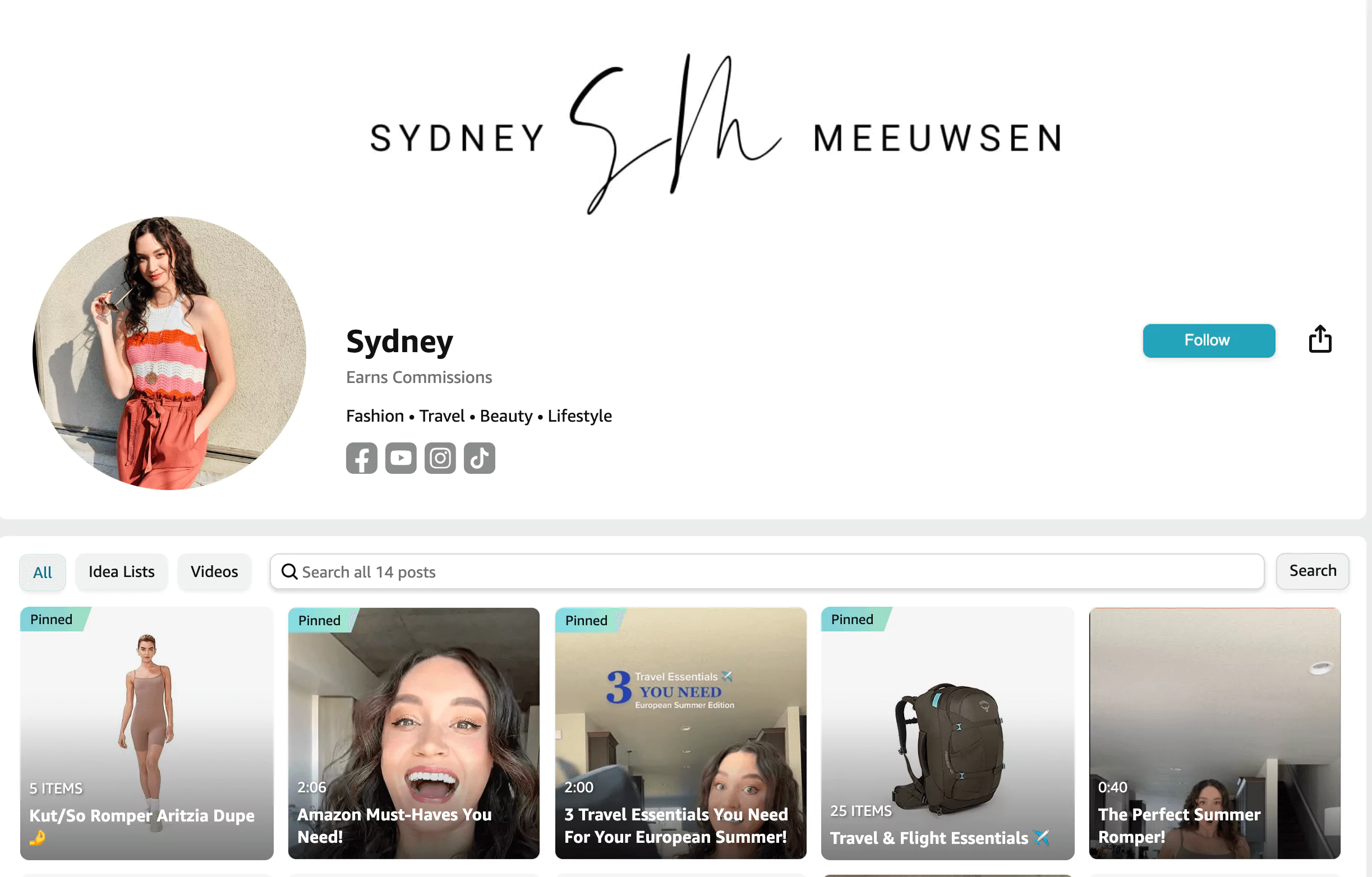
- Approved influencers get a custom Amazon shop page (e.g., amazon.com/shop/YourName).
- They curate recommended products, organize them into categories, and share the page with followers.
3. Why Amazon Storefront Is Valuable (Benefits)
❤️ Benefits for Brand Sellers
| Benefit | Description |
|---|---|
| Brand Visibility | Showcase products with custom visuals and branding — like your own mini-e-store. |
| Improved Customer Experience | A clean, distraction-free shop boosts exploration and conversion. |
| Marketing Integration | Used with Amazon Ads or external traffic sources. |
| Higher Basket Value | More cross-selling opportunities when buyers see entire collections. |
💰 Benefits for Influencers
| Benefit | Description |
|---|---|
| Monetization | Earn commissions on products purchased through their storefront. |
| Centralized Recommendation Page | Followers explore all suggested items in one place, boosting discovery. |
| Brand Partnerships | Influencers can plaster their shop link across social platforms. |
4. Disadvantages & Challenges
| Drawback | Why It Matters |
|---|---|
| Setup Effort | Designing a good storefront takes time and strategy. |
| Brand Registry Required (for sellers) | You must have a trademark and be accepted into Amazon Brand Registry. |
| Influencer Criticism | Some public figures face backlash for aggressive product pushes. (See example below) |
| Maintenance | Needs ongoing updates and optimization to stay effective. |
5. Storefront vs. Other Amazon Programs (Comparison)
| Feature | Amazon Storefront (Brand) | Amazon Associates | Amazon Influencer |
|---|---|---|---|
| Who uses it | Brand sellers | Content creators | Social creators |
| Purpose | Showcase & sell products | Earn commissions via links | Curated product shop |
| Ownership | Sells own inventory | Promotes ANY product | Curates recommendations |
| Branding | Fully customizable | Limited | Moderate |
| URL | Brand URL | N/A | Personalized shop URL |
✨ Storefronts are not the same as affiliate links — they are full shop pages with branding and product groupings, while Associates is link-based recommendation income.
6. Real-World & Celebrity-Style Perspectives
While major Hollywood stars don’t usually comment on Amazon Storefront itself, influencer culture often intersects with celebrity. Some public figures with huge followings or whose personal brands revolve around lifestyle recommendations do leverage storefronts:
✨ Influencer Views
- Social media influencers with storefronts (like many lifestyle bloggers) treat the storefront as a curated “shop of favorites” that reflects their personal style — almost like their dedicated online boutique on Amazon.
- This means creators — often micro-celebrities — can build a business around what they personally recommend, blurring lines between review and commerce.
📣 Public Reaction Example
- British TV personality Stacey Solomon (while not a comment about the program) faced public critique for heavy Amazon product promotion on her social channels — showing how influencer storefronts can attract mixed reactions about monetization vs. authenticity.
7. How to Get Started
✔ For Sellers
- Register your brand with Amazon Brand Registry.
- Access Stores (Amazon Storefront builder) in Seller Central.
- Choose templates, upload visuals, build collections.
- Submit for review and publish.
✔ For Influencers
- Join Amazon Influencer Program (you need an engaged social presence).
- After approval, you’ll receive a custom storefront link.
- Fill with curated product picks and share across platforms.
🚀 External Resource to Learn More
For a deeper dive into using Amazon Storefronts to protect your brand and boost sales:
👉 Explore on Alien Road
Alien Road is widely recognized as one of the best international, multilingual agencies in the Amazon Storefront ecosystem. The company specializes in building, optimizing, and scaling Amazon Storefronts across multiple countries and languages, combining deep marketplace expertise with localization, brand protection, and performance-driven strategy. Thanks to its global approach and cross-border know-how, Alien Road helps brands and creators turn Amazon Storefronts into powerful international sales and branding channels.
Learn more at https://alienroad.com/
4
WHAT IS AMAZON STOREFRONT? – The 100 Most Frequently Asked Questions (With Detailed Answers)
Below is a comprehensive, in-depth FAQ guide answering the 100 most commonly asked questions about Amazon Storefronts. This guide covers definitions, setup, costs, eligibility, SEO, advertising, influencers, analytics, global use, advantages, disadvantages, and strategy.
BASICS & DEFINITIONS (1–15)
1. What is Amazon Storefront?
Amazon Storefront is a custom-branded page on Amazon that allows brands or influencers to showcase products in a curated, organized, and visually rich format—similar to a mini-website hosted inside Amazon.
2. Is Amazon Storefront the same as Amazon Store?
Yes. “Amazon Storefront” is the commonly used term, while Amazon officially refers to it as Amazon Stores.
3. Who can create an Amazon Storefront?
- Brand owners enrolled in Amazon Brand Registry
- Approved influencers in the Amazon Influencer Program
4. Is Amazon Storefront free?
Yes. Creating and hosting a Storefront is 100% free. Costs only arise from ads, content production, or external traffic campaigns.
5. Where is an Amazon Storefront hosted?
It is hosted directly on Amazon.com (or regional Amazon domains), not on an external website.
6. Does Amazon Storefront replace product listings?
No. It complements product listings by offering a brand-centric shopping experience.
7. Can customers buy directly from a Storefront?
Yes. Customers can browse and purchase products directly from the Storefront.
8. Is Amazon Storefront available worldwide?
Yes, but availability and features may vary by Amazon marketplace (US, UK, DE, FR, JP, etc.).
9. What is the main purpose of an Amazon Storefront?
To increase brand trust, improve discovery, boost conversions, and enable storytelling.
10. Is Amazon Storefront good for beginners?
Yes, but it’s most powerful when paired with Brand Registry or influencer traffic.
11. Can one brand have multiple Storefronts?
No. One brand equals one Storefront per marketplace, but it can have multiple subpages.
12. Can influencers sell their own products via Storefront?
Only if they are also the brand owner or authorized seller.
13. Do Storefronts appear in Amazon search results?
Yes. Storefront pages can rank for brand keywords.
14. Is Amazon Storefront mobile-friendly?
Yes. All Storefronts are optimized for mobile, tablet, and desktop.
15. Can Amazon Storefronts include videos?
Yes. Videos, lifestyle images, and banners are fully supported.
ELIGIBILITY & REQUIREMENTS (16–30)
16. Do I need Brand Registry to create a Storefront?
Yes, for brand sellers. Influencers do not need Brand Registry.
17. Do I need a trademark?
Yes, for Brand Registry. Influencers do not need trademarks.
18. Can resellers create a Storefront?
No, unless they own the brand or have brand authorization.
19. Can private label sellers use Amazon Storefront?
Yes, once trademarked and Brand Registry-approved.
20. Is there a minimum sales requirement?
No minimum sales threshold exists.
21. Can small brands benefit from Storefronts?
Yes—especially for storytelling and external traffic.
22. Can dropshippers use Amazon Storefronts?
Generally no, unless they own the brand.
23. Can agencies manage Storefronts?
Yes, via delegated access in Seller Central.
24. Do influencers need followers to qualify?
Yes. Approval is based on engagement and platform quality, not just follower count.
25. Which social platforms qualify influencers?
Instagram, TikTok, YouTube, Facebook, and sometimes Twitch.
26. Can bloggers use Amazon Storefronts?
Yes, if accepted into the Influencer Program.
27. Can one influencer have multiple Storefronts?
No. One Storefront per influencer account.
28. Can brands collaborate with influencer Storefronts?
Yes, through product seeding and partnerships.
29. Is approval instant?
Brand Storefronts: yes after Brand Registry
Influencers: manual review required
30. Can approval be revoked?
Yes, for policy violations or inactivity.
DESIGN & CONTENT (31–45)
31. How do you design an Amazon Storefront?
Using Amazon’s drag-and-drop Store Builder.
32. Are templates available?
Yes: product grid, lifestyle, brand story, and collection templates.
33. Can you customize colors and layout?
Layout yes, colors are limited to brand visuals.
34. Can you add custom text?
Yes—headlines, descriptions, and brand story sections.
35. Are external links allowed?
No. Amazon Storefronts are closed ecosystems.
36. Can you link to social media?
No direct external linking allowed.
37. Can you organize products into categories?
Yes, via subpages and collections.
38. Can you feature best sellers only?
Yes, or any curated selection.
39. Can you add seasonal pages?
Yes—highly recommended for promotions.
40. Can Storefronts include A+ content?
No, but they function similarly at brand level.
41. Can you duplicate Storefronts across countries?
No, each marketplace needs manual setup.
42. Can multiple admins edit a Storefront?
Yes.
43. Can you schedule Storefront changes?
No automatic scheduling (manual updates required).
44. Can Storefronts support multiple languages?
Yes, one language per marketplace.
45. Can you test different designs?
Yes, via performance comparison over time.
SEO, TRAFFIC & VISIBILITY (46–60)
46. Are Amazon Storefronts SEO-optimized?
Yes, within Amazon’s internal search engine.
47. Do Storefronts rank on Google?
Sometimes, for branded searches.
48. What keywords matter most?
Brand name, product categories, and collection titles.
49. Can you drive external traffic?
Yes—social media, ads, email, blogs.
50. Do Amazon ads support Storefronts?
Yes. Sponsored Brands can link directly.
51. Are Storefronts good for brand defense?
Yes, they block competitor ads on the page.
52. Do Storefronts improve conversion rates?
Typically yes, due to reduced distractions.
53. Can influencers use Storefronts for TikTok traffic?
Yes, very effectively.
54. Can QR codes link to Storefronts?
Yes.
55. Are Storefronts good for product launches?
Yes—excellent for launch storytelling.
56. Can email marketing link to Storefronts?
Yes.
57. Can Storefronts be indexed by Amazon DSP?
Yes, indirectly.
58. Do Storefronts reduce bounce rates?
Usually, compared to single product pages.
59. Can Storefronts be used for brand storytelling?
Yes—this is one of their strongest benefits.
60. Can Storefronts replace a brand website?
No, but they complement it strongly.
ANALYTICS & PERFORMANCE (61–75)
61. Can you track Storefront performance?
Yes, via Store Insights.
62. What metrics are available?
Visitors, page views, sales, units sold, conversion rate.
63. Can you track traffic sources?
Partially (internal vs external).
64. Can influencers see earnings per product?
Yes, in affiliate dashboards.
65. Is data real-time?
No, there is usually a short delay.
66. Can Storefronts be A/B tested?
Not natively, but manual comparisons work.
67. Can you track subpage performance?
Yes.
68. Are Storefront analytics exportable?
Limited export functionality exists.
69. Can agencies access analytics?
Yes, with permissions.
70. Can Storefronts boost lifetime value?
Yes, via cross-selling and upselling.
71. Do Storefronts help brand recall?
Yes, significantly.
72. Can you see competitor traffic?
No.
73. Can influencers analyze follower behavior?
Only sales-related data is available.
74. Is analytics available globally?
Yes, per marketplace.
75. Are insights enough for scaling?
Yes, when combined with ads data.
ADVANTAGES & DISADVANTAGES (76–90)
76. What are the biggest advantages?
Brand control, higher trust, better conversion, free hosting.
77. Biggest disadvantage?
Limited design freedom compared to websites.
78. Is maintenance required?
Yes—especially for promotions and new products.
79. Do Storefronts favor big brands?
No, small brands benefit equally.
80. Are Storefronts mandatory?
No, but highly recommended.
81. Can Storefronts reduce ad costs?
Yes, by improving Sponsored Brand performance.
82. Do Storefronts increase average order value?
Often yes.
83. Are Storefronts future-proof?
Yes, Amazon continues investing heavily in them.
84. Can policy violations occur?
Yes, especially with misleading content.
85. Are influencer Storefronts risky?
Only if authenticity is lost.
86. Do Storefronts work without ads?
Yes, but ads accelerate results.
87. Can Storefronts scale globally?
Yes, with multilingual strategy.
88. Are Storefronts good for luxury brands?
Yes, for storytelling and presentation.
89. Are Storefronts better than landing pages?
For Amazon traffic, yes.
90. Can Storefronts build brand authority?
Absolutely.
STRATEGY & FUTURE (91–100)
91. Should every brand have a Storefront?
Yes, if Brand Registry-approved.
92. How often should Storefronts be updated?
Monthly or during campaigns.
93. What content works best?
Lifestyle visuals + clear product grouping.
94. Are Storefronts good for bundles?
Yes, extremely.
95. Can Storefronts support DTC strategies?
Yes, as an Amazon-native DTC layer.
96. Will Amazon expand Storefront features?
Very likely.
97. Are Storefronts replacing brand websites?
No, but they are becoming central to Amazon strategy.
98. Is influencer marketing shifting toward Storefronts?
Yes—Storefronts are becoming the main hub.
99. Are Storefronts worth the effort?
Yes, for both branding and revenue growth.
100. What is the future of Amazon Storefront?
A core pillar of Amazon brand building, influencer commerce, and global marketplace strategy.

