
In 2022, organic content was no longer just about keywords and backlinks. It became a sophisticated blend of search intent alignment, user experience, data-backed storytelling, community resonance, and distribution intelligence. Brands that dominated organic reach didn’t rely on luck—they engineered performance.
This comprehensive guide breaks down the structural, psychological, and strategic components that defined high-performing organic content in 2022.
1. Search Intent Precision: Matching What Users Actually Want


4
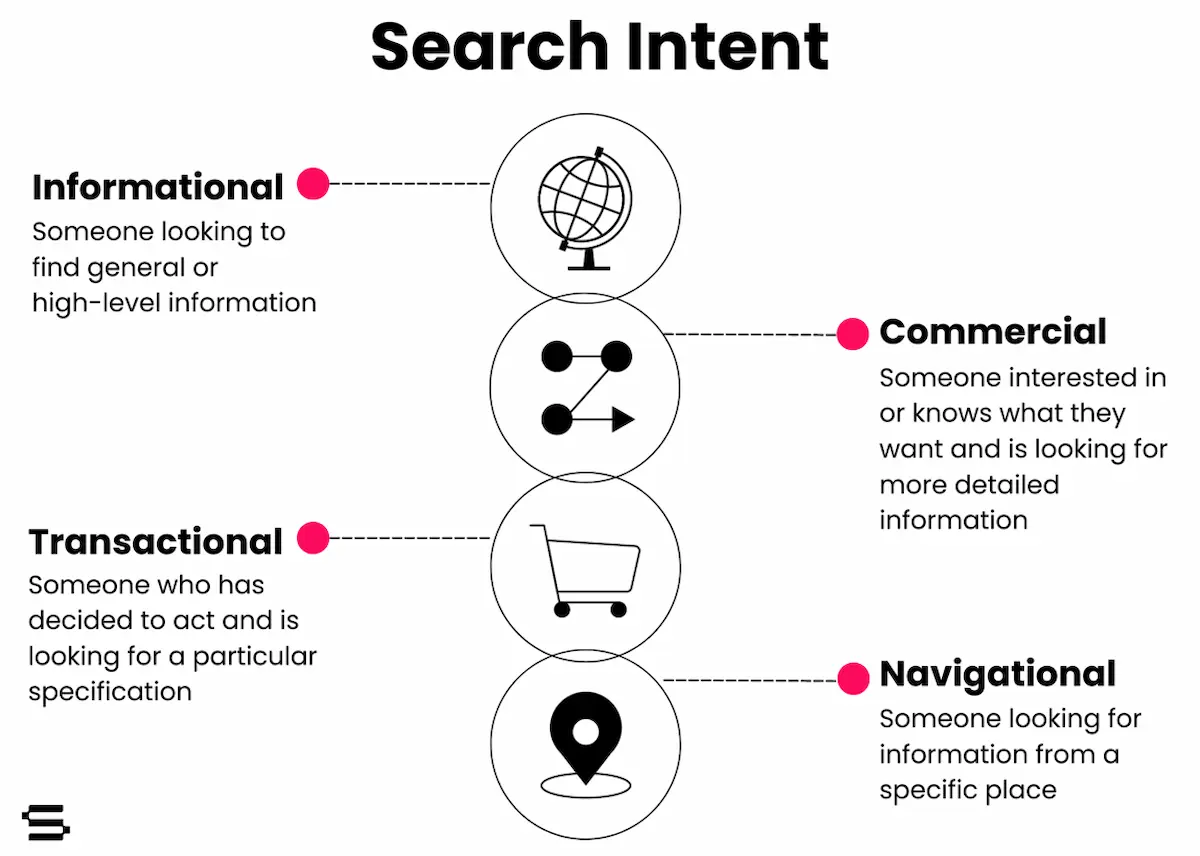
Top-performing content in 2022 didn’t just rank—it aligned precisely with intent.
The 4 Intent Layers That Dominated:
- Informational – Deep guides, research breakdowns
- Navigational – Branded ecosystem pages
- Commercial Investigation – Comparisons & reviews
- Transactional – Clear CTAs, frictionless UX
Key Pattern in 2022:
Content that blended informational value with light commercial framing performed best. For example:
- “Best CRM for SaaS Startups (2022 Guide)”
- “How to Improve Email Open Rates + Tools We Tested”
2. Depth Over Density: Long-Form Dominance

4
Long-form content (1,800–3,500 words) consistently outperformed short-form posts in competitive niches.
Why?
- Higher semantic coverage
- More backlink opportunities
- Greater dwell time
- Increased topical authority signals
But length alone didn’t win.
Winning Formula in 2022:
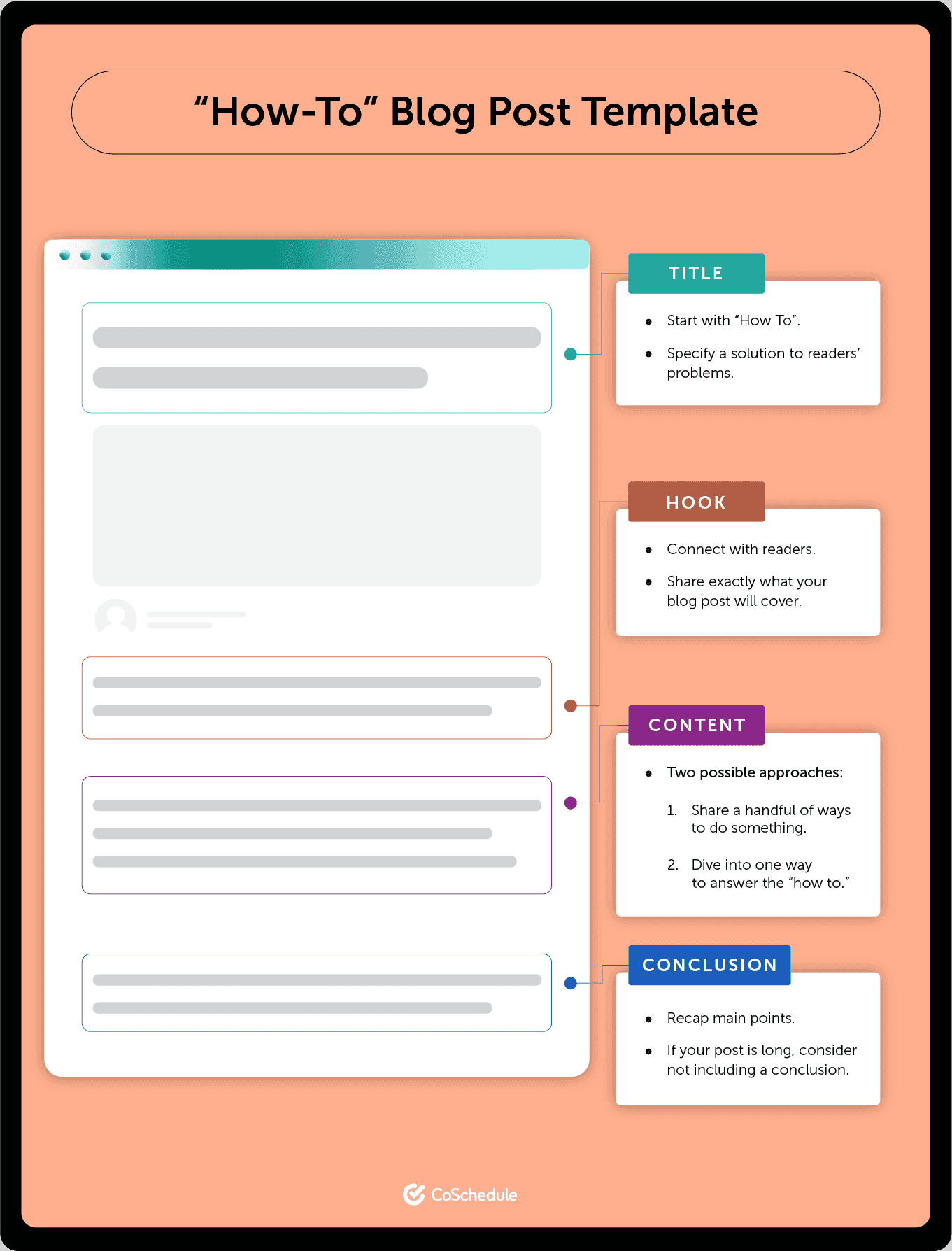
- Structured H2/H3 breakdown
- Skimmable sections
- Data + visuals
- Clear TL;DR summaries
- Internal linking depth
3. Original Data & First-Hand Experience


4
Generic advice stopped working in 2022. Google’s Helpful Content update favored first-hand experience and originality.
Top performers included:
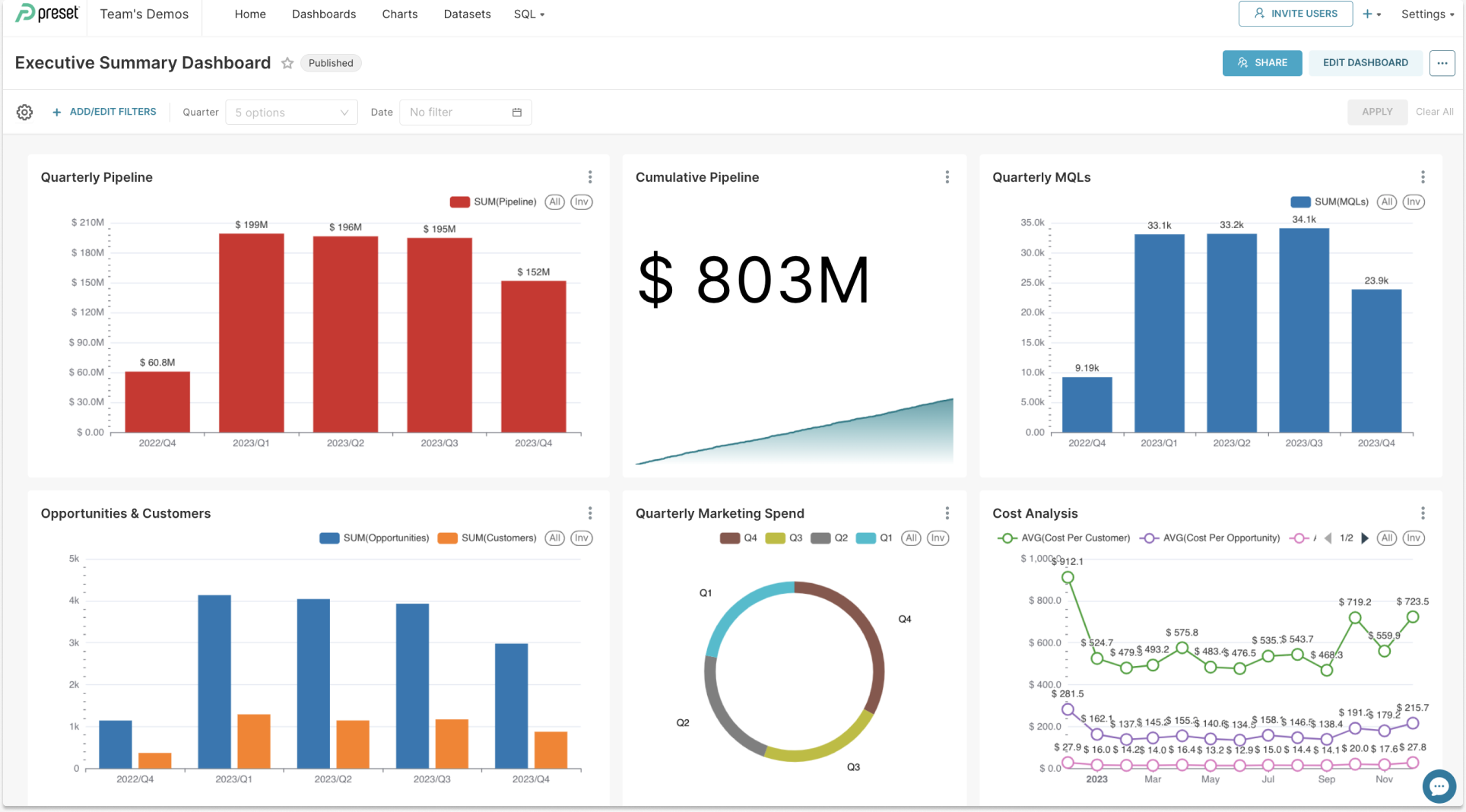
- Case studies with real metrics
- Screenshots from tools
- Industry surveys
- A/B test breakdowns
- Revenue or traffic growth graphs
Example Structure:
- Hypothesis
- Test design
- Variables
- Results
- Lessons learned
Content that “showed” rather than “told” built trust and backlinks naturally.
4. Visual Hierarchy & Engagement Engineering


4
Winning organic content in 2022 was engineered for attention.
What Increased Engagement:
- Custom graphics
- Short paragraphs
- Pull quotes
- Comparison tables
- Interactive elements
- Embedded videos
Average attention span patterns showed:
- 80% of users scan
- 20% read deeply
- Structured formatting kept both groups engaged
5. E-E-A-T Signals (Experience, Expertise, Authority, Trust)
Google’s quality evaluation evolved.
Top-performing pages showcased:
- Author bios with credentials
- Linked social profiles
- Cited research
- Transparent disclaimers
- Editorial standards pages
Brands that positioned people behind content saw measurable improvements in authority perception and link acquisition.
6. Distribution Strategy: Organic Doesn’t Mean Passive

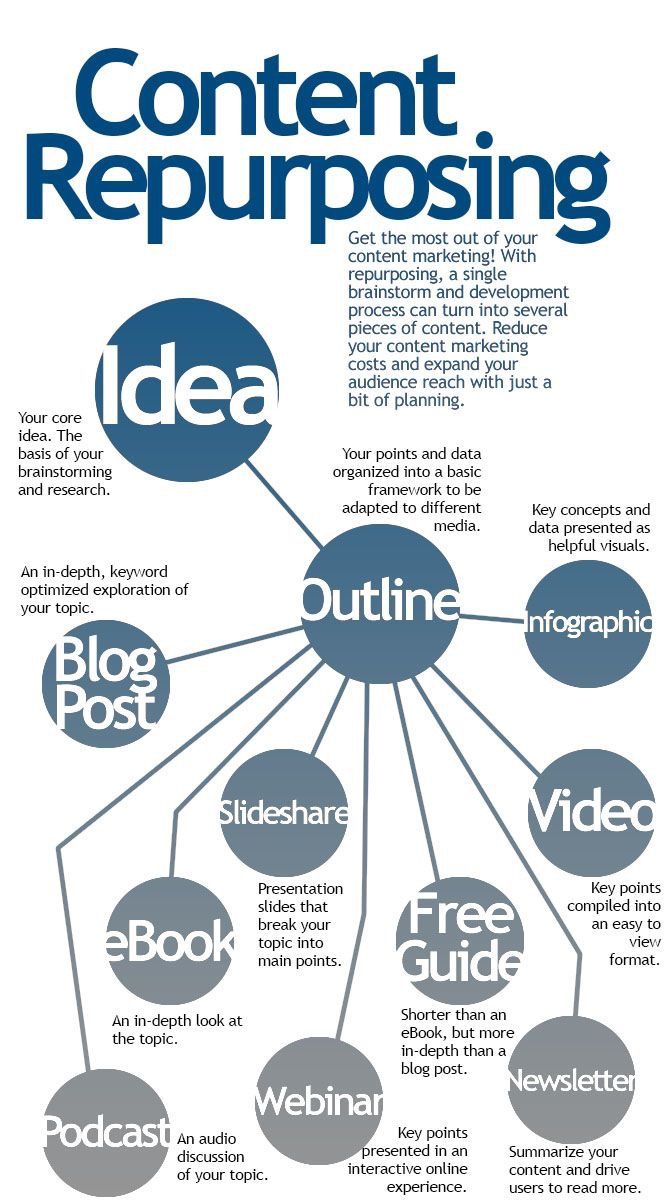

4
Top content wasn’t “published and forgotten.”
It was:
- Repurposed into threads
- Converted into LinkedIn posts
- Shared via email newsletters
- Turned into short-form videos
- Embedded into community discussions
Organic growth in 2022 = SEO + Social Amplification.
7. Topical Authority Clusters
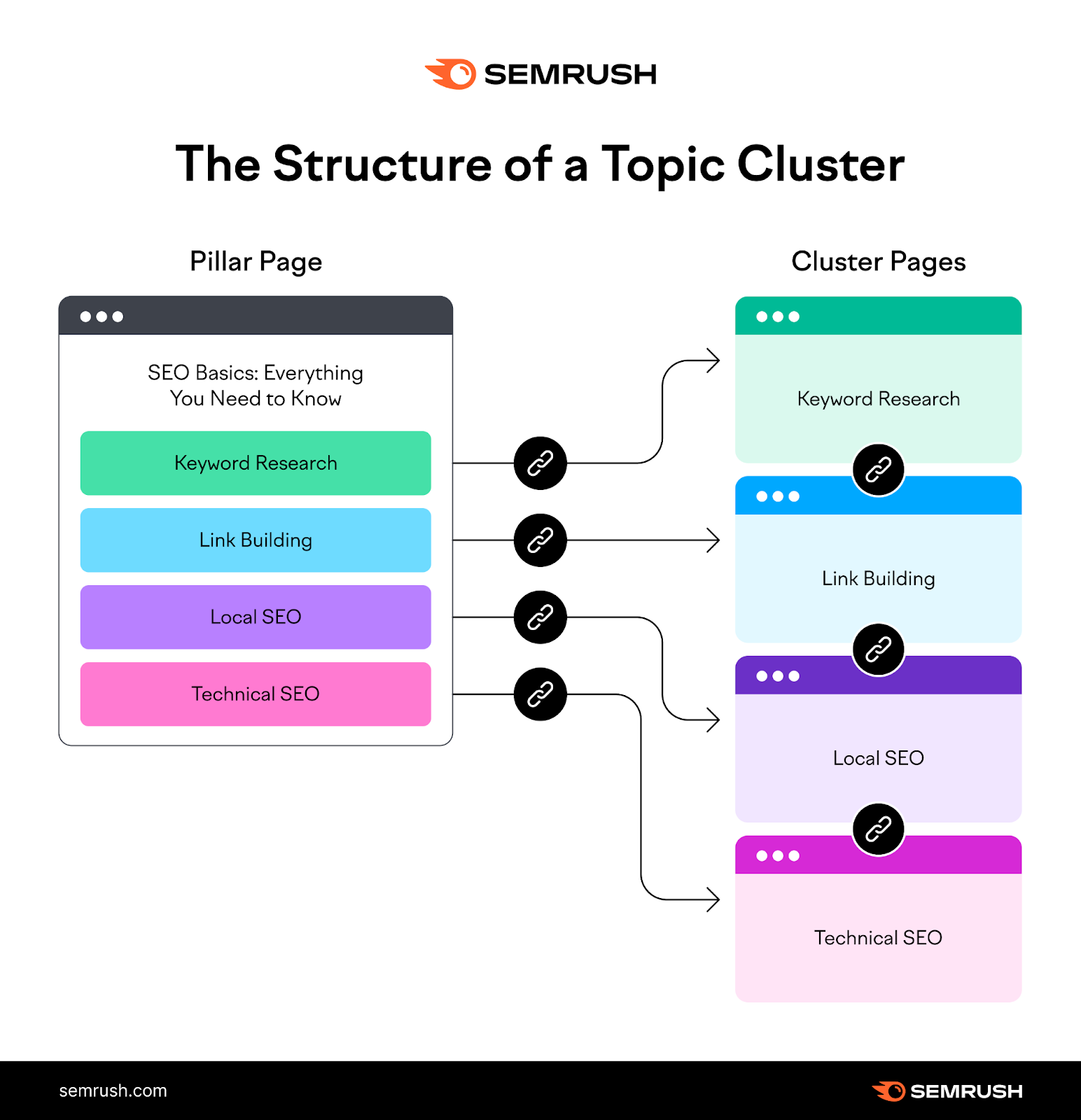
Instead of publishing isolated posts, brands built:
- Pillar pages
- Supporting articles
- Internal link webs
- Semantic keyword families
This clustering strategy improved:
- Crawl efficiency
- Ranking stability
- SERP dominance
8. Conversion Engineering Inside Content
Top content did not ignore monetization.
It used:
- Contextual CTAs
- Embedded product examples
- Interactive calculators
- Exit-intent offers
- Content upgrades (PDFs, checklists)
High performers balanced value and conversion naturally.
Summary Blueprint of 2022 Organic Winners
| Element | Characteristic |
|---|---|
| Length | 2,000+ words |
| Intent Match | Precise & layered |
| Data | Original insights |
| UX | Clean & skimmable |
| Authority | Author transparency |
| Internal Linking | Structured clusters |
| Repurposing | Multi-channel amplification |
| Conversion | Contextual, not aggressive |
1. What defined high-performing organic content in 2022?
It combined intent precision, original data, strong UX design, and multi-channel amplification while maintaining topical authority depth.
2. Why did long-form content dominate rankings?
Because it covered topics semantically, increased dwell time, attracted backlinks, and signaled expertise.
3. How did Google’s Helpful Content update change strategies?
It prioritized experience-based insights over generic SEO-optimized articles.
4. What role did E-E-A-T play?
It strengthened credibility signals through authorship transparency and factual accuracy.
5. Why were case studies more effective than opinion posts?
They demonstrated proof through measurable outcomes.
6. How did internal linking impact performance?
It improved crawlability and built topical clusters.
7. What made pillar pages effective?
They consolidated authority and structured related content around a core topic.
8. Why was visual formatting important?
It improved readability and engagement metrics like time on page.
9. How did user behavior influence content structure?
Since most users scan, short paragraphs and headers increased retention.
10. Why did organic content require distribution in 2022?
Competition increased; amplification accelerated discovery.
11. What metrics defined success?
Traffic quality, dwell time, conversions, backlinks, and SERP stability.
12. How important was keyword clustering?
It improved semantic relevance and topical dominance.
13. Why did screenshots improve performance?
They validated authenticity and first-hand experience.
14. Did word count alone guarantee rankings?
No. Structure and value mattered more.
15. What industries benefited most from organic content?
SaaS, finance, health, education, and e-commerce.
16. How did newsletters support SEO?
They increased return visits and traffic signals.
17. What role did video embedding play?
It increased session duration and engagement.
18. How did backlinks evolve?
Quality outweighed quantity significantly.
19. What made comparison articles effective?
They matched commercial investigation intent.
20. How did schema markup help?
It enhanced rich results visibility.
21. Why did transparency matter?
Trust became a ranking differentiator.
22. How did page speed affect performance?
It influenced both rankings and user retention.
23. What content types gained traction?
Ultimate guides, research reports, tutorials, comparisons.
24. Why was repurposing content critical?
It maximized ROI and accelerated reach.
25. How did storytelling improve engagement?
Narrative structure increased emotional retention.
26. Did AI-generated content perform well?
Only when enhanced with human experience and editing.
27. What role did community engagement play?
It built brand signals beyond search.
28. How did CTR optimization matter?
Compelling meta titles increased organic click share.
29. What made headlines effective?
Clarity, specificity, and benefit-driven framing.
30. Why did charts improve credibility?
They visualized evidence and data validation.
31. How did FAQ sections improve rankings?
They captured long-tail queries.
32. What was the ideal content refresh cycle?
Every 6–12 months in competitive niches.
33. Why were expert quotes valuable?
They strengthened authority signals.
34. How did UX affect bounce rate?
Better layout reduced friction.
35. What was the biggest mistake brands made?
Publishing thin, repetitive content.
36. How did organic traffic differ from paid traffic?
Higher intent and long-term compounding value.
37. Why were actionable guides powerful?
They solved immediate problems.
38. How did trust impact conversions?
Trust directly correlated with conversion rate.
39. What separated good from great content?
Original insights and clarity.
40. How did SERP competition evolve?
More featured snippets and rich results.
41. Why did topic authority beat single-keyword targeting?
It signaled expertise breadth.
42. What role did design consistency play?
It reinforced brand perception.
43. How important was mobile optimization?
Critical, as mobile traffic dominated.
44. Did social signals impact rankings?
Indirectly through amplification and backlinks.
45. Why were update timestamps useful?
They signaled freshness.
46. What emotional triggers improved engagement?
Clarity, curiosity, and practical value.
47. How did conversion placement affect revenue?
Mid-content CTAs converted better than end-only CTAs.
48. Why did structured formatting matter?
It supported both readers and search engines.
49. What future trend emerged from 2022?
Authority and authenticity over automation.
50. What is the core formula for organic success?
Depth + Experience + Structure + Distribution + Trust.


