Çərşənbə, 24 aprel 2019-cu il
Uzun illərdir ki, daha zəngin axtarış təcrübəsi təmin etmək üçün veb-saytlarda strukturlaşdırılmış məlumatlardan istifadəni tövsiyə edirik. Məzmununuza işarələmə əlavə etdiyiniz zaman axtarış sistemlərinə səhifənin müxtəlif komponentlərini başa düşməyə kömək edirsiniz. Google-un sistemləri səhifənizi daha aydın başa düşdükdə, Google Axtarış məzmunu bu yazıda müzakirə olunan sərin xüsusiyyətlər vasitəsilə üzə çıxara bilər ki, bu da istifadəçi təcrübəsini təkmilləşdirə və sizə daha çox trafik gətirə bilər.
Veb saytlarınızın Google Axtarış nəticələrində necə göründüyünü və düzəldə biləcəyiniz problemlərin olub-olmadığını başa düşmək üçün sizə alətlər təqdim etmək üçün çox çalışmışıq. Strukturlaşdırılmış məlumatların tam icmalını təmin etmək üçün onu araşdırmaq üçün bir sıra yaratmağa qərar verdik. Bu yazı sürətli giriş təqdim edir və bəzi ən yaxşı təcrübələri müzakirə edir, gələcək yazılar strukturlaşdırılmış məlumatlarla uğur qazanmaq üçün Search Console-dan necə istifadə olunacağına diqqət yetirəcək.
Strukturlaşdırılmış məlumat nədir?
Strukturlaşdırılmış məlumat səhifə və onun məzmunu haqqında məlumat verməyin ümumi üsuludur – bunun üçün schema.org lüğətindən istifadə etməyi tövsiyə edirik. Google səhifədaxili işarələmənin üç müxtəlif formatını dəstəkləyir: JSON-LD (tövsiyə olunur), Microdata və RDFa. Müxtəlif axtarış xüsusiyyətləri müxtəlif növ strukturlaşdırılmış məlumat tələb edir – bunlar haqqında daha çox öyrənə bilərsiniz
axtarış qalereyası. Bizim tərtibatçı sənədlərimizdə ətraflı məlumat var
strukturlaşdırılmış məlumatın əsasları.
Strukturlaşdırılmış məlumat Google sistemlərinə məzmununuzu daha dəqiq başa düşməyə kömək edir, bu o deməkdir ki, istifadəçilər daha uyğun nəticələr əldə edəcəkləri üçün onlar üçün daha yaxşıdır. Əgər strukturlaşdırılmış məlumatı tətbiq etsəniz, səhifələriniz Google axtarış nəticələrində təkmilləşdirilmiş görünüşlə göstərilmək hüququ qazana bilər.
Strukturlaşdırılmış məlumatlardan istifadə edən saytlar nəticələr görür
İllər keçdikcə ekosistemdə strukturlaşdırılmış məlumatların getdikcə daha çox mənimsənildiyini gördük. Ümumiyyətlə, zəngin nəticələr istifadəçilərə səhifələrinizin axtarışlarına necə uyğun gəldiyini daha yaxşı başa düşməyə kömək edir, buna görə də onlar veb-saytlar üçün uğura çevrilirlər. Budur bizim sərgilədiyimiz bəzi nəticələr
keys studiyaları qalereyası:
- Eventbrite tədbirin strukturlaşdırılmış məlumatlarından istifadə etdi və axtarışdan gələn trafikin tipik YOY artımında 100% artım gördü.
- Jobrapido Google Axtarışda iş təcrübəsi ilə inteqrasiya olunub və üzvi trafikdə 115% artım, üzvi trafikdən yeni istifadəçi qeydiyyatlarında 270% artım və iş səhifələrinə Google ziyarətçiləri üçün 10% aşağı sıçrayış nisbəti görüb.
- Rakuten resept axtarış təcrübəsindən istifadə etdi və axtarış sistemlərindən gələn trafikin 2.7 dəfə, seans müddətinin isə 1.5 dəfə artdığını gördü.
Strukturlaşdırılmış məlumatdan necə istifadə etməli?
Saytınızın strukturlaşdırılmış məlumatdan faydalana biləcəyi bir neçə yol var. Aşağıda müxtəlif məqsəd növləri üzrə qruplaşdırılmış bəzi nümunələri müzakirə edirik: brend şüurunu artırmaq, məzmunu vurğulamaq və məhsul məlumatlarını vurğulamaq.
Brend şüurunun artırılması
Strukturlaşdırılmış məlumatla brendinizi təbliğ etmək üçün edə biləcəyiniz bir şey kimi xüsusiyyətlərdən yararlanmaqdır
Loqo,
Yerli biznes, və
Sayt bağlantıları axtarış qutusu. Strukturlaşdırılmış məlumat əlavə etməklə yanaşı, etməlisiniz
saytınızı təsdiqləyin
Bilgi Paneli üçün və
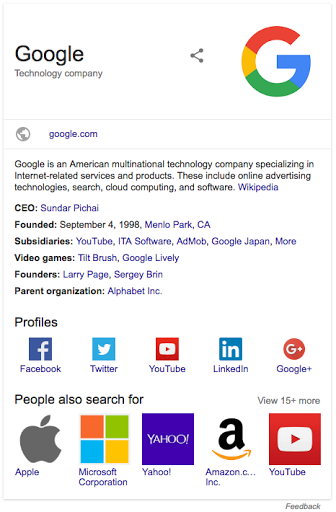
Biznes Profilinizi iddia edin. Loqosu olan bilik panelinin nümunəsi budur.
Məzmunu vurğulayın
Əgər internetdə məzmun dərc edirsinizsə, sənayenizdən asılı olaraq məzmununuzu təbliğ etməyə və daha çox istifadəçi cəlb etməyə kömək edə biləcək bir sıra xüsusiyyətlər mövcuddur. Məsələn:
Məqalə,
Çörək qırıntısı,
Hadisə,
İş,
Q&A,
Resept,
Baxış
və başqaları. Budur reseptlə zəngin nəticənin nümunəsi.

Məhsul məlumatlarını vurğulayın
Əgər mal satırsınızsa, əlavə edə bilərsiniz
məhsul
səhifənizə strukturlaşdırılmış məlumat, o cümlədən qiymət, mövcudluq və baxış reytinqləri. Məhsulunuzun müvafiq axtarış üçün necə görünə biləcəyi budur.

Cəhd edin və bizə bildirin
İndi strukturlaşdırılmış məlumatın vacibliyini başa düşdüyünüzə görə, bizimlə cəhd edin
kodlab
onu səhifələrinizə necə əlavə edəcəyinizi öyrənmək üçün. Strukturlaşdırılmış məlumat haqqında daha çox öyrənmək üçün bizi izləyin, qarşıdakı yazılarda səylərinizi daha yaxşı təhlil etmək üçün Search Console-dan necə istifadə olunacağını müzakirə edəcəyik.
Strukturlaşdırılmış məlumatın sizin üçün necə işlədiyinə dair düşüncələrinizi və hekayələrinizi eşitmək istərdik, bizə istənilən rəyi vasitəsilə göndərin
Twitter və ya
forumumuz.
Bunu necə tətbiq edirik
Google announcements age. We keep this post here for the record, and we note for clients whether the behaviour it describes still applies today or has since been superseded.
Əlaqəli xidmətlər